



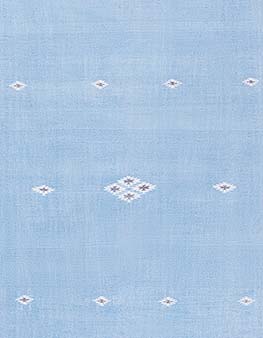

Cotton Vintage Rugs
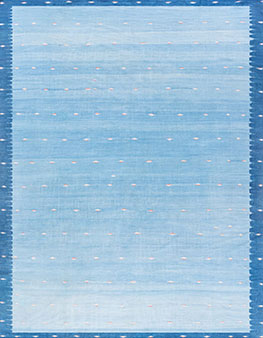
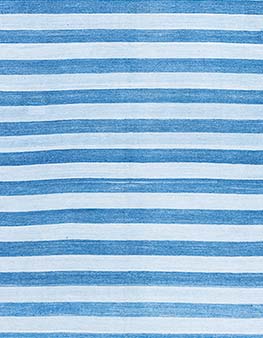
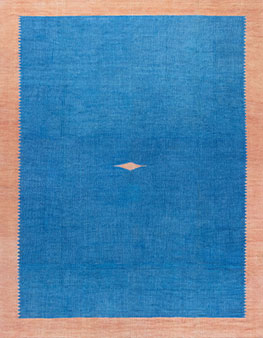
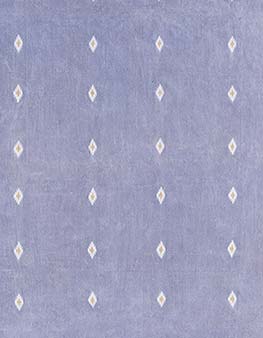
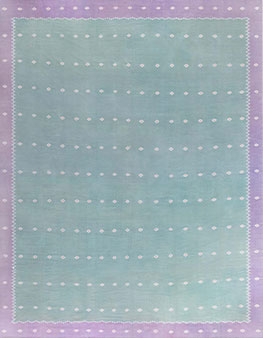
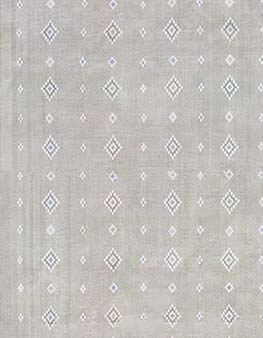
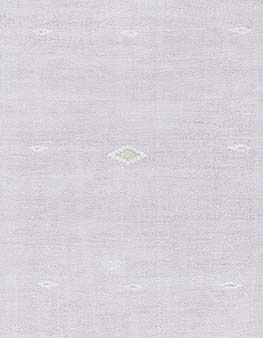
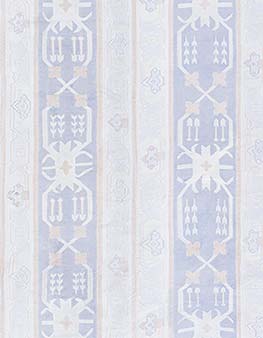
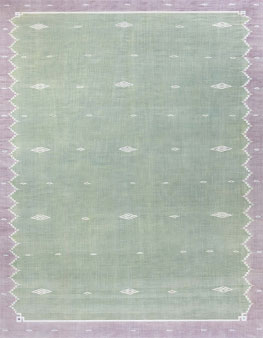
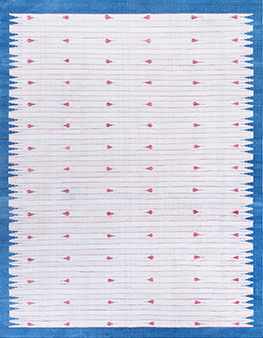
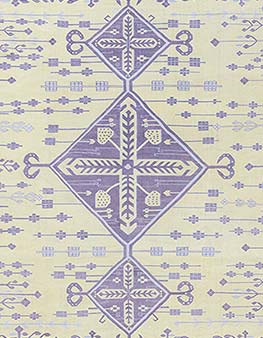
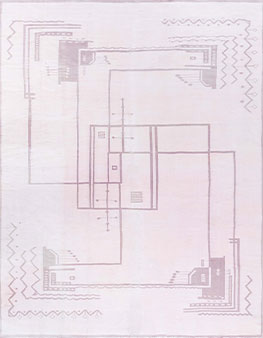
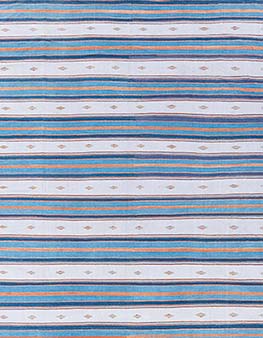
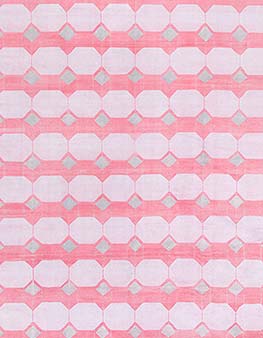
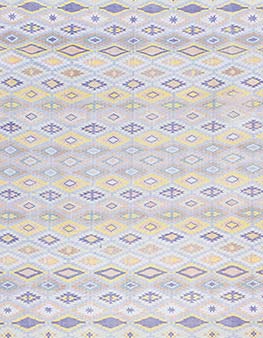
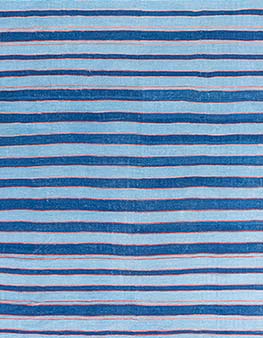
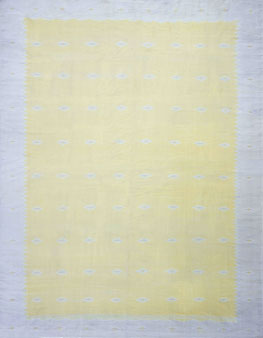
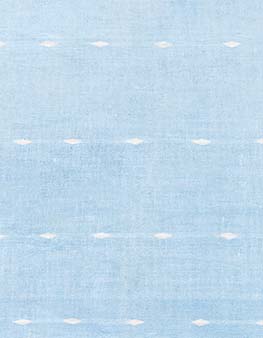
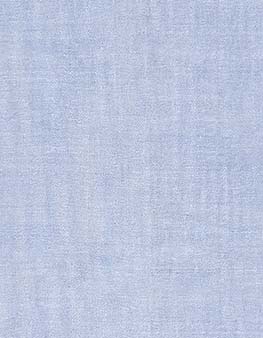
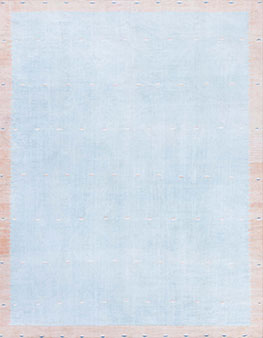
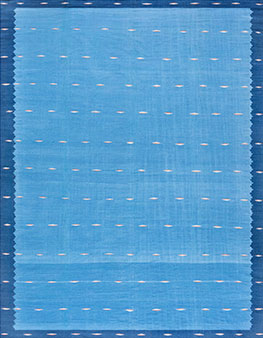
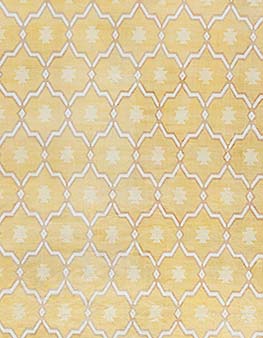
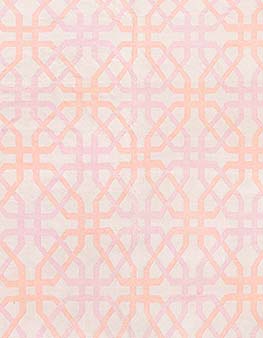
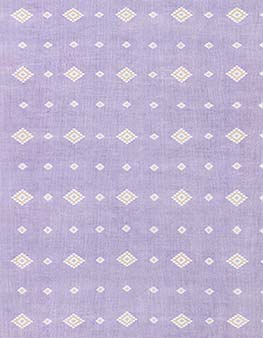
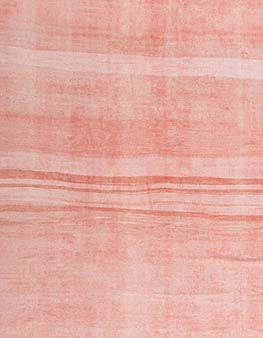
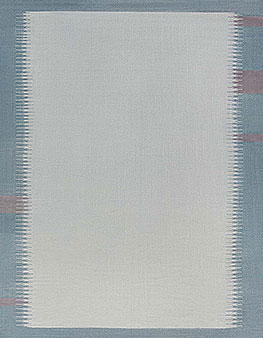
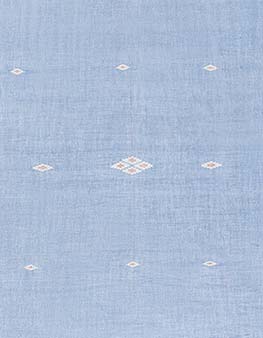
Cotton vintage rugs offer a lighter, more architectural alternative to heavier pile carpets, especially for interiors where pattern, scale, and surface texture matter. This Doris Leslie Blau category focuses on vintage and mid-century cotton flatweaves, including Indian dhurrie rugs in room-size, oversized, square, and runner formats. Their appeal lies in clarity: crisp geometry, quiet stripes, soft floral details, and palettes ranging from pale blue and slate gray to lavender, pink, cream, sand, and warm neutral tones. For designers and homeowners comparing luxury rugs, these pieces bring the character of vintage textiles into refined spaces without visual weight.
Vintage Cotton Flatweaves for Designed Interiors
Many cotton vintage rugs in this selection are flatwoven rather than hand-knotted pile rugs, giving them a low profile that works well under furniture, in layered rooms, and in spaces where doors, chairs, and circulation require a thinner construction. Indian dhurrie rugs are especially valued for their clean weave, graphic restraint, and ability to bridge traditional, modern, and mid-century interiors. Unlike antique rugs, which are typically 100+ years old, vintage rugs generally offer age, design character, and patina while remaining highly usable for contemporary rooms.
- Review exact dimensions before choosing room-size or oversized pieces.
- Compare flatweave structure with pile height and furniture clearance.
- Use pale cotton rugs to soften modern architecture and dark wood.
- Choose geometric dhurries for cleaner, more tailored room schemes.
- Consider condition, weave density, and edge finish for daily use.
A well-chosen vintage cotton rug can define a seating area, lengthen a gallery-like hallway, calm a bedroom, or introduce scale to a dining room without overwhelming the furniture plan. Cotton’s matte surface gives colors a softer appearance than silk and a cleaner, drier hand than many wool rugs. That makes these pieces useful in interiors that already include antique carpets, Persian rugs, Oriental rugs, linen upholstery, plaster walls, stone, metal, or collectible modern furniture.
How to Evaluate Cotton Vintage Rugs
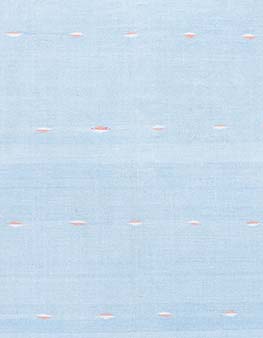
Serious buyers should look beyond color alone. The most important details include origin, period, weave, size, condition, pattern alignment, and how the rug’s palette responds to natural and artificial light. A pale blue dhurrie may read cool and coastal in one room, while a lavender or dusty pink flatweave can introduce warmth without becoming decorative in the wrong way. Large cotton rugs are particularly valuable because they allow a room to feel planned rather than assembled from smaller fragments. Visible pricing on product listings helps collectors, interior designers, and luxury homeowners compare options efficiently.
Doris Leslie Blau Selection and Custom Possibilities
Doris Leslie Blau has sourced exceptional rugs from estates, auctions, dealers, and private collections since 1965, and that experience is especially useful with vintage flatweaves whose quality depends on proportion, condition, and design discipline. This category is best for buyers seeking authentic cotton vintage rugs with decorative range rather than generic floor coverings. When an original vintage rug is not available in the required dimensions, a related custom made rug or made-to-order flatweave may be considered to support a specific room plan, color story, or architectural scale.