

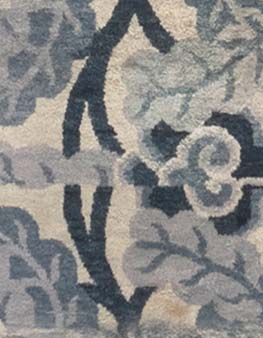
Vintage Chinese Art Deco Floral Light Gray Hand-Knotted Silk Runner (Fragment) BB6647
Size: 2'5" × 28'0" (73 × 853 cm)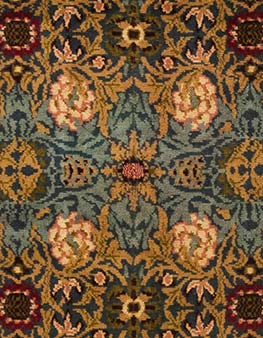
Vintage Arts & Crafts Floral Warm Tan Hand-Knotted Wool Runner William Morris Fragment BB6443
Size: 3'6" × 22'7" (106 × 688 cm)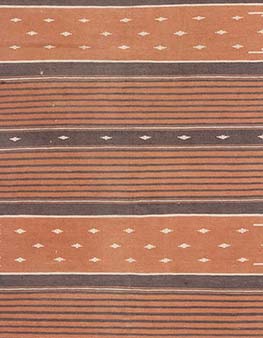
Oversized Mid-Century Indian Dhurrie Geometric Warm Tan Flatweave Cotton Runner BB6285
Size: 4'3" × 31'9" (129 × 967 cm)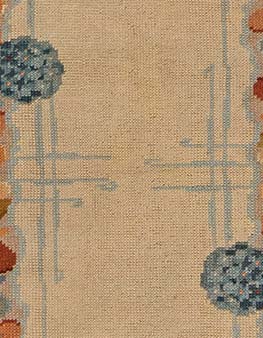
Vintage French Art Deco Floral Soft Beige Hand-Knotted Wool Runner BB6265
Size: 3'1" × 9'3" (93 × 281 cm)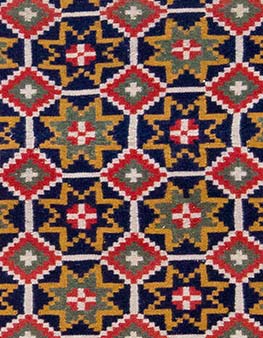
Swedish Vintage Geometric Tan Flatweave Wool Runner BB6250
Size: 2'8" × 15'10" (82 × 483 cm)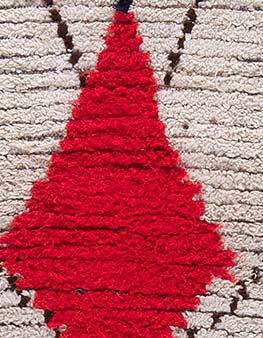
Moroccan Vintage Abstract Cream Hand-Knotted Wool Runner BB6206
Size: 3'4" × 10'0" (101 × 304 cm)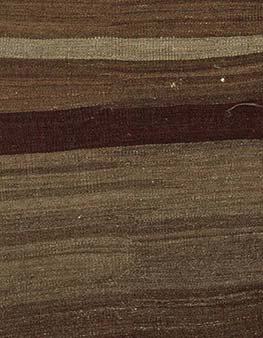
Turkish Vintage Abstract Warm Tan Hand-Knotted Wool Runner BB5766
Size: 3'0" × 9'4" (91 × 284 cm)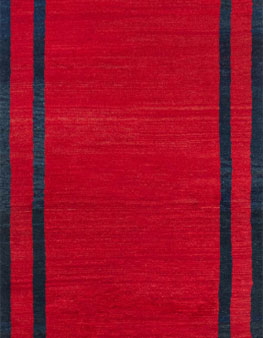
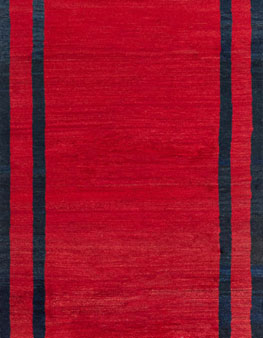
Vintage French Art Deco Geometric Crimson Hand-Knotted Wool Runner BB8463
Size: 4'6" × 17'6" (137 × 533 cm)
French Art Deco Vintage Geometric Crimson Hand-Knotted Wool Runner BB8462
Size: 4'6" × 17'1" (137 × 520 cm)
Runners FAQ
How do I choose the right runner length?
Measure the usable floor path first, including door swings, furniture clearances, and the amount of exposed flooring you want at each end. A runner should feel intentional within the architecture, not simply fill the entire corridor. Longer halls may need a single extended runner or carefully selected pieces with compatible scale and palette.
Are vintage runner rugs suitable for high-traffic hallways?
Many vintage runner rugs are suitable for hallways when the weave, material, and condition match the level of use. Hand-knotted wool runners are often chosen for durability, while flatter weaves can work well where doors or low clearances are concerns. Always evaluate pile stability, restoration, and placement before selecting a rug for heavy traffic.
Which styles are included in this runner collection?
The selection may include Persian, Swedish, Moroccan, Chinese, Indian Dhurrie, kilim, Art Deco, Arts and Crafts, geometric, striped, floral, and abstract runners. The category is especially useful for designers comparing narrow rugs by origin, material, weave, palette, length, and decorative character for hallways, stair areas, entries, and transitional spaces.
How are vintage runners different from antique runners?
Antique rugs are typically considered 100 years old or older, while vintage runners are generally younger but may still have strong design history, patina, and handmade construction. Both can be valuable for interiors. The best choice depends on desired age, rarity, condition, decorative style, and how the runner will be used in the room.
Can a runner rug be custom made?
Yes, custom made and made-to-order runners can be appropriate when a vintage or antique piece does not match the required width, length, palette, or construction. Custom options are particularly useful for staircases, unusually long corridors, and coordinated design projects where exact proportions are important. Availability depends on the design direction and project requirements.
What materials are best for luxury runners?
Wool is a common choice for luxury runner rugs because it offers resilience, texture, and a refined hand. Cotton flatweaves and Dhurries can provide a lower profile, while silk runners or silk fragments are generally more decorative and should be placed thoughtfully. Material choice should reflect traffic, maintenance expectations, and the desired visual effect.