

-
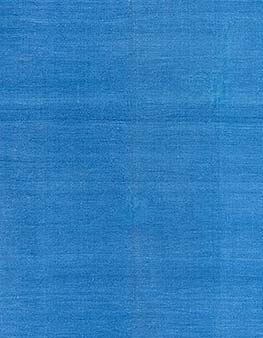
Vintage Indian Dhurrie Light Blue Flatweave Cotton Rug BB9138
Size: 12'1" × 16'1" (368 × 490 cm) -
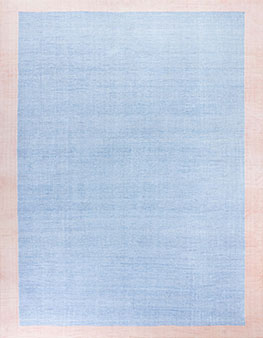
Indian Dhurrie Vintage Light Blue Flatweave Cotton Carpet BB9134
Size: 11'6" × 19'0" (350 × 579 cm) -
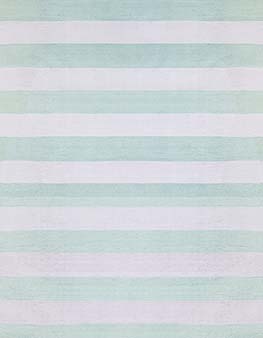
Mid-Century Indian Dhurrie Striped Light Beige Flatweave Cotton Rug BB8678
Size: 10'8" × 14'7" (325 × 444 cm) -

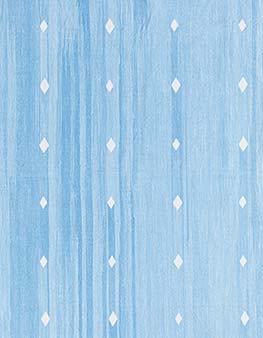
Mid-Century Indian Dhurrie Striped White And Light Blue Flatweave Cotton Rug BB8677
Size: 6'10" × 10'10" (208 × 330 cm) -
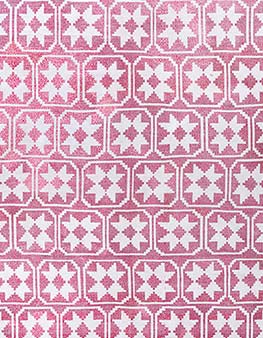
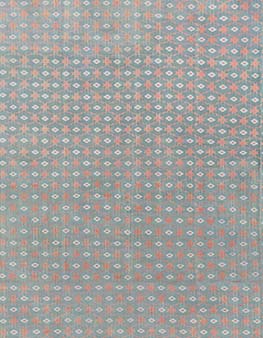
Vintage Indian Geometric Light Gray And Pink Flatweave Cotton Carpet Agra BB8391
Size: 9'1" × 12'5" (276 × 378 cm) -
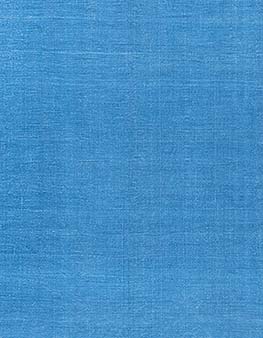
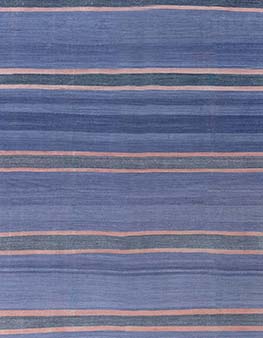
Serene Mid-Century Indian Dhurrie Light Blue With Navy Blue Flatweave Cotton Rug BB9136
Size: 11'10" × 16'0" (360 × 487 cm) -
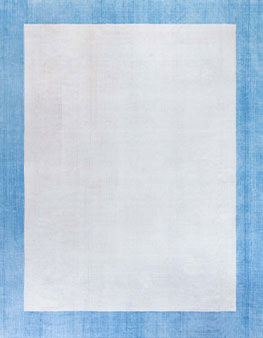
Vintage Indian Dhurrie Soft White With Light Blue Flatweave Cotton Rug BB9127
Size: 12'7" × 17'4" (383 × 528 cm) -
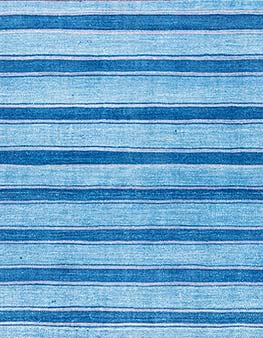
Striped Mid-Century Indian Dhurrie Flatweave Cotton Rug With White Stripes BB8676
Size: 8'1" × 8'10" (246 × 269 cm) -

Vintage Indian Geometric Light Gray Flatweave Cotton Rug BB8289
Size: 8'10" × 13'4" (269 × 406 cm) -
Vintage Indian Dhurrie Geometric Light Blue Flatweave Cotton Rug BB7933
Size: 11'6" × 14'0" (350 × 426 cm) -
Vintage Indian Dhurrie Striped Cream Beige Flatweave Cotton Rug BB7931
Size: 12'8" × 18'1" (386 × 551 cm) -
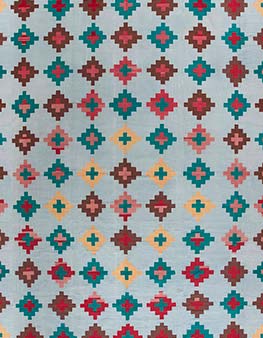
Vintage Indian Dhurrie Geometric Light Blue Flatweave Cotton Rug BB8668
Size: 12'1" × 18'0" (368 × 548 cm) -
Mid-Century Indian Dhurrie Geometric Green Flatweave Cotton Rug BB7985
Size: 6'2" × 9'3" (187 × 281 cm) -
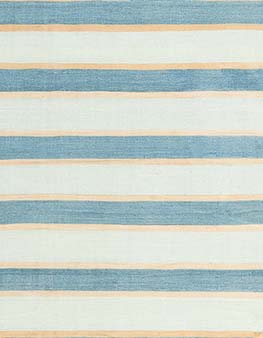
Vintage Indian Dhurrie Striped Light Beige With Light Blue Flatweave Cotton Rug BB7979
Size: 6'10" × 10'0" (208 × 304 cm) -
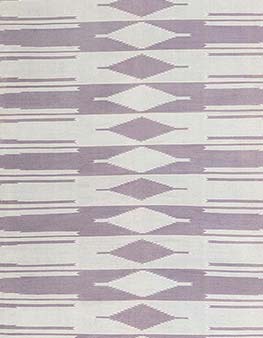
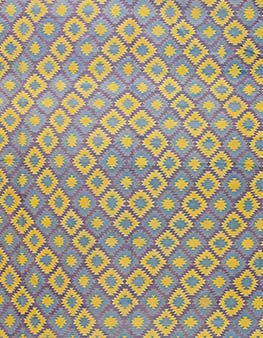
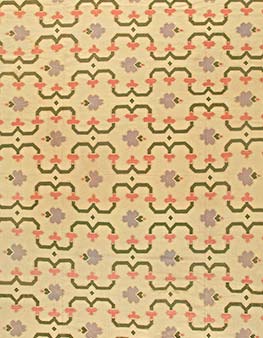
Mid-Century Indian Dhurrie Geometric Lavender With Light Gray Flatweave Cotton Carpet BB7977
Size: 8'5" × 10'0" (256 × 304 cm) -
Vintage Indian Dhurrie Striped Cream And Light Blue Flatweave Cotton Rug BB7963
Size: 10'8" × 12'3" (325 × 373 cm) @Workshop -
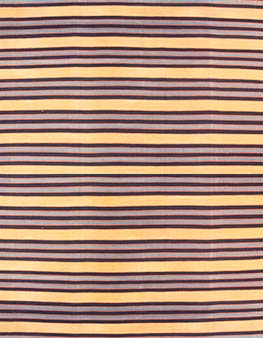
Indian Dhurrie Vintage Striped Lavender Flatweave Cotton Rug BB7929
Size: 13'4" × 15'0" (406 × 457 cm) -
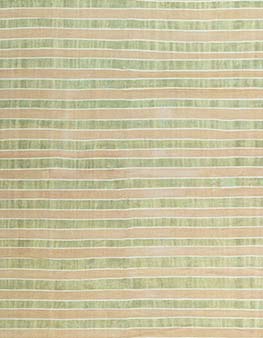
Mid-Century Indian Dhurrie Striped Sage With Warm Tan Flatweave Cotton Rug BB7927
Size: 13'1" × 21'4" (398 × 650 cm) -
Vintage Indian Dhurrie Geometric Light Gray Flatweave Cotton Rug BB7916
Size: 19'5" × 20'2" (591 × 614 cm) -
Indian Dhurrie Vintage Geometric Yellow Flatweave Cotton Rug BB6196
Size: 13'10" × 20'0" (421 × 609 cm) -
Oversized Indian Dhurrie Vintage Geometric Cream Beige Flatweave Cotton Rug BB6194
Size: 18'7" × 31'5" (566 × 957 cm) -
Opulent Indian Dhurrie Vintage Geometric Oversized Light Blue Flatweave Cotton Carpet BB6193
Size: 18'0" × 22'2" (548 × 675 cm) -
Mid-Century Indian Dhurrie Floral Oversized Soft Beige Flatweave Cotton Rug BB5815
Size: 15'9" × 21'9" (480 × 662 cm) -
Mid-Century Indian Dhurrie Geometric Light Blue With Navy Blue Flatweave Cotton Carpet BB9156
Size: 9'10" × 10'0" (299 × 304 cm) -
Mid-Century Indian Dhurrie Soft Beige Flatweave Cotton Carpet BB9145
Size: 8'7" × 17'9" (261 × 541 cm) -
Indian Dhurrie Vintage Light Blue Flatweave Cotton Rug Greek Key BB9126
Size: 16'9" × 21'0" (510 × 640 cm) -
Mid-Century Indian Dhurrie Striped Soft White Flatweave Cotton Rug BB7973
Size: 8'2" × 10'1" (248 × 307 cm) -
Mid-Century Indian Dhurrie Geometric Soft Beige Flatweave Cotton Rug BB7951
Size: 10'4" × 12'6" (314 × 381 cm) -
Vintage Indian Dhurrie Striped Blue Flatweave Cotton Rug BB7928
Size: 14'3" × 14'9" (434 × 449 cm) -
Vintage Indian Dhurrie Striped White Flatweave Cotton Rug BB7919
Size: 14'0" × 21'0" (426 × 640 cm) -
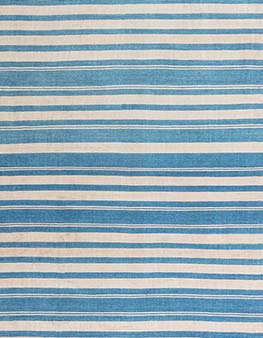
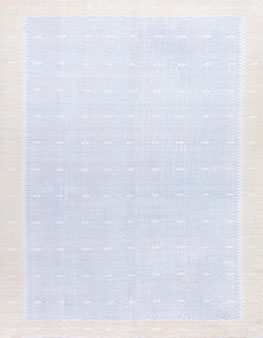
Vintage Indian Dhurrie Striped White And Light Blue Flatweave Cotton Rug BB8655
Size: 12'5" × 15'7" (378 × 474 cm) -
Indian Dhurrie Vintage Abstract Light Blue With Blue Flatweave Cotton Carpet BB7966
Size: 8'7" × 12'7" (261 × 383 cm)
Cotton Vintage Rugs FAQ
What makes a cotton vintage rug different from wool?
Cotton vintage rugs often have a lighter handle, flatter structure, and more matte surface than many wool pile rugs. They are frequently woven as dhurries or flatweaves, which makes them practical for layered interiors, furniture placement, and rooms where a lower rug profile is preferred.
Are vintage cotton dhurrie rugs suitable for dining rooms?
Vintage cotton dhurrie rugs can work well in dining rooms when the size, weave, and condition are appropriate. Their flat surface allows chairs to move more easily than on many high-pile rugs. Buyers should choose a rug large enough for chairs to remain on the rug when pulled back.
How should I choose the right vintage cotton rug size?
Start with the furniture plan, not only the room dimensions. Seating areas usually need a rug large enough to connect major pieces, while bedrooms and dining rooms require balanced margins. Oversized cotton vintage rugs are useful when a room needs one calm, continuous foundation rather than several smaller rugs.
Do cotton vintage rugs work in formal interiors?
Yes, especially when the design is restrained and the palette is carefully chosen. A vintage cotton flatweave can make a formal interior feel less heavy while still looking intentional. Geometric, striped, pale, or tonal dhurries often pair well with antiques, modern furniture, art, and tailored upholstery.
Can vintage cotton rugs be used with antique furniture?
Vintage cotton rugs can be an effective counterpoint to antique furniture because their flatwoven texture and cleaner patterns prevent the room from becoming visually dense. Soft neutrals, blues, and muted geometric designs can frame antique wood, gilt, or upholstered pieces without competing with them.
Are custom cotton rugs available if sizing is limited?
If an original vintage cotton rug does not meet a project’s scale or color needs, a custom made or made-to-order rug may be appropriate. Custom work is especially useful for large rooms, unusual proportions, or design schemes that require a precise border, ground color, or geometric pattern.
What should buyers inspect in a vintage cotton flatweave?
Important details include overall condition, edge stability, weave consistency, color balance, repairs, and whether the rug lies properly. Buyers should also consider how the flatweave will function in the intended room, including furniture clearance, traffic level, and compatibility with surrounding rugs or textiles.