



Moroccan Rugs
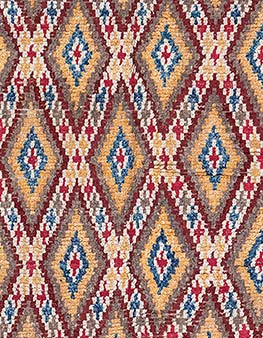
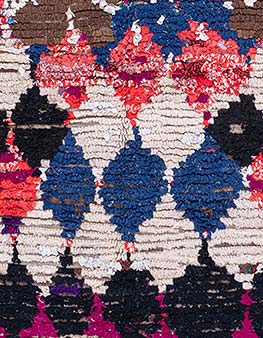
Moroccan rugs bring disciplined geometry, tactile pile, and expressive tribal pattern into luxury interiors without relying on formal symmetry. This Doris Leslie Blau collection focuses on vintage Moroccan rugs, Berber carpets, Beni Ourain styles, Tuareg reed and leather rugs, and mid-century hand-knotted wool pieces chosen for design quality, condition, scale, and decorative usefulness. Many examples favor ivory, cream, warm tan, gray, brown, dusty rose, or brick red palettes, making them effective in both restrained architectural rooms and richly layered interiors.
Vintage Moroccan Craft, Materials, and Regional Character
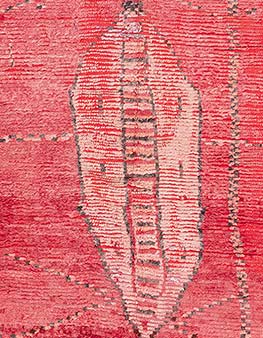
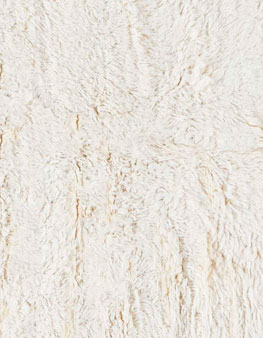
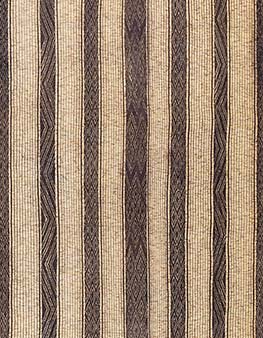
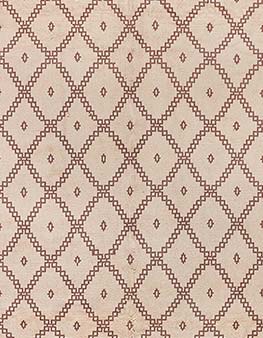
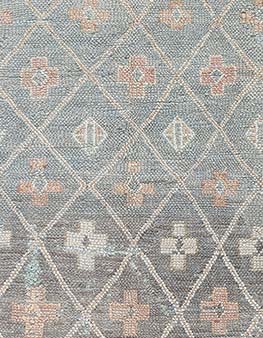
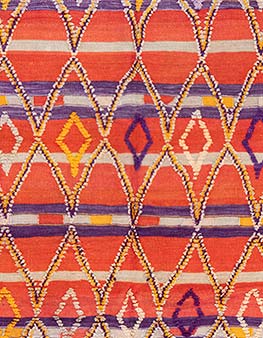
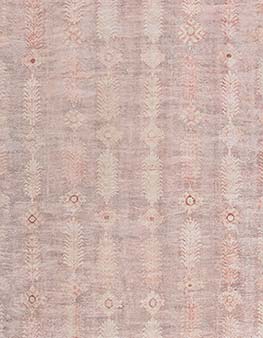
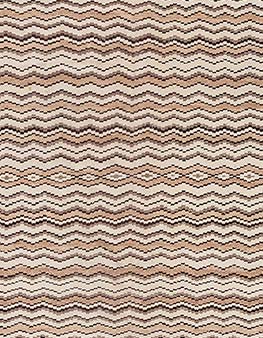
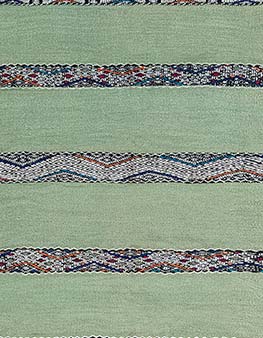
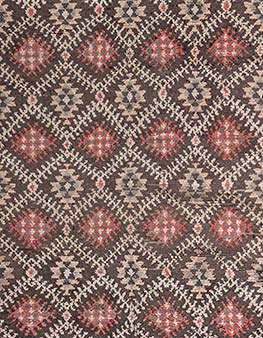
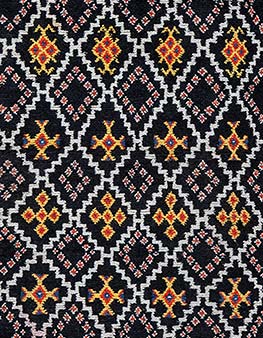
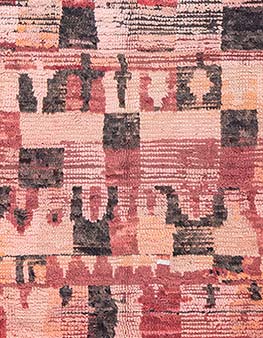
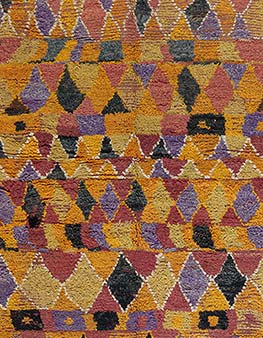
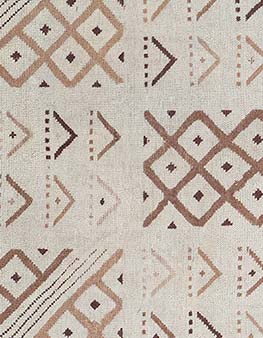
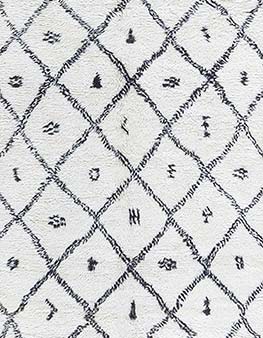
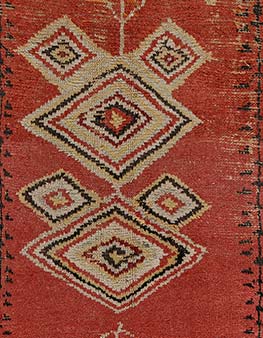
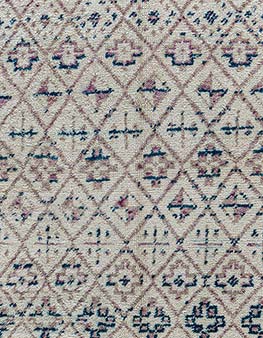
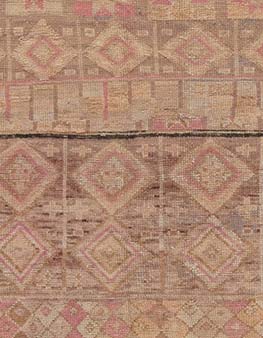
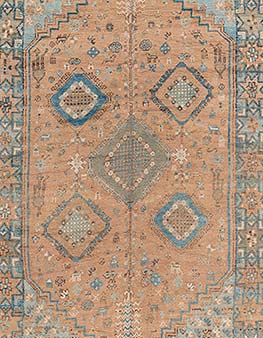
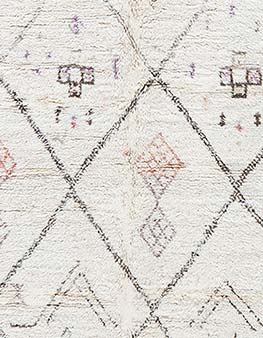
The appeal of vintage Moroccan rugs begins with their handmade irregularity. Hand-knotted wool rugs from Moroccan and Berber traditions often show asymmetrical diamonds, broken grids, stripes, abstract symbols, and open fields that read well beside contemporary furniture, antique objects, and natural materials. Beni Ourain rugs are especially valued for plush wool, pale grounds, and dark linear motifs, while other tribal Moroccan carpets may be flatter, denser, more colorful, or more graphic depending on origin and use.
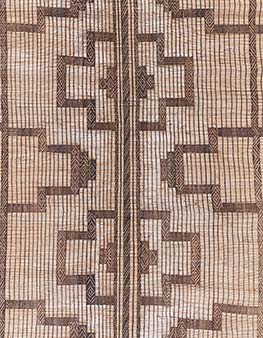
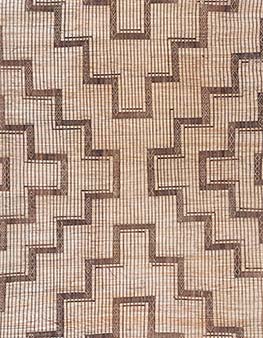
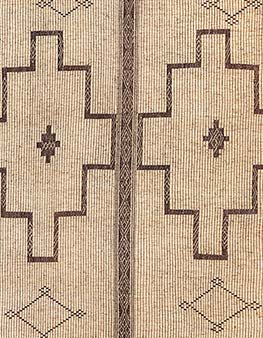
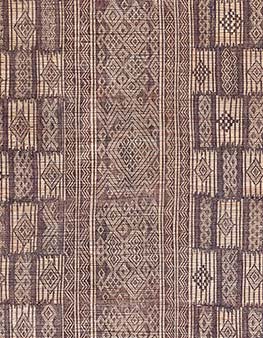
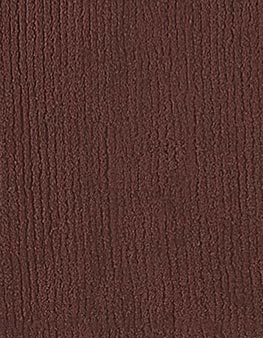
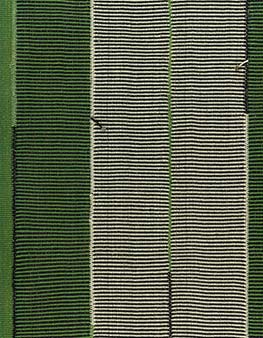
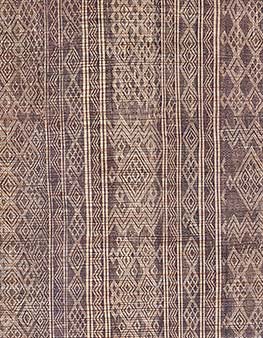
Tuareg rugs add another dimension to the category. Often associated with Saharan weaving traditions, these pieces may combine reed and leather with geometric layouts that feel architectural rather than plush. Their surface, structure, and desert-toned coloration make them compelling in libraries, galleries, lofts, and rooms where a conventional wool pile rug may feel too soft. Across the category, Doris Leslie Blau evaluates age, weave, material, surface, repairs, and decorative balance before presenting rugs to interior designers, collectors, and private clients.
Choosing a Moroccan Rug for a Luxury Interior
A Moroccan rug should be selected with the room’s architecture and furniture plan in mind. A long, narrow hand-knotted wool rug can define a corridor, library, or bedside placement, while an oversized Moroccan carpet can soften a large seating area without imposing a formal medallion. Subtle ivory and beige rugs work well with stone, plaster, oak, walnut, linen, and leather; stronger tribal or abstract designs can introduce rhythm under clean-lined modern seating.
- Review the exact dimensions against the furniture layout, not only the room size.
- Compare pile height, weave, and material for comfort and intended foot traffic.
- Look at palette in relation to upholstery, wall color, wood tone, and natural light.
- Consider whether a Beni Ourain, Berber, Tuareg, striped, or abstract design best suits the room.
- Use visible pricing and product details to compare rarity, scale, condition, and decorative impact.
Doris Leslie Blau Moroccan Rugs
Doris Leslie Blau has sourced antique, vintage, and rare decorative rugs from estates, auctions, dealers, and private collections since 1965. That experience matters when buying Moroccan area rugs, because similar-looking pieces can differ significantly in wool quality, weave, age, scale, finish, and overall presence. A strong Moroccan rug is not simply a neutral texture; it is a design object that must hold its own within a considered interior.
For projects requiring a related look in a specific size, palette, or construction, custom made and made-to-order options may also be relevant, particularly when a vintage piece cannot meet exact architectural dimensions. Clients interested in a newer interpretation can also view the Modern Moroccan Rugs collection. Whether the goal is a quiet ivory wool rug, a large geometric carpet, or a distinctive Tuareg statement piece, the collection supports serious comparison for high-end residential, hospitality, and collector interiors.