

Antique Rugs & Oriental Carpets
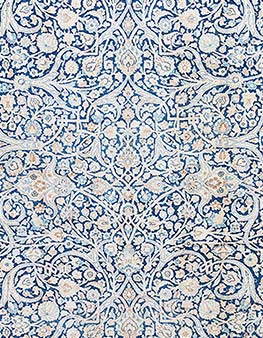
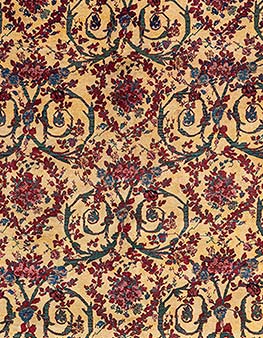
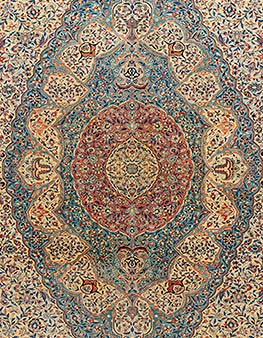
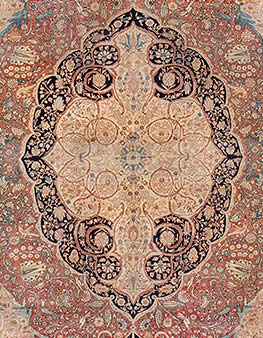
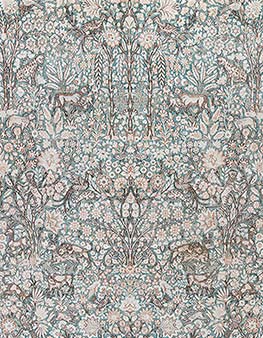
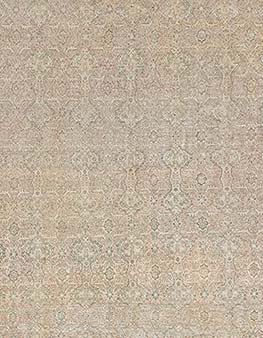
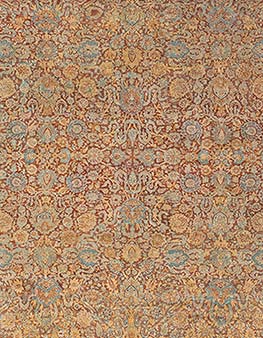
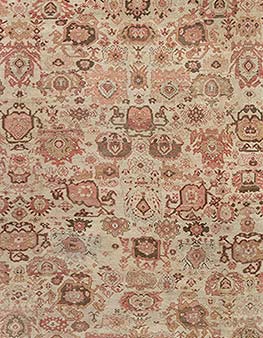
Antique rugs carry value through age, artistry, condition and design relevance. The most compelling examples are not simply old; they have recognizable origin, skilled handwork, balanced drawing, resilient materials and a surface that still belongs in a refined interior. This Doris Leslie Blau collection brings together antique Oriental carpets, Persian rugs, Turkish Oushaks, Indian Agra carpets, European decorative rugs, Caucasian weavings, runners and oversized carpets selected for designers, collectors and luxury homeowners comparing serious pieces for real rooms.
Persian, Turkish, Indian and European weaving traditions
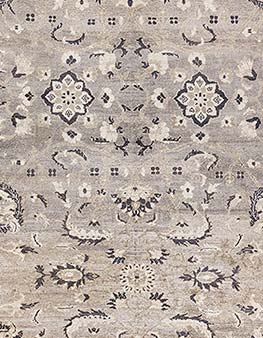
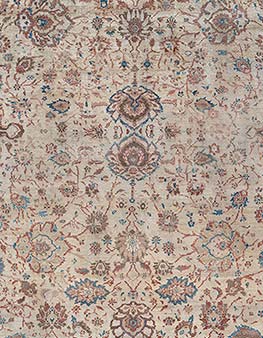
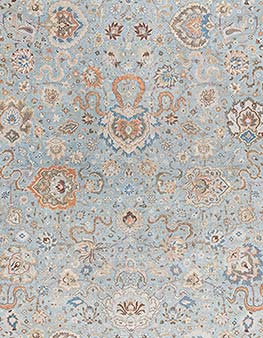
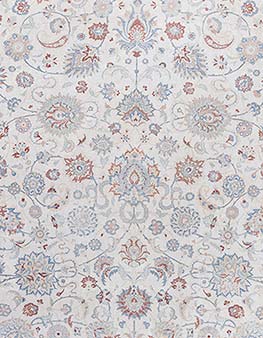
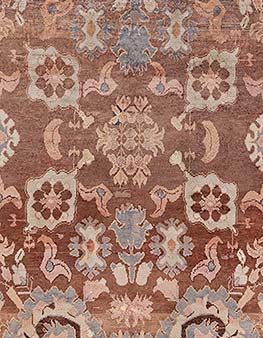
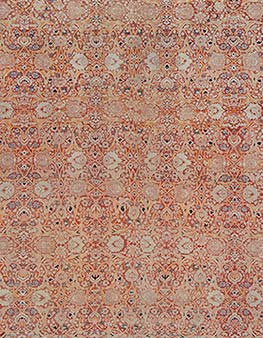
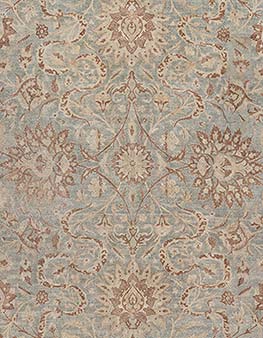
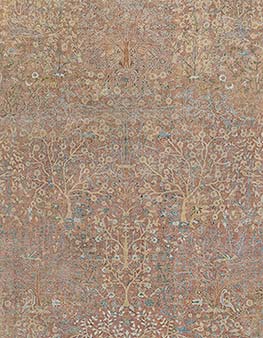
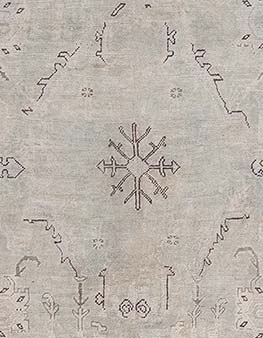
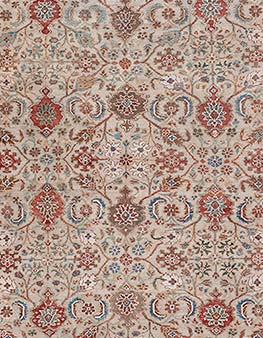
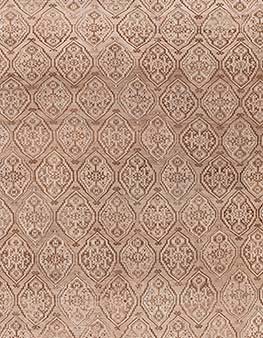
Many buyers begin with origin because each weaving center has its own visual language. Tabriz carpets are often admired for architectural borders, medallion structures and fine draftsmanship, while Kashan, Kirman and Meshad rugs may offer graceful florals, elegant color and workshop refinement. Sultanabad rugs remain especially useful in luxury interiors because their broader motifs and softer spacing can work with traditional architecture, transitional schemes and contemporary furniture. Turkish Oushak carpets bring a more open feeling, with generous patterns, muted color and a relaxed decorative scale.
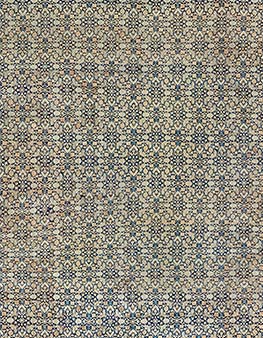
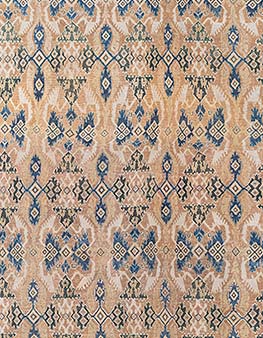
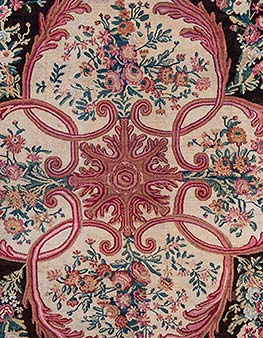
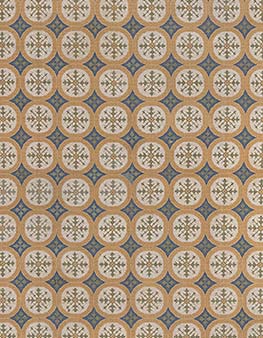
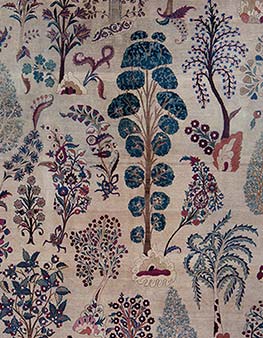
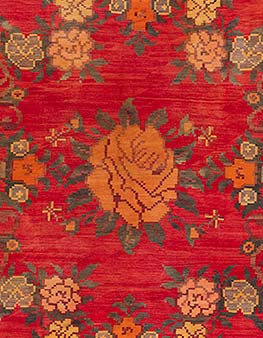
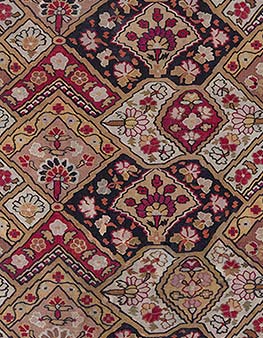
Indian Agra and Amritsar carpets can provide breadth, depth and scale for dining rooms, libraries, galleries and large seating plans. European antique carpets add another vocabulary: Aubusson and Savonnerie rugs suit classical rooms and formal architecture, while English needlework, Axminster and Bessarabian flatweaves introduce tapestry-like texture, graphic restraint or decorative warmth. Caucasian antique rugs and tribal weavings often serve as stronger accents where geometry, color and smaller scale can animate entries, studies, bedrooms and layered interiors.
How to evaluate an antique rug before purchase
In the rug market, antique rugs are typically considered around 100 years old or older, though important early twentieth-century decorative carpets are often evaluated in the same design conversation. Age alone does not determine quality. A strong antique carpet should be considered by knotting or weave type, foundation, wool or silk content, dye character, pile height, edge stability, end finishes, restoration, patina and overall scale. Attractive wear can give a rug depth; structural weakness or heavy repair should be weighed against the room’s traffic and intended use.
- Choose oversized antique rugs for large dining rooms, galleries and expansive seating groups.
- Use antique runners for corridors, stair halls, entries and long architectural transitions.
- Compare allover designs and medallion carpets according to furniture placement and sightlines.
- Review wool rugs and silk rugs for texture, sheen, durability and degree of formality.
- Match palette to upholstery, art, natural light, wood tone and architectural finish.
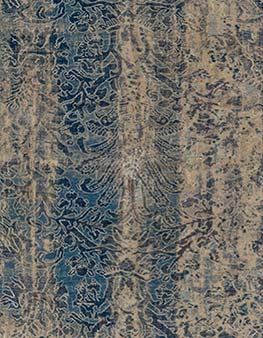
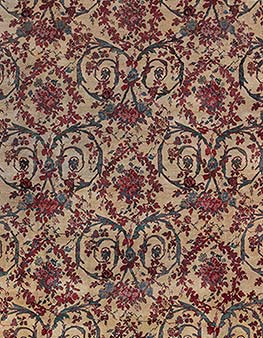
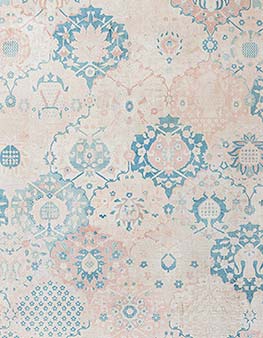
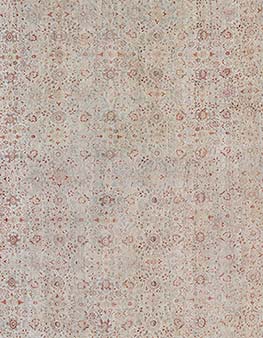
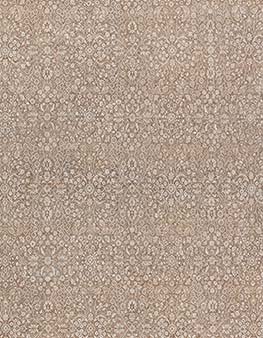
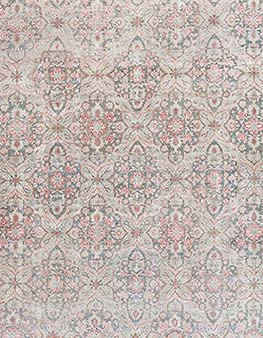
Color and pattern decide whether an antique Oriental carpet feels integrated rather than merely impressive. Indigo, madder red, walnut, saffron and burnished gold can create richness and formality; faded blue, ivory, pale sand, celadon and warm taupe often feel calmer and more architectural. A formal Tabriz may anchor a dining room, a spacious Sultanabad can soften a contemporary living area, and a geometric Caucasian rug can add rhythm to a library or apartment. The right rug relates to proportion, circulation and furnishings, not square footage alone.
Curated antique rugs for designers and collectors
Doris Leslie Blau has sourced rugs directly from estates, auctions, dealers and private collections since 1965, with attention to both connoisseurship and interior-design performance. Buyers can refine the category by size, construction, material, origin and pattern, including oversized antique rugs, antique runners, hand-knotted antique rugs and wool antique rugs. When a project requires an exact size, palette or construction related to a historic look, custom made and made-to-order rugs may also be considered as complementary design solutions, not substitutes for true antique pieces.