

-
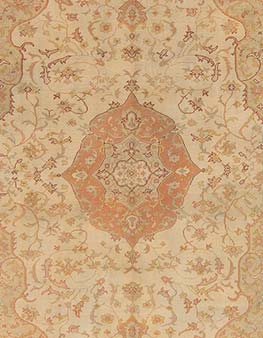
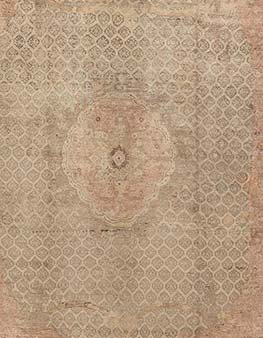
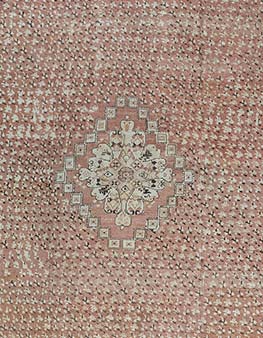
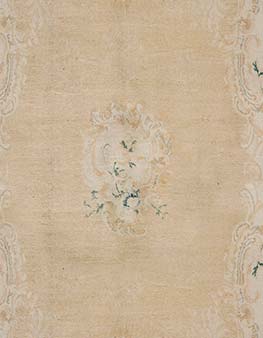
Antique Oushak Turkish Medallion Floral Cream Beige Hand-Knotted Wool Carpet – Circa 1920 BB4359
Size: 9'5" × 13'3" (287 × 403 cm) -
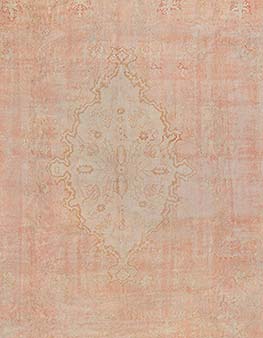
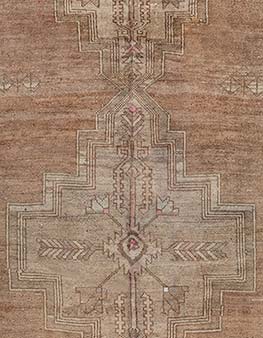
Antique Oushak Turkish Floral Medallion Warm Tan Hand-Knotted Wool Carpet – Circa 1880 BB3913
Size: 16'5" × 21'2" (500 × 645 cm) -
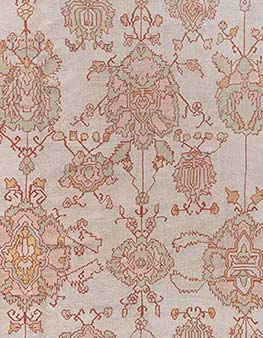
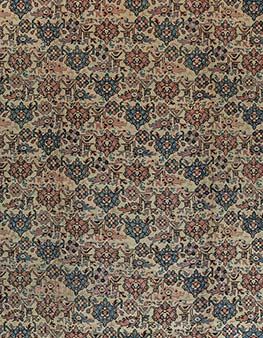
Exquisite Antique Oushak Turkish Floral Allover Soft Beige Hand-Knotted Wool Rug – Circa 1900 BB3901
Size: 11'0" × 14'3" (335 × 434 cm) -
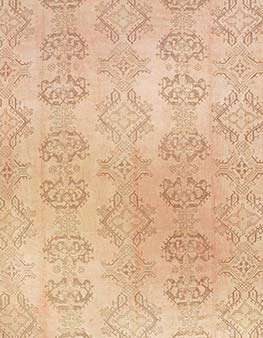
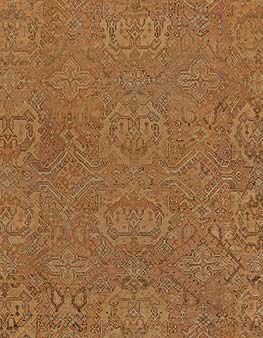
Oushak Turkish Antique Allover Geometric Warm Tan With Light Beige Hand-Knotted Wool Carpet – Circa 1900 BB3313
Size: 15'9" × 18'2" (480 × 553 cm) -
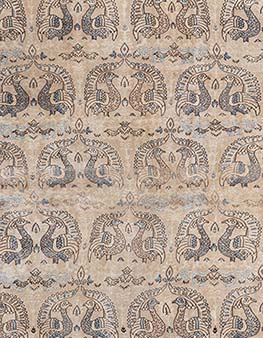
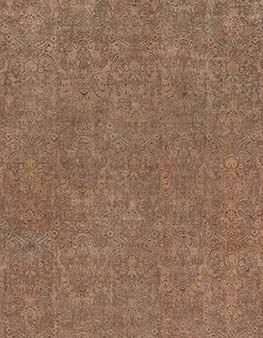
Antique Turkish Floral Allover Warm Tan Hand-Knotted Wool Rug – Circa 1920 BB3294
Size: 8'2" × 12'8" (248 × 386 cm) -
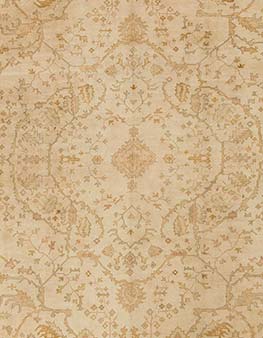
Antique Oushak Turkish Medallion Floral Light Beige Hand-Knotted Wool Rug – Circa 1900 BB2969
Size: 11'0" × 14'2" (335 × 431 cm) -
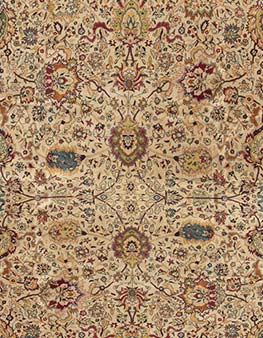
Antique Turkish Floral Allover Light Beige Hand-Knotted Wool Rug – Circa 1930 BB1683
Size: 13'0" × 14'1" (396 × 429 cm) -
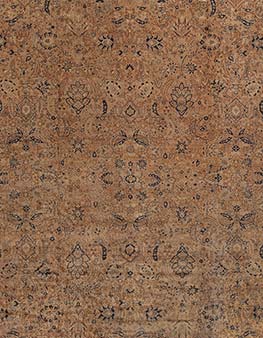
Antique Turkish Allover Floral Rug In Warm Tan Hand-Knotted Wool – Circa 1900 BB1436
Size: 13'9" × 20'4" (419 × 619 cm) -

Antique Oushak Turkish Allover Geometric Warm Tan Hand-Knotted Wool Rug – Circa 1900 BB1296
Size: 12'6" × 14'7" (381 × 444 cm) -
Antique Turkish Floral Allover Soft Beige Hand-Knotted Wool Rug – Circa 1900 BB0431
Size: 14'0" × 19'4" (426 × 589 cm) -
Turkish Antique Medallion Cream Beige Hand-Knotted Wool Rug – Circa 1900 BB0227
Size: 10'8" × 16'2" (325 × 492 cm) -
Antique Oushak Turkish Allover Floral Warm Tan Hand-Knotted Wool Carpet – Circa 1900 BB7414
Size: 10'8" × 13'7" (325 × 414 cm) -
Antique Oushak Turkish Floral Allover Light Beige Hand-Knotted Wool Rug – Circa 1900 BB7394
Size: 13'10" × 23'0" (421 × 701 cm) -
Antique Turkish Medallion Cream Beige Hand-Knotted Wool Rug – Circa 1880 BB7384
Size: 12'9" × 17'8" (388 × 538 cm) -
Antique Oushak Turkish Medallion Geometric Warm Tan Hand-Knotted Wool Carpet – Circa 1935 BB6932
Size: 6'9" × 12'0" (205 × 365 cm) -
Antique Oushak Turkish Floral Allover Soft Beige Hand-Knotted Wool Rug – Circa 1920 BB6615
Size: 10'8" × 15'8" (325 × 477 cm) -
Turkish Antique Allover Ivory Hand-Knotted Silk Rug – Circa 1920 BB5477
Size: 6'0" × 8'0" (182 × 243 cm) -
Antique Oushak Allover Floral Yellow Hand-Knotted Runner – Circa 1900 (Size Adjusted) BB9211
Size: 3'7" × 14'8" (109 × 447 cm) -
Turkish Antique Allover Warm Tan Hand-Knotted Wool Rug – Circa 1880 BB8958
Size: 4'7" × 4'10" (139 × 147 cm) -
Oushak Turkish Antique Floral Medallion Soft Beige Hand-Knotted Wool Rug – Circa 1920 Paisley Design BB8939
Size: 4'0" × 6'3" (121 × 190 cm) -
Antique Oushak Turkish Allover Geometric Warm Tan With Classic Taupe Hand-Knotted Wool Runner – Circa 1900 BB8934
Size: 2'5" × 23'5" (73 × 713 cm) -
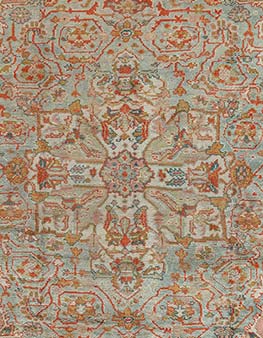
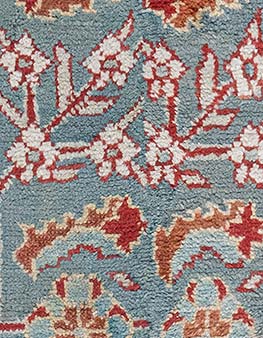
Antique Oushak Turkish Floral Allover Blue Hand-Knotted Wool Runner – Circa 1930 (Fragment) BB8287
Size: 2'2" × 8'5" (66 × 256 cm) -
Oushak Turkish Antique Floral Allover Ivory Hand-Knotted Wool Runner – Circa 1930 (Fragment) BB8164
Size: 2'2" × 11'6" (66 × 350 cm) -
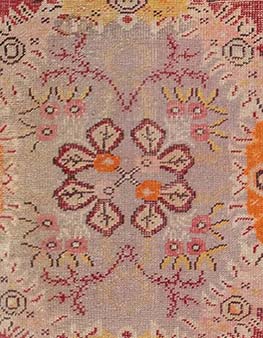
Antique Turkish Medallion Light Gray Hand-Knotted Wool Runner – Circa 1930 BB7812
Size: 3'4" × 12'10" (101 × 391 cm) -
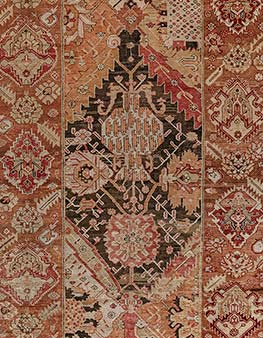
Antique Oushak Turkish Allover Floral Geometric Light Beige Hand-Knotted Wool Runner – Circa 1900 BB7506
Size: 7'10" × 18'10" (238 × 574 cm) -
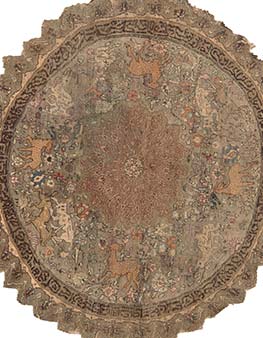
Antique Turkish Allover Cream Beige Silk Rug – Circa 1880 & Metal Thread BB6632
Size: 4'8" × 5'0" (142 × 152 cm)
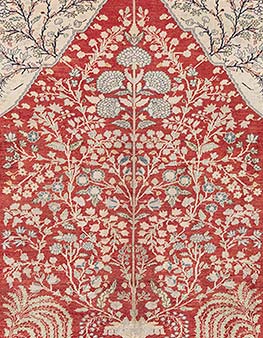
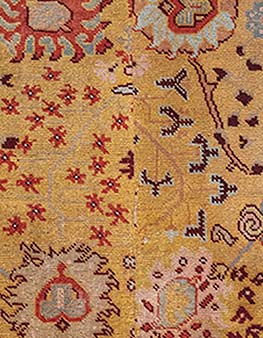

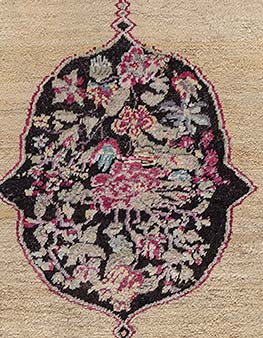

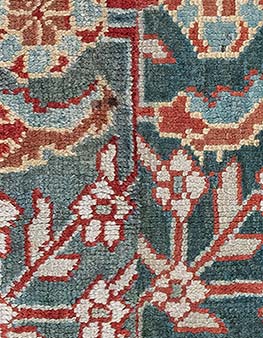
Turkish Rugs FAQ
What makes antique Turkish rugs different from Persian rugs?
Antique Turkish rugs are rooted in Anatolian weaving traditions and are often associated with the symmetrical Ghiordes knot, distinctive regional palettes and spacious decorative drawing. Persian rugs can be finer or more intricate in some weaving centers, but Turkish carpets, especially Oushak, Sivas and Hereke pieces, are prized for scale, softness, architectural pattern and interior design versatility.
Are Oushak rugs a type of Turkish rug?
Yes. Oushak rugs are among the best-known Turkish rugs and originated in western Anatolia. Antique Oushak carpets are valued for large-scale floral or medallion patterns, luminous wool, open compositions and softened colors such as tan, ivory, gold, terracotta, blue and taupe. Their decorative flexibility makes them especially popular with interior designers.
How old is an antique Turkish rug?
In the rug market, antique rugs are typically considered 100 years old or older. Turkish rugs from the early 20th century may qualify as antique depending on their date, while later examples may be called vintage or semi-antique. Buyers should review the circa date, condition, weave, materials and restoration notes for each individual rug.
Which Turkish rugs work best in large rooms?
Oversized Oushak and large room-size Turkish carpets are often excellent for living rooms, dining rooms, libraries and principal bedrooms. Their open designs and soft palettes can support substantial furniture layouts without feeling visually crowded. For formal spaces, medallion Turkish rugs provide structure; for flexible seating plans, allover patterns are often easier to place.
What should I check before buying a Turkish rug?
Review the rug’s origin, age, dimensions, materials, knotting or flatweave construction, pile condition, color balance, restoration and suitability for the intended room. For antique Turkish rugs, patina and age-related character can be desirable, but the carpet should still meet the practical needs of the space, especially in high-use areas.