


Antique Turkish Rugs for Luxury Interiors
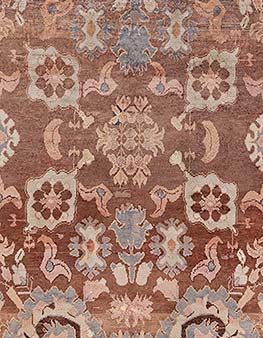
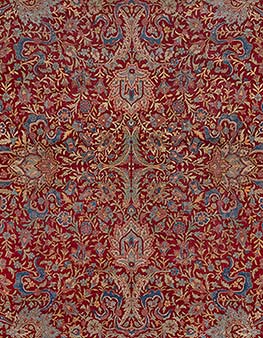
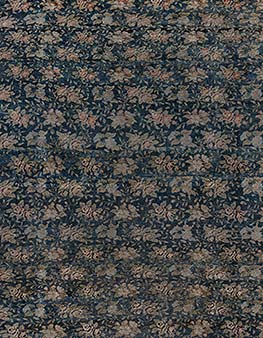
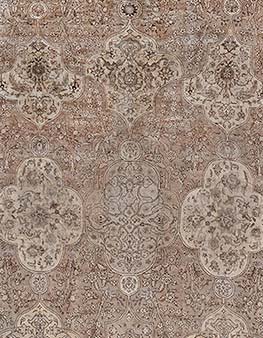
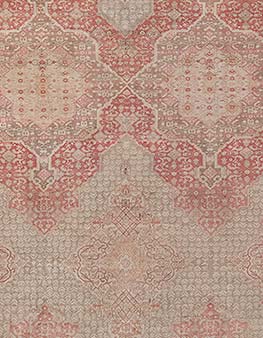
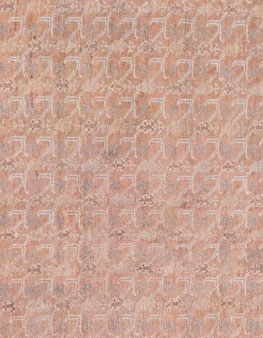
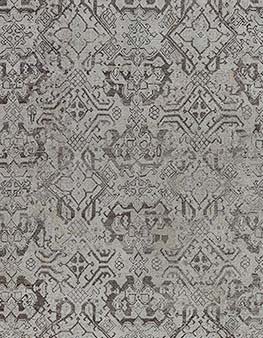
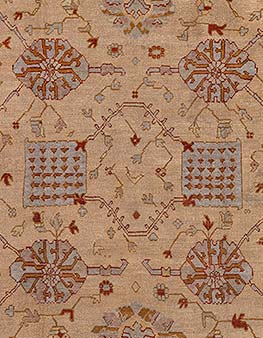
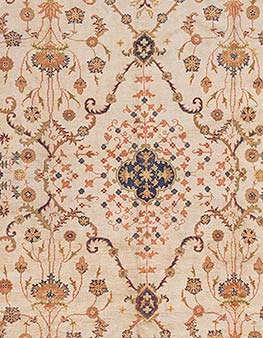
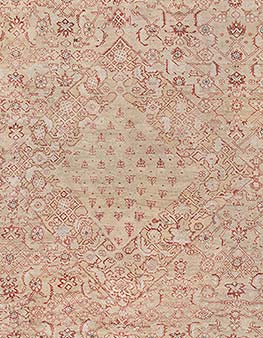
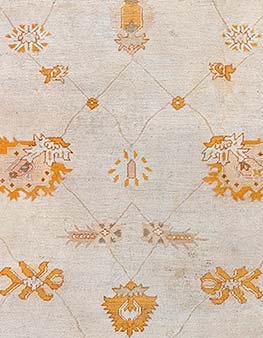
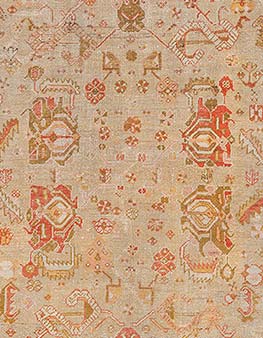
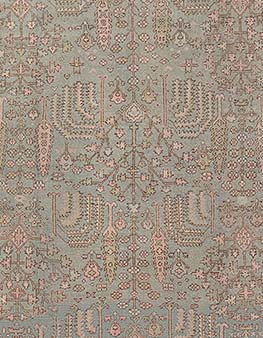
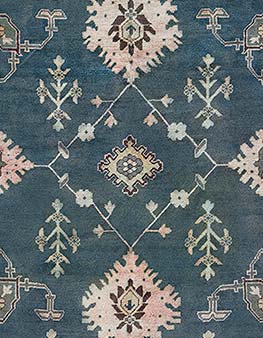
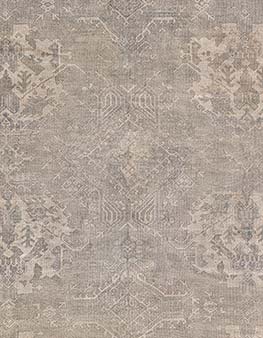
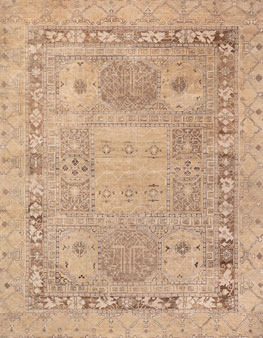
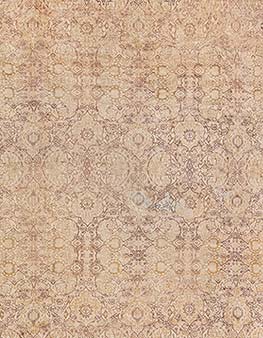
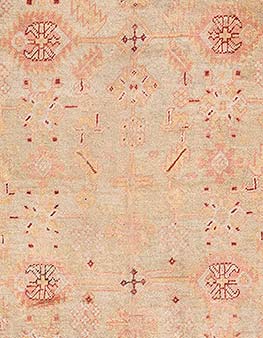
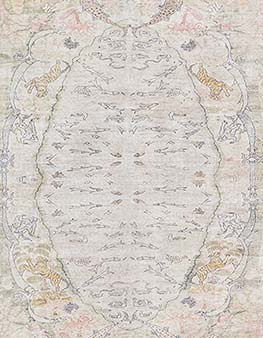
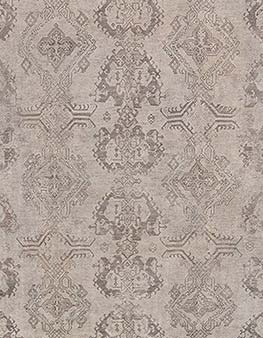
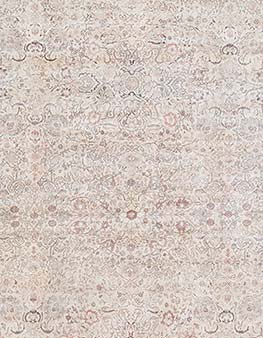
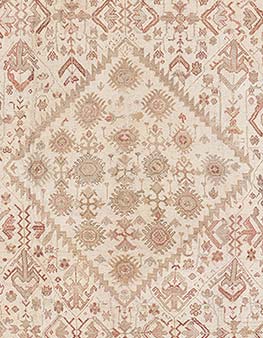
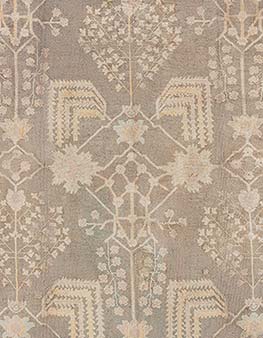
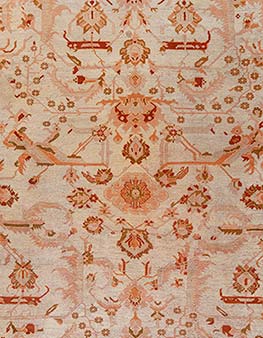
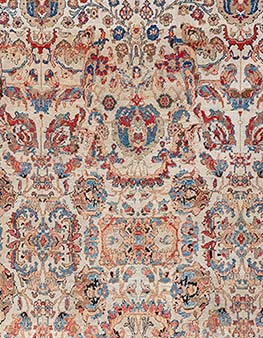
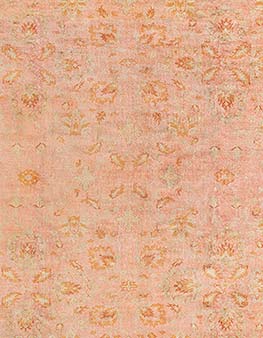
Antique Turkish rugs occupy a distinctive place within Oriental carpets: they are grounded in Anatolian weaving traditions yet remarkably adaptable to contemporary luxury interiors. The Doris Leslie Blau collection emphasizes hand-knotted Turkish carpets with the scale, palette and surface character that designers look for in important rooms. Expect Oushak rugs with broad floral drawing, Sivas carpets with refined patterning, Hereke rugs associated with finer workshop weaving, and regional pieces whose appeal comes from proportion, color, texture and age rather than trend.
What Defines a Fine Turkish Carpet
Turkish rugs are often recognized by the symmetrical Ghiordes knot, a structure historically associated with Anatolian weaving. Materials vary by region and period, but wool is especially valued for its resilient pile, soft handle and ability to hold nuanced color. Silk Turkish rugs can offer a more luminous surface and finer detail. Antique rugs are typically 100+ years old, while early and mid-20th-century Turkish pieces may be described as vintage or semi-antique depending on age, condition and market context. For serious buyers, the most useful details are not slogans but evidence: origin, construction, circa date, foundation, pile, wear, restoration, palette and room-ready scale.
- Review the circa date, region and construction before comparing price.
- Match scale to the room, including seating plans and border visibility.
- Look for palettes that complement stone, wood, upholstery and art.
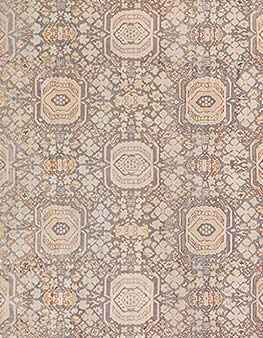
- Consider allover designs for flexible furniture placement.
- Use runners and oversized carpets to solve architectural proportions.
Oushak, Sivas, Hereke and Other Anatolian Styles
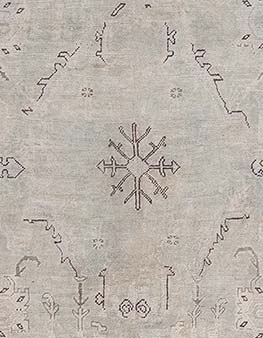
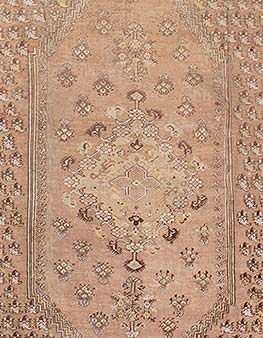
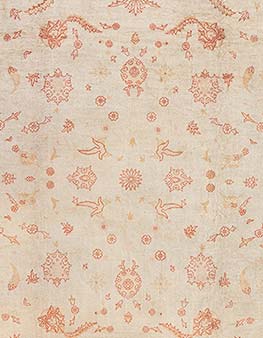
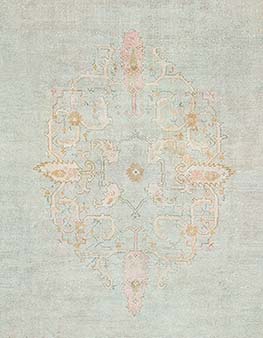
Oushak Rugs are especially important for high-end interiors because their spacious compositions, large-scale motifs and mellow tones work beautifully with antiques, modern furniture and layered art collections. Sivas Rugs may appeal to buyers seeking more precise drawing and elegant decorative balance. Hereke Rugs are often associated with finely worked workshop carpets, including wool and silk examples. The category also includes regional Turkish traditions such as Ghiordes Rugs, Borlou Rugs, Kayseri Rugs and Tulu Rugs, giving collectors and decorators a broad range of pile, pattern and personality.
Choosing Antique Turkish Area Rugs for a Project
A strong Turkish rug should serve the room before it serves a label. In a living room, an oversized Oushak can create a calm architectural field under upholstery, while a medallion Turkish carpet can give a formal room a clear center. In bedrooms, pale sand, taupe, light blue and warm tan palettes soften the space without flattening it. Hallways and galleries often benefit from Turkish runners with controlled wear, durable wool pile and patterning that reads well from a distance. Designers also value antique Turkish area rugs because their patina can make newly decorated rooms feel collected rather than newly assembled.
Doris Leslie Blau has sourced rugs from estates, auctions, dealers and private collections since 1965, and that history matters when selecting Turkish carpets for important interiors. Each piece is evaluated for design strength, age, condition, rarity, decorative usefulness and compatibility with luxury residential or hospitality spaces. Product listings provide visible pricing and dimensions, allowing buyers to compare antique Turkish rugs by budget, scale and aesthetic direction. When an antique piece inspires a project but the room requires a different size or palette, custom made rugs and made-to-order interpretations may be considered as a complementary solution rather than a substitute for antique provenance.