

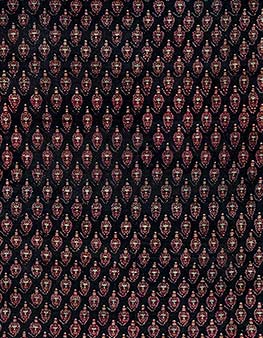
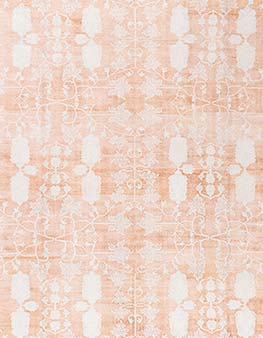

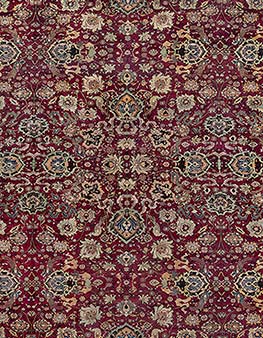
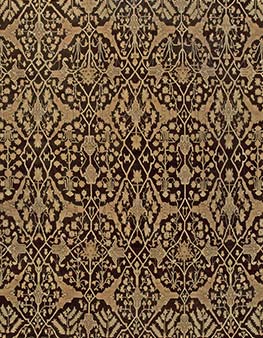
Antique Agra Rugs
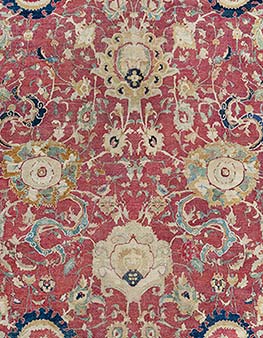
Antique Agra rugs occupy a distinctive place among Indian Oriental carpets: refined enough for formal interiors, yet often softer and more decorative than many courtly Persian rugs. Woven in and around Agra, a major Mughal cultural center, these carpets frequently translate Persian garden, palmette, vine scroll, and medallion traditions through an Indian sensibility for scale, color, and architectural balance. For designers and collectors, an Agra rug can bring historic character to a living room, library, dining room, gallery, or primary bedroom without overwhelming the furnishings around it.
What Defines an Agra Indian Carpet
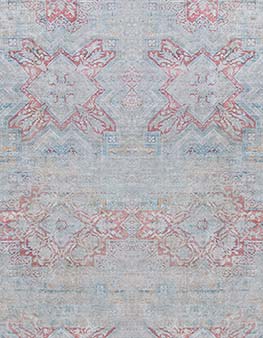
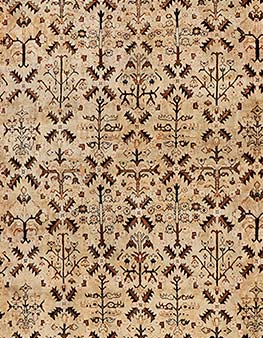
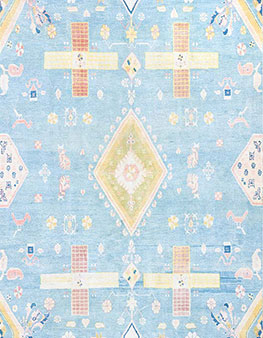
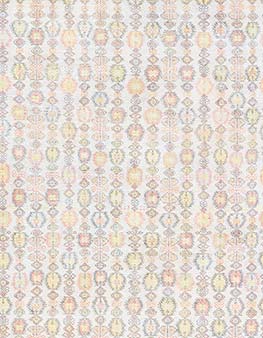
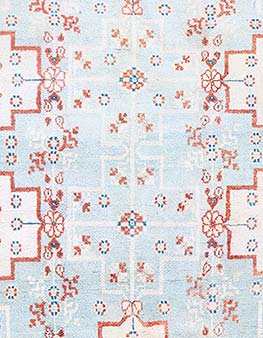
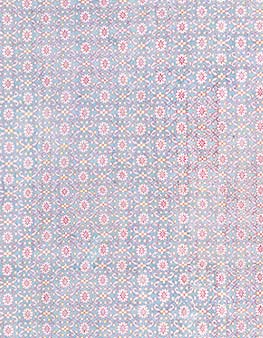
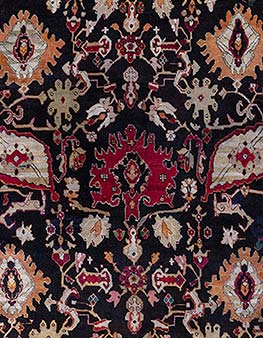
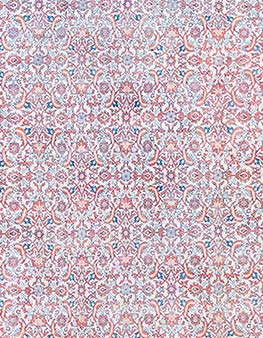
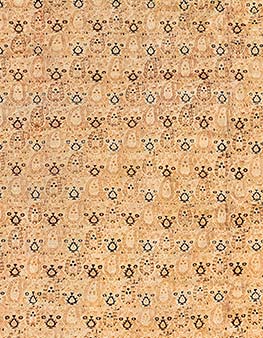
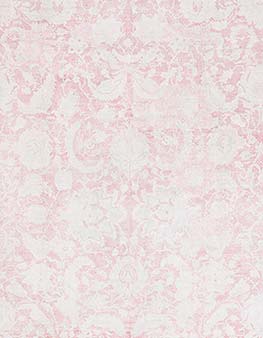
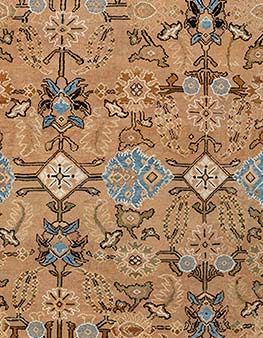
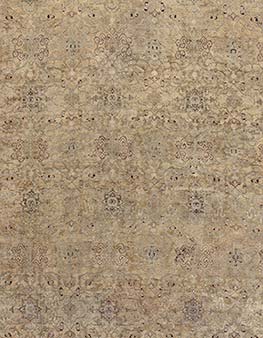
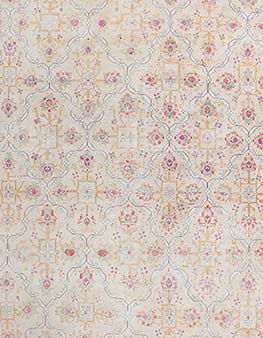
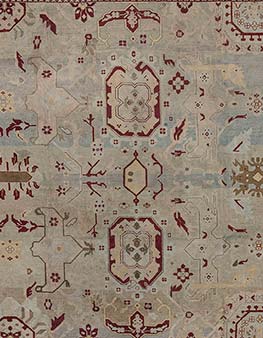
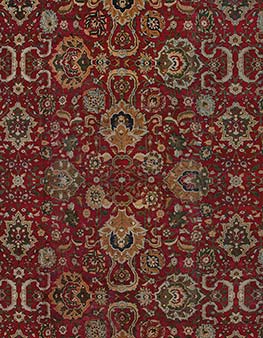
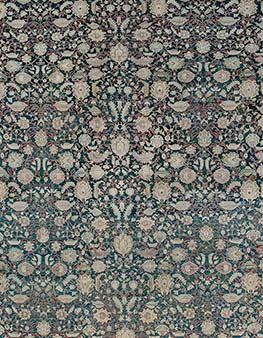
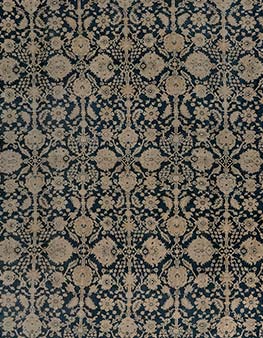
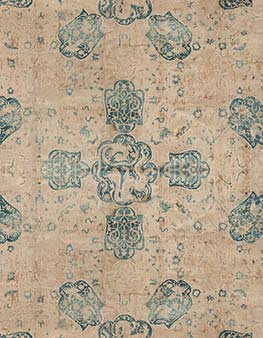
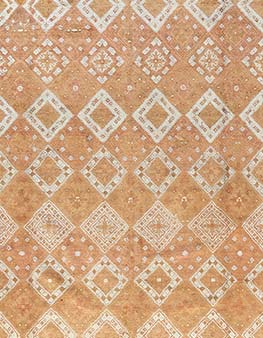
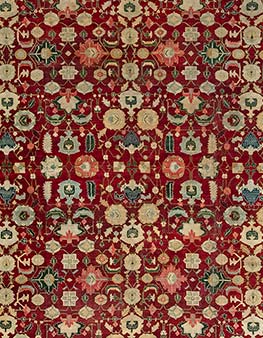
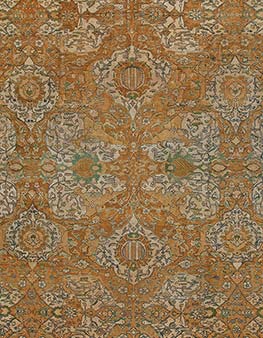
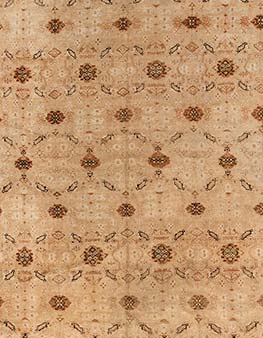
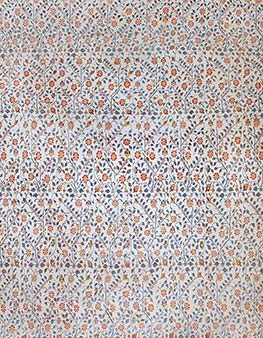
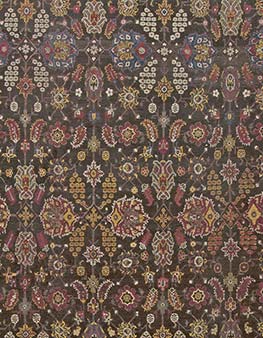
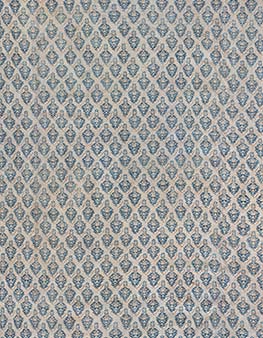
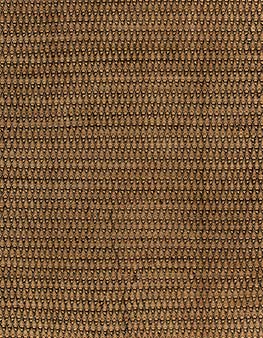
Many Agra carpets are admired for generous proportions, broad borders, and graceful floral or geometric fields. The collection may include wool rugs, cotton carpets, runners, room-size pieces, and oversized carpets in ivory, warm tan, light gray, blue, blush, teal, beige, and deeper jewel tones. Antique rugs are typically 100+ years old, and Agra examples from the late 19th and early 20th centuries are especially valued for hand-knotted construction, mellowed color, and the visual depth created by age and use. Later vintage Agra rugs can also offer excellent decorative value when the design, condition, and scale suit the room.
Unlike a new reproduction, a fine antique Indian Agra rug is judged through a combination of visible and historical qualities. Buyers should look closely at the weave, foundation, pile, restoration, pattern clarity, border alignment, and how the palette has softened over time. Wool Agra rugs often provide a warmer, more tactile surface, while cotton examples can show crisp drawing and a flatter, more architectural presence. The best choice is not always the most ornate piece; it is the rug whose color, scale, and rhythm support the interior.
Choosing Agra Rugs for Luxury Interiors
Agra rugs work particularly well in interiors that need pattern with restraint. Allover floral designs can visually connect seating groups without creating a dominant central axis, while medallion carpets can organize a formal room around a table, chandelier, or fireplace. Oversized Agra carpets are especially useful for expansive rooms because their borders help define the architecture of the space. Softer ivory, beige, gray, and tan examples pair naturally with contemporary upholstery, antiques, plaster walls, stone, walnut, bronze, and layered neutral schemes.
- Confirm the exact dimensions against furniture placement, door clearances, and circulation paths.
- Compare wool, cotton, and wool-cotton constructions for texture, handle, and visual crispness.
- Review condition, restoration, pile height, and signs of age before selecting a collector-level piece.
- Use allover patterns for flexible furniture layouts and medallions for more formal symmetry.
- Consider runners or size-adjusted fragments for halls, entries, and narrow architectural spaces.
Doris Leslie Blau Selection and Buying Guidance
Doris Leslie Blau has sourced antique, vintage, and rare decorative rugs from estates, auctions, dealers, and private collections since 1965. Within this Agra rug category, buyers can compare individual pieces by period, size, color, material, pattern, and listed pricing, making the selection process more transparent for interior designers, architects, collectors, and luxury homeowners. Because many antique Agra rugs are one-of-a-kind, the right carpet should be evaluated not only as a floor covering but also as a design asset with provenance, craftsmanship, and long-term decorative relevance.
When an original Agra carpet is close but not exact in size, palette, or condition, a custom made rug may be worth discussing as a separate solution. Made-to-order rugs can draw on the scale, border structure, floral language, or muted color character associated with historic Agra carpets while meeting precise project requirements. For clients comparing antique rugs, vintage Indian carpets, oversized rugs, and custom rugs, Agra remains one of the most versatile categories for rooms that need elegance, history, and livable pattern.