





Vintage Abstract Rugs
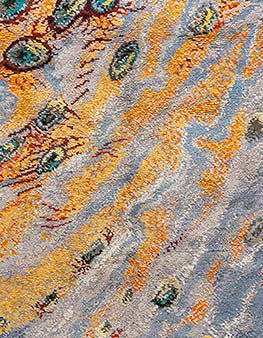
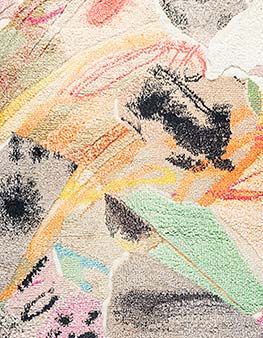
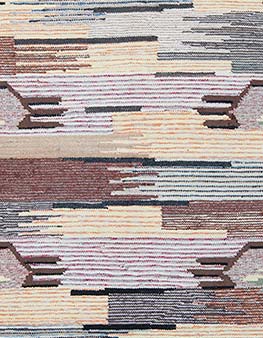
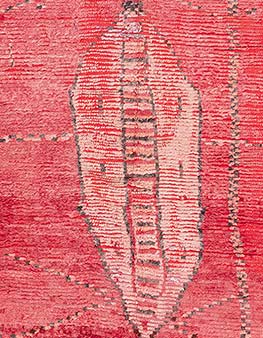
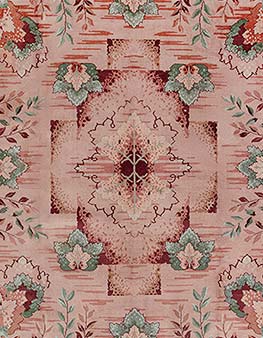
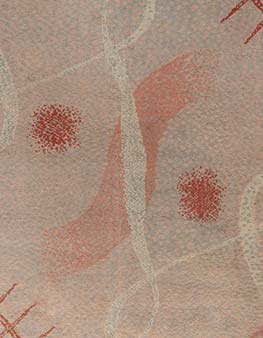
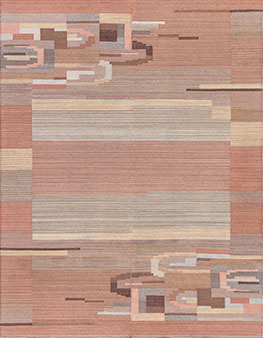
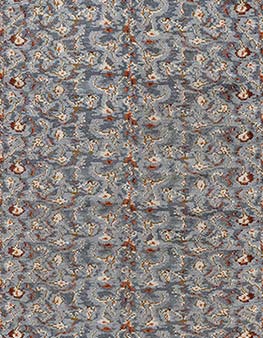
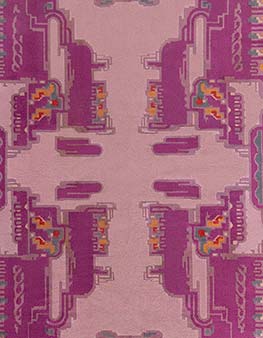
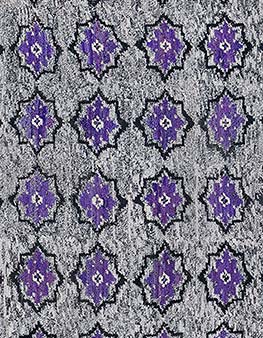
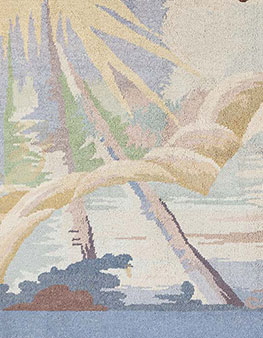
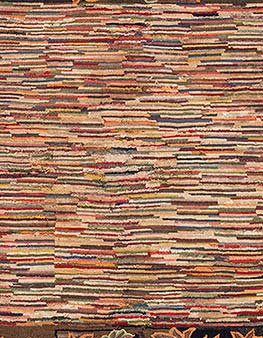
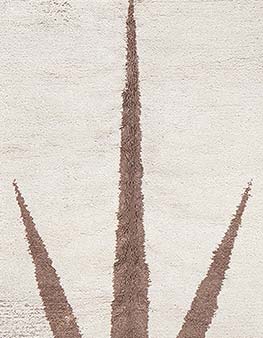
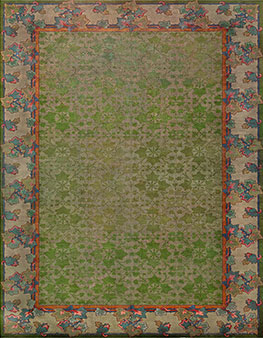
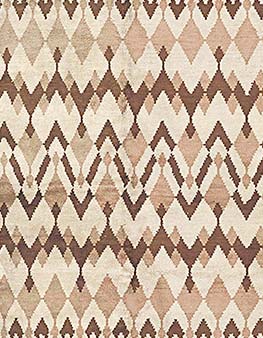
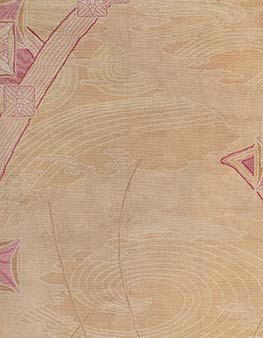
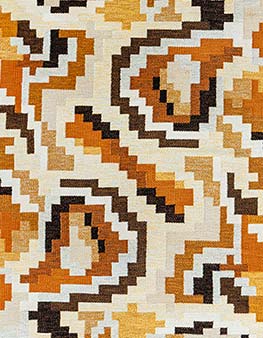
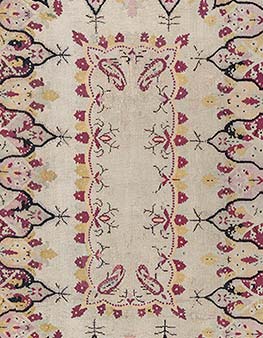
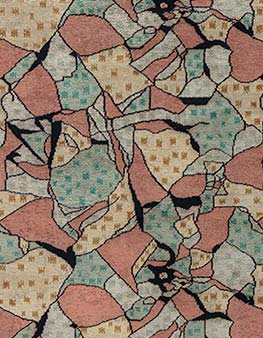
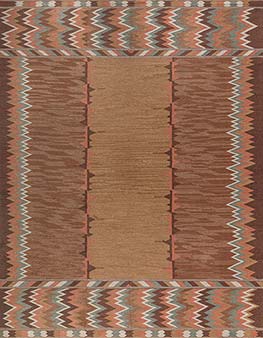
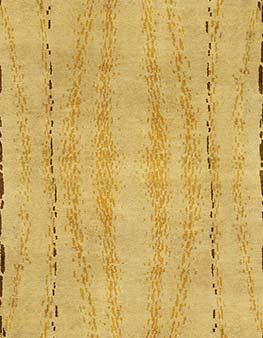
Vintage abstract rugs offer a rare balance of artistic expression and functional interior design. Unlike traditional medallion or floral carpets, abstract rugs depend on movement, color relationships, texture and negative space, making them especially valuable in contemporary rooms, modernist architecture and layered luxury interiors. Doris Leslie Blau’s abstract selection includes vintage Scandinavian flatweaves, mid-century Swedish wool rugs, Moroccan pile rugs, French and Chinese Art Deco carpets, Spanish Cuenca-inspired designs, American hooked rugs and other decorative pieces chosen for visual strength, craftsmanship and room suitability.
Why Abstract Vintage Rugs Work in Luxury Interiors
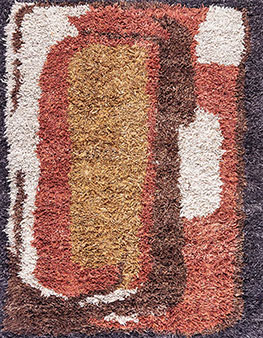
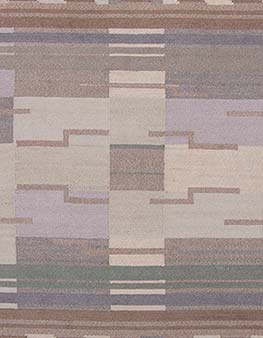
A well-chosen abstract rug can anchor a room without dictating every design decision. Soft beige, taupe, cream and gray examples support quiet interiors, while crimson, brick red, lavender, dusty pink, navy or golden tan pieces can introduce a decisive focal point. Many vintage abstract rugs also suit interiors where fine art, sculptural furniture and architectural materials already play an important role. Their patterns often feel painterly rather than ornamental, which helps them bridge antique furniture, mid-century pieces and contemporary upholstery with ease.
Construction matters as much as design. Hand-knotted wool carpets provide depth, durability and nuanced surface variation, while flatweave rugs offer a lower profile that works well under dining tables, in galleries, studies and open-plan rooms. Rya pile, hooked, kilim and Scandinavian weaving traditions each create a different relationship between pattern and texture. For collectors and interior designers, these differences are not minor details; they affect how the rug reads in natural light, how furniture sits on it and how the room feels in daily use.
How to Choose an Abstract Rug
When comparing abstract rugs, begin with scale and placement, then refine by palette, weave and age. A large or oversized rug can make an open seating area feel intentional, while a runner or square rug may solve a more architectural problem. Vintage rugs are not all antique; antique rugs are typically 100+ years old, while vintage examples often come from the 20th century and may reflect Art Deco, Bauhaus, Scandinavian modern, Moroccan, Arts and Crafts or postwar design influences.
- Measure the room and decide whether furniture should sit fully or partially on the rug.
- Compare hand-knotted, flatweave and hooked constructions for texture and performance.
- Evaluate the palette in relation to wall color, upholstery, wood tone and art.
- Look closely at condition, pile height, edge finish and any noted size adjustment.
- Consider origin and design period when pairing the rug with collectible furniture.
Doris Leslie Blau’s Abstract Rug Selection
Since 1965, Doris Leslie Blau has sourced rugs from estates, auctions, dealers and private collections, building a point of view that is especially useful for buyers seeking distinctive decorative carpets rather than commodity floor coverings. This category is curated for interior designers, collectors, architects and luxury homeowners who need rugs with character, provenance signals and design flexibility. Product listings allow buyers to review size, materials, construction and visible pricing before inquiring, which is particularly important when comparing one-of-a-kind vintage pieces.
For projects that require a specific dimension, color story or architectural fit, abstract design can also translate well into custom made rugs or made-to-order interpretations. A vintage piece may inspire the mood of a room, while a bespoke rug can solve exact scale requirements in a primary bedroom, salon, dining room or gallery-like living space. Whether the goal is a quiet Scandinavian flatweave, a bold Moroccan wool rug or a sophisticated Art Deco carpet, this collection gives serious buyers a focused place to compare rare decorative rugs with practical design intent.