

-
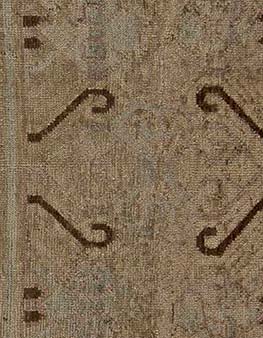
Geometric-Inspired Traditional Rug S-Scroll Motif Cream Beige Hand-Knotted Wool Runner “Sirocco” N11090
Size: 2'6" × 12'6" (76 × 381 cm)
Samarkand FAQ
What defines a Samarkand style rug?
A Samarkand style rug is inspired by historic Central Asian and East Turkestan carpet traditions, often combining floral motifs, pomegranates, medallions, fretwork borders, and geometric structure. New Samarkand rugs translate those design elements into fresh wool carpets suitable for contemporary interiors, including room-size and oversized formats.
Are these Samarkand rugs antique or new?
This category is part of the New Rugs selection and focuses on new Samarkand-inspired rugs. Some designs are antique-inspired, but they should not be assumed to be antique. In the rug market, antique rugs are typically 100+ years old, while these pieces offer historic design influence with newer construction and project-friendly sizing.
Where do Samarkand rugs work best in interiors?
Samarkand rugs work well in living rooms, dining rooms, bedrooms, libraries, galleries, and large open-plan spaces. Their balanced mix of floral and geometric design can complement antiques, modern upholstery, plaster walls, stone, wood, and metal finishes, making them useful for layered luxury interiors rather than one narrow decorating style.
What materials are common in new Samarkand rugs?
Many new Samarkand rugs are made in wool, often with hand-knotted construction for texture, density, and long-term decorative use. Some selections may include flatweave or other handmade techniques. Buyers should compare each product’s listed material, weave, pile, dimensions, and color notes before choosing a piece for a specific room.
Can Samarkand rugs be ordered in custom sizes?
Custom made and made-to-order options may be relevant when a project requires a precise size, unusual shape, or adjusted palette. This is especially helpful for oversized rooms, long seating plans, or architecture that does not suit standard rug dimensions. Availability depends on the design, construction, and production requirements.
How should designers compare Samarkand carpet patterns?
Designers should evaluate the scale of the central field, border width, motif density, palette, and how furniture will sit over the pattern. Medallion designs can organize a room around a focal point, while allover floral or geometric layouts may be easier under dining tables, beds, and large seating arrangements.