

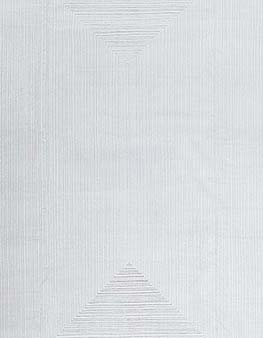
“Name Vertex” Modern Geometric High-Low Light Gray Hand-Knotted Wool & Silk Oversized Rug N12469
Size: 14'2" × 20'0" (431 × 609 cm)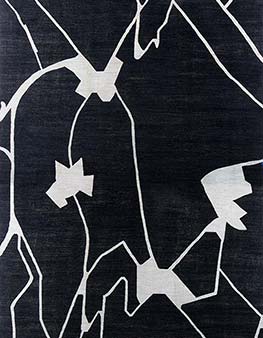
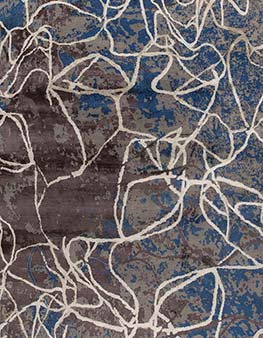
Abstract Modern Oversized Charcoal Handmade Wool Rug “Noctivine” N12439
Size: 16'2" × 25'0" (492 × 762 cm)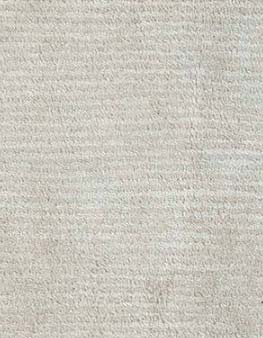
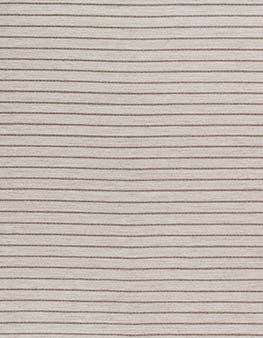
“Albedo” Modern Hand-Knotted Striped Light Gray Handmade Wool & Silk Rug N12105
Size: 8'0" × 11'2" (243 × 340 cm)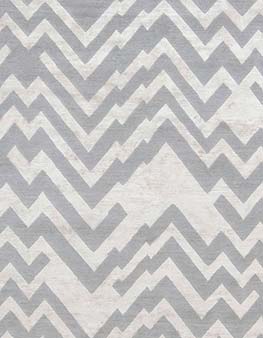
Contemporary Geometric Light Gray And Slate Hand-Knotted Silk Rug “Rocky Peaks” N12065
Size: 4'11" × 8'7" (149 × 261 cm)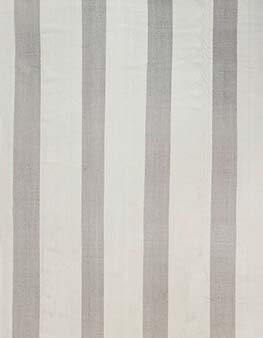
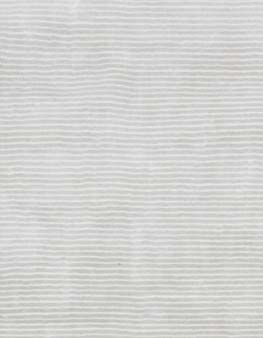
“Lamina” Modern Dhurrie Striped Light Gray And Soft White Flatweave Wool Oversized Rug N12010
Size: 16'1" × 18'7" (490 × 566 cm)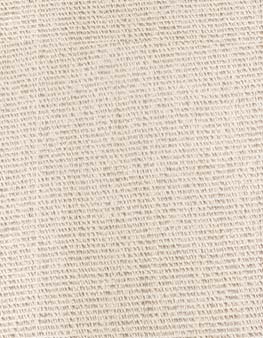
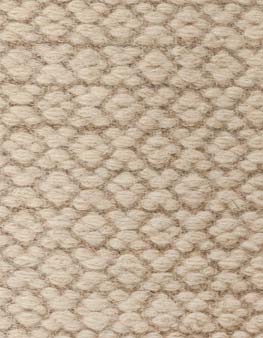
“Sandy” Contemporary Flatweave Solid Light Beige Wool Carpet N11812
Size: 13'6" × 17'8" (411 × 538 cm)
Oversized Modern Hand-Knotted Striped Rug In Light Gray With Soft White “Latitude” N11741
Size: 13'0" × 17'3" (396 × 525 cm)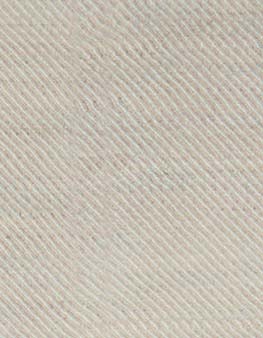
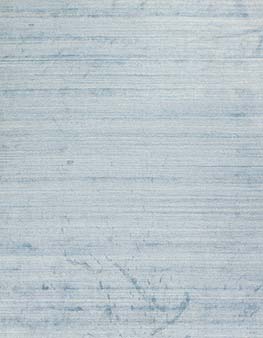
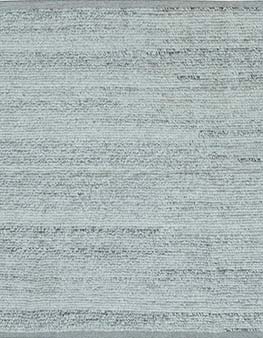
Hand-Knotted Modern Solid Light Gray Handmade Wool Rug “Nacre” N11714
Size: 8'9" × 11'10" (266 × 360 cm)
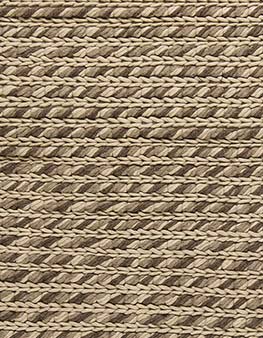
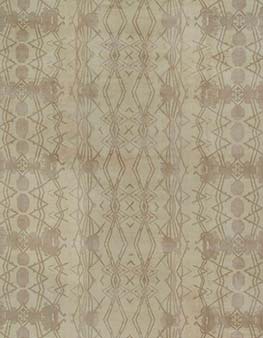
Contemporary Art Nouveau Geometric Classic Taupe Hand-Knotted Wool Rug “Aegean Green” Designed By Bunny Williams N11712
Size: 11'8" × 13'4" (355 × 406 cm)Modern Flatweave Solid Light Beige Wool Rug “Tabula” N11711
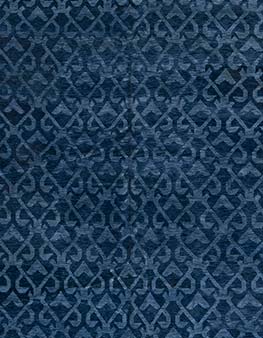
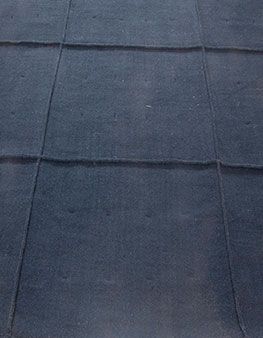
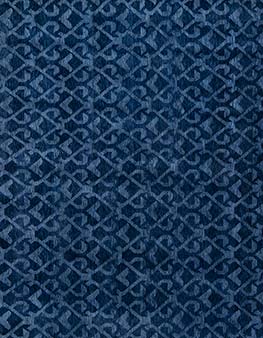
Size: 13'0" × 18'0" (396 × 548 cm)Geometric Tessellation Pashmina Hand-Knotted Modern Rug In Navy Blue “Girih” N11703
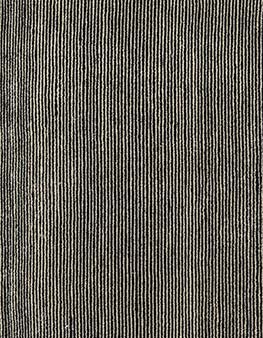
Size: 8'9" × 12'8" (266 × 386 cm)Contemporary Striped Ivory And Charcoal Hand-Knotted Wool Carpet “Linea” N11699
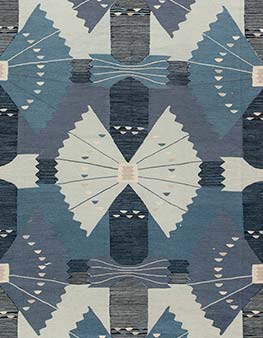
Size: 4'3" × 9'3" (129 × 281 cm)Modern Geometric Fan Motif Light Gray Handmade Wool Oversized Rug “Abanico” N11692
Size: 10'0" × 14'2" (304 × 431 cm)Modern Flatweave Solid Warm Tan With Classic Taupe Handmade Wool Rug “Sylvan” N11690
Size: 4'9" × 8'0" (144 × 243 cm)Contemporary Striped Light Gray Hand-Knotted Wool & Silk Carpet “Plisse” N11689
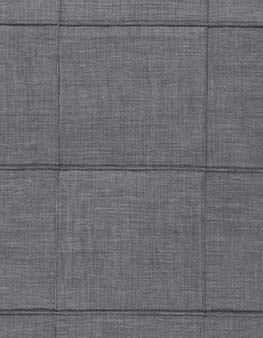
Size: 10'2" × 13'0" (309 × 396 cm)Modern Flatweave Geometric Charcoal Hand-Knotted Rug “Carreau” N11680
Size: 7'5" × 8'2" (226 × 248 cm) @RSlate Gray Handmade Flatweave Modern Rug “Graphite” N11679
Size: 7'5" × 9'9" (226 × 297 cm)Modern Abstract Ink-Blot Light Gray Hand-Knotted Silk Rug “Rorschach” Designed By Eskayel N11678
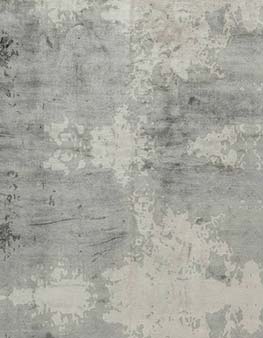
Size: 7'9" × 17'3" (236 × 525 cm)Modern Abstract Interwoven Slate Gray Hand-Knotted Wool & Silk Oversized Rug “Confluence” N11660
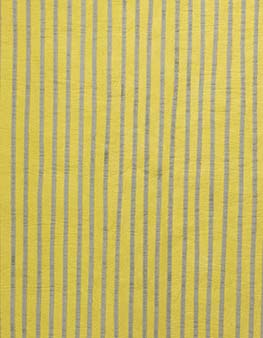
Size: 13'0" × 17'0" (396 × 518 cm)“Aurora” Contemporary Flatweave Striped Light Gray And Yellow Hand-Knotted Wool Carpet N11645
Size: 7'10" × 10'7" (238 × 322 cm)Drifting Dune Abstract Modern Handmade Light Beige With Classic Taupe Rug “Sandrift” N11630
Size: 13'5" × 20'2" (408 × 614 cm)“Cirrus” Contemporary Abstract Lavender Handmade Wool & Silk Carpet N11609
Size: 13'0" × 17'2" (396 × 523 cm)Art Nouveau Modern Rug With Abstract Organic Motif In Light Beige Silk, Handmade “Reflection” Designed By Eskayel N11582
Size: 12'0" × 17'3" (365 × 525 cm)Modern Geometric Diamond Lattice Light Gray Handmade Wool & Silk Rug “Opaline” N11578
Size: 12'0" × 17'6" (365 × 533 cm)Modern Art Deco Solid Light Gray Handmade Wool Rug “Solitude” N11577
Size: 12'0" × 18'0" (365 × 548 cm)Modern Flatweave Striped Light Beige With Classic Taupe Wool Oversized Rug “Avena” N11575
Size: 12'0" × 15'0" (365 × 457 cm)Modern Abstract Solid Dark Gray And Light Blue Handmade Viscose Oversized Rug “Glacier” N11574
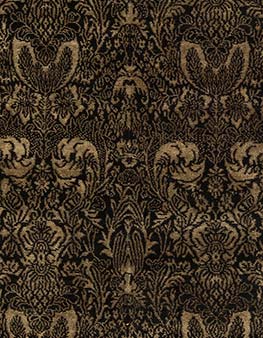
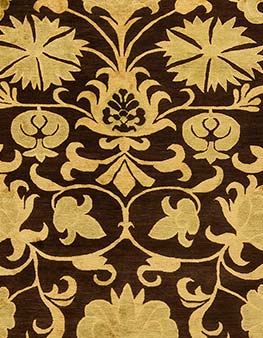
Size: 14'5" × 17'6" (439 × 533 cm)Damask Modern Brown And Charcoal Handmade Wool & Silk Rug “Auriflore” N11568
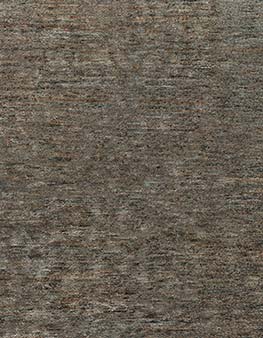
Size: 5'0" × 7'8" (152 × 233 cm)Modern Flatweave Solid Light Gray Hand-Knotted Wool Rug “Stratus” N11563
Size: 6'3" × 8'0" (190 × 243 cm)Modern Abstract Solid Brown Hand-Knotted Hemp Rug “Petrichor” N11559
Size: 11'8" × 12'8" (355 × 386 cm)Geometric Modern Navy Blue Hand-Knotted Pashmina Rug “Jali” N11557
Size: 10'0" × 13'9" (304 × 419 cm)“Floralia” Modern Damask Botanical Warm Tan And Brown Handmade Wool & Silk Rug N11555
Size: 8'1" × 9'8" (246 × 294 cm)
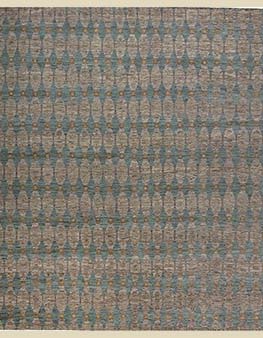
Modern rugs FAQ
What defines a high-quality modern rug?
A high-quality modern rug is usually judged by its materials, construction, design clarity, and suitability for the room. Hand-knotted wool and wool-and-silk rugs often provide greater depth and longevity than machine-made alternatives. Buyers should compare pile, weave, edge finishing, scale, palette, and whether the design feels intentional rather than trend-driven.
Are modern rugs suitable for luxury interiors?
Yes. Modern rugs are often used in luxury interiors because they can support clean architecture, contemporary art, tailored upholstery, and open-plan layouts. A restrained tonal rug can add warmth without visual clutter, while a geometric or abstract rug can create a strong focal point in a minimal room.
Which materials work best for modern area rugs?
Wool is a popular choice for modern area rugs because it is resilient, tactile, and well suited to daily use. Wool and silk combinations can add sheen and finer pattern definition. Cotton and natural-fiber flatweaves may be appropriate where a lower profile, lighter texture, or casual contemporary effect is desired.
How should I size a modern rug?
Modern rug sizing should follow the furniture plan rather than the empty floor area alone. In a living room, the rug should usually anchor the seating group. Dining rugs need enough extra space for chairs to move comfortably. Oversized rugs are useful for large rooms, while runners define corridors and transitional spaces.
Can modern rugs be custom made?
Modern rugs are especially well suited to custom made and made-to-order projects because their scale, palette, and pattern can often be adapted to a specific interior. Custom options may help when a room needs an unusual size, a particular color balance, or a design that coordinates with architecture and furnishings.
Do modern rugs work with antique furniture?
Modern rugs can work very well with antique furniture when the scale and palette are carefully chosen. A simple abstract, tonal, or geometric rug can make traditional pieces feel more architectural and less formal. The contrast between old and new is often effective in rooms that mix antiques, contemporary art, and tailored upholstery.
What modern rug patterns are most versatile?
Tonal solids, subtle stripes, soft geometrics, Scandinavian-inspired grids, and restrained abstract patterns tend to be the most versatile. They provide design interest without dominating the room. Bolder Moroccan, Art Deco-inspired, or large-scale geometric rugs can be excellent when the rug is intended to act as the main visual anchor.