


Flatweave Rugs for Luxury Interiors
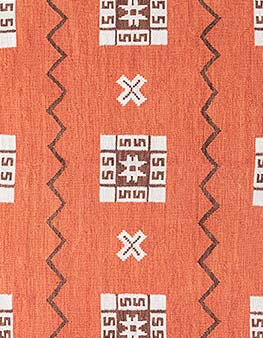
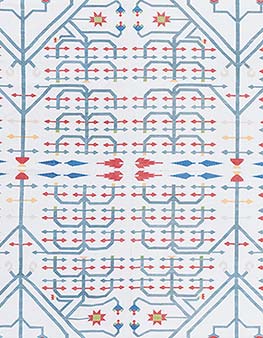
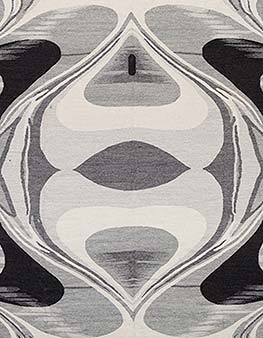
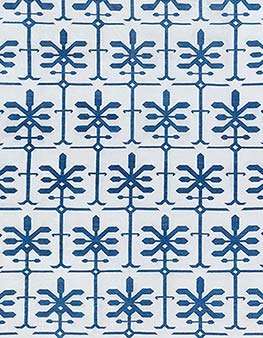
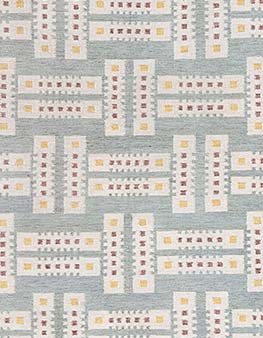
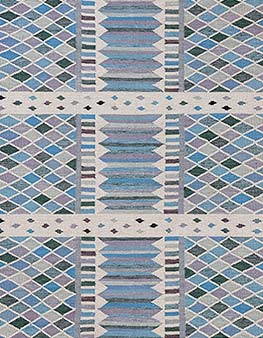
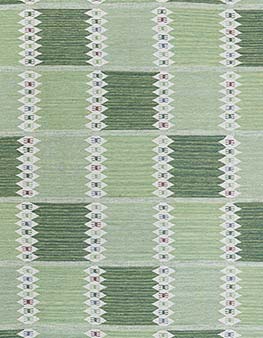
Flatweave rugs are valued for their clean structure, practical low pile, and graphic clarity. Unlike higher-pile carpets, a flatweave is made with interlaced warp and weft yarns, creating a surface that feels tailored rather than plush. In luxury interiors, that restraint is often an advantage: it allows furniture, architecture, art, and upholstery to remain visually prominent while still adding pattern, warmth, and scale. Doris Leslie Blau’s flatweave collection includes modern flatweave rugs, Scandinavian-inspired wool pieces, Dhurrie and kilim references, abstract designs, stripes, checks, floral motifs, and oversized carpets suited to large rooms.
Design Range: Scandinavian, Dhurrie, Kilim and Contemporary Flatweaves
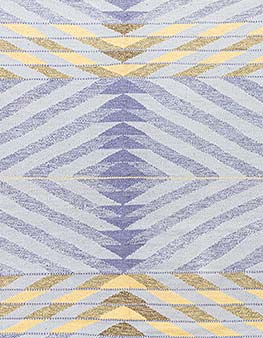
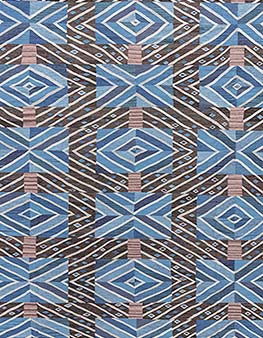
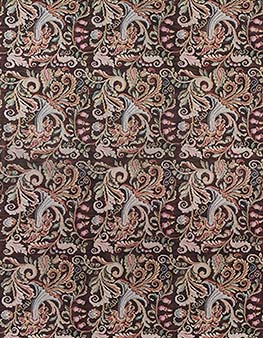
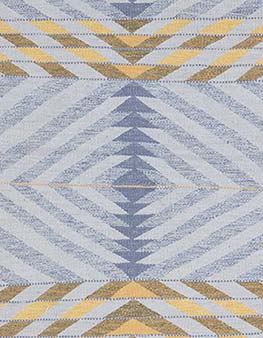
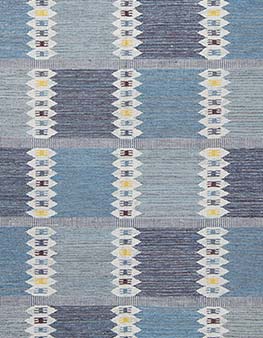
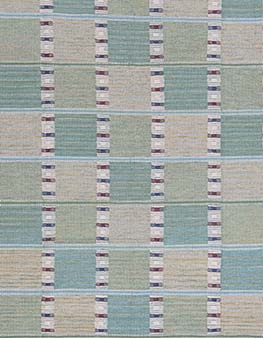
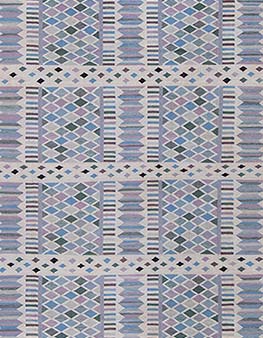
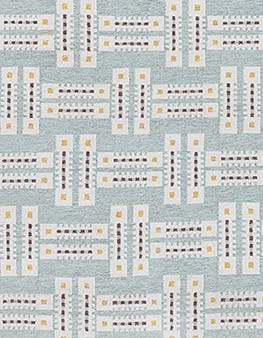
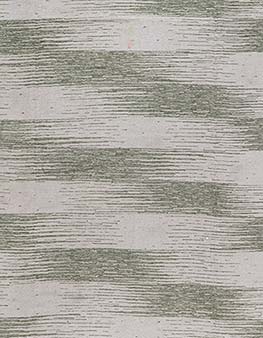
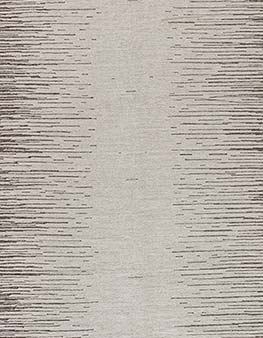
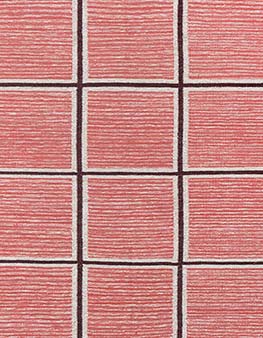
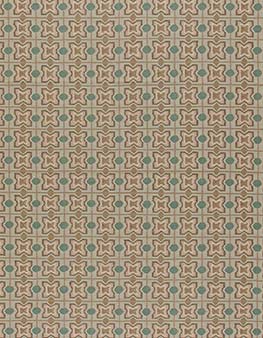
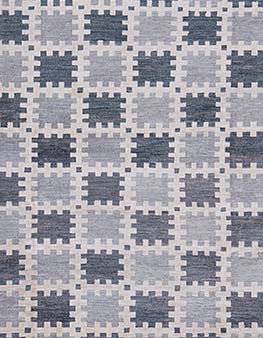
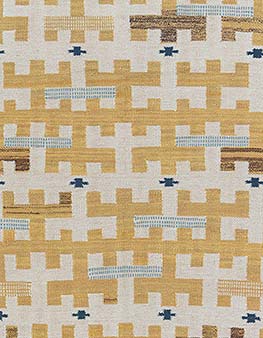
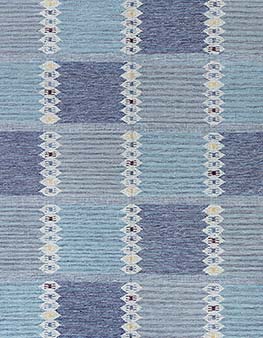
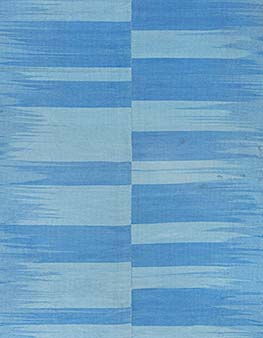
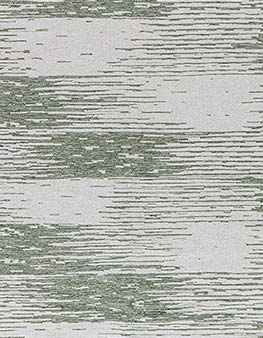
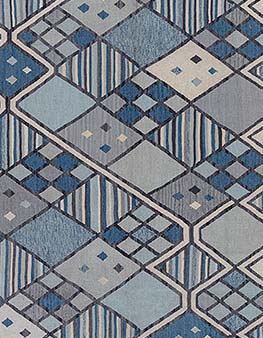
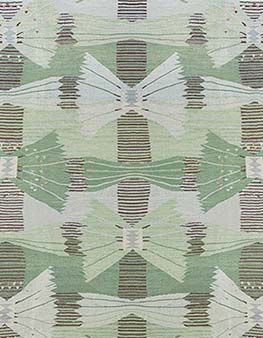
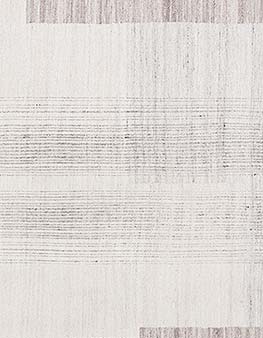
This category is especially useful for designers looking for a rug that reads crisp and architectural. A pale geometric flatweave can soften a modern living room without adding visual weight; a chevron or checkerboard pattern can bring rhythm to a library, gallery hallway, or bedroom; and an antique-inspired Bessarabian, Aubusson, Oushak, or Art Deco design can introduce historic character in a newly made construction. Many pieces in the collection use wool, cotton, wool-and-silk blends, viscose, or natural fibers, with palettes ranging from soft ivory, taupe, sage, and slate gray to stronger blues and patterned neutrals.
How to Choose a Flatweave Rug
Because flatweaves are thinner than pile rugs, proportion and placement matter. They work well beneath dining tables, in seating areas with carefully scaled furniture, in bedrooms where a cleaner edge is preferred, and in transitional spaces where doors and circulation require a lower profile. When evaluating a piece, consider not only the color and pattern, but also the weave density, fiber content, border treatment, and how the rug will sit in relation to upholstery, wood flooring, stone, or wall finishes.
- Choose wool for resilience, texture, and a refined matte surface.
- Use geometric flatweaves to add structure to minimalist rooms.
- Consider oversized flatweave rugs for open-plan interiors and large seating areas.
- Select runners for corridors, entryways, dressing rooms, and long galleries.
- Review dimensions carefully; flatweaves often need precise scaling.
- Ask about custom made flatweave rugs when a project requires exact sizing.
New Flatweaves with Antique and Vintage Design Intelligence
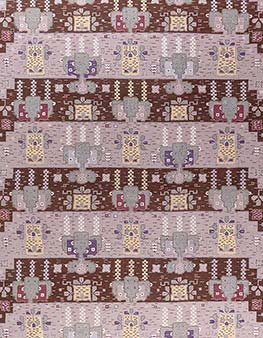
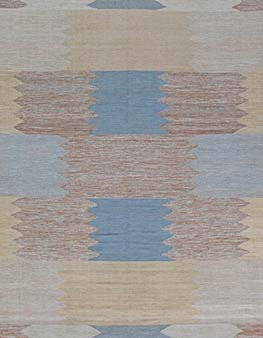
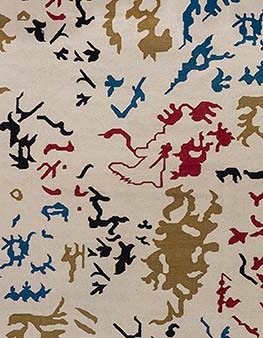
Doris Leslie Blau has sourced exceptional rugs from estates, auctions, dealers, and private collections since 1965, and that long exposure to antique rugs and vintage carpets informs the eye behind the new collection. The best contemporary flatweaves are not generic decorative floor coverings; they are designed with an understanding of historical proportion, textile rhythm, and interior architecture. Some pieces reinterpret tribal kilims or Indian Dhurries, while others translate Scandinavian modernism, Bauhaus geometry, Moroccan simplicity, or European floral ornament into fresh palettes for current interiors.
For clients comparing luxury rugs online, flatweaves offer a compelling balance of craftsmanship, design flexibility, and ease of placement. The collection includes room-size rugs, large and oversized formats, square rugs, and runners, with visible product details to help assess scale before inquiry. When the exact size, color, or material is not available in the current selection, made-to-order flatweave options can support residential, hospitality, and designer-led projects that require a specific visual direction.