


Vintage Kilim Rugs
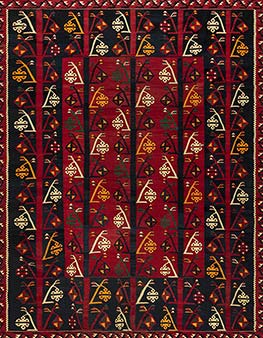
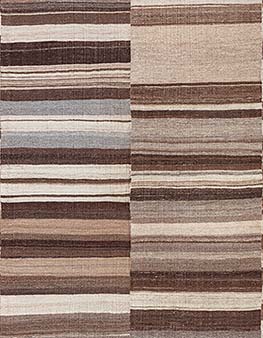
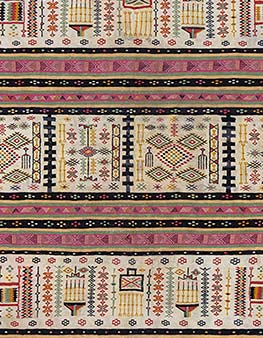
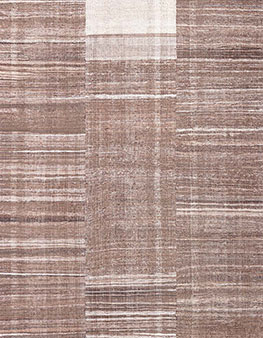
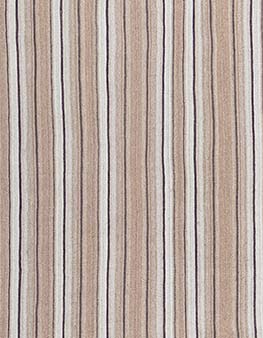
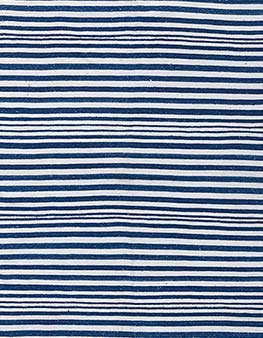
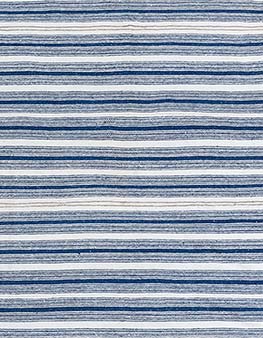
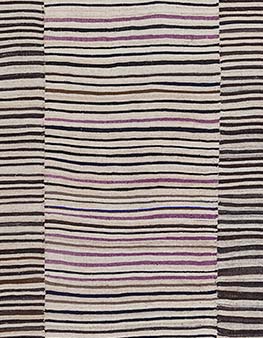
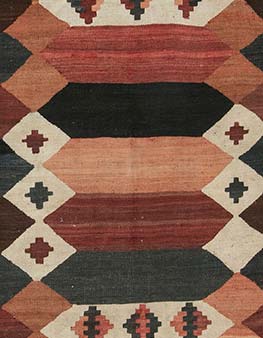
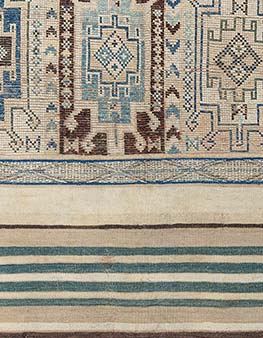
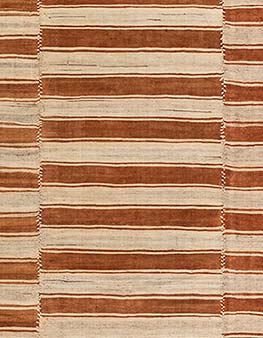
Vintage kilim rugs are prized for their crisp flatwoven structure, graphic pattern language, and ease of placement in both traditional and contemporary rooms. Unlike pile carpets, kilims are woven without a raised surface, which gives them a lighter profile, a clear textile texture, and an architectural quality that interior designers often use to define space without overwhelming furniture or art. In this Doris Leslie Blau selection, buyers will find Turkish kilims, tribal flatweaves, wool runners, room-size rugs, and large decorative pieces chosen for color balance, weave quality, condition, and design relevance.
Why Designers Choose Vintage Kilim Rugs
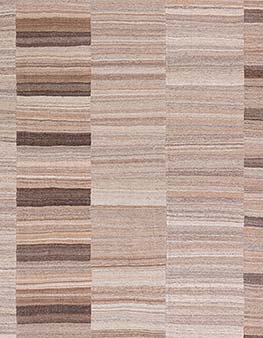
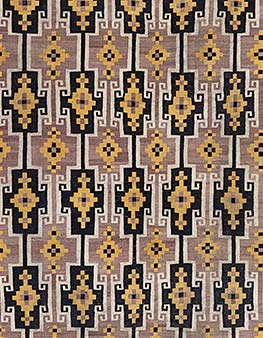
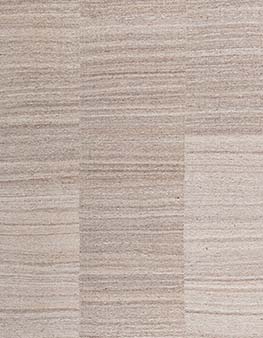
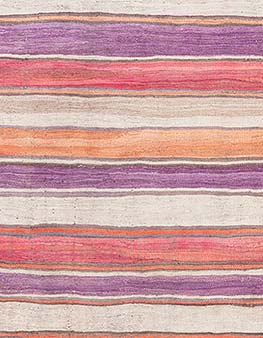
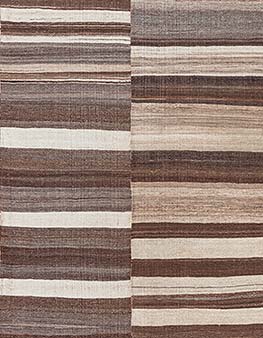
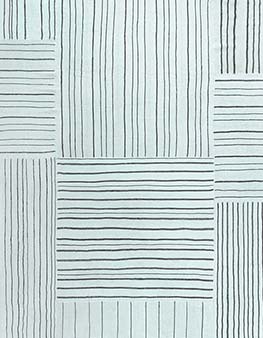
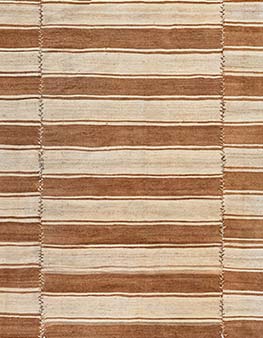
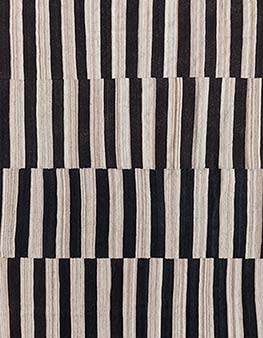
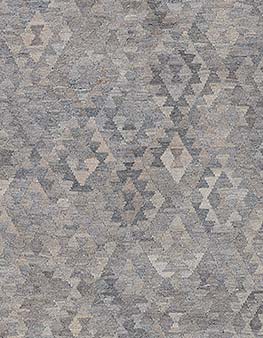
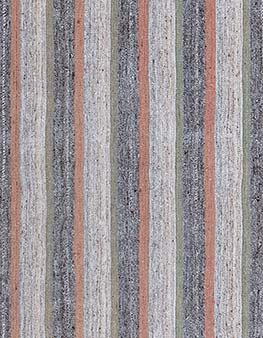
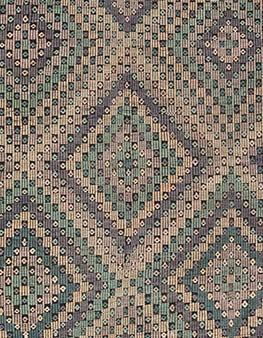
The appeal of a vintage kilim lies in the relationship between pattern, material, and scale. Many examples use geometric medallions, stripes, stepped motifs, or repeated tribal forms rather than dense floral ornament, making them especially compatible with modern interiors, rustic architecture, collected rooms, and layered city apartments. Wool is the most common material, often woven over cotton or wool foundations, and the best pieces show a pleasing handle, softened color, and the irregularities that distinguish handwoven textiles from machine-made floor coverings. Vintage rugs are generally understood as pieces with meaningful age, often several decades old, while antique rugs are typically 100 years or older.
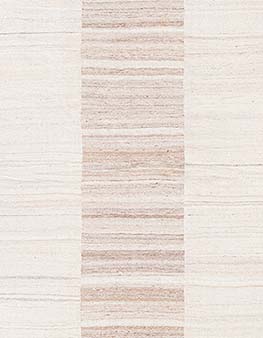
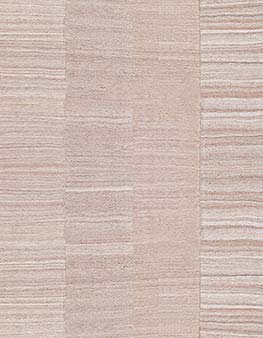
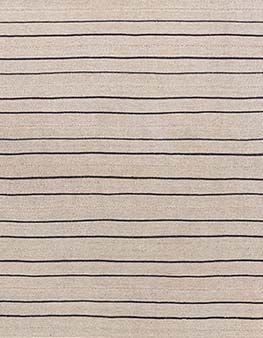
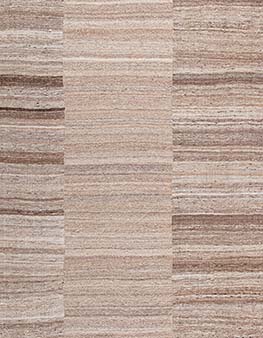
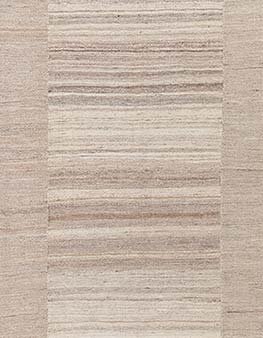
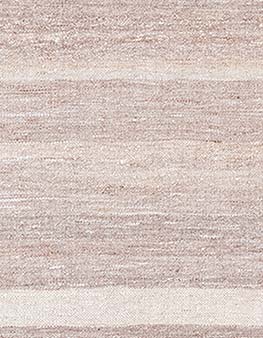
Doris Leslie Blau has sourced important rugs from estates, auctions, dealers, and private collections since 1965, and that experience matters when selecting kilims for high-end interiors. A strong kilim is not chosen by pattern alone. The gallery evaluates whether the weave is stable, whether the palette has matured attractively, whether the proportions suit real rooms, and whether the design has enough presence for the intended placement. A quiet beige or taupe kilim can soften a minimalist living room, while a bolder Anatolian or tribal flatweave can add structure to a library, entry, dining area, or gallery-like space.
How to Evaluate a Kilim for Your Room
Serious buyers compare vintage kilim rugs by more than color. A narrow runner must sit cleanly in a hallway; an oversized flatweave needs enough visual rhythm to hold a large seating plan; a small rug should have enough character to function as an accent rather than a remnant. Because kilims have no pile, they can be practical for layered decorating and lower-clearance areas, but condition, edge integrity, and appropriate underlay are important. Before selecting a piece, consider:
- Origin and weaving tradition, including Turkish, Persian, Caucasian, Afghan, or Moroccan influence.
- Flatweave structure, wool quality, edge condition, and any visible restoration.
- Palette compatibility with flooring, upholstery, millwork, stone, and wall color.
- Scale, especially for runners, dining rooms, long galleries, and oversized living spaces.
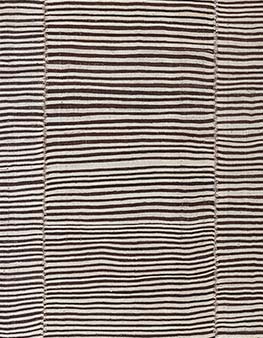
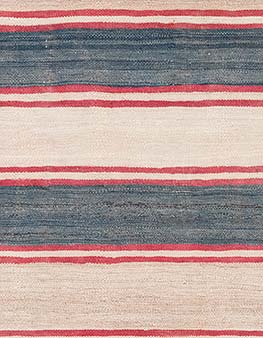
- Pattern strength, from restrained stripes to high-contrast geometric or tribal designs.
Flatwoven Texture for Luxury Interiors
For decorators and homeowners, vintage kilim rugs offer a rare combination of history and flexibility. Their relatively low profile works under dining chairs, in layered seating areas, and in rooms where a heavy pile carpet would feel too formal. Neutral kilims can support Belgian, Scandinavian, modern farmhouse, and contemporary interiors, while more saturated Turkish kilims and tribal flatweaves introduce energy without the gloss of a new rug. Each piece should be read as a textile with age, craft, and individual character, not simply as a pattern printed on the floor.
When an original vintage kilim is not available in the exact dimension or palette a project requires, custom made rugs and made-to-order flatweaves can provide a complementary solution. This is especially useful for architects and designers working with unusually long corridors, oversized rooms, stair landings, or highly specific color schemes. The vintage collection remains the place to find one-of-a-kind texture and provenance, while custom possibilities allow the broader kilim vocabulary of stripes, geometrics, softened neutrals, and handwoven wool to be adapted for demanding luxury interiors.