

-
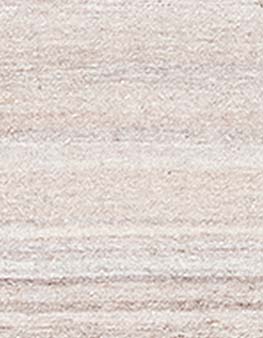
Vintage Striped Light Beige Hand-Knotted Wool Runner Persian BB8720
Size: 2'4" × 14'6" (71 × 441 cm) -
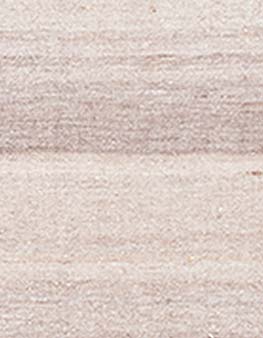
Vintage Soft Beige Striped Hand-Knotted Wool Runner – Persian BB8719
Size: 2'2" × 14'6" (66 × 441 cm) -
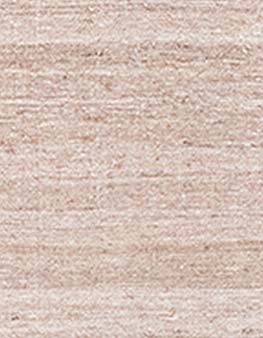
Vintage Abstract Soft Beige Hand-Knotted Wool Runner Persian BB8718
Size: 2'4" × 14'6" (71 × 441 cm) -

Vintage Striped Soft Beige Hand-Knotted Wool Runner Persian BB8716
Size: 2'4" × 14'8" (71 × 447 cm) -
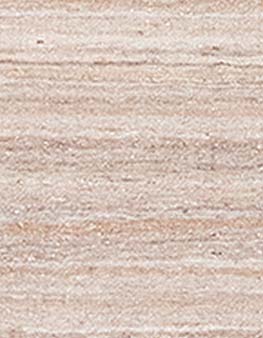
Vintage Striped Light Beige With Cream Beige Hand-Knotted Wool Runner Persian BB8715
Size: 2'3" × 14'7" (68 × 444 cm) -
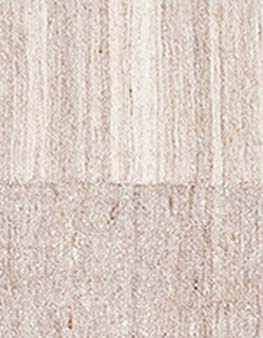
Vintage Geometric Soft Beige Hand-Knotted Wool Runner Persian BB8714
Size: 2'1" × 13'0" (63 × 396 cm) -
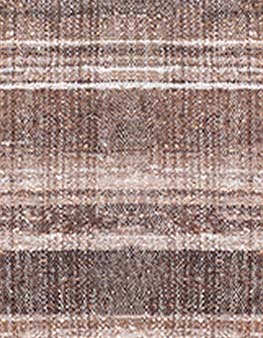
Vintage Striped Soft Beige Hand-Knotted Wool Runner BB8707
Size: 3'11" × 12'3" (119 × 373 cm) -
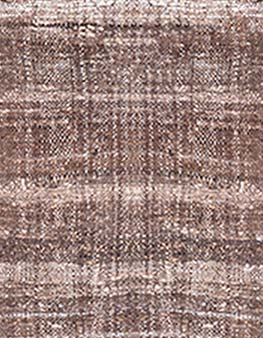
Vintage Striped Soft Beige Hand-Knotted Wool Runner BB8705
Size: 2'3" × 12'1" (68 × 368 cm) -

Vintage Moroccan Tribal Ivory Hand-Knotted Wool Rug BB8403
Size: 3'0" × 4'8" (91 × 142 cm) -
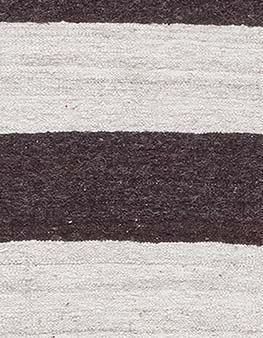
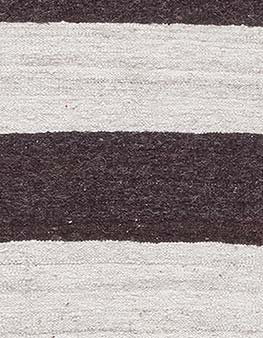
Vintage Striped Ivory And Charcoal Hand-Knotted Wool Runner – Persian BB8250
Size: 2'1" × 14'2" (63 × 431 cm) -
Vintage Striped Ivory And Charcoal Hand-Knotted Wool Runner Persian BB8249
Size: 2'1" × 14'1" (63 × 429 cm) -
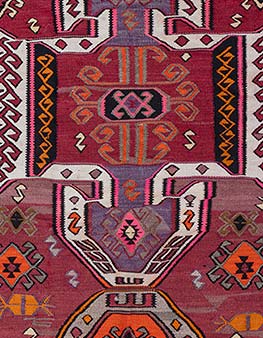
Vintage Turkish Tribal Warm Tan Hand-Knotted Wool Runner BB8236
Size: 5'0" × 13'0" (152 × 396 cm) -
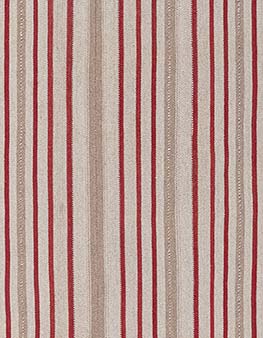
Vintage Striped Light Beige Hand-Knotted Wool Runner Persian BB8142
Size: 5'0" × 15'3" (152 × 464 cm) -
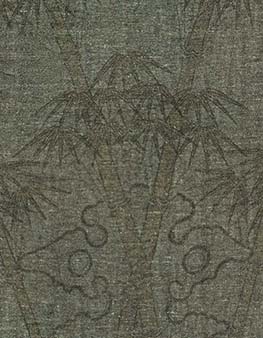
Vintage Floral Slate Gray Hand-Knotted Wool Runner Bamboo BB7868
Size: 3'10" × 10'9" (116 × 327 cm) -
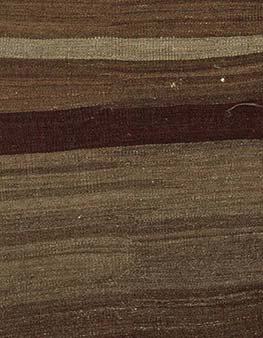
Turkish Vintage Abstract Warm Tan Hand-Knotted Wool Runner BB5766
Size: 3'0" × 9'4" (91 × 284 cm)
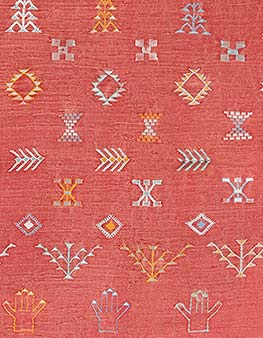
Kilim Vintage Rugs FAQ
What makes a rug a vintage kilim?
A vintage kilim is typically a flatwoven rug with meaningful age, handwoven structure, and decorative character developed over time. Kilims have no pile, so their patterns are created by interweaving yarns rather than by knotting. Buyers often value them for geometric motifs, softened wool palettes, tribal influence, and the versatility they bring to modern and traditional interiors.
Are kilim rugs hand-knotted or flatwoven?
Traditional kilim rugs are flatwoven, not hand-knotted. They are made without a raised pile, which gives them a thinner profile and a textile-like surface. This construction makes kilims especially useful in layered interiors, hallways, dining spaces, and rooms where door clearance or furniture movement is important.
Where do vintage kilim rugs usually come from?
Many sought-after vintage kilims come from Turkey, especially Anatolian weaving traditions, though related flatweaves may also show Persian, Caucasian, Afghan, Moroccan, or other regional influences. Origin matters because it can affect motifs, color, weave structure, materials, and decorative character. Serious buyers should evaluate each rug individually rather than relying on origin alone.
How should I choose a kilim rug size?
Start with the room plan and furniture layout. In a living room, a larger kilim should connect the seating group; in a dining room, it should allow chairs to remain on the rug when pulled back. Runners need careful length and width for hallways. Oversized kilims can be excellent for open-plan or gallery-like interiors.
Are vintage kilim rugs good for modern interiors?
Yes. Vintage kilim rugs are widely used in modern interiors because their flatwoven texture and geometric designs add structure without the visual weight of a heavy pile carpet. Neutral, striped, and softly aged kilims can support minimalist rooms, while bolder tribal patterns create contrast in spaces with clean-lined furniture and restrained architecture.
What materials are common in vintage kilims?
Wool is the most common material in vintage kilim rugs, often used for both color and durability. Some pieces may include cotton foundations or other natural fibers depending on origin and weaving tradition. Material quality affects texture, drape, color absorption, and long-term wear, so buyers should review the weave and condition carefully.
Can kilim rugs be made in custom sizes?
Original vintage kilims are one-of-a-kind and cannot be resized without affecting their integrity. However, made-to-order flatweave rugs can be considered when a project requires a specific dimension, palette, or pattern direction. This is useful for designers working with unusual room proportions, long corridors, or coordinated multi-room schemes.