

-
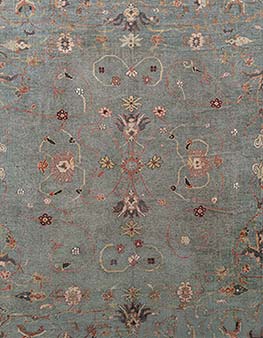
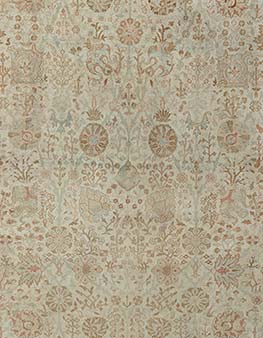
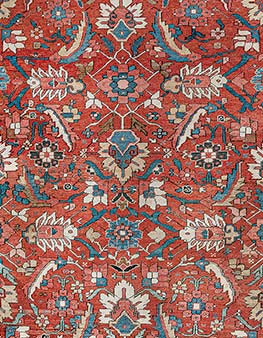
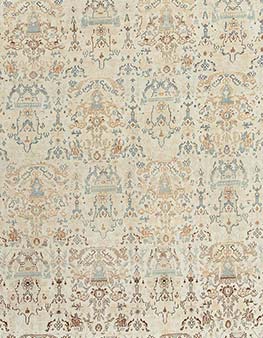
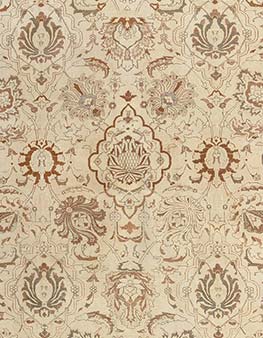
Antique Sultanabad Persian Allover Floral Cream Beige Hand-Knotted Wool Rug – Circa 1910 BB8167
Size: 16'4" × 20'0" (497 × 609 cm) -
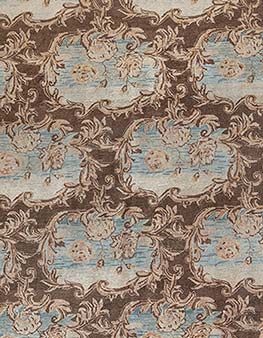
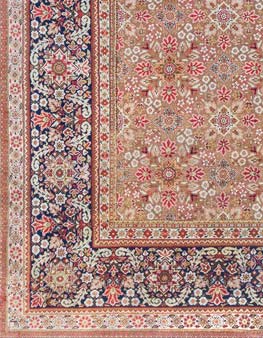
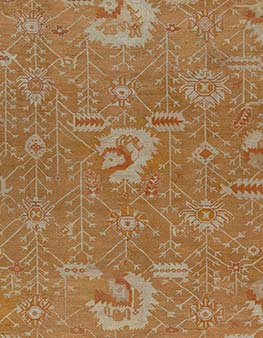
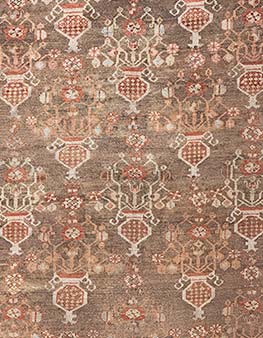
Indian Antique Allover Floral Warm Tan Hand-Knotted Wool Rug – Circa 1920 BB8136
Size: 10'0" × 12'0" (304 × 365 cm) -
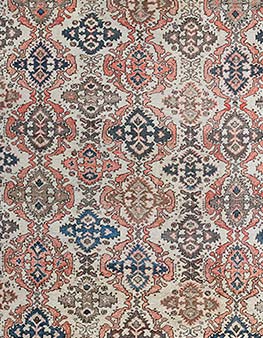
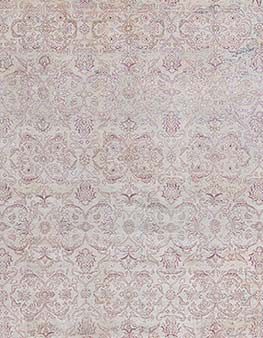
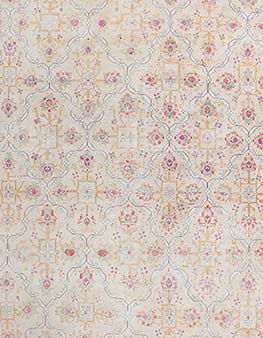
Antique Sultanabad Persian Allover Geometric Light Beige Hand-Knotted Wool Rug – Circa 1920 BB8122
Size: 14'7" × 20'3" (444 × 617 cm) -
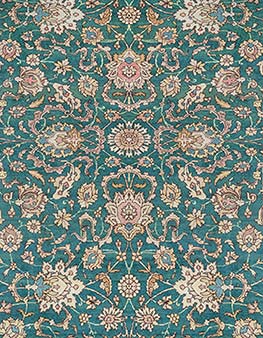
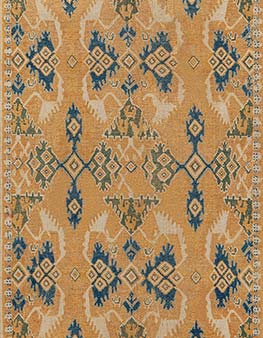
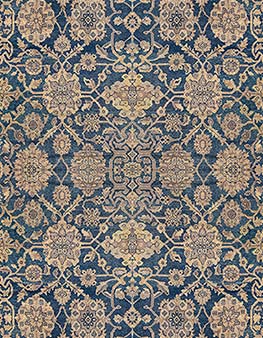
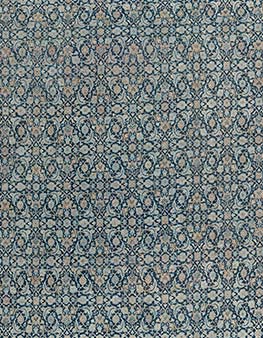
Antique Tabriz Persian Floral Allover Cream Beige Hand-Knotted Wool Rug – Circa 1930 BB8120
Size: 6'10" × 9'9" (208 × 297 cm) -
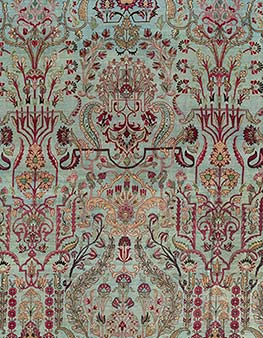
Kirman Persian Antique Allover Floral Oversized Warm Tan Hand-Knotted Wool Carpet – Circa 1920 BB8114
Size: 15'2" × 24'0" (462 × 731 cm) -
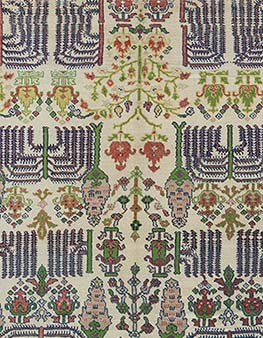
Antique Sultanabad Persian Allover Geometric Ivory Hand-Knotted Wool Carpet – Circa 1920 BB8109
Size: 8'1" × 11'5" (246 × 347 cm) -
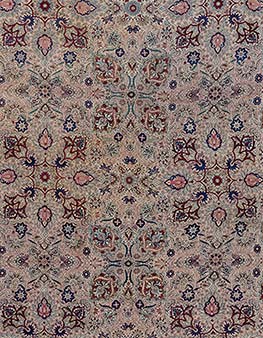
Antique Kirman Persian Allover Floral Light Beige Hand-Knotted Wool Rug – Circa 1900 BB8051
Size: 13'5" × 17'9" (408 × 541 cm) -
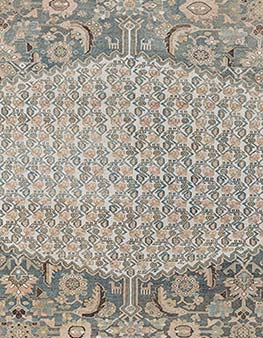
Antique Malayer Persian Floral Medallion Pale Sand Hand-Knotted Wool Rug – Circa 1920 BB8048
Size: 8'10" × 13'0" (269 × 396 cm) -

Antique Axminster English Floral Allover Warm Tan Hand-Knotted Wool Rug – Circa 1900 (Size Adjusted) Wilton BB8044
Size: 12'8" × 17'10" (386 × 543 cm) -
Antique Indian Allover Hand-Knotted Wool Rug In Pale Sand – Circa 1920 BB8027
Size: 11'9" × 21'5" (358 × 652 cm) -
Antique Kirman Persian Allover Soft Beige Hand-Knotted Wool Rug – Circa 1920 BB8023
Size: 10'1" × 13'8" (307 × 416 cm) -
Antique Allover Geometric Golden Tan Hand-Knotted Wool Rug (Size Adjusted) Late 17Th Century Cuenca BB7785
Size: 7'1" × 11'3" (215 × 342 cm) -
Antique Heriz Persian Allover Floral Warm Tan Hand-Knotted Wool Rug – Circa 1920 BB7373
Size: 11'0" × 11'5" (335 × 347 cm) -
Antique Oushak Turkish Floral Allover Rug In Warm Tan, Hand-Knotted Wool – Circa 1930 (Size Adjusted) BB7160
Size: 12'1" × 14'8" (368 × 447 cm) -
Agra Indian Antique Allover Floral Soft Beige Hand-Knotted Cotton Rug – Circa 1920 BB8018
Size: 12'3" × 18'6" (373 × 563 cm) -
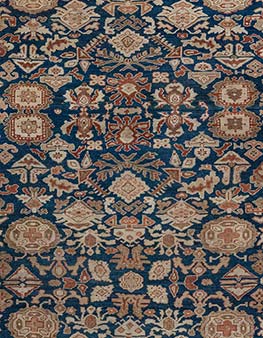
Antique Sultanabad Persian Allover Warm Tan Hand-Knotted Wool Rug – Circa 1920 BB8017
Size: 11'8" × 15'10" (355 × 482 cm) -
Sultanabad Persian Antique Floral Allover Ivory Beige Hand-Knotted Wool Carpet – Circa 1920 BB8010
Size: 13'7" × 25'4" (414 × 772 cm) -
Antique Bakshaish Persian Allover Geometric Warm Tan Hand-Knotted Wool Rug – Circa 1920 BB8006
Size: 10'7" × 12'3" (322 × 373 cm) -
Antique Kirman Persian Allover Floral Soft Beige Hand-Knotted Wool Rug – Circa 1920 BB8001
Size: 14'3" × 21'3" (434 × 647 cm) -
Antique Kirman Persian Allover Floral Ivory Hand-Knotted Wool Rug – Circa 1920 Afshar BB7999
Size: 6'1" × 12'5" (185 × 378 cm) -
Antique Tabriz Persian Allover Dusty Blue Hand-Knotted Wool Carpet – Circa 1920 BB7998
Size: 12'7" × 19'1" (383 × 581 cm) -
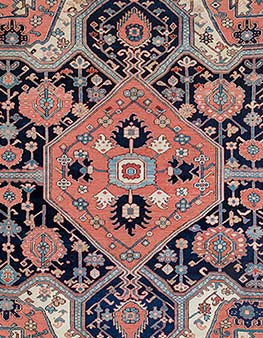
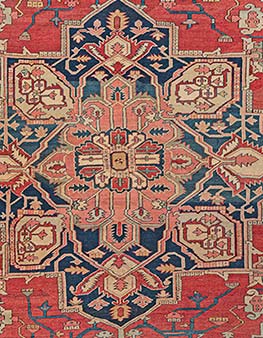
Antique Heriz Persian Medallion Geometric Ivory Hand-Knotted Wool Rug – Circa 1920 BB7995
Size: 9'6" × 13'2" (289 × 401 cm) -
Sultanabad Persian Antique Floral Allover Warm Tan Hand-Knotted Wool Carpet – Circa 1930 BB7776
Size: 11'0" × 11'6" (335 × 350 cm) -
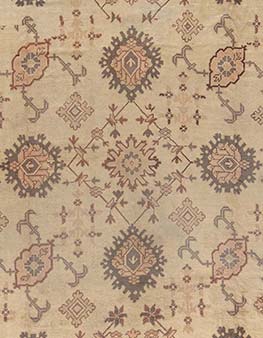
Antique Oushak Turkish Floral Allover Rug In Cream Beige – Hand-Knotted Wool – Circa 1930 BB7685
Size: 12'2" × 12'4" (370 × 375 cm) -
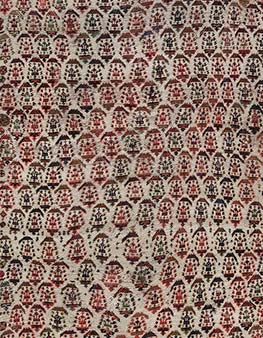
Antique Persian Allover Light Beige Hand-Knotted Wool Rug – Circa 1920 Afshar BB7153
Size: 5'3" × 9'10" (160 × 299 cm) -
Malayer Persian Antique Allover Floral Classic Taupe Hand-Knotted Wool Rug – Circa 1930 BB8133
Size: 5'10" × 11'5" (177 × 347 cm) -
Antique Heriz Persian Medallion Geometric Soft Beige Hand-Knotted Wool Rug – Circa 1920 BB8007
Size: 9'6" × 14'4" (289 × 436 cm) -
Antique Malayer Persian Allover Cream Beige Hand-Knotted Wool Rug – Circa 1920 BB7993
Size: 10'7" × 18'10" (322 × 574 cm) -
Antique Tabriz Persian Floral Allover Light Beige Hand-Knotted Wool Rug – Circa 1930 BB7992
Size: 10'3" × 13'7" (312 × 414 cm) -
Antique Kirman Persian Floral Allover Light Beige Hand-Knotted Wool Carpet – Circa 1920 BB7991
Size: 10'8" × 16'3" (325 × 495 cm) -
Antique Kirman Persian Floral Allover Ivory Hand-Knotted Wool Carpet – Circa 1930 BB7911
Size: 9'0" × 12'3" (274 × 373 cm) -
Antique Sultanabad Persian Allover Cream Beige Hand-Knotted Wool Carpet – Circa 1980 BB7910
Size: 10'10" × 13'1" (330 × 398 cm)
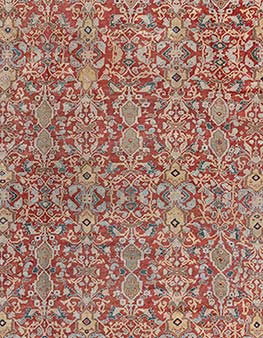
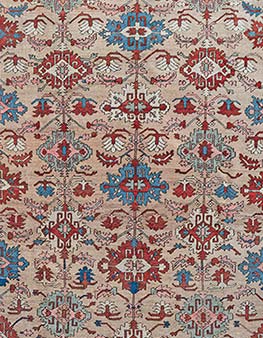
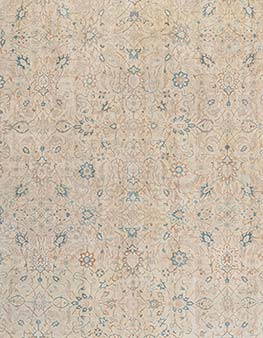
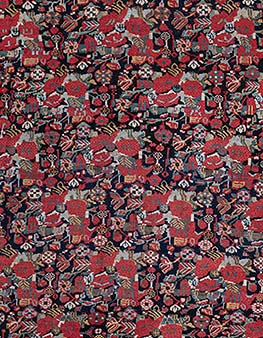
Hand-Knotted Antique Rugs FAQ
What makes a hand-knotted antique rug valuable?
Value is influenced by age, origin, weaving quality, materials, design rarity, condition, size, color, and decorative demand. A fine antique Persian, Turkish, Indian, or European rug may be desirable because of its craftsmanship, provenance indicators, balanced pattern, natural patina, and ability to work in refined interiors. Large sizes and exceptional palettes can also be important.
Are antique rugs always more than 100 years old?
In the rug market, antique rugs are typically 100+ years old. Some dealer and collector contexts also include early twentieth-century hand-knotted carpets when they have historic weaving, rarity, and decorative character. Each piece should be evaluated individually by approximate date, origin, construction, condition, and design quality rather than by category label alone.
Which origins are common in hand-knotted antique rugs?
Important origins include Persian weaving centers such as Tabriz, Kashan, Kirman, Bidjar, Meshad, Khorassan, and Sultanabad, as well as Turkish Oushak, Indian Agra and Amritsar, French Savonnerie and Aubusson, Caucasian, Spanish, Bessarabian, and other regional traditions. Each origin has distinct patterns, colors, materials, and weaving characteristics.
How should I choose an antique rug for a room?
Start with room dimensions, furniture layout, color direction, and expected use. Then compare allover versus medallion designs, pile condition, weave, material, border scale, and whether the rug should quietly support the room or become a focal point. Designers often view antique rugs in relation to flooring, upholstery, art, light, and architectural details.
Can antique hand-knotted rugs be used in modern interiors?
Yes. Antique hand-knotted rugs often work exceptionally well in modern interiors because their patina, irregularities, and layered color add depth to clean architecture and contemporary furniture. A restrained Sultanabad, Oushak, Tabriz, or decorative Persian rug can soften minimal rooms, while geometric or tribal examples can create stronger contrast.
What condition details matter when buying antique rugs?
Important condition details include pile height, foundation strength, edge and end finishes, color stability, prior restoration, wear patterns, repairs, and whether the rug lies flat. Age-related wear can be attractive when structurally sound and visually balanced. For high-use rooms, condition and suitability for traffic should be weighed alongside beauty and rarity.
What if no antique rug fits my exact size?
Because antique rugs are one-of-a-kind, the exact size, palette, or condition needed for a project may not always exist. In that case, a made-to-order rug can be considered as a separate solution, using antique design inspiration while controlling dimensions, colors, materials, and scale for the architecture of the room.