

-
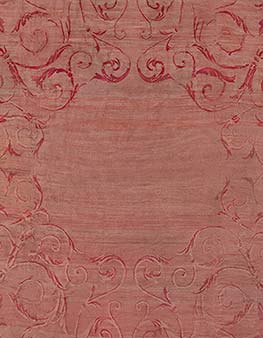
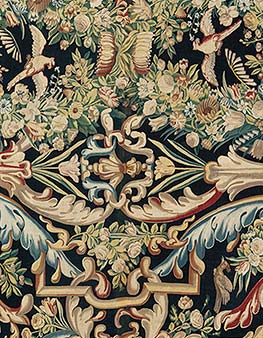
Oversized Antique Savonnerie French Floral Allover Dusty Rose With Red Hand-Knotted Wool Rug – Circa 1880 BB0715
Size: 20'0" × 32'3" (609 × 982 cm) -
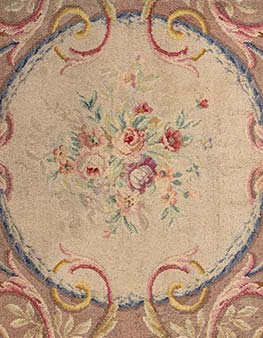
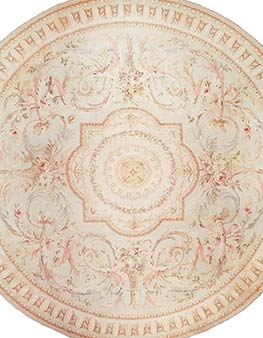
Antique Savonnerie French Floral Medallion Cream Beige Hand-Knotted Wool Rug – Circa 1900 BB7800
Size: 8'4" × 14'1" (254 × 429 cm) -
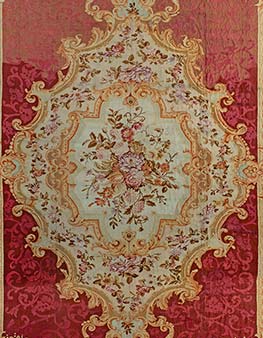
Antique Aubusson French Floral Medallion Ivory Hand-Knotted Wool Rug – Circa 1850 BB6951
Size: 17'3" × 21'8" (525 × 660 cm) -
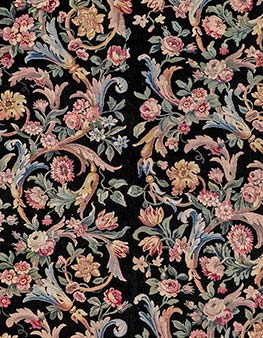
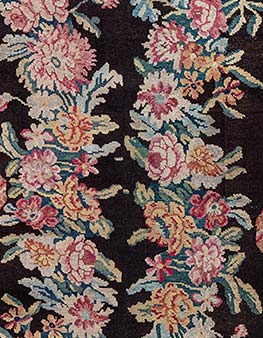
Antique Savonnerie French Allover Floral Midnight Black Hand-Knotted Wool Rug – Circa 1920 (Size Adjusted) BB6937
Size: 5'0" × 8'6" (152 × 259 cm) -
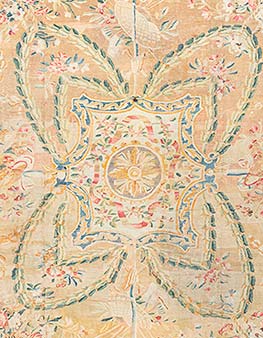
Antique Aubusson French Medallion Floral Soft Beige Hand-Knotted Wool Rug – Circa 1800 BB6784
Size: 17'0" × 17'0" (518 × 518 cm) -
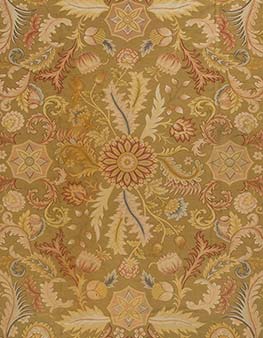
Aubusson French Antique Floral Allover Warm Tan Hand-Knotted Wool Silk Rug BB6434
Size: 11'8" × 16'2" (355 × 492 cm) -
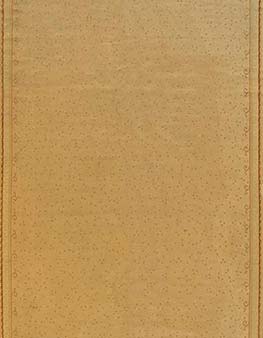
Antique Aubusson French Floral Allover Light Beige Hand-Knotted Wool Rug – Circa 1880 BB6022
Size: 10'0" × 19'9" (304 × 601 cm) -
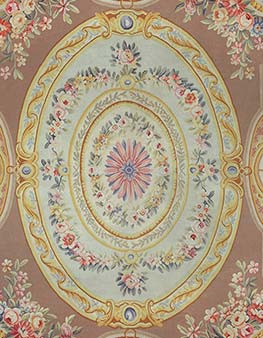
Antique Aubusson French Medallion Floral Cream Hand-Knotted Wool Rug BB5215
Size: 7'7" × 10'3" (231 × 312 cm) -

Aubusson French Antique Allover Floral Warm Tan Hand-Knotted Wool Rug – Circa 1700 Gobelin Tapestry BB1212
Size: 11'8" × 13'5" (355 × 408 cm) -
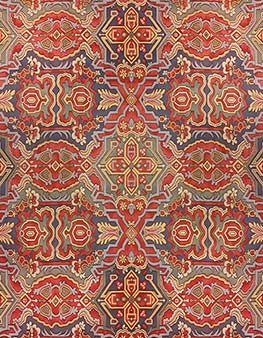
Aubusson French Antique Allover Geometric Soft Beige Hand-Knotted Wool Rug – Circa 1920 BB0181
Size: 17'1" × 18'6" (520 × 563 cm) -
Antique Aubusson French Allover Cream Beige Hand-Knotted Wool Rug – Circa 1870 BB0135
Size: 13'8" × 13'8" (416 × 416 cm) -
Savonnerie Antique Floral Brown Hand-Knotted Wool Runner – Circa 1800 BB9188
Size: 5'7" × 14'3" (170 × 434 cm) -
Aubusson French Antique Allover Floral Geometric Runner In Soft Beige Hand-Knotted Wool – Circa 1900 BB8880
Size: 3'8" × 11'5" (111 × 347 cm)
French Antique Rugs FAQ
What defines a French antique rug?
A French antique rug is generally a French or French-style carpet that is around 100 years old or older, although some collectible examples may be later vintage works. Buyers commonly look for Aubusson, Savonnerie, needlework, and related European carpets with identifiable construction, period character, quality materials, and decorative value.
Are Aubusson and Savonnerie rugs the same?
No. Aubusson rugs are often associated with flatwoven tapestry techniques and graceful floral or neoclassical designs. Savonnerie rugs are typically hand-knotted pile carpets with a more sculptural surface and formal courtly ornament. Both are important French rug traditions, but they differ in construction, texture, and visual presence.
Which rooms suit French antique rugs best?
French antique rugs work especially well in living rooms, dining rooms, bedrooms, libraries, galleries, and formal entries. Their refined palettes, medallions, borders, and botanical motifs can complement European antiques, tailored upholstery, plaster walls, contemporary furniture, and rooms where softness and architectural order are equally important.
What should I check before buying one?
Review the rug's size, age, origin, weave, material, palette, condition, repairs, and whether it has been size adjusted or is a fragment. For interiors, also consider border placement under furniture, how the colors read in natural light, and whether the scale suits the room's architecture.
Can French antique rug designs be custom made?
Original antique French rugs are unique and cannot be exactly recreated with the same age or patina. However, historic Aubusson or Savonnerie design language can inspire custom made or made-to-order rugs when a project requires a specific size, palette, or construction that is not available in an antique piece.