


Caucasian Antique Rugs
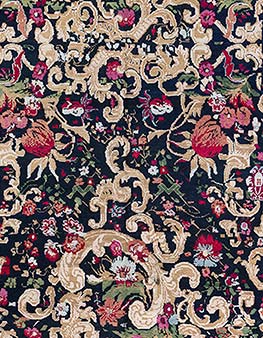
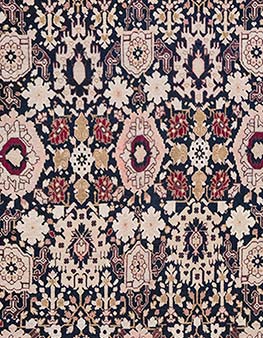
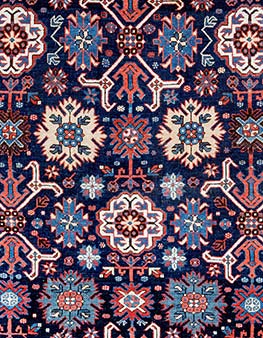
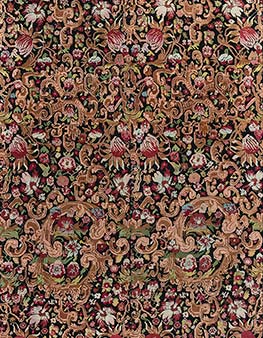
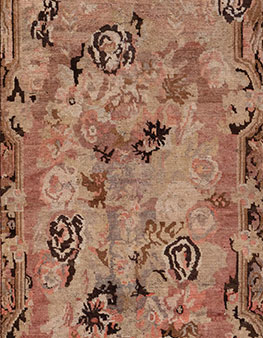
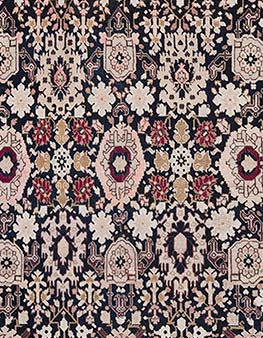
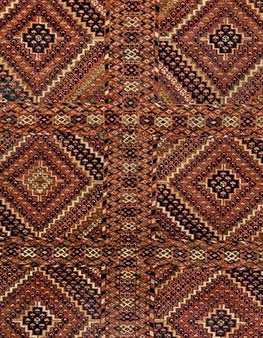
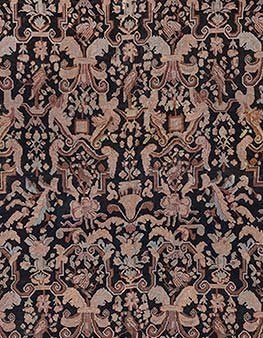
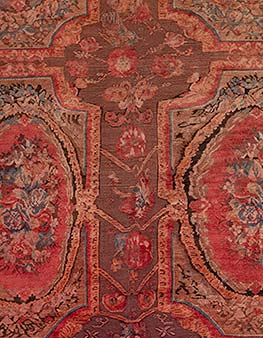
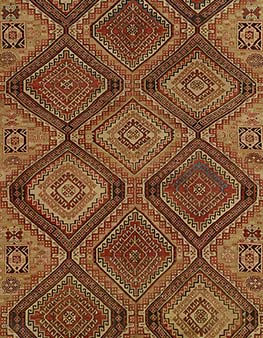
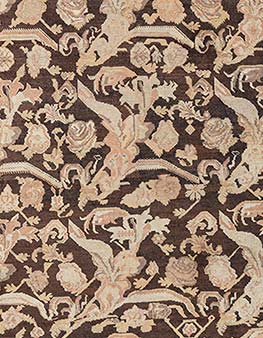
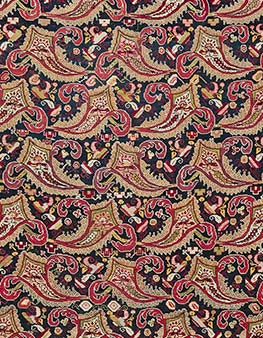
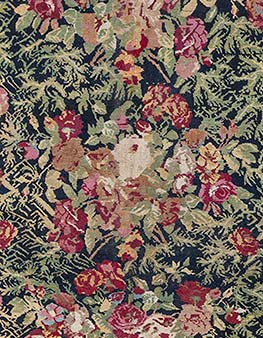
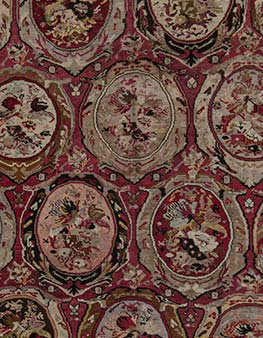
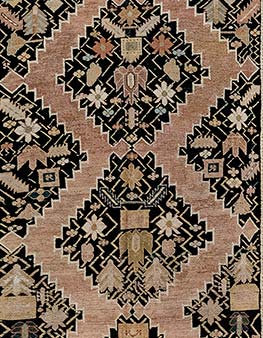
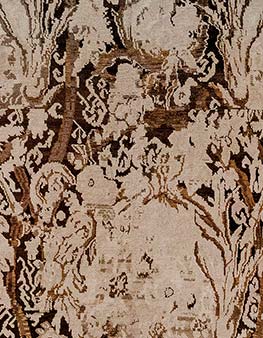
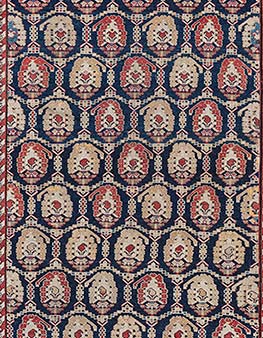
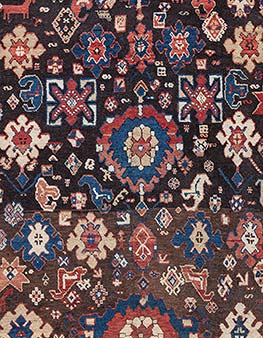
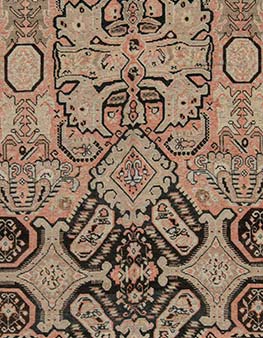
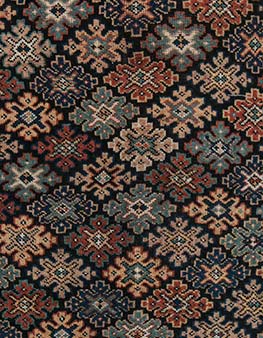
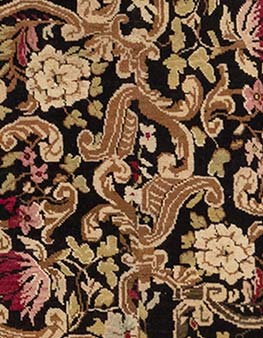
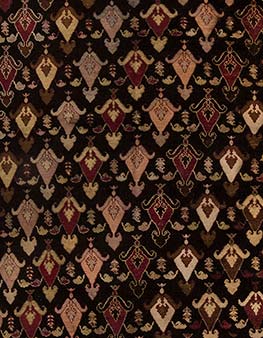
Caucasian antique rugs occupy a distinctive place within the world of antique Oriental carpets: graphic, architectural, deeply regional, and often remarkably adaptable to contemporary interiors. Woven in the Caucasus and nearby weaving districts, these hand-knotted rugs are admired for clear drawing, saturated yet balanced color, and patterns that range from angular medallions to allover floral and paisley-inspired designs. In the Doris Leslie Blau collection, the emphasis is on antique Caucasian rugs with strong decorative presence, including Karabakh rugs, long runners, room-size carpets, and narrow formats suited to galleries, libraries, dining rooms, and layered living spaces.
Regional Character, Pattern, and Craft
Unlike many courtly Persian rugs, antique Caucasian carpets often communicate through bold structure and rhythmic repetition. Karabakh weaving, represented strongly in this category, may combine Caucasian geometry with floral, boteh, and allover patterns that feel both historic and unusually usable. Many pieces are woven in wool on traditional foundations, with pile, handle, color variation, and surface patina that reflect age and use rather than modern uniformity. These qualities are especially valuable to interior designers seeking antique area rugs that bring authenticity without overwhelming a room.
Antique rugs are typically 100+ years old, and many Caucasian examples date from the late nineteenth or early twentieth century. For serious buyers, age is only one part of evaluation. Origin, weave density, materials, condition, restoration history, scale, border balance, and color all influence how a rug will perform visually and practically. A cream, taupe, golden tan, or warm beige Caucasian carpet can soften modern architecture, while a more geometric runner can create direction and tension in a hallway or stair-adjacent space.
How to Evaluate a Caucasian Antique Rug
Because Caucasian rugs are frequently chosen for both design value and collector appeal, the best selection process looks beyond pattern alone. A well-chosen piece should relate to the room’s architecture, furniture placement, light, and traffic pattern. Doris Leslie Blau has sourced antique rugs from estates, auctions, dealers, and private collections since 1965, giving clients access to pieces selected for decorative quality as well as craftsmanship.
- Review the stated circa date, origin, and construction details before comparing rugs.
- Match scale to furniture layout, allowing borders and field design to read clearly.
- Consider palette under natural and evening light, especially warm neutrals and abrash.
- Look at condition, pile consistency, edges, ends, and any restoration notes.
- Choose runners for corridors and transitional spaces where pattern can guide movement.
Using Caucasian Rugs in Luxury Interiors
The appeal of Caucasian antique rugs is their ability to feel collected rather than staged. They work well with linen upholstery, carved wood, leather, plaster walls, bronze, stone, and contemporary art. A long Karabakh runner can bring warmth to a corridor without the formality of a palace carpet; a room-size wool rug can anchor seating while adding a subtle historical layer. These rugs are particularly effective in interiors that need pattern with discipline: libraries, studies, dining rooms, primary bedrooms, entry halls, and boutique hospitality spaces.
For projects requiring a precise dimension or a related look in a different scale, an antique rug cannot simply be ordered in another size. However, Doris Leslie Blau can help compare available antique Caucasian carpets and, when appropriate, discuss custom made or made-to-order rugs inspired by compatible palettes, proportions, or design language. That distinction matters: the antique piece offers age, patina, and provenance; the custom rug offers control over scale. Together, they give collectors, architects, and luxury homeowners a more intelligent path to sourcing rare rugs for highly specific interiors.