

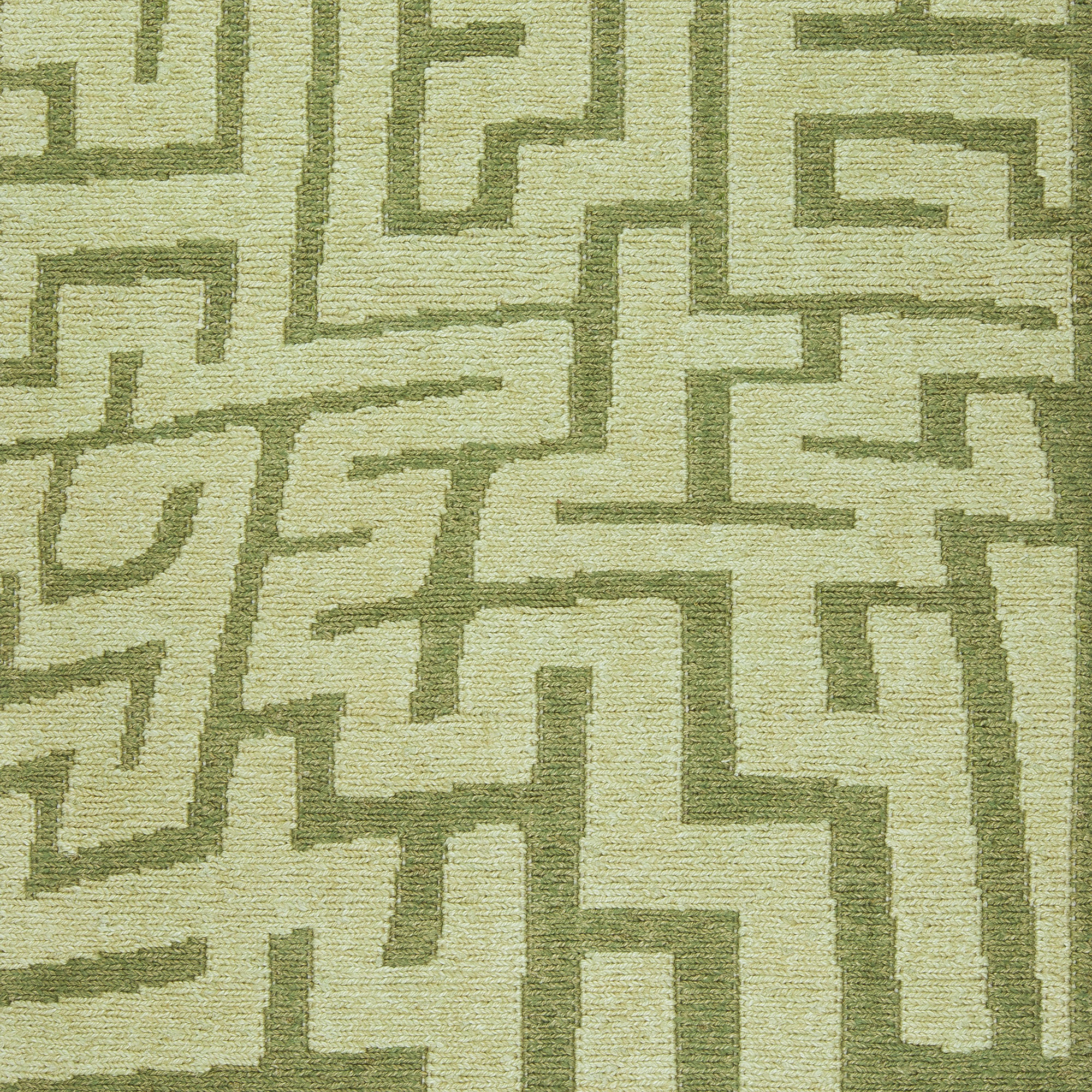
For homes that need both polish and performance, wool rugs are often the most practical starting point. They offer a rare balance of rug softness, rug durability, and visual restraint, which is why they appear so often in custom rugs specified for entry halls, family living rooms, and dining spaces that still need to look composed after daily use. Wool is not only comfortable underfoot; it also has the structure to handle traffic, furniture, and repeated cleaning without losing its character too quickly. In a luxury interior, that combination matters because a rug must support the room’s architecture rather than simply decorate it.
Wool works especially well in busy houses because the fiber has an inherent springiness. When properly constructed, wool fibers tend to recover better from compression than many softer materials, which helps a rug look composed where chairs move, foot traffic concentrates, or family life is constant. That resilience is one reason wool remains a standard in hand-knotted and hand-tufted designs alike. For designers, it is also reassuring because the material can support a wide range of looks, from a quiet, low-contrast ground to a more expressive pattern that still feels disciplined.
Explain wool’s resilience in everyday use
Wool’s performance begins at the fiber level. The natural crimp in wool helps the yarn hold its loft, and that loft contributes to both comfort and recovery after pressure. In practical terms, that means a wool rug can sit under a sofa arrangement, anchor a corridor, or endure daily circulation with less visible flattening than many delicate fibers. This is not the same as saying wool is indestructible, but it does mean that rug durability is built into the material in a way that suits active households.
Another advantage is wool’s surface behavior under use. It tends to hide minor soil and wear better than very smooth, highly lustrous materials because the texture diffuses light rather than reflecting every mark. That quality is particularly helpful in rooms with strong daylight, polished stone, or high-contrast furniture finishes, where an overly delicate rug can show every shift in the surface. In a well-specified interior, wool supports a sense of ease without looking casual.
Wool also brings a useful amount of natural friction, which helps the rug stay visually grounded in the room. On hardwood floors, that can make a large room feel less slippery and more settled, especially when the furniture plan depends on clear zones. For custom rugs, this is a major advantage because the piece can be sized to the seating group, not just the floor, allowing the room to feel intentional even when the space is used heavily every day.
Describe texture options from plush to more structured surfaces
Wool is not one texture; it is a broad category of surfaces. A dense cut pile can feel exceptionally soft and cushioned, which suits bedrooms, private sitting rooms, and formal spaces where the rug is meant to add tactile comfort. At the other end of the spectrum, a tighter looped or low-sheared construction offers a more tailored surface with a crisper visual line. Both can be elegant, but they serve different lifestyles and different design vocabularies.
Plush wool rugs are often selected when rug softness is a central goal. They work beautifully in rooms where bare feet are part of the experience, and they can make a large space feel more inviting by absorbing sound and softening hard finishes. The tradeoff is that higher pile can show traffic patterns sooner than a more structured weave, especially near entrances or under rolling chairs. If the room is heavily used, it is often wiser to choose a medium pile with dense construction rather than the deepest possible surface.
Structured wool rugs, including low-pile hand-knotted options, are especially useful in dining rooms, transitional spaces, and family rooms with substantial furniture. They provide a refined outline under tables and legs, and they usually make vacuuming and spot care easier. When the goal is a room that looks tailored rather than plush, this type of surface can be the best balance between softness and clarity. Many of the most successful custom rugs rely on that middle ground: comfortable enough to feel luxurious, disciplined enough to support everyday circulation.
Designers also think about pile height in relation to pattern. A subtle striation, a border, or a restrained geometric motif often reads more clearly in a lower or medium pile, while a heavily textured rug can soften complex patterns and make them feel more atmospheric. In open-plan homes, that difference matters because the rug needs to interact with sofas, tables, and nearby architecture without competing with them. Wool gives enough flexibility to fine-tune that relationship rather than forcing one surface type for every room.
Address cleaning, wear, and seasonal rotation
Maintenance is one of the strongest arguments for wool rugs in active homes. Wool naturally resists a degree of soiling because its fibers contain lanolin and because the structure of the yarn can make surface dust less likely to settle deep into the pile immediately. In daily use, regular vacuuming and prompt attention to spills are usually more effective than aggressive cleaning methods. For most luxury homes, that is an important distinction: a rug should be manageable without becoming a maintenance project.
Still, wool deserves proper care. Vacuuming should be consistent but not overly harsh, especially on hand-knotted pieces with a softer pile. Rotating the rug periodically can help distribute wear more evenly, which is especially useful in rooms where sunlight, seating patterns, or traffic lanes create uneven pressure. In a large living room, for example, the area in front of the main sofa may compress first, while the corners near side chairs remain relatively untouched. A simple rotation schedule can preserve balance and keep the rug looking more even over time.
Seasonal rotation is also helpful when a home experiences strong shifts in use. A mountain house, a coastal residence, or a family home with major holiday gatherings may have periods of heavy activity followed by quieter intervals. Moving a wool rug from one room to another, or switching its orientation, can extend its life and refresh the composition of the space. For owners who invest in custom rugs, that kind of stewardship is often as important as the initial selection because it protects the long-term value of the piece.
If you are choosing between materials, wool also tends to be more forgiving than many people expect when it comes to maintenance routines. It does not require the delicate handling associated with some silk-rich constructions, and it usually provides better everyday resilience than fibers chosen purely for sheen. For households that want refinement without fragility, that makes wool a highly practical option. It is one reason Doris Leslie Blau often guides clients toward wool when they need a rug to work hard but still look composed.
Show where wool is preferable to softer but more delicate fibers
Wool is not always the softest fiber in a tactile sense, but it is often the smarter one in high-use rooms. Silk-rich rugs can be extraordinary in formal settings, yet they tend to ask for more caution, especially where pets, children, or frequent entertaining are part of daily life. In those situations, wool usually offers a better ratio of comfort to responsibility. It can still feel elegant, but it does not demand the same level of visual protection.
Entry halls are a clear example. A beautiful but delicate rug in an entry can look impressive on day one and tired shortly after if shoes, weather, and repeated movement are part of the picture. Wool, by contrast, can withstand a more active threshold while still giving the arrival space warmth and definition. The same logic applies to family rooms, where seating shifts, play, and casual use are inevitable. A wool rug can support that activity without making the room feel improvised.
Dining rooms also reward wool because they require a surface that reads elegantly from a distance and remains manageable beneath chairs. The ideal rug in that setting should extend far enough beyond the table to allow chairs to move without catching, while the weave and pile should resist obvious impressions. A structured wool rug often performs better here than a highly delicate one because it keeps the room looking orderly after repeated use. In this context, durability is not merely technical; it is part of the room’s visual discipline.
That said, there are rooms where another fiber or a blend may be appropriate. Very formal salons, low-traffic guest rooms, or spaces where the rug is primarily viewed rather than used may justify a more delicate construction. The key is matching material to use pattern rather than assuming softness alone makes a rug better. For many homes, wool becomes the default because it handles the largest number of real-world scenarios with the fewest compromises.
How wool supports scale, proportion, and room planning
In luxury interiors, a rug is rarely an isolated object. It interacts with the architecture, the furniture layout, and the room’s proportions, which means material choice affects the final reading of the space. Wool is especially effective here because it can be woven in sizes and structures that suit everything from compact sitting rooms to expansive open-plan interiors. That makes it a practical choice for custom rugs, where scale often matters as much as pattern.
For example, in a large living room with multiple seating areas, a wool rug can define the primary conversation zone without overpowering adjacent circulation paths. If the pile is too deep or the pattern too busy, the room can feel heavy; if the surface is too thin, the furniture may seem visually detached. Wool gives enough substance to unify the arrangement while still allowing the surrounding finishes to breathe. Designers often rely on that balance when they want the room to feel finished but not overly staged.
Color is part of the equation as well. Wool accepts dye beautifully, which allows for nuanced neutrals, softened contrasts, and deeper shades that still feel grounded. In rooms with warm wood, stone, or lacquered finishes, a wool rug can be calibrated to the exact temperature of the space. This is where made-to-order rugs become especially useful: the fiber, pattern density, border width, and overall scale can all be adjusted to support the room instead of competing with it.
If you are exploring a project with a specific floor plan or furniture challenge, a custom rugs consultation can be the most efficient way to translate design intent into a workable floor covering. That process is valuable when the room has unusual proportions, mixed circulation, or a need for discreet pattern that still carries presence. Wool is often the material that makes those decisions easier because it responds well to thoughtful specification.
What to look for when specifying wool for a busy home
Not all wool rugs behave the same way, so construction matters. A dense hand-knotted rug will usually perform differently from a hand-tufted version with a similar appearance, and the best choice depends on how the room is used. Look closely at pile height, yarn density, and edge finishing rather than focusing only on color or motif. These details shape how the rug feels underfoot, how it ages, and how it reads at furniture level.
It is also worth considering the surrounding materials in the room. A wool rug in a house with stone floors, upholstered seating, and dark millwork may need a different surface balance than one paired with pale oak and soft linen. The first room may benefit from more texture and visual warmth, while the second may need tighter construction to keep the composition crisp. In both cases, the rug should support the room’s architecture and daily use pattern, not simply fill the floor.
For owners comparing options, reviewing custom rug design resources alongside material and weave guides can clarify what to ask for during the specification process. That is particularly useful if the project involves pets, children, entertaining, or mixed-use spaces where the rug must do more than look decorative. A thoughtful specification can improve both rug durability and long-term satisfaction, which is ultimately what makes a wool piece worth choosing.
Where wool’s softness is most noticeable
Wool’s comfort is often most appreciated in rooms where people spend time at floor level or barefoot. Bedrooms, private dressing areas, and quiet sitting rooms benefit from a wool rug that offers warmth without visual clutter. In these spaces, rug softness contributes to the atmosphere directly: the room feels less echoing, less severe, and more settled. Even a restrained design can feel generous if the surface has enough body.
That softness also helps in acoustically lively homes. High ceilings, stone surfaces, and large panes of glass can create a lot of reflected sound, which makes rooms feel less intimate than they should. A wool rug absorbs some of that energy and makes conversation feel more comfortable. In this sense, the material is doing architectural work as much as decorative work, especially in open-plan layouts where multiple functions share one envelope.
At the same time, softness should be understood in context. The most luxurious feeling rug is not necessarily the deepest or the most delicate; it is often the one that gives the right sensation underfoot while still fitting the room’s rhythm. Wool is effective because it can be tailored to that brief. In a formal interior, that may mean a tightly woven piece with a refined hand. In a family room, it may mean a slightly plusher surface that still keeps its shape.
FAQ
Is wool hard to maintain?
No, wool is generally one of the more manageable natural fibers for everyday interiors. Regular vacuuming, prompt spill care, and periodic rotation are usually enough for routine upkeep. The key is choosing the right construction for the room, since a dense wool rug will be easier to live with than a very delicate pile in a high-traffic area.
Does wool pill or shed?
Some initial shedding can occur, especially with new rugs or certain handwoven constructions, and light pilling may appear in areas of abrasion. That does not usually indicate a flaw. Over time, the behavior depends on fiber quality, yarn twist, and pile density, which is why the construction details matter as much as the material itself.
Can wool rugs be formal enough for elegant rooms?
Absolutely. Wool can look very refined when the weave, palette, and pattern are carefully controlled. A low-pile hand-knotted wool rug with a disciplined border or tonal pattern can be as elegant as many more delicate materials, while still being more practical for regular use.
Are wool rugs good for households with pets or children?
In many cases, yes. Wool is often a strong choice because it offers a useful combination of comfort, resilience, and easier daily maintenance than more fragile fibers. The most suitable version will depend on pile height, pattern, and how active the room really is.
For homes that need beauty to coexist with daily life, wool remains one of the most intelligent rug materials available. It supports comfort, helps preserve visual order, and adapts to a wide range of interiors without looking generic. If you are weighing fibers, scale, or construction for a specific room, Doris Leslie Blau can help with design guidance that is grounded in both craftsmanship and how the space will actually be lived in.