

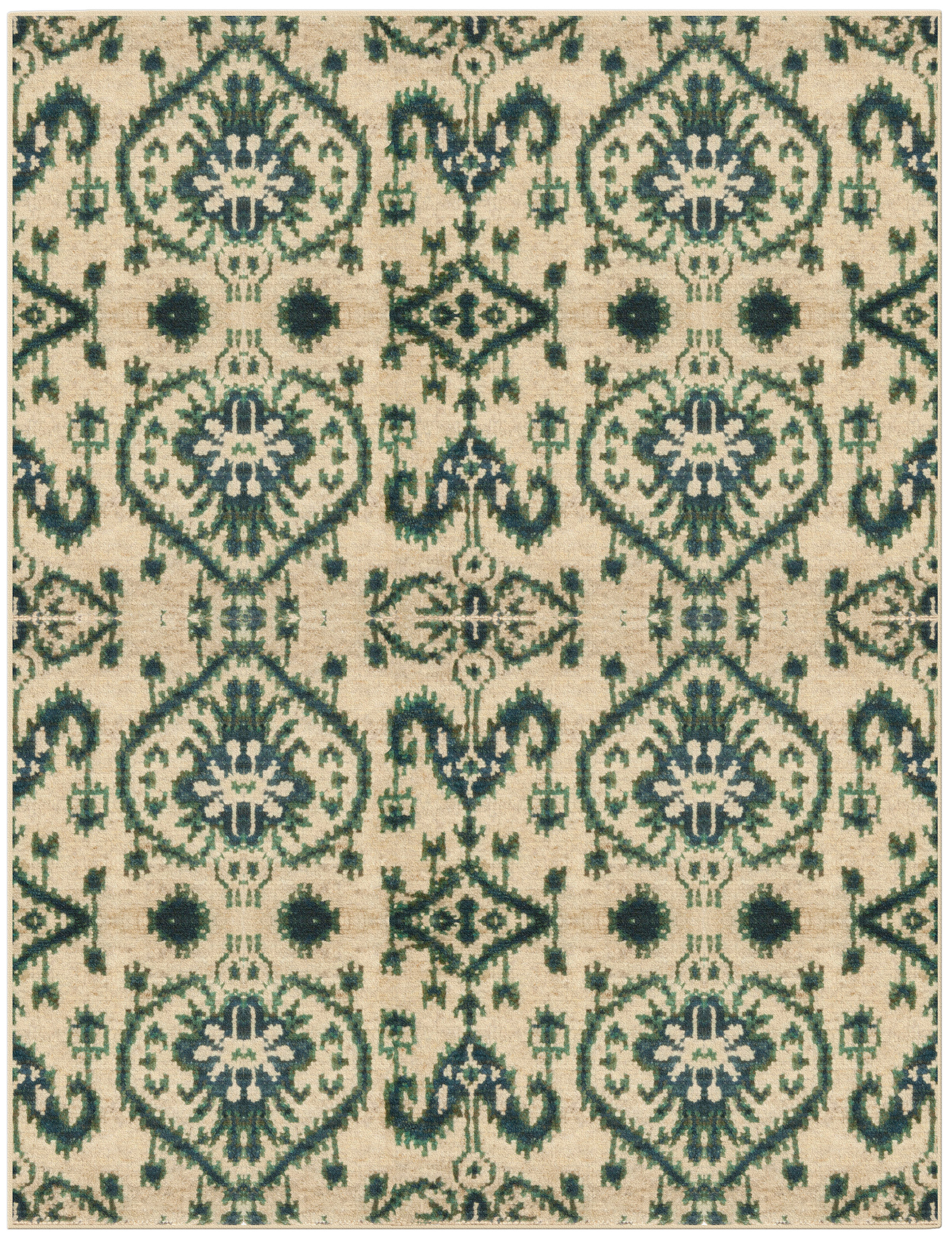
When a rug is technically “large enough” but still looks undersized, the issue is usually not the room itself—it is the relationship between the rug, the furniture, and the circulation paths around it. In that gap, you see awkward borders, floating seating groups, and visual noise that makes even a well-furnished space feel unresolved. This is where custom rugs become less of a luxury choice and more of a design correction, especially in rooms with unusual dimensions, open-plan layouts, or furniture arrangements that retail sizes were never meant to serve.
Interior designers run into this problem constantly: a living room that measures generously, a dining area that extends beyond standard rug proportions, or a primary bedroom where the rug stops just before the nightstands. In each case, the room may be furnished correctly, yet the rug fails to anchor it. The result is often subtle but persistent, because the eye registers too much floor at the perimeter and not enough visual weight under the main furniture. If you are deciding between making do and commissioning made-to-measure rugs, the right answer depends on how the room is used, how it is seen, and how much of the floor the rug must actually organize.
Diagnose the visual problems caused by undersized rugs
The first step is to identify what the rug is failing to do. In a seating area, a small rug can cause the front legs of sofas and chairs to hover near the edge, which makes the arrangement look detached rather than intentional. In a dining room, too much exposed floor around the table can make the furniture seem adrift and can also leave chair legs half on and half off the rug when guests pull them back. In hall-adjacent spaces or open-plan rooms, undersized rugs often interrupt circulation instead of defining it, forcing the eye to treat the room as a series of fragments rather than a coherent zone.
Scale issues are easiest to spot when you stand at the room’s main entry points. If the rug appears to “float” in the center with an unusually wide border of bare floor on all sides, the room will read as unfinished even if the rug is beautiful on its own. The same is true when the rug’s pattern is strong but the field around it is too small to let the design breathe. A pattern-heavy antique can look crowded, while a restrained wool rug can look timid if its edges do not properly engage the furniture. This is a proportion problem, not a style problem.
Light and architecture also affect perception. A rug that seems acceptable in a compact, softly lit room may look undersized once daylight reveals the full perimeter, especially in spaces with long sightlines or high ceilings. Similarly, a glossy stone floor or a large expanse of pale wood makes negative space more visible, so the rug has to do more work to ground the composition. When that happens, the room may need custom rug design rather than a compromise size that technically fits but never quite settles the space.
Show when enlarging the rug is better than layering
Layering can solve some styling problems, but it is not the best answer when the core issue is scale. A smaller rug placed over a larger natural-fiber base may add texture, but it does not correct the underlying proportion if the room needs one substantial field to unify the furniture. In formal living rooms, dining rooms, and primary suites, layered rugs can also introduce visual clutter at the edges and complicate chair movement or door clearance. When the room needs an architectural anchor, a single properly sized rug usually reads more convincingly than two competing surfaces.
Enlarging the rug is especially effective when the furniture group is defined and stable. If the sofa, lounge chairs, coffee table, and occasional pieces all belong to one seating island, the rug should extend far enough to hold them as a unit. The same logic applies to a dining table with leaves or to a bedroom with benches, chests, or broad side tables. In those cases, the goal is not decorative layering; it is spatial clarity. Custom rugs allow that clarity because the dimensions can respond to the furniture plan instead of forcing the furniture to adapt to a retail size.
There are situations where layering still works: a casual reading corner, a nursery, or a room where you want to soften a broad expanse without full coverage. But if the rug is too small for the room’s primary function, layering often feels like a workaround rather than a resolution. The stronger choice is to specify a larger piece, whether that means a bespoke carpet in a precise size or a made-to-order rug that can meet the exact boundaries of the layout. The result is cleaner, quieter, and far more composed.
Explain how to set the target dimensions
Getting the size right begins with the furniture, not with the room perimeter. In seating areas, a good rule is to let at least the front legs of the major pieces rest on the rug, with enough extra border to keep the arrangement visually settled. If the room is large enough, a fully under-furniture approach often feels more luxurious because it creates a sense of generous scale, especially when the rug is visible beyond the coffee table. In dining rooms, the rug should extend beyond the chair pull-back zone so that chairs remain comfortably on the textile when occupied and when pushed away from the table.
A simple way to test proportion is to mark the intended dimensions on the floor with painter’s tape. This is especially helpful in rooms with irregular walls, fireplaces, bays, or open thresholds because the eye can misjudge space when there are no physical boundaries. You can then step back from the room’s main entrances and check whether the taped outline supports the furniture without swallowing the architecture. For many designers, this is where a custom rugs consultation becomes useful, because dimension planning is as much about circulation and sightlines as it is about inches.
Consider also how much border you want between the rug and the wall. In some rooms, a wider strip of visible floor creates a crisp frame and works well with minimal furniture. In others, especially larger spaces with substantial upholstery, a narrow border looks accidental and makes the rug seem like it stopped too soon. There is no universal number that solves every room, but there is a clear principle: the rug should feel intentionally related to the architecture. That is why designer specification often treats size as part of the composition, not a separate purchase decision.
A practical room example
Imagine an open living-dining space where the sofa floats in the center, the dining table sits nearby, and traffic needs to move behind the seating zone. A standard 9×12 rug might work under the coffee table, yet still leave the outer chairs hovering at the edges, while the dining area remains visually disconnected. In that case, one larger rug or two carefully sized rugs may be considered, but the better solution often depends on how the room is zoned. If one area dominates the other, a single oversized rug can define the primary group and leave the secondary zone to a different treatment. If both zones are equally important, made-to-measure rugs can be sized to their specific functions rather than forcing both to fit a compromise.
Discuss how to preserve balance in large rooms
Large rooms create a different challenge: once you go bigger, you have to keep the composition from feeling heavy. The answer is not to reduce the rug until the floor shows more; it is to control density through material, pattern, and edge definition. A hand-knotted rug with a refined motif can cover substantial square footage while still feeling tailored, because the pattern offers rhythm without visual weight. A low-contrast palette can also help, especially in rooms where the furniture is already substantial and you want the rug to support rather than compete with it.
Material choice matters as much as size. Wool is a dependable option for large living rooms because it balances softness, resilience, and visual depth; silk or silk-blend accents can add sheen where the room needs light play, but they should be used with care in high-traffic zones. Pile height should also be considered in relation to the furniture base and the room’s acoustics. A deeper pile can soften sound in expansive interiors, but a very thick rug near low-slung doors or movable dining chairs may create practical friction. In large rooms, the best custom rug design feels substantial without becoming cumbersome.
Pattern scale deserves equal attention. Small, busy motifs can become restless when enlarged, while broad geometrics or restrained borders can provide structure in a way that feels calm and deliberate. If the room contains strong architectural lines—columns, beams, paneling, or tall windows—choosing a rug with a compatible directional rhythm helps tie the space together. If the architecture is quiet, the rug can carry more of the composition through texture and color variation. Either way, the rug should read as part of the room’s structure, not as an afterthought placed at the center.
Color temperature also influences balance. Warm neutrals can soften a large room with hard surfaces, while cooler tones can make a broad textile feel more architectural and less plush. If the room contains antique pieces, a quieter field color may let the furniture remain dominant; if the room is minimal, the rug can introduce the necessary depth without overwhelming the scheme. This is where custom carpets are especially effective, because the palette can be tuned to the exact relationship between stone, wood, upholstery, and natural light.
Use proportion to solve circulation, zoning, and comfort
The best rug is not merely larger; it is better integrated with the way the room functions. In open-plan homes, a rug should help the eye understand where one zone ends and another begins, even when walls are absent. That means allowing enough coverage under the primary furniture to establish a boundary, while also preserving clear walkways so circulation feels effortless. A rug that is too small forces traffic to cut around it awkwardly, but one that is too large without proper planning can swallow the room’s natural paths.
Comfort also affects how people experience the space. Bare floor around the edge of a seating group can make the room feel colder and less settled, particularly in large interiors with high ceilings or hard finishes. A properly scaled rug absorbs sound, softens visual transitions, and makes the room feel anchored underfoot. In a family room, this can improve durability planning as well, since a well-placed wool rug can support daily use more successfully than a delicate surface that is constantly being asked to do too much. For owners who need both size and resilience, made-to-order rugs offer a far more precise answer than trying to force a standard dimension into an oversized plan.
If you are unsure whether the room needs one expansive rug or several defined ones, start by identifying the dominant activity and the main sightline. The dominant activity should determine the rug’s scale, while the sightline should determine how the edges are perceived from across the room. That is why interior designers often specify rugs after the furniture plan is settled, not before. It ensures the rug responds to real use rather than to an abstract room size on paper.
What to ask before ordering a larger rug
- Which furniture pieces must sit on the rug to make the arrangement feel grounded?
- How much clearance is needed for chairs, doors, and walking paths?
- Will the room benefit from a low-contrast ground or a more expressive pattern?
- Does the rug need to soften acoustics, protect floors, or withstand heavy use?
- Should the textile read as a quiet frame or a defining feature of the room?
Those questions help determine not only size but also construction. A formal dining room may call for a tightly woven surface that handles chair movement cleanly, while a lounge with deep seating may allow for richer texture and a slightly higher pile. In a room where the rug must visually disappear behind sculptural furniture, a subdued palette often works best. In a room that needs more personality, material contrast and pattern can provide interest without sacrificing proportion. The point is to make the rug answer the room’s actual problems, not just its measurements.
FAQ
Why does a rug that is technically available still look wrong?
Because availability is not the same as proportion. A size can fit within a room’s dimensions and still fail to anchor the furniture, leave too much exposed floor at the edges, or interrupt circulation paths. When that happens, the rug is too small in visual terms even if it is not too small on paper. This is often the clearest sign that custom rugs or a different format are needed.
Should I layer a smaller rug instead?
Sometimes, but only if the room’s main problem is softness or texture rather than scale. Layering can work in casual corners or transitional spaces, yet it rarely solves a seating or dining layout that needs one substantial anchor. If the furniture feels disconnected or the border around the rug looks accidental, a larger single rug will usually give the room better structure.
How do I keep a larger rug from overpowering the room?
Control the visual weight through pattern, pile height, and color rather than shrinking the dimensions. A larger rug can still feel light if it has a restrained motif, a thoughtful palette, and a construction suited to the room’s use. In many cases, the rug looks more balanced when it reaches the furniture properly, because the composition becomes quieter and more deliberate.
When should I consider made-to-measure rugs instead of standard sizes?
Consider them when the room has unusual proportions, when furniture placement cannot be resolved with retail dimensions, or when circulation demands a very specific edge condition. Open-plan interiors, long narrow rooms, and formal spaces with substantial furniture are all strong candidates. If the room keeps looking unfinished no matter how you style it, size is probably the issue.
When a standard rug is too small, the most effective fix is usually not a styling trick but a better dimension plan. Doris Leslie Blau can help you think through scale, construction, and material so the rug supports the room instead of competing with it. For rooms that need a more exact solution, specialist guidance can turn a frustrating floor plan into a composed interior with the right custom rugs in the right proportion.