

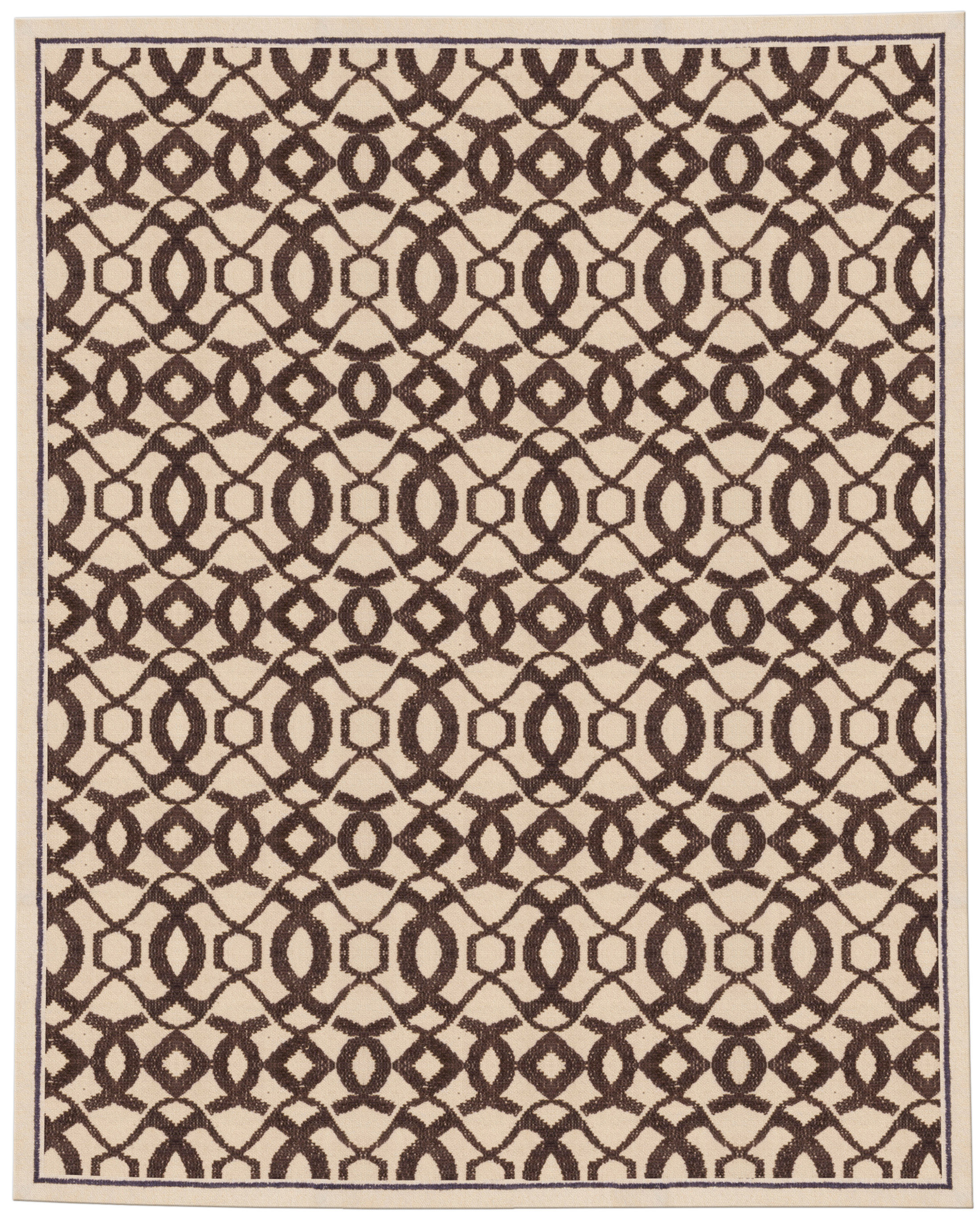
Scandinavian interiors are often admired for their clarity: pale walls, disciplined lines, and furniture that seems to breathe. Yet that same restraint can sometimes leave a room feeling acoustically sharp, visually thin, or simply colder than intended. The right rug can change that balance without disturbing the calm, especially when it is chosen with scale, texture, and fiber behavior in mind. For rooms that lean Nordic but need more softness, custom rugs offer the most precise way to add warmth while preserving the architecture of the space.
What makes this topic especially relevant is that Scandinavian design is not one fixed look. A disciplined apartment in Stockholm, a family room with pale oak built-ins, or a light-filled loft with low-profile seating all need slightly different solutions. The best rug is not the loudest one, but the one that introduces depth at the right density and in the right proportion. That may mean a denser weave, a warmer undertone, or a pattern so quiet it reads as texture from across the room. In a Nordic setting, the goal is not to decorate over the room’s honesty, but to give that honesty a softer acoustic and visual finish.
Keep the palette restrained while adding tactile depth
Scandinavian rooms usually work best when the color story stays disciplined. If the walls are chalk white, the flooring is pale ash, and the upholstery is in oat, stone, or fog, introducing a rug in a saturated color can break the room’s equilibrium too aggressively. Instead, look for tonal warmth: bone, flax, mushroom, muted taupe, soft camel, or a faded terracotta that remains quiet under daylight. These shades create temperature without stealing attention from the architecture or the furniture.
Tactile depth matters just as much as hue. A flat rug in a near-white room can disappear too completely, which leaves the floor plane feeling unfinished; a highly glossy surface can look out of character against matte woods and linen upholstery. Wool with a gently irregular hand, a wool-and-silk blend with restrained sheen, or a hand-knotted construction with subtle abrash can introduce dimension without visual noise. This is where modern minimalist rugs often succeed: they depend on nuanced material quality rather than obvious ornament.
If the room already has strong geometry, keep the rug’s color family close to the room’s existing temperature rather than introducing contrast for its own sake. Warm minimalist rugs are especially effective when the room has cool light or north-facing exposure, because they compensate for the blue cast that can make white and gray feel harder than intended. Even a modest shift toward cream, flax, or softened tan can change how upholstery and wood read in relation to one another. The result is not a different style; it is the same style with greater presence.
Use subtle pattern and weave to avoid flatness
One of the most common mistakes in Scandinavian interiors is choosing a rug that is visually polite but structurally dull. A completely even surface can flatten the entire room, especially when the furniture is low and the palette is almost monochromatic. Subtle pattern, by contrast, gives the eye something to register without interrupting the calm. The pattern should feel discovered rather than announced: a faint grid, a softened border, an archaic medallion nearly washed away, or a linear weave that echoes slatted wood.
Pattern density should be calibrated to the rest of the room. If the seating is upholstered in plain wool and the cabinetry is flush and handleless, the rug can carry more complexity in the weave. If the room already includes sculptural chairs, visible grain, or a pronounced fireplace surround, the floor should remain quieter. In practice, that may mean choosing a rug where pattern appears only at a distance or changes across the surface through pile variation rather than color contrast. This is often the difference between a room that feels thoughtful and one that feels overdesigned.
Hand-knotted rugs are especially useful here because they can express pattern through a very restrained language of knotting, abrash, and abridged motif. They are not the only option, but they are often the most flexible when the room must feel warm, clear, and durable at once. A carefully made rug can reference tradition without becoming traditional in style, which is ideal for Scandinavian rooms that want a sense of history but not heaviness. For clients who want something tailored to an exact palette or furnishing plan, custom rugs allow those small calibrations to happen with far more precision than an off-the-shelf piece.
Pair the rug with pale woods and clean upholstery
Scandinavian interiors depend on the relationship between the rug and the surrounding materials, not on the rug alone. Pale woods such as ash, oak, birch, and maple tend to work best when the rug supports their warmth rather than competing with it. If the wood finish is very pale and cool, a rug with a softer mineral base can keep the room from feeling washed out. If the wood has honey or smoked undertones, a rug with cream and beige in balance will usually feel more composed than one that leans too yellow.
Clean upholstery is equally important. A tailored sofa in linen, wool, or cotton-linen blend benefits from a rug that introduces texture but not visual busyness. The underside of the room matters too: low, open legs on seating and tables allow more of the rug to be seen, which means the rug must be selected as a visible field rather than a background afterthought. When the furniture is light in profile, the rug can anchor the ensemble by defining the seating zone with a stronger perimeter or a denser central field.
Consider the room as a composition of matte surfaces. Pale woods, natural fabrics, and muted walls all absorb and diffuse light in a similar way, so the rug should either reinforce that softness or provide a gentle counterpoint. A rug with a slight cut-and-loop structure can create shadows that give the floor dimension in daylight, while a low-sheen wool surface can keep evening lighting from producing glare. In a well-balanced Scandinavian room, the rug should make the seating area feel grounded without making it feel heavy.
Show how to keep the room airy rather than sparse
Airiness is one of the defining strengths of Scandinavian interiors, but airiness is not the same thing as emptiness. A room can be minimal and still feel complete if the rug, furniture, and circulation all work together. The rug should be large enough to establish a zone, especially in open-plan rooms where the absence of walls can make furniture seem adrift. Too small a rug breaks the visual continuity of the room and exaggerates the sense of spare-ness.
As a general principle, allow enough rug surface to extend beyond the main seating arrangement so the furniture feels intentionally gathered. In a living room, the front legs of the sofa and chairs should usually sit on the rug, and in a larger room all key pieces can sit fully on it if the layout permits. The surrounding floor should still be visible, but not so visible that the rug appears to float like a postage stamp. This is where proportion does the real work of warmth: a correctly scaled rug makes the room feel calmer, not fuller.
Pile height also affects visual airiness. A high-pile rug may feel comforting underfoot, but it can look too relaxed or too bulky in a room with crisp millwork and slim furniture. A low to medium pile usually suits Nordic-inspired interiors better because it preserves the clean horizon lines that define the style. If the room needs extra softness, texture can come from the weave itself rather than from loft alone. That approach keeps the floor elegant while still adding enough material presence to offset the coolness of the shell.
Practical rug choices for common Scandinavian room types
In a pale apartment living room with a compact sofa and a pair of lounge chairs, a rug with a quiet border or a micro-patterned field can define the seating group without making the room busy. The palette might stay in oatmeal and warm gray, but the surface could be more nuanced: a hand-knotted wool rug with slight tonal variation will often read richer than a perfectly uniform one. If the coffee table is glass or light wood, the rug should carry enough contrast in texture to prevent the center of the room from feeling visually empty.
In a dining area, the priorities shift slightly. Chairs move, legs scrape, and the rug must remain visually stable even when partially obscured by furniture. A flatter construction is usually better here than a deeply plush one, but warmth can still come from fiber quality and color temperature. A subtle bordered design can help contain the dining zone in an open-plan interior, especially if the adjacent kitchen has harder finishes like stone, lacquer, or metal. The rug should look composed from every angle, not only when the table is perfectly set.
For a bedroom, Scandinavian restraint can be paired with a slightly more enveloping hand. A rug placed under the lower two-thirds of the bed should extend enough on either side to feel generous when you step out in the morning. This is one place where warmth matters as much in experience as in appearance: the right wool pile, even if not especially thick, can change the sense of the room immediately. If the bedroom has very light walls and minimal textile layering, a rug with a warmer undertone is often what keeps the room from feeling underfurnished.
Why material and construction matter more than trend in Nordic rooms
Scandinavian interiors reward material honesty, which is why construction details deserve as much attention as color. Wool remains a strong choice because it offers resilience, natural warmth, and a surface that can look calm under daylight. When a room needs more softness, wool’s ability to hold texture without appearing shiny makes it especially suitable. Silk can add a refined glow, but in a restrained interior it works best as an accent within a predominantly wool structure rather than as the dominant surface.
Construction also influences how the rug ages in relation to the room. A carefully made rug that settles visually instead of flattening quickly will continue to support the interior as furniture, art, and lighting evolve. That matters in Scandinavian spaces, which often rely on a few well-chosen objects rather than frequent decorative changes. If the rug can hold the room together across seasons, it becomes part of the architecture of living rather than a temporary accessory.
That is one reason design professionals often specify custom rugs when a room needs warmth without losing precision. A made-to-order piece can account for the exact shade of the floor, the tone of the upholstery, the amount of daylight, and the desired visual weight in the plan. It can also resolve awkward dimensions that standard sizes rarely handle well, such as long narrow living rooms, irregular lofts, or interiors with exposed structural columns. In Scandinavian rooms, where scale is closely judged, that level of control is often more important than novelty.
A simple design checklist for a warmer Scandinavian room
- Choose a palette that stays within the room’s temperature range, then soften it with cream, flax, taupe, or muted camel.
- Use texture, abrash, or weave variation to add depth when the architecture is very clean.
- Match pile height to furniture style and traffic level so the rug supports the room rather than competing with it.
- Size the rug to define the seating or dining zone clearly, especially in open-plan layouts.
- Let wood tone, upholstery, and rug fiber work together instead of treating the rug as a separate design decision.
A realistic example: softening a bright, minimal living room
Imagine a living room with pale oak flooring, a low linen sofa, white walls, and a pair of simple birch-framed chairs. The room feels visually disciplined, but during winter it can seem a little severe, especially in afternoon light. A warm ivory hand-knotted wool rug with a faint tonal border would change the atmosphere immediately: it would introduce a softer ground plane, absorb sound, and make the seating group feel more deliberate. Because the rug stays close to the existing palette, the room remains light and airy, but the eye now has enough texture to read the space as complete.
If the same room had more visible grain in the wood, or a darker piece of walnut cabinetry, the rug could lean slightly warmer to bridge the materials. If a designer wanted to keep the room almost monochrome, a woven surface with subtle linear pattern could supply just enough rhythm to prevent visual monotony. This is the kind of problem solving that good rug selection addresses: not only what looks attractive, but what makes the whole room work harder and feel quieter at the same time.
FAQ
What rug textures suit Scandinavian rooms?
Textiles with quiet depth usually work best: hand-knotted wool, low-loop construction, subtle cut-and-loop surfaces, or wool blends with a soft matte finish. These textures complement pale woods and simple upholstery without introducing visual clutter. If the room is already minimal, the texture can do the work that color does elsewhere. The aim is to create softness underfoot and shadow on the surface, not a thick or overly plush look that fights the room’s clarity.
Can a patterned rug still feel Nordic?
Yes, as long as the pattern is restrained and integrated into the material rather than printed across it. Scandinavian interiors tend to favor pattern that reads as rhythm, structure, or tonal variation instead of bold contrast. A faded border, faint geometry, or artisanal abrash can feel entirely in keeping with the style. The key is to let the pattern support the room’s architecture, not compete with it.
How do I make a pale room feel warm?
Start by adjusting undertone rather than saturation. A rug in cream, flax, mushroom, or muted camel can warm a pale room without making it darker or heavier. Pair it with natural woods, linen, and wool so the whole room shares a similar softness of finish. In many cases, the right rug is the quickest way to shift a room from cool to inviting while keeping the Scandinavian restraint intact.
When a Scandinavian interior needs more warmth, the right rug is doing more than filling the floor: it is tuning the room’s proportion, light, and texture. Doris Leslie Blau approaches that decision as a design problem, not a decorative one, with the kind of gallery-level judgment that helps a room stay calm while feeling more lived in. For tailored guidance on material, scale, and finish, a specialist consultation can help define the rug that belongs in the space rather than merely inside it.