

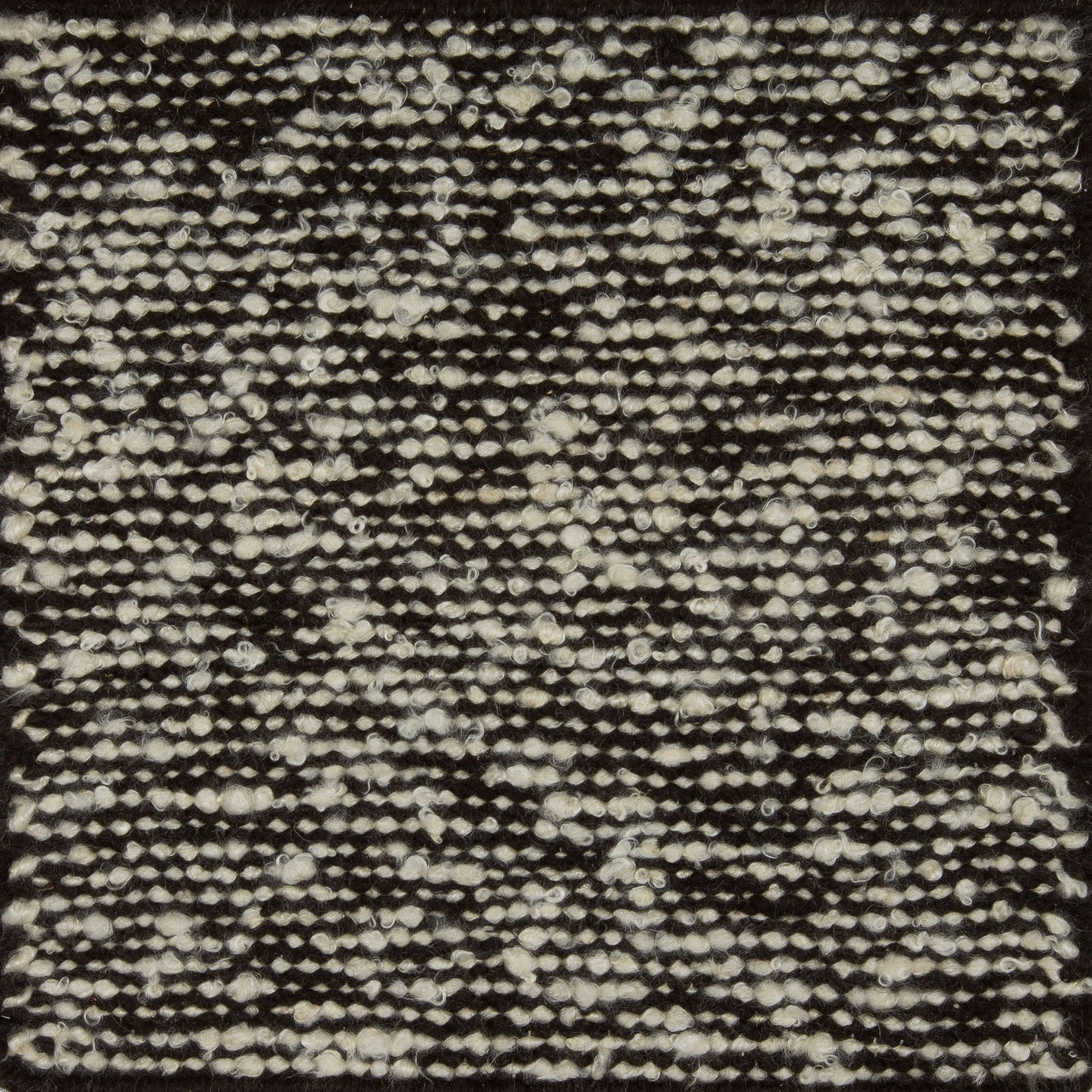
Patina is one of the reasons handmade rugs remain so compelling over time: a well-made piece does not stay frozen in its first-season condition, but develops depth as fibers soften, colors mellow, and the surface records the life of the room. For anyone considering custom rugs, understanding patina is not only about aesthetics; it is about choosing materials, construction, and placement with enough intelligence that a rug can age gracefully instead of simply looking tired. The difference lies in how the rug is made, where it lives, and how its surface is expected to perform under light, furniture, and daily traffic.
In a serious interior, patina is a visual language. It can make a rug feel integrated with architecture, upholstery, and art because the surface no longer reads as newly installed or overly crisp. That softening is especially desirable in spaces built around layered materials such as oak, stone, lacquer, linen, and wool, where a handmade floor covering should contribute warmth without shouting for attention. The best outcomes usually come from deliberate choices in fiber, weave, dye, and finishing rather than from hoping a rug will age well by accident.
Define patina versus damage
Patina is the controlled and often attractive change that happens as a rug responds to time, use, and atmosphere. Damage is different: it is structural or visual degradation that compromises the rug’s balance, such as permanent fiber loss, severe fading, splits in the foundation, unraveling edges, or distorted corners. A rug with patina may look softer, quieter, and more dimensional than it did when new, while a damaged rug often looks uneven, fragile, or mechanically stressed in specific zones. The distinction matters because the same visual symptom, such as a lighter center or a flattened pile, can be either charming or problematic depending on whether it is even, stable, and consistent with the rug’s construction.
Handmade pieces are particularly suited to developing patina because their surfaces are never perfectly uniform to begin with. Slight variations in hand-spun yarn, knot tension, dye absorption, and pile direction create nuance that becomes more noticeable with age. On a hand-knotted rug, for example, the high points of the pile may burnish subtly while recessed areas remain deeper in tone, giving the whole field a sense of movement. That effect can be beautiful in a living room, but in a hallway or entrance it should be planned carefully, since concentrated wear can create a worn path that reads as damage if the rest of the rug stays comparatively untouched.
When assessing a rug, think about whether the change is coherent. Patina usually respects the rug’s overall design: borders still read clearly, motifs remain legible, and the surface changes in a way that looks naturally aged rather than accidentally distressed. Damage, by contrast, often interrupts design clarity through broken outlines, uneven abrasion, or localized discoloration at stress points. For homeowners weighing custom rug options, this is where construction details, finishing methods, and fiber choice become part of the design brief rather than a technical afterthought.
Describe how fibers and dyes age differently
Fiber content is one of the biggest determinants of how a rug matures. Wool tends to be resilient, with natural lanolin and a scaly fiber structure that can hold color well while developing a soft hand over time; it often ages in a dignified, matte way. Silk reflects light more intensely and can show a more dramatic change as pile direction shifts, especially in formal spaces with controlled illumination. Cotton foundations and cotton pile elements behave differently again, usually becoming more subdued in color and more compressed under pressure, which can add calm but may also reveal wear faster in high-use areas.
Dye behavior matters just as much as fiber. Naturally dyed or subtly heathered palettes often mellow beautifully, with contrasts softening and the rug’s overall tone becoming more integrated with surrounding finishes. Highly saturated synthetic colors can remain vivid for a long time, but they may also reveal fading more abruptly if the rug is exposed to direct sun, especially when a single zone receives more light than the rest. Deep reds, indigo blues, and certain greens can shift in complex ways, sometimes producing attractive tonal variation and sometimes creating patchy areas that no longer feel intentional. For designers, that means the right color is not simply about the first impression; it is about how the rug will read after years of light and use.
The pile itself contributes to the aging effect. A cut pile can flatten and catch light differently across traffic paths, while looped or mixed-pile constructions may preserve pattern clarity longer in some areas and show compression in others. Low pile generally reveals surface changes more quickly, but it can also age elegantly because it maintains sharper outlines and cleaner proportions. Plush, high-pile rugs can feel luxurious at installation, yet they often show directional shading and crush sooner, especially beneath lounge seating or around a dining table where chairs move repeatedly. The most successful choice depends on whether the room calls for a crisp, architectural surface or a more tactile, lived-in one.
Explain why light and traffic change appearance
Light is one of the most underestimated forces in rug aging. Even when fading is gradual, it can alter the balance of a room by shifting the relationship between field and border, or between background and motif. South-facing rooms, glass-heavy interiors, and spaces with strong reflective surfaces tend to accelerate visual change because daylight does not land evenly across the rug’s plane. A rug placed near a large window may develop a brighter or flatter zone on one side, while the opposite side retains more depth; over time, that asymmetry can either feel sophisticated or simply neglected depending on the original design.
Traffic is less subtle but equally influential. Entry paths, seating zones, and the area in front of a sofa or bed typically compress first, because weight and movement repeatedly stress the same fibers. In open-plan interiors, the rug often does more than decorate; it maps circulation. That means wear patterns can mirror the layout of the room, with the central field surviving beautifully while the edges near chair legs or passageways show the first signs of change. If the rug was specified with the right scale and proportion, these wear zones can remain visually integrated rather than looking random or accidental.
Furniture placement can either protect or expose a rug’s surface. A dining room rug, for instance, needs enough extension beyond the table and chairs so that movement remains contained and edge wear is minimized. A living room rug should support the front legs of seating groupings without trapping all the traffic in one narrow band. In bedrooms, the safest aging pattern often occurs when the rug extends generously beyond the bed, allowing the center to bear weight in a broad, even way rather than a tight, concentrated strip. These are the details that make custom rugs especially useful: the dimensions, pattern density, and border placement can be calibrated to the actual room, not an idealized rectangle.
Consider a quiet sitting room with pale plaster walls, a tailored sofa, and afternoon sun across one corner of the floor. A tightly patterned wool rug in muted charcoal and stone might age with subtle tonal variation, the lighter zones warming while the darker field keeps its structure. If that same room used a delicate silk piece with a high-sheen ground, the sunlit section could change more visibly, and the result might be beautiful only if the owner accepts that the rug will become a living surface rather than a static object. That is the core question: should the rug hold its original appearance, or should it be allowed to record the room?
Offer care habits that support graceful aging
Graceful aging begins with thoughtful placement. Rotate the rug periodically if the room receives uneven light or if traffic concentrates in one area, because even small shifts can reduce one-sided wear and fading. Use window treatments or UV-filtering solutions where sunlight is strong, especially for rugs with more delicate dyes or mixed-fiber construction. In rooms where furniture is heavy, consider glides or pads to reduce crushing, and always choose a quality underlay so the rug remains stable without unnecessary friction against the subfloor.
Cleaning habits matter as much as the original specification. Vacuuming should remove grit before it works into the pile, but the technique should respect the weave and fringe, not batter it. The rug fringe, when present, should be kept free of dust and pulled gently back into alignment rather than twisted or aggressively brushed. Spot-cleaning must be prompt but cautious, because over-wetting or using the wrong solution can create tide marks that look like premature aging rather than normal patina. For rugs with delicate finishing, a conservative maintenance approach preserves the hand of the piece better than frequent improvised interventions.
Rug finishing also influences how a piece ages visually. Bound edges, hand-overcast borders, and carefully executed hems help maintain shape and reduce edge fraying, while sloppy finishing can turn everyday use into visible deterioration. On custom-made rugs, this is where collaboration with a knowledgeable specialist becomes valuable: the finishing should match the room’s use case, whether that means a refined perimeter for a formal salon or more robust treatment for a family room. A rug designed for graceful aging will anticipate how the pile, border, and foundation should behave after years of movement, not just on installation day.
It is also worth separating expected softening from avoidable wear. A rug with a slightly compressed path from the sofa to the terrace door may simply be doing its job, while a rug with broken selvedges or a fading patch under one lamp is signaling a preventable problem. The goal is not to keep every handmade rug pristine forever; that would misunderstand the material. The goal is to preserve its structural integrity, visual balance, and tactile richness so that the changes over time feel like maturity rather than neglect.
For clients exploring custom-made rugs, the most useful specification process begins with where the rug will age, not just how it looks on a sample board. A gallery-style consultation can evaluate the room’s exposure, circulation, material palette, and expected maintenance so the piece is designed with the right kind of character in mind. That approach is especially valuable when the project involves unusual scale, layered furnishings, or a desire for a rug that will look better in ten years than it does on the first day.
What to watch for in different materials and settings
Some materials are naturally more forgiving than others. Wool is often the safest choice for clients who want richness with resilience, because it can absorb the visual effects of wear without collapsing into a thin or harsh appearance. Silk, by contrast, should usually be reserved for lower-traffic settings where changing light can be appreciated as a design feature rather than a liability. Blends can offer a middle ground, but the ratio of materials should be scrutinized carefully so the rug’s intended aging pattern matches the room’s actual demands.
Pattern also affects how aging is perceived. Dense motifs and tonal striations can disguise subtle wear, while large open fields reveal changes more quickly. A rug with strong borders and disciplined geometry may continue to look composed even as the center softens, whereas a sparse contemporary design can show every variation in shading. This is not a reason to avoid quieter rugs; it is simply a reminder that restraint requires precision. In minimalist interiors, especially, the rug has to withstand close visual scrutiny because there are fewer competing elements to absorb change.
Rooms with pets, children, or frequent entertaining introduce another layer of reality. A rug in a family room may acquire a pleasantly worn hand long before it looks tired, and that can be perfectly appropriate if the weave and palette were selected with honesty about the room’s use. In contrast, a formal library or bedroom can often support more delicate fibers because movement is limited and light exposure is easier to control. The right material choice is therefore less about an abstract durability ranking and more about matching the rug to the actual rhythm of the household.
FAQ
Is patina the same as wear?
No. Patina is the broader, often attractive change in appearance that comes from age, light, and use, while wear implies material loss or visible deterioration. A rug can develop patina through softened color, mellowed pile, or gentle compression and still remain structurally sound. Wear becomes a concern when the surface starts to thin unevenly, edges fail, or the design loses clarity in a way that cannot be considered intentional.
Do some rugs age better than others?
Yes, and the difference usually comes down to fiber, weave, dye behavior, and how the rug is used. Wool rugs often age with composure because they are resilient and keep their hand well, while silk rugs can be more sensitive to light and traffic. Hand-knotted rugs with balanced construction tend to age more gracefully than pieces made with weaker finishing or less stable foundations, especially in rooms where circulation is heavy.
Can a new rug be designed to develop character?
Absolutely. The best custom rugs are often specified with aging in mind, including the choice of fiber, pile height, dye palette, pattern scale, and finishing details. If the goal is character rather than pristine permanence, a designer can favor materials and tones that soften beautifully over time and place the rug where light and traffic will create a controlled, dimensional evolution. That is one reason made-to-order decisions are so valuable in serious interiors.
Should fringe be treated differently as a rug ages?
Yes. Rug fringe is especially vulnerable to dust, vacuum stress, and tangling, so it should be kept clean and handled gently. It is part of the rug’s finishing, not a decorative afterthought, and its condition can affect how polished or neglected the whole piece feels. If fringe begins to look uneven, professional attention is preferable to rough home repair.
When a rug is chosen with care, its aging process can become one of the most rewarding parts of the interior. Doris Leslie Blau approaches that conversation from the perspective of material knowledge, proportion, and craftsmanship, because the right piece should feel considered not only when it is installed, but for years afterward. For guidance on selecting custom rugs that will mature beautifully in your space, expert design advice can make all the difference.