

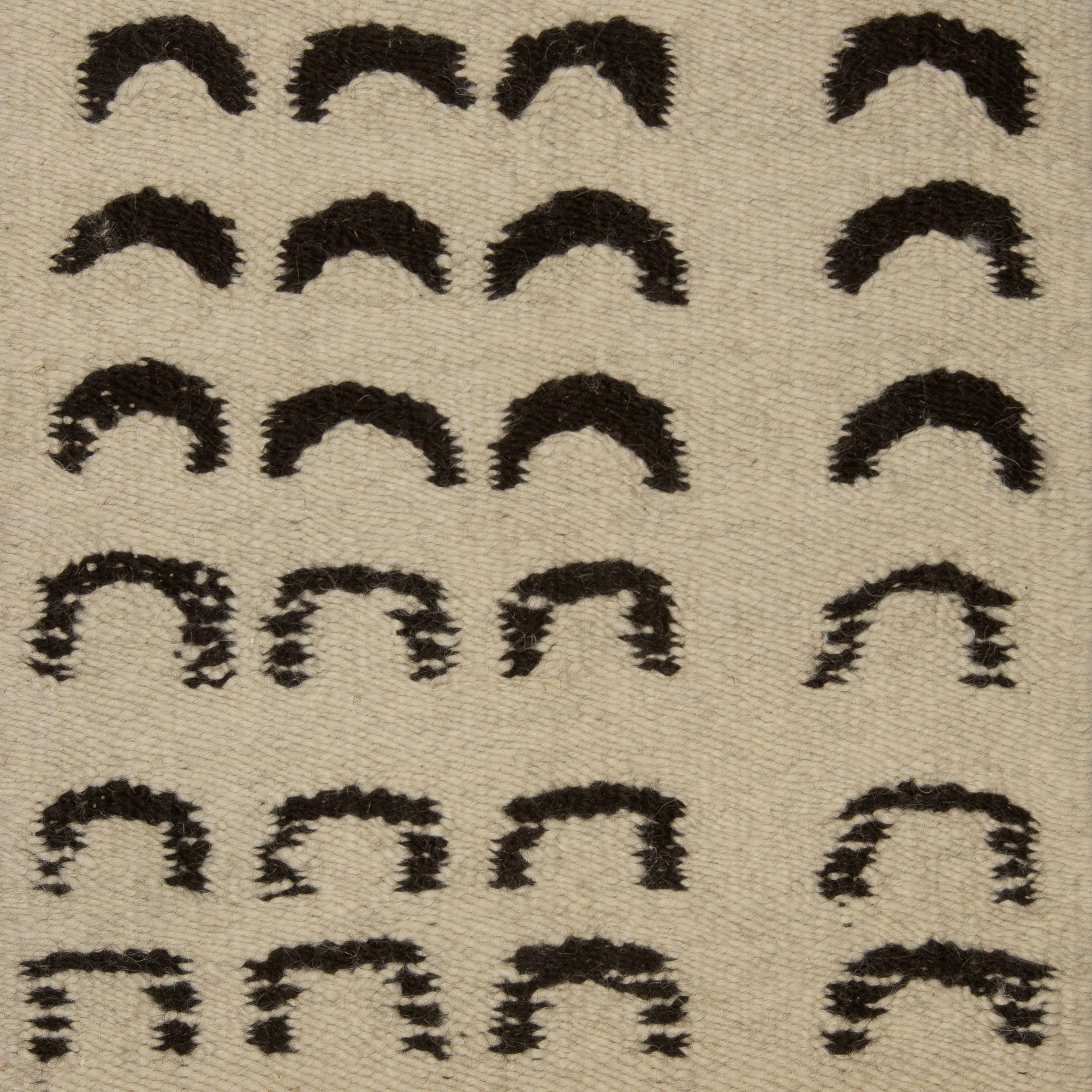
Open-plan interiors ask rugs to do work that walls once handled: define function, steady circulation, soften acoustics, and keep a large room from feeling visually scattered. The right custom rugs can separate seating, dining, and transitional areas without interrupting light or sightlines, which is why scale, shape, and material matter as much as color. In a well-planned room, the rug is not an accessory placed at the end; it is part of the spatial logic from the start.
Large open rooms often fail for one of two reasons: every zone is treated identically, or each area is given a rug that is too small to carry its furniture. Both mistakes weaken the architecture of the room. A seating group floating on a modest island can look detached, while a dining table surrounded by excess bare floor can feel as though it was never properly anchored. Good rug planning solves those problems by relating each zone to the next, so the eye understands the room as one composition rather than a series of disconnected vignettes.
That is where custom rugs become especially useful. Unlike standard sizes, they can be calibrated to the actual footprint of a sofa arrangement, a long dining table, or an unusually wide circulation path. In open-plan living, rooms are rarely symmetrical, and the furniture usually has to respond to windows, fireplaces, islands, and door openings at the same time. A made-to-order approach allows the rug to support those realities instead of fighting them.
Identify the functional zones before choosing rugs
The first step in learning how to zone open-plan interiors is to identify what happens in the room hour by hour, not just how it looks in photographs. A space may contain a sitting area, dining area, reading corner, and passage route to the kitchen, but each one has a different visual weight and a different tolerance for softness underfoot. A family room used for conversation and television needs a different rug strategy than a dining area where chairs move constantly, and both need to be coordinated with the architecture around them.
Start by drawing the furniture groups before you think about pattern. If a sofa and two chairs form a conversation cluster, the rug should extend far enough to hold the front legs of all major pieces, creating a clear island of use. If a dining table sits nearby, the rug should define the table perimeter while allowing chairs to slide back without catching on the edge. In a circulation lane, however, the goal is often the opposite: a rug should either avoid the path entirely or sit with enough margin so it reads as deliberate, not accidental.
It helps to think in terms of boundaries rather than rooms. A boundary can be established through color contrast, scale, or edge alignment, and it does not need to be hard-edged to be effective. A quieter rug can sit under a strong sofa silhouette, while a more expressive pattern can distinguish a lounge from a calmer dining zone. What matters is that each rug answers a specific spatial question: where does this function begin, and where should the eye move next?
Use scale and shape to separate seating, dining, and circulation
Scale is the most common point of failure in open-plan living rugs. A small rug can make a seating area look like it was assembled from leftover pieces, especially in rooms with high ceilings or broad architectural openings. By contrast, custom oversized rugs can extend the visual base of a room and make a large layout feel intentional. Oversizing is not about excess for its own sake; it is about giving furniture enough ground so the room reads as anchored rather than adrift.
Shape can be just as important as size. Rectangular rugs are the default choice for most living and dining zones because they echo the structure of tables, sofas, and walls, but a square room or a corner lounge may benefit from a square rug that reinforces symmetry. In some layouts, a long runner or pair of runners can establish circulation without competing with larger anchor rugs. Round rugs are more specialized, but they can work well beneath a circular dining table or in a secondary seating nook where they soften a room that is otherwise very linear.
For seating areas, generous proportion usually matters more than visible border space. Let the rug run beyond the sofa and chairs so the arrangement feels settled, not perched. For dining areas, ensure the rug reaches well beyond the table edge to account for pulled-out chairs, which keeps movement smooth and protects the sense of order when the room is in use. If the room includes a central traffic route, leave enough floor visible so the path reads cleanly; otherwise, the rug can appear to block movement rather than direct it.
A realistic example: imagine a loft where the living area sits nearest the windows, the dining table occupies the center, and the kitchen island marks the third zone. A deep-toned wool rug under the sofa group can create visual pause, while a flatter, harder-wearing rug under the dining table can tolerate chair movement and spills. A third floor treatment may not even require a full rug if the circulation lane is already clear; sometimes the best decision is to let the path remain bare so the two principal zones read with more authority. In open-plan interiors, restraint is often what gives the room its structure.
Keep continuity through color or fiber
Once the zones are defined, the next challenge is to keep them related. Open-plan spaces can become fragmented when every rug insists on being the focal point. A better strategy is to establish one or two unifying threads, such as a shared undertone, a similar fiber family, or a repeated level of contrast. The room then feels composed rather than themed, which is especially important when the furniture already includes different woods, metals, and upholstery textures.
Color does not need to match exactly, but it should belong to the same visual climate. Warm stone, soft tobacco, charcoal, and muted ivory can work together without looking identical, provided their saturation levels are balanced. In brighter interiors with strong daylight, slightly deeper colors may help the rugs hold their shape visually. In rooms with lower light or reflective surfaces, lighter grounds can prevent the floor plane from feeling too heavy. The goal is coherence, not uniformity.
Fiber choice also affects whether the room feels unified. Wool provides body, resilience, and a forgiving surface for everyday use, making it a natural anchor for living and dining zones. Silk or silk-blend accents can introduce sheen and a more refined visual rhythm, but they work best when used with moderation, especially in rooms that already have a lot of reflective finishes. For households that need durability without sacrificing texture, hand-knotted wool rugs are often the most practical starting point, particularly when paired with careful pile-height selection.
Texture can function like a quiet bridge between zones. A high-low pattern in one area and a smoother field in another can still belong together if they share a common weave character or palette. This is where designer specification matters: the rugs should not simply look attractive as isolated objects, but operate as a family of materials that supports the architecture. If one zone is visually busy, another may need a calmer weave to restore balance across the room.
For readers comparing possibilities, Doris Leslie Blau often approaches these decisions through custom rugs tailored to plan, palette, and use pattern, so the finished result feels resolved rather than improvised. That is especially useful in rooms where antique pieces, contemporary furnishings, and unusual dimensions all need to sit comfortably together.
Avoid common mistakes that make open plans feel fragmented
The most obvious mistake is choosing rugs that are too small, but there are subtler errors that can be just as disruptive. When multiple rugs are unrelated in thickness, color temperature, or visual density, the floor starts to look pieced together rather than planned. The same problem appears when edges fight each other: one rug floating a few inches off a seating group, another ending abruptly under a dining chair, and a third interrupting a circulation lane. The eye notices these inconsistencies immediately, even if the room contains expensive furnishings.
Another common issue is overusing pattern. Pattern can be excellent for zoning, because it helps define hierarchy and gives the room a sense of movement, but too many strong motifs competing in one open area can create noise. If the sofa fabric already has a bold texture, the dining chairs introduce a new material, and the millwork is visually active, the rugs may need to be quieter. In other rooms, a patterned rug in one zone and a restrained companion in another can produce exactly the right level of contrast.
Pile height deserves attention as well. Thick pile under a dining table can make chair movement awkward, while a very flat weave under a lounge may not provide enough softness to distinguish it from the surrounding floor. In a mixed-use open plan, varying pile heights can help clarify function, but the transition should feel thoughtful. A refined plan usually balances comfort, practicality, and maintenance rather than choosing one quality in isolation.
Lighting is another factor that is often underestimated. Natural light changes throughout the day, and a rug that looks understated at noon may become dominant in evening light. Artificial lighting can intensify contrast and make some fibers appear cooler or warmer than they do in daylight. Before finalizing a rug plan, it is worth considering where the room is brightest, where shadows fall, and whether the floor is meant to recede or hold attention. These details are part of the design, not afterthoughts.
When one rug can do more than one job
In some layouts, a single large rug can define more than one function if the furniture arrangement is tightly controlled. For example, a broad rectangular rug might hold a sofa grouping at one end and a pair of reading chairs at the other, provided the seating is arranged as one coherent visual field. This works best when the pieces share a common axis and the rug is large enough to prevent the arrangement from feeling compressed. In very open rooms, however, one oversized rug can sometimes dilute distinction, so the decision should be based on how much separation the room needs.
There are also cases where two rugs should coordinate without matching. That distinction matters. Matching can flatten a room if both rugs are equally assertive, while coordination allows each zone to have a slightly different role. A dining rug might be flatter, darker, and more forgiving; the living rug might be softer underfoot and more expressive in pattern. Together they can still feel unified through a shared color family, similar border treatment, or consistent material language.
The best open-plan rug plans behave like architecture at floor level. They guide movement, stabilize furniture, and shape how people experience the room from different angles. Viewed from the kitchen, the seating area should look deliberate. Viewed from the sofa, the dining zone should feel connected but distinct. That is the real value of thoughtful rug specification: it gives a large room a legible structure without adding walls.
Material and construction choices for everyday use
In open-plan interiors, rugs often have to work harder than they would in a closed room because they are visible from multiple angles and used in multiple ways. Hand-knotted construction offers durability and a refined surface, which makes it especially valuable when a rug must support heavy furniture and still retain visual clarity. Flatwoven pieces can be useful where chair movement is frequent or where a lower profile is preferred. The right choice depends on whether the rug is meant to provide softness, durability, or both.
Family life, pets, and entertaining all affect material decisions. Wool is generally favored for its resilience and ability to recover from compression, while blends and denser weaves may be appropriate for more demanding zones. In a dining area, a surface that cleans well and sits relatively flat under chairs is often more practical than a deeply plush pile. In a lounge, a little more texture can help define the room and make the seating area feel distinct from the surrounding hard surfaces.
For designers, the brief should always include furniture dimensions, walkway widths, door swings, and the visual priorities of the room. That information allows the rug to be sized with intent rather than approximated from a floor plan alone. If the open plan includes built-in millwork or a strong architectural axis, the rug edges should respond to those lines so the composition feels settled. This level of precision is where custom rug sizing guide thinking becomes indispensable, because a successful result depends on proportion, not just taste.
Open-plan rugs should support movement, not interrupt it
One of the least discussed aspects of zoning is circulation. A beautiful rug can still fail if it sits where people naturally walk, especially in homes where the path from kitchen to dining to living area is used constantly. The clearest plans either preserve a direct traffic corridor or intentionally broaden the rug so the movement feels encompassed rather than obstructed. In either case, the rug should make the floor easier to understand, not harder.
This is particularly important in homes where the open plan also serves as a gallery-like setting for art, sculpture, or collectible furniture. In those spaces, the rug must be quiet enough to support the objects without creating competing focal points. A restrained ground with subtle pattern movement can provide definition while keeping attention on the architecture and furnishings. If the room already has strong visual personalities, the rug should act as a stabilizer.
When in doubt, step back and ask what the room needs most: softness, distinction, or continuity. The answer may differ from zone to zone, and that is normal. A successful open-plan rug strategy is not a single formula repeated across the floor. It is a series of coordinated decisions that make the room easier to live in and easier to read.
FAQ
Can one rug define more than one zone?
Yes, if the furniture grouping is treated as one coherent composition and the rug is large enough to support it. A single rug can sometimes connect adjacent seating areas or a seating nook and reading corner, but it should not blur functions that need clearer separation. If the zones serve very different activities, separate rugs usually work better.
How many rugs does an open plan need?
There is no fixed number. Some open plans work best with one oversized anchor rug and one smaller companion rug, while others need two or three clearly differentiated floor treatments. The right count depends on room size, circulation, and how many functional areas need to feel distinct.
Should the rugs match or coordinate?
Coordinate, usually. Exact matching can make a large room feel rigid, while coordination allows each zone to serve its own purpose while still belonging to the same interior. Shared undertones, related textures, or consistent construction details usually produce the most refined result.
What is the best rug material for open-plan living?
Wool is often the most practical foundation because it balances durability, comfort, and visual depth. In dining areas or high-traffic paths, flatter constructions may be preferable, while seating zones can support a more tactile surface. The best choice depends on use, light, and the overall material mix in the room.
Open-plan rooms are demanding because every object affects every other object. The right rug plan brings that complexity into focus, giving each area a clear role without breaking the overall flow. If you are refining a difficult layout or specifying rugs for a large interior, Doris Leslie Blau can help with thoughtful guidance grounded in scale, material, and craftsmanship.