

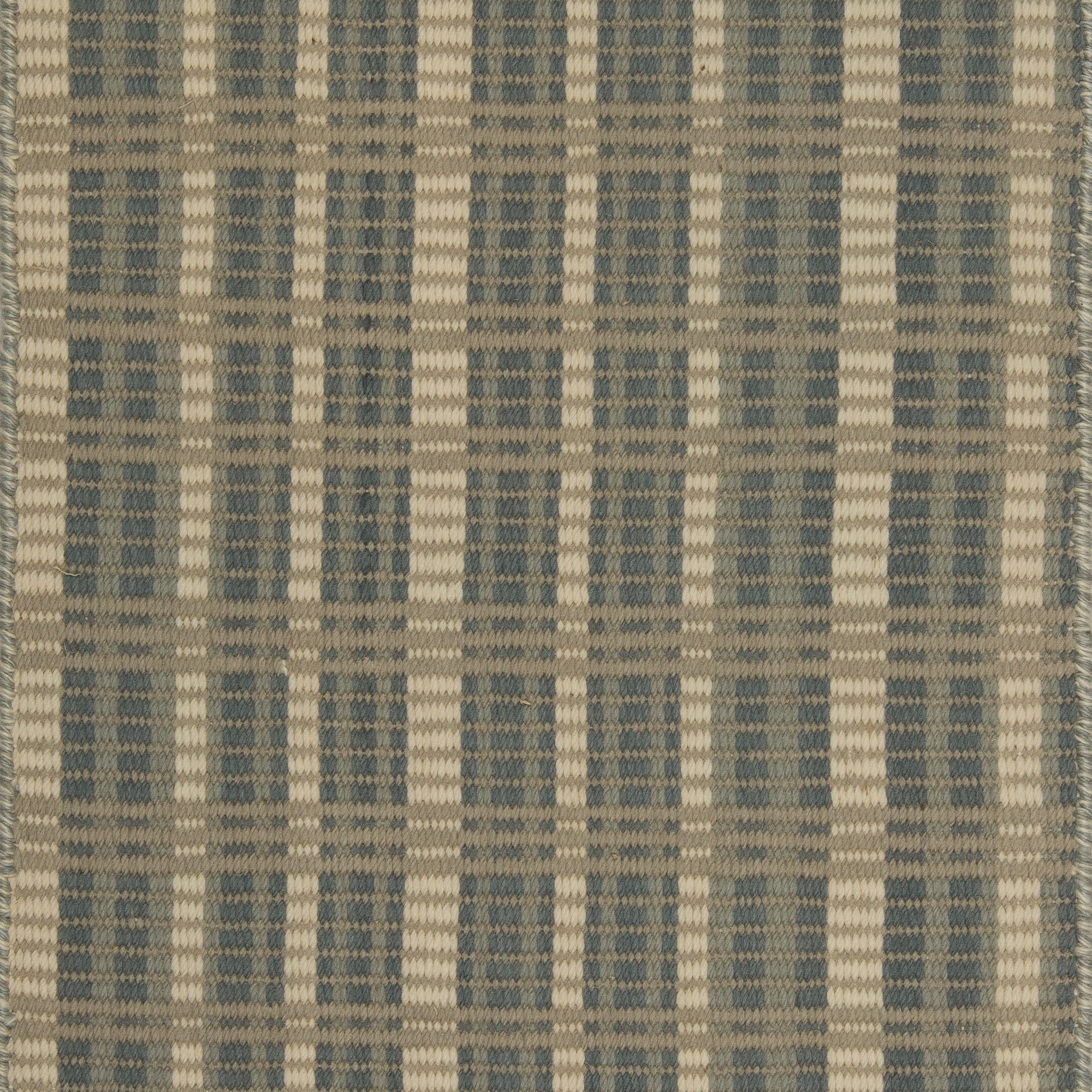
A playroom rug has to do several jobs at once: soften the floor, absorb sound, define the space, and survive a rotation of blocks, books, art supplies, and small feet in motion. For families who care as much about the room’s overall design as they do about practicality, the answer is usually not a loud novelty rug, but a well-considered floor covering with the right fiber, construction, scale, and color story. The best playroom rugs can feel tailored to the architecture of the home while still being easy to live with.
That balance is where design judgment matters. A room for children should not feel visually disconnected from the rest of the house just because it serves a more casual purpose. When the rug is selected with the same rigor you would apply to a living room or library, the playroom can hold toys and energy without looking temporary or unfinished. The right piece supports movement, defines zones, and gives the space a quiet structure that helps the rest of the room work harder.
Families often ask how to choose rugs for children without sacrificing sophistication, and the answer begins with three practical questions: How will the room be used? How much cleaning will the rug need to tolerate? And what visual role should it play once furniture, storage, and toys are all in place? A good result comes from treating the rug as part of the room plan rather than a decorative afterthought. That approach also opens the door to custom rugs that can be sized, colored, and detailed to suit the room exactly.
Choose fibers and construction with cleaning in mind
The first decision is material, because the best-looking rug can become frustrating if it is difficult to maintain. In a playroom, wool is often the most practical starting point: it has resilience, natural body, and a surface that tends to handle pressure well. For homes that want a softer hand underfoot, wool can also be woven or tufted in ways that improve the sense of comfort without creating a high-maintenance surface. If the room sees frequent snacks, markers, or craft projects, avoid delicate fibers that demand careful treatment unless the space is used more like a quiet lounge than an active play area.
Rug softness matters, but it should not be judged only by plushness. A very deep pile may feel luxurious in a showroom, yet it can make toy play, chair movement, and cleanup more awkward. A lower or medium pile often provides a more disciplined surface for children, particularly when the rug sits under low tables, reading corners, or storage benches. In many homes, the most useful playroom rugs are those that feel soft enough for sitting on the floor, yet structured enough to avoid the “sink-in” look that can make a room feel casual in an unintended way.
Construction is equally important. Hand-knotted rugs bring exceptional durability and a refined surface character, while hand-tufted or carefully made woven rugs can offer a softer, slightly more forgiving feel. The right choice depends on the household’s rhythm. If the room is used daily and furniture shifts often, a tighter construction usually wears more gracefully and keeps the pattern looking crisp. For families who want the room to age well, materials and construction should be chosen with the same seriousness as the furniture itself.
Spill resistance, stain behavior, and vacuuming matter in the real world, but there is a design reason to think this way too. A rug that is easy to maintain tends to stay in place longer, which preserves the room’s visual continuity. That continuity is especially valuable in homes with open circulation, where the playroom may be visible from a hallway, kitchen, or family room. A durable foundation allows the room to remain calm even when the toys are not.
Balance visual energy with the rest of the home
One of the most common mistakes in playroom design is treating the rug as a standalone statement rather than part of a larger interior language. If the home leans traditional, a playroom can still borrow from that mood through tailored borders, softened geometry, or a quieter palette. In a more modern home, cleaner motifs, abstract patterning, or restrained tonal contrasts often make the most sense. The goal is not to dampen the room’s personality, but to keep it aligned with the architectural character of the house.
A good playroom rug can carry interest without becoming visually noisy. Children respond well to pattern and color, but the room becomes easier to live with when those elements are edited thoughtfully. A checked field, a gently scaled motif, or a subtle border can introduce enough rhythm to feel lively while still allowing the eye to rest. This is especially helpful in rooms that also contain shelving, toy bins, and learning materials, where too many competing visuals can create a sense of clutter even when everything is put away.
Consider a family room adjacent to a kitchen with pale oak cabinetry and linen-upholstered seating. A playroom with a saturated primary-color rug might feel disconnected from that calm palette, especially through a doorway. A wool rug in softened blue, warm stone, or a muted multitone pattern would feel more deliberate and still support play. The aim is to create a room that children enjoy without making the house feel as though it has switched design languages from one threshold to the next.
Plan around toy storage, tables, and circulation
Scale and proportion are as important in a playroom as they are in a formal sitting room. Before selecting a rug, map the room with furniture and daily movement in mind. The rug should support the play zone, not get trapped awkwardly under a cabinet or stop short of the area where children naturally sit. If the room contains a low table for drawing or puzzles, the rug should extend beyond it enough to keep chairs and knees comfortably on the surface. That extra margin helps the room feel composed rather than crowded.
Storage placement changes how the rug reads. When toy shelves, baskets, or cabinets line one wall, a rug that reaches from the central play area toward the storage edge can visually stitch the room together. If storage is placed around the perimeter, a more centered rug may create a defined island of activity, which can be useful in larger rooms. In either case, keep circulation clear. A rug that forces children to step awkwardly around corners or bunches will be irritating in daily use, no matter how beautiful the pattern.
Furniture weight also affects the rug’s visual balance. A rug that is too small can make a room feel as though its key pieces were selected separately and never resolved into a plan. A larger rug usually creates the better result because it gives the eye a stable frame. In a playroom with a reading nook, for example, a rug can extend under a bench and forward into the open floor, connecting a soft seating area with a place for active play. That kind of overlap is often what gives a room a designer-made feel rather than a pieced-together one.
For unusually shaped rooms, made-to-order dimensions are often the smartest solution. Standard sizes rarely line up neatly with alcoves, built-ins, or architectural interruptions. With custom rugs, the border can be adjusted to avoid doors, radiators, or millwork, and the size can be tuned so the rug anchors the room without swallowing it. If the layout is complex, a precise fit often does more for the room’s polish than an expensive rug in the wrong size ever could.
Use color and pattern that can grow with the room
Children’s rooms change quickly, so the most successful playroom rugs usually avoid designs that age out too soon. Bright motifs can be charming, but they often narrow the room’s future use. A better strategy is to choose a palette that can move from toddler years to school-age routines without feeling dated. Warm neutrals, soft blues, muted greens, clay tones, and restrained multicolor fields tend to work well because they support toys, books, and art materials without competing with them.
Pattern density deserves close attention. A finely scaled pattern can disguise wear and minor marks better than a completely solid field, while also giving the room texture that reads as intentional. Larger motifs can work beautifully in a spacious playroom, but they should be proportioned to the furniture and the architecture. If the room is compact, too much contrast can visually shrink it. If the room is large and mostly open, a stronger motif may help it feel grounded and give the floor plane enough presence to hold the space together.
There is also a useful middle ground between playful and polished: rugs with movement, but not literal imagery. Abstract forms, softened stripes, checkerboard variations, or tonal borders can create energy without looking themed. That matters in homes where the playroom is visible from more formal rooms. A rug in this category can bridge the gap between family life and the more composed parts of the house, making the transition feel thoughtful instead of abrupt.
Light exposure should influence color choice too. Rooms with strong afternoon sun can flatten delicate contrasts over time, so a rug with slightly deeper tone variation may hold its appearance better. In lower-light rooms, pale rugs can keep the space from feeling heavy, but they need enough contrast in pattern or texture to avoid looking washed out. Designers often consider how the color temperature of the room shifts across the day, and that same discipline is useful here. The rug should look good at 8 a.m. during quiet play and at 5 p.m. when the room is at its busiest.
Design the room for comfort, order, and easy movement
Beyond material and color, a playroom rug should help the room function. Softness is part of that, but so is acoustics. A floor covering that absorbs sound can make a big difference in a room full of blocks, rolling toys, and energetic footsteps. When the floor plane is quieter, the entire house often feels calmer. This is one reason many families prefer substantial wool rugs over thin decorative options: they improve the room’s feel in ways that are practical and immediately noticeable.
The best layouts also support routines. If the room needs a small table for drawing, place it so the rug defines that zone without creating a barrier to open floor play. If reading happens in a corner, allow the rug to extend under the seating so the nook feels integrated rather than bolted on. When the floor plan is clear, children can move from one activity to another without the room collapsing into visual clutter. Good design here is not about preciousness; it is about giving every square foot a reason to exist.
For many households, the ideal playroom rug is one that resembles a serious interior choice first and a child-friendly choice second. That means considering border widths, pile height, edge finish, and the way the piece relates to adjoining rooms. It also means being honest about how the space is used. A rug that must survive daily traffic, rolling toy bins, and spontaneous art projects should not be chosen solely for softness in the abstract. It should be chosen for the specific demands of the room and the family’s habits.
That is where specialist guidance can be useful. At Doris Leslie Blau, the conversation often begins with room dimensions, furniture placement, and material preference, then moves toward the kind of construction that will hold up well over time. For families who want the look of a tailored interior rather than a purely functional surface, the right rug can be specified to support both style and daily use. The result is a room that works as hard as it looks.
FAQ
What rug material is best for a playroom?
Wool is often the most practical choice because it offers resilience, a refined hand, and a surface that handles daily use well. It also gives designers more control over texture and pattern, which helps the room feel considered rather than overly casual. If maintenance is a concern, choose a construction and finish that suit the room’s traffic level and cleaning routine.
Should playroom rugs be low pile?
Low to medium pile is usually the most useful range for a playroom because it balances comfort with easy movement and cleaning. Very deep pile can feel plush, but it may make toys, chairs, and vacuuming more difficult. A lower profile often looks more tailored and helps the room maintain a neat, architectural feel.
How do I keep the room looking polished?
Choose a rug that coordinates with the rest of the home, not just with the toys in the room. Keep the palette controlled, use storage to reduce visual clutter, and make sure the rug is sized to the furniture layout rather than the empty floor. A well-proportioned rug can make even a lively room feel composed.
Can custom rugs help in a playroom?
Yes. Custom rugs are especially useful when the room has unusual dimensions, built-ins, or a specific color direction that a standard rug cannot match. They can also be sized to support a reading corner, table zone, or open play area more precisely than an off-the-shelf option. For rooms that need both polish and practicality, customization often solves the layout problem before it starts.
If you are designing a playroom that needs to feel integrated with the rest of the home, a thoughtful rug specification can make all the difference. Doris Leslie Blau can help you consider material, scale, and pattern with the level of care such a room deserves, whether the goal is understated calm or a more expressive, family-friendly floor plan.