

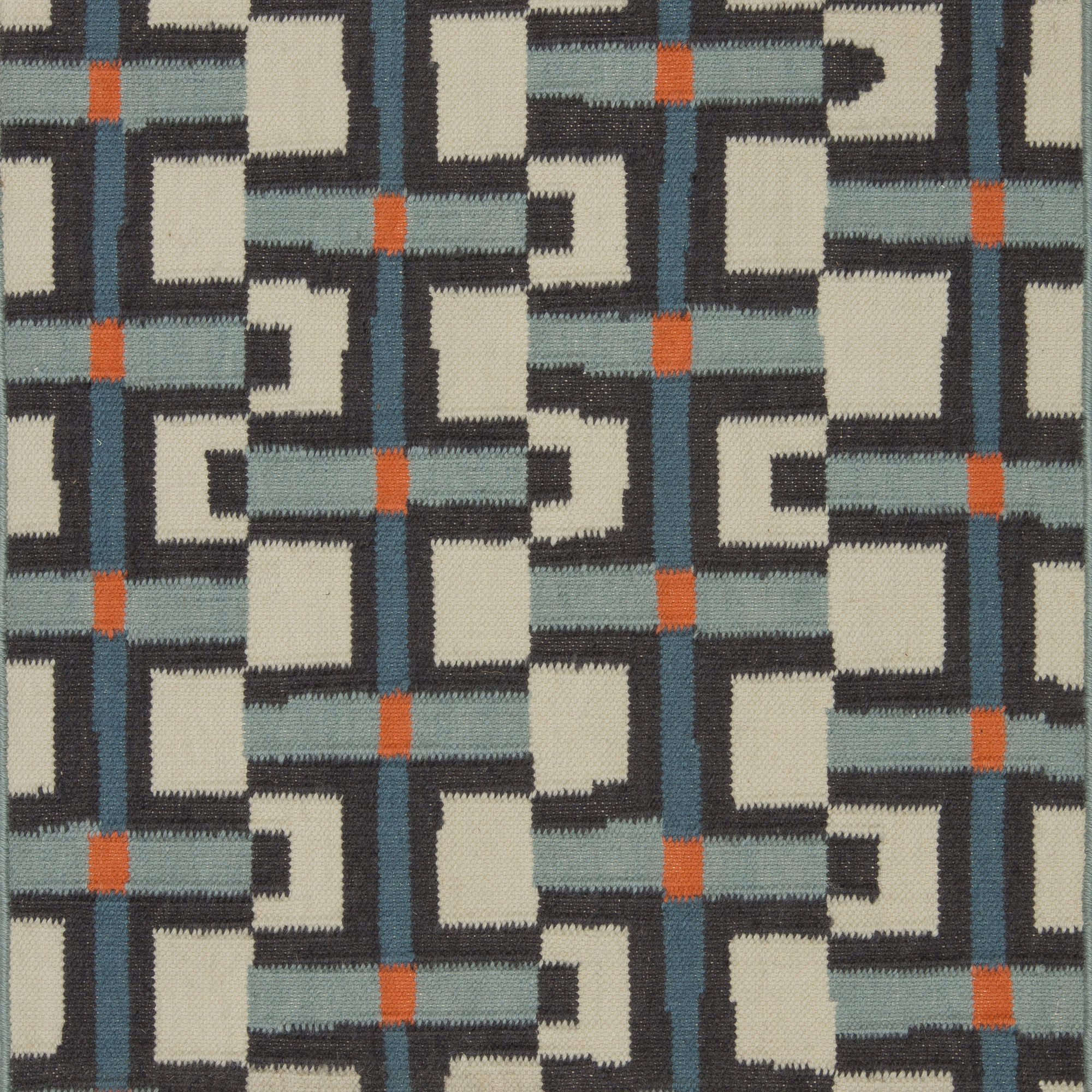
Layering rugs can solve more than one problem at once: a room can feel warmer, quieter, better zoned, and visually more grounded without committing to a single oversized floor covering. The key is restraint. When the underlay, top rug, furniture placement, and edge clearances are all considered together, layered rugs read as a deliberate design move rather than an afterthought.
For renters, collectors, and homeowners working with awkward rooms, layering is often the most practical way to add softness where the floor feels hard or to define a seating area without installing architectural changes. It also offers a way to introduce pattern or color in a controlled dose, especially when the room already contains significant furniture, art, or millwork. A thoughtful layered arrangement can do what a single rug sometimes cannot: bridge unusual dimensions, disguise a floor that is too small for standard stock sizes, or shift a room from echoey and spare to composed and usable.
That said, layering only succeeds when it looks resolved. The rugs need a visible relationship in scale, border, fiber, and tone, and the room needs enough breathing room for those relationships to register. In other words, the goal is not simply to stack textiles. It is to create a floor plan within the floor plan, one that supports circulation, anchors furniture, and allows rug texture to become part of the architecture of the room.
Choose which rug should anchor the composition
The first decision is which rug will act as the visual base and which will play a secondary role. In most rooms, the bottom rug should be the larger and quieter one, because it establishes the footprint of the zone and prevents the arrangement from feeling top-heavy. A neutral flatweave, sisal, boucle-style weave, or low-pile wool foundation is often the best starting point, especially if the room already contains a lot of visual activity. The top rug can then introduce pattern, a denser pile, a richer color, or a more pronounced hand-knotted character.
This hierarchy matters because layered rugs compete for attention if both are equally assertive. If the bottom rug has a large-scale pattern and the upper rug has a strong motif as well, the eye has nowhere to rest. By contrast, a restrained ground layer allows the top piece to read as a deliberate focal point, whether it is an antique fragment, a modern geometric, or one of the many custom rugs designed to fit a specific room proportion. The quieter rug does not have to disappear; it simply needs to support the composition rather than interrupt it.
Think about the room’s function before choosing the anchor. In a living room, the base layer typically should extend beneath the seating group to unify the furniture and define the conversational area. In a bedroom, the bottom rug might establish a soft perimeter while a smaller top rug emphasizes the bed’s axis or the path around it. In a studio apartment or open-plan loft, the anchoring rug should be large enough to establish a clear zone, while the top rug can help identify a reading corner, dining area, or lounge within that larger field.
Material also affects which rug should be primary. A wool foundation is often forgiving and durable, while a silk blend or finer hand-knotted top layer brings refinement, sheen, and detail. When you want contrast, pair structure with softness: a flatweave under a plush hand-knotted rug, or a subtly striated ground beneath a more tactile statement piece. The best combinations feel as though each rug is doing a different job, not trying to repeat the same one.
Keep scale and edge clearance under control
Layering fails most often when the proportions are off. A top rug that is too small can look like a misplaced mat, while one that is too large can flatten the hierarchy and make the bottom rug feel unnecessary. A useful starting point is to let the lower rug show beyond the upper one on all sides, even if unevenly, so the composition has a visible frame. In many rooms, a border of six to eighteen inches is enough to establish separation, though the exact amount depends on the size of the space and the furniture layout.
Edge clearance should also respect circulation. If a layered arrangement sits in a passageway, the rugs need enough margin so corners do not catch underfoot or create a tripping point. In dining spaces, chairs must move freely without snagging on a raised edge, which often means keeping layers out of the chair sweep entirely. In bedrooms, a top rug can extend beyond the bed slightly, but it should not crowd baseboards or create a cramped perimeter that makes the room feel smaller than it is.
Scale is especially important when working with custom oversized rugs or irregular rooms. A long gallery corridor, an angled loft, or a primary suite with an offset fireplace may require a base rug that is proportioned to the architecture rather than to a standard room template. In those cases, the top layer should either reinforce the room’s dominant axis or intentionally counter it, but never fight it. If the floor plan is already unusual, the rugs should clarify the geometry instead of adding another layer of confusion.
It helps to look at the room from the entry point. The layered arrangement should make sense from that first sightline, not only from a seated position. If the visible edges feel random or the top rug cuts across furniture in an awkward way, adjust the placement until the frame reads as intentional. Good layering usually feels calm because the eye can understand where one layer ends and the next begins.
Mix pattern and texture without clutter
Pattern and texture work best in layers when they are assigned different jobs. One rug can bring rhythm; the other can bring tactility. If both rugs have loud motifs, the result can feel busy very quickly, especially in rooms with strong upholstery, art, or architectural trim. A more disciplined strategy is to combine either a pattern with a plain ground or two subdued patterns that share a palette but differ in scale. That way, the room gains depth without collapsing into visual noise.
Rug texture is often the subtle element that makes a layered composition feel sophisticated. A low, tightly woven base can let a thicker top rug stand out through depth and touch, while a cut-pile or hand-knotted surface can soften the hard geometry of a room. Silk, wool, and blended constructions each reflect light differently, so even when two rugs are close in color they can still create a nuanced contrast. That is particularly useful in rooms with indirect light, where surface variation becomes more visible than bold color shifts.
Color temperature should also be considered. Warm neutrals can layer beautifully when the room has wood furniture, aged metal, or warmer wall paint, but cooler grays and blue-based tones can help structure a brighter contemporary interior. If the room already contains multiple wood finishes or mixed metals, a layered rug pairing can be the quieting element that ties everything together. The point is not to match every tone; it is to create enough continuity that the layering feels curated rather than accidental.
For example, a living room with a linen sofa, brass accents, and a low media cabinet might benefit from a large oatmeal flatweave as the base and a smaller hand-knotted rug with a restrained geometric border on top. The flatweave gives the room visual air and durability, while the hand-knotted piece adds definition and softness where the seating actually lands. If the room were instead built around dark wood and a more formal palette, the same strategy could shift toward a richer base wool and a top rug with deeper tonal contrast rather than brighter color. The layering principle stays the same; only the vocabulary changes.
Use layering to fix awkward dimensions or zones
Layered rugs are especially effective when a room does not fit a standard layout. A narrow sitting area in a long room may need a larger neutral foundation to stabilize the proportions, then a smaller statement rug to mark the actual conversation zone. A difficult corner can become a reading nook once a rug signals that the space has a purpose. Even a dining area that feels visually disconnected from the rest of an open plan can be made more coherent by pairing a room-sized base layer with a more refined upper rug that aligns with the table.
In these situations, the best result is often architectural rather than decorative. The lower rug should expand the perceived footprint of the zone, while the upper rug should direct attention to the exact place where people sit, stand, or gather. That distinction is especially valuable in rooms with hard surfaces, because the layered setup can improve acoustics and make the space feel more intimate without adding heavy window treatments or oversized upholstery. If a room echoes or feels overly expansive, texture underfoot can materially change the atmosphere.
Layering can also be an elegant workaround when a room needs a shape that stock rugs do not provide. An unusually long room might require a base layer that follows the architecture, then a top rug that creates a more human-scale island for furniture. This is where designer specification becomes useful, because custom rugs allow the floor plan to be treated with the same precision as cabinetry or drapery. When the dimensions are tailored, the layering looks less like a workaround and more like an integrated design decision.
For spaces that need both softness and durability, material selection should be matched to use. In an entry-adjacent living area, a more robust lower rug may protect the floor and handle traffic, while the upper rug can be reserved for a lower-impact seating zone. In a bedroom or private study, a more luxurious upper surface makes sense because the contact is gentler and the texture can be enjoyed up close. This is also where the tactile distinction between hand-knotted rugs and flatter constructions becomes useful: the lower rug can hold the room together, while the upper rug provides the tactile finish.
Practical combinations that work in real interiors
One of the simplest and most reliable combinations is a large natural-fiber base with a smaller wool or hand-knotted top rug. The contrast is structural: the bottom layer brings texture without dominance, and the upper layer adds softness and visual resolution. This pairing works especially well in relaxed formal rooms, where the goal is polish without stiffness. It also suits collectors who want to introduce an antique or decorative rug without making it fight the rest of the room.
Another effective approach is to pair two rugs in the same color family but different construction. A tone-on-tone arrangement can be extremely refined when the room already has strong furniture silhouettes or a notable view. Here, the success depends less on contrast in color and more on contrast in pile, weave, or sheen. That approach often reads as quieter, which can be ideal for quiet luxury interiors that rely on proportion, material honesty, and controlled detail rather than obvious ornament.
If you prefer more expression, start with a subdued field and layer in a rug with pattern density calibrated to the room’s scale. Large motifs can work in expansive rooms with fewer competing elements, while smaller, more intricate patterns can suit intimate spaces where the furniture is close enough to appreciate detail. The mistake to avoid is choosing a top rug whose pattern scale is unrelated to the room’s size. A pattern that is too small in a vast room can disappear, while one that is too large in a compact room can overwhelm circulation and sightlines.
Layering also provides a useful bridge between old and new. An antique rug can sit over a contemporary ground layer, or a crisp modern design can soften a historic room that feels too formal. In both cases, the relationship should be edited carefully so the rugs do not compete for historical authority. The most convincing combinations tend to share one or two anchors: a similar tonal range, a related border structure, or a compatible level of visual density.
When custom sizing becomes the better solution
Sometimes layering is the right answer because one rug cannot be made large enough, refined enough, or precisely shaped enough on its own. In other cases, layering is a temporary fix for a room that will eventually benefit from a made-to-measure floor covering. If the room is especially open, unusually proportioned, or built around a specific furniture arrangement, it may be worth comparing the layered option with a single custom solution before deciding. A custom piece can reduce visual interruptions and simplify the overall read, while layering can provide flexibility, contrast, or a more collected feel.
That decision often comes down to how permanent you want the composition to feel. Layering is adaptable, reversible, and useful for changing layouts. A single tailored rug, by contrast, gives cleaner lines and often a more resolved sense of scale, which can be preferable in highly formal rooms or in spaces where every edge needs to align precisely. If you are trying to decide between the two, a custom rug sizing guide can help clarify how the room’s measurements, furniture footprint, and circulation pattern should inform the final choice.
In professional interiors, the best answer is not always one or the other. A custom oversized foundation may be paired with a smaller decorative rug when the client wants both precision and character. That approach works particularly well in large bedrooms, private libraries, and salon-style living rooms, where the room needs a strong base but also benefits from a layer with more personality and handwork. The result feels edited, not improvised, because the dimensions and the textures have both been considered from the start.
FAQ
When is layering better than buying one large rug?
Layering is often better when the room needs flexibility, softness, or a clearer sense of zoning without committing to one fixed floor plan. It is especially useful in rentals, open-plan layouts, and rooms with awkward dimensions where a standard rug size will not land correctly. Layering can also be a smart option when you want to introduce a more delicate or decorative rug without exposing it to the full burden of daily traffic. If the room changes function often, layered rugs can adapt more easily than a single large piece.
What textures layer well together?
Low-pile wool, flatweave, natural fiber, and hand-knotted constructions usually layer well because they create distinction without visual confusion. A smooth foundation paired with a more tactile top rug is often the safest and most elegant combination. Silk or silk-blend pieces can work beautifully as the upper layer when the room has controlled traffic and enough light to show the surface. The most successful pairings usually differ in both texture and density, so the eye can register a clear hierarchy.
Can layering work in formal rooms?
Yes, provided the palette, scale, and material choices are disciplined. In formal interiors, layering should look deliberate and quiet, with careful edge clearance and a restrained relationship between the rugs. A neutral base with a more refined top rug can add softness without weakening the room’s structure. In many formal settings, layering reads as more sophisticated when it emphasizes proportion and surface quality rather than overt contrast.
How do I keep layered rugs from looking messy?
Start by making sure one rug clearly anchors the composition and the other plays a supporting role. Then check that the edges are evenly visible, the furniture sits comfortably within the layout, and the patterns do not fight each other for attention. Keep the color palette related, even if the textures differ, and avoid stacking rugs with similarly loud motifs. If the room feels cluttered, reduce either the pattern density or the size of the top rug before changing anything else.
When layered rugs are chosen with discipline, they can solve layout problems, improve comfort, and bring a room into proportion without seeming fussy. Doris Leslie Blau approaches that kind of specification as a design conversation: size, material, texture, and placement all matter, and the best solution is the one that fits the room’s architecture as well as the life lived on it. If you are weighing layering against a made-to-measure rug, a specialist can help you read the room correctly and choose the floor treatment that feels most resolved.