

Discover how Moroccan weaving traditions and Berber artistry can bring a timeless, organic aesthetic to contemporary living spaces. From the history of tribal rug patterns to modern design applications, this guide covers the heritage, craftsmanship, and styling approaches that elevate any interior. Explore the roots of authentic Moroccan rugs, the signature motifs of Berber carpets, and sustainable sourcing practices that honor artisan communities. Learn practical tips on selecting and incorporating bespoke pieces, and understand why natural dye techniques deliver unparalleled depth and character. Whether you’re designing a minimalist loft or layering textures in a family room, these insights will help you curate truly bespoke custom area rugs that resonate with luxury and authenticity.
The History of Moroccan Weaving
Moroccan weaving spans centuries, originating among the Berber tribes of the Atlas Mountains and reflecting a tapestry of regional influences. Early nomadic weavers used hand-loom techniques passed down through matrilineal lines, preserving ancestral patterns that signified tribal affiliations, life events, and natural phenomena. These intricate tribal rug patterns evolved from the geometric simplicity of desert camps to the bolder motifs found in village workshops. Over time, contact with Mediterranean traders and Andalusian exiles introduced new color palettes and weaving structures, gradually shaping the distinctive flatweave kilim and plush pile styles we recognize today. Each region—from the high plateaus of Beni Ourain to the arid valleys of Draa—developed unique fiber selections, knot counts, and symbolic glyphs, creating diverse expressions within the broad category of Moroccan carpets. This heritage endures in contemporary custom rugs, where designers and clients draw upon those enduring motifs to craft pieces that speak both to history and present-day sophistication. Integrating these time-honored techniques with modern specifications allows for personalized floor coverings that pay homage to tradition while meeting exacting performance and aesthetic requirements.
Key Characteristics of Berber Rugs
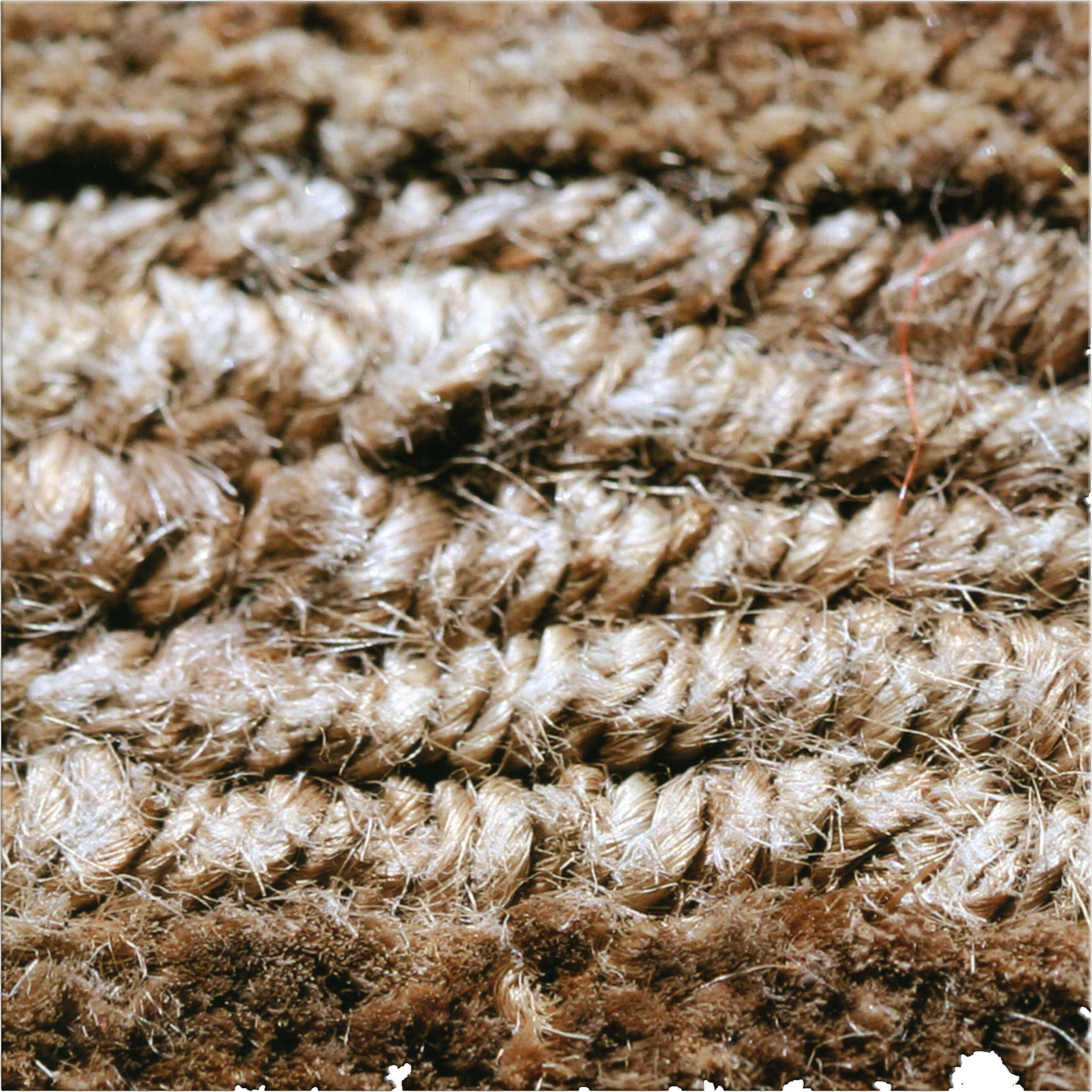
Berber rugs, distinguished by their hand-knotted construction and natural wool fibers, offer a tactile depth and insulating warmth unmatched by machine-made alternatives. The hallmark of these rugs is the Moroccan knot—an asymmetric double knot that yields a dense, plush pile capable of both subtle tonal shifts and bold relief patterns. Designers often cite the irregularity of hand-spun wool as integral to the charm, with each strand variegated by mineral-rich soils and eco-friendly natural dye techniques. Predominant motifs include lozenge medallions, chevrons, and organic linear forms that evoke mountain ridges and desert ripples, all grounded in a neutral palette of ivory, charcoal, and ochre. These signature patterns prove versatile in modern interiors, delivering both visual intrigue and a sense of heritage authenticity. Careful selection of knot density and pile height can tailor a Berber carpet to high-traffic areas or plush seating zones. For clients seeking scale and proportion precision, custom area rugs offer the opportunity to specify exact dimensions, pile weight, and border detailing, ensuring that each piece becomes a seamless extension of the architectural context.
Ethical Sourcing and Artisanship
In recent years, discerning homeowners and interior designers have emphasized transparency and ethical sourcing as core criteria when selecting artisanal floor coverings. Collaborations with cooperatives in the Middle Atlas and High Atlas regions ensure that production adheres to fair trade principles while preserving traditional know-how. Skilled weavers—predominantly women—receive training in sustainable dye application and fiber handling, often using local sheep breeds whose wool yields exceptional loft and resilience. By investing in community-run mills and eco-conscious dye workshops, brands foster economic empowerment and cultural continuity. Moreover, integrating traceability protocols, such as batch numbering and digital verification, allows clients to follow the journey of their custom rugs from raw fleece to finished installation. This degree of accountability reinforces design authenticity and ethical integrity, providing peace of mind alongside aesthetic delight. Whether clients request a large-format lounge centerpiece or a tailored hallway runner, each order becomes a testament to collaborative workmanship, marrying global heritage with contemporary design imperatives.
Styling Moroccan Rugs in Modern Interiors
Translating the raw, organic energy of Moroccan rugs into modern interiors requires a thoughtful balance between texture, scale, and color. In open-plan living areas, a substantial Berber carpet can delineate seating zones without obstructing sightlines, while its neutral base tones anchor bold accent furniture. For minimalist bedrooms, a lightweight flatweave rug at the foot of the bed introduces tactile contrast without overwhelming a streamlined palette. Layering a smaller tribal-patterned runner atop a larger neutral piece creates dynamic depth, bringing an artisan-crafted narrative to each space. Designers often recommend juxtaposing the irregular loops of natural wool with the sleek geometry of metal-framed tables and glass accents. To maintain coherence, draw accent hues from the rug’s inherent dye undertones—rust, ochre, or forest green—and echo them in cushions, throws, or curated ceramics. For hallways or entry foyers, custom area rugs cut to precise measurements guide movement while extending a visual invitation. Online planning tools and in-home mock-ups can assist in visualizing placement and scale, ensuring that each bespoke installation integrates seamlessly into the architectural rhythm of the residence.
For more in-depth guidance on the steps involved in commissioning bespoke floor coverings, explore our Custom Rug Process, Materials, and Craft. If you’re ready to define size, shape, and motif with expert support, learn more about How to Specify Custom Area Rugs. Our collection of custom rugs and custom area rugs invites you to bring Moroccan charm and authentic Berber artistry to every room of your home.
FAQ
Q: How are Moroccan rugs traditionally made?
A: Traditional Moroccan rugs are handcrafted by Berber women on horizontal and vertical looms using locally sourced sheep’s wool. The process begins with cleaning and carding the fleece, followed by hand-spinning it into yarn. Natural dye techniques employ plant extracts, roots, and insects to achieve muted, earthy hues. Weavers then knot each strand individually—often using the asymmetric Moroccan knot—to build a dense pile, with most rugs taking several weeks or months to complete depending on size and knot density.
Q: What makes Berber patterns unique?
A: Berber patterns derive from centuries-old tribal symbols and regional storytelling traditions. Each motif—whether diamond-shaped lozenges, zigzag lines, or abstract linear forms—carries cultural significance, often representing fertility, protection, or natural landscapes. The combination of these symbols with irregular hand-spun wool creates an organic, dynamic aesthetic. In custom-made rugs, designers can adapt these patterns to personalized layouts and scales, marrying authenticity with contemporary spatial requirements.
Q: Are natural dyes safe for homes?
A: Natural dyes are generally non-toxic and free of synthetic chemicals, making them a safe choice for residential interiors, including homes with children and pets. These dyes are derived from botanical and mineral sources, such as indigo, madder root, and pomegranate rind, with mordants like alum securing color fastness. Properly cured and rinsed fibers resist fading and bleeding, ensuring vibrant hues and a healthy indoor environment. Clients seeking hypoallergenic and eco-friendly options often prioritize custom rugs made with natural dye techniques for both aesthetic and environmental benefits.
For a tailored consultation on selecting or designing your perfect Moroccan-inspired rug, speak with our specialists at Doris Leslie Blau. Our experts will guide you through every step—from fiber selection and natural dye formulation to the final installation—ensuring your bespoke floor covering aligns seamlessly with your vision and design objectives. Contact us today to begin crafting a one-of-a-kind statement piece that embodies heritage, artistry, and lasting luxury.