

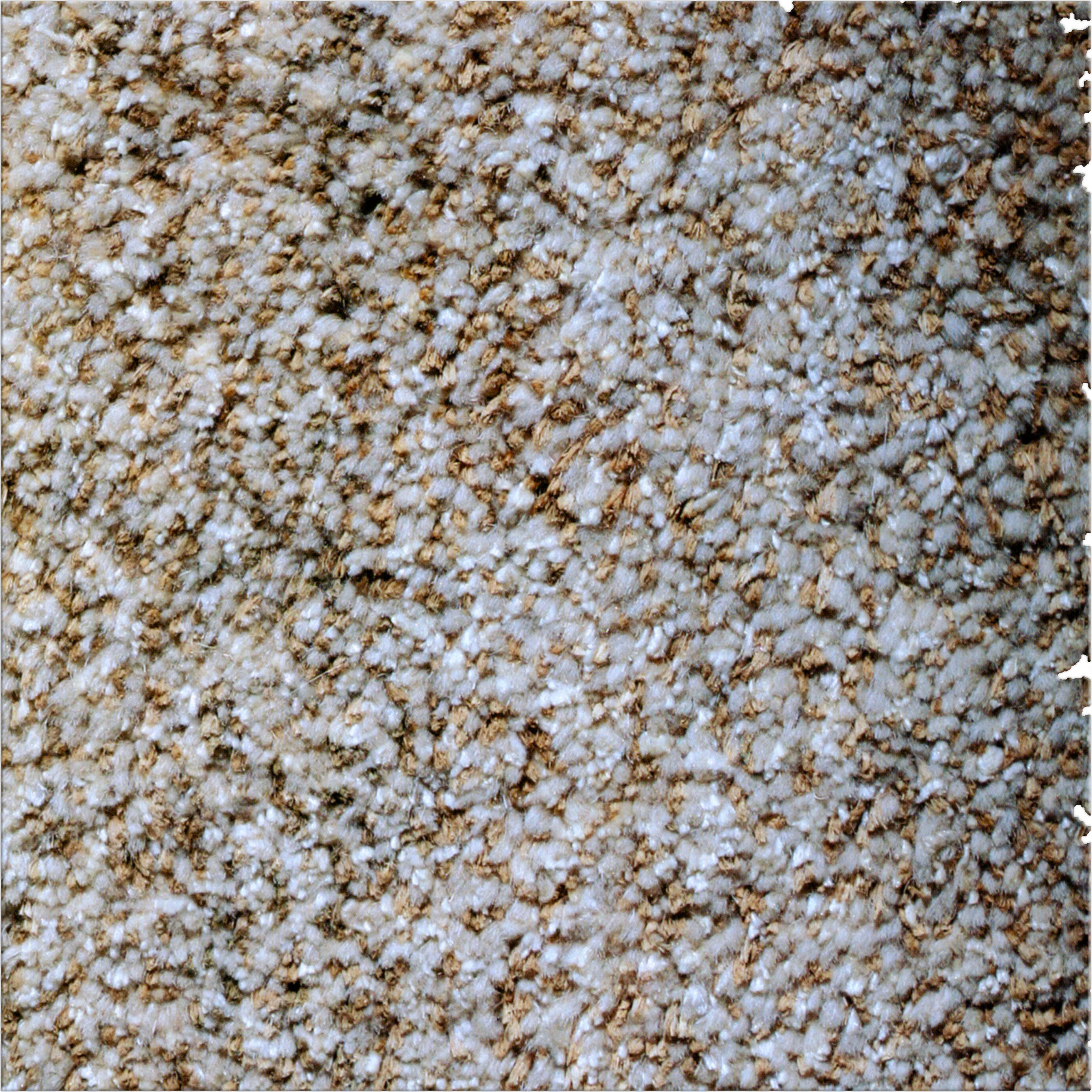
Ensuring your living environment remains comfortable and energy-efficient underfoot requires careful integration of floor coverings with underfloor heating systems. This article explores how choosing the right combination of fibers, pile heights, and weave densities enhances heat transfer while preserving the luxurious aesthetic that bespoke designs deliver. By focusing on custom rugs purpose-built for radiant heat, homeowners and designers can achieve optimal thermal performance without compromising on style or structure. We examine why low-pile carpets and natural fibers such as wool excel in transmitting warmth, and how synthetic alternatives can be engineered for comparable conductivity. Throughout, we offer practical guidance on installation best practices, material selection criteria, and maintenance strategies. Readers will learn to balance insulation versus heat resistance, ensuring their custom rugs deliver both comfort and durability. Internal resources such as custom rugs and custom area rugs in our collection further illustrate the full spectrum of design possibilities.
How Underfloor Heating Affects Material Choice
Underfloor heating systems challenge conventional rug design by reversing the traditional function of floor textiles from insulation to heat conduction. As radiant heat rises from beneath a slab or subfloor, any covering must allow efficient thermal transfer without trapping warmth or overinsulating the system. Natural fiber content, particularly wool thermal conductivity properties, becomes paramount because wool combines high thermal capacitance with moderate conductivity that ensures heat from the system penetrates the pile rather than dissipating inefficiently. In bespoke solutions, manufacturers often reduce backings and use tighter weaves to minimize thermal resistance. This approach retains the tactile depth and visual richness typical of high-end custom rugs while optimizing performance. Incorporating technical weaves such as flatweave or low-profile loops in targeted areas balances aesthetic ambition with calculated R-values. Synthetic yarns treated with heat-stable finishes provide an alternative where moisture sensitivity must be minimized, yet careful selection is required to match the R-value of woolen weaves. Designers working on mid-century modern lofts or luxury condos can reference our custom rugs collection to explore variants in weave density and fiber composition that perform under heat loads exceeding forty degrees Celsius.
From a design perspective, the choice between tufted, knotted, or woven constructions has direct consequences for heat compatibility. Hand-knotted rugs, while prized for their resilience and texture, introduce additional layers that may slightly impede thermal transmission if not engineered with specialized backings or reduced pile heights. Conversely, flatweave structures such as kilims and dhurries inherently feature minimal pile depth, allowing radiant heat to permeate with negligible impedance. When developing a made-to-measure piece for underfloor heating systems, it is advisable to collaborate closely with a wool specialist or textile engineer to understand the balance between insulating flow and user comfort. Detailed insights into yarn selection, twist levels, and dye retention under elevated temperatures can be found by exploring our internal guide on Custom Rug Process, Materials, and Craft. Precise calibration of pile height—often to four millimeters or below—coupled with breathable latex backings and thermally transparent adhesives further refines the performance envelope, ensuring seamless integration with radiant-heat infrastructure without sacrificing design or durability.
Benefits of Low-Pile Designs
Low-pile carpets and rugs provide a dual benefit for homes with underfloor heating by limiting the air pocket insulation that typically traps heat beneath thicker, plusher surfaces. In a radiant heat context, every millimeter of additional pile height introduces incremental R-value, which translates to reduced system efficiency and potentially higher energy bills. By contrast, low-pile carpets often measure between two to five millimeters in depth, facilitating rapid heat flux from the substrate to the room environment. This direct heat transfer not only accelerates the time to comfort after system activation but also allows for finer control over temperature modulation and heating schedules. Underfloor heat rugs designed specifically for radiant systems exploit flatweave techniques and low-threshold backings to maintain maximum conductive performance. Interior designers prescribing custom-made rugs for modern minimalist spaces will find low-pile solutions contribute to a sleeker, more integrated look, harmonizing the floor treatment seamlessly with structural elements. Additionally, these designs simplify regular maintenance, minimizing dust and allergen accumulation within deep pile fibers.
Beyond thermal efficiency, the aesthetic precision of low-pile designs can significantly enhance spatial perception by maintaining visual continuity between flooring materials and textiles. Pattern definition remains crisp, with high-contrast motifs and geometric layouts retaining full clarity without obscured loops or tuft clusters. For designers working in compact urban apartments or expansive open-plan rooms, such clarity ensures that a rug’s graphical elements contribute consciously to the overall scheme without becoming overbearing. When ordering from our range of custom rugs, clients can specify exact pile heights down to the millimeter, guaranteeing consistent thermal performance across diverse heating zones. Furthermore, fiber options like undyed jute blend or tightly spun cotton can deliver natural textural variety while sustaining conductive properties. Integrating thin padding solutions or thermally transparent underlay layers also allows for greater flexibility in placement without risking overstress on underfloor manifolds or electric cables.
Material Performance Under Heat
While wool remains the benchmark of thermal regulation in textile applications, emerging synthetic fibers and natural-synthetic blends are gaining traction for underfloor-heat rugs due to their engineered consistency and color stability under repeated temperature cycling. Materials such as polypropylene modified with heat-stabilizers offer durable fade resistance and tensile strength, ensuring that multicolored patterns remain vivid even in sunlit, temperature-varying conditions. However, designers should be aware that purely synthetic yarns often possess lower specific heat capacity compared to wool, meaning they may respond more quickly to temperature shifts but also release warmth faster, leading to potential perceptual chill when the heating system cycles off. Evaluating formaldehyde content, dye fastness, and UV resistance is also crucial when selecting high-end rug constructions for radiant-heat compatibility. Reputable manufacturers now subject fibers to accelerated aging tests at temperatures exceeding fifty degrees Celsius to certify adherence to performance standards. By consulting product data sheets and manufacturer testing reports, homeowners can select custom rugs that maintain both structural integrity and consistent heat conduction over decades of use.
Installation Best Practices
Proper installation of underfloor heating-compatible rugs involves more than simply laying a low-pile piece atop a heated subfloor; it requires strategic attention to adhesive selection, edge sealing, and thermostat integration. Suitable adhesives must remain flexible under cyclical thermal expansion without off-gassing harmful volatiles, making specialized heat-proof glues or double-sided underlay tapes the preferred choices. The first step is to verify that the floor surface achieves a dry bond with the chosen underlay or rug backing system, minimizing the risk of moisture entrapment that could compromise heating elements. Additionally, allowing a small expansion gap around the perimeter prevents buckling as both flooring substrate and rug experience temperature-induced dimensional changes. Calibration of the underfloor heating controls should account for the residual thermal inertia introduced by the rug’s mass, often necessitating fine-tuning of the heating schedule to avoid overshoot or temperature lag. Engaging a certified installer who understands both textile and heating-system specifications ensures the long-term success and safety of the integrated solution.
FAQ
Which rug materials are best for underfloor heating?
When integrating floor textiles with underfloor heating, natural fibers such as wool consistently outperform alternatives due to their high specific heat capacity and balanced thermal conductivity. Wool retains heat momentarily and then releases it gradually, smoothing out temperature fluctuations and contributing to steady ambient warmth. Tightly woven low-pile wool rugs with minimal backing further reduce thermal resistance, allowing radiant heat to pass through efficiently. Natural jute, cotton blends, and some synthetic fibers treated for heat stability can also work effectively, though synthetic options often exhibit lower heat retention and may feel cooler once the heating cycles off. Dense flatweave constructions, like dhurries or kilims, represent an optimal compromise between textile luxury and functional heating design. Ultimately, the best choice depends on specific performance requirements—such as rapid warm-up times versus sustained heat emission—as well as aesthetic preferences, maintenance considerations, and R-value targets detailed in installation guidelines.
Can a thick rug damage heating systems?
Excessively thick pile height in rugs can introduce insulation layers that overburden underfloor heating elements, causing them to work harder to achieve set temperatures and potentially shortening component lifespan. Deep piles, typically those exceeding ten millimeters, create substantial air pockets that trap heat, forcing the heating system to compensate by increasing output. Over time, this increased demand may strain manifolds or electrical circuits, leading to inefficiencies or failure. While modern heating controls include safeguards against overheating, applying a thermal-resistant thick rug without professional assessment is not advisable. Instead, specifying low-pile carpets tailored for radiant heating and consulting with certified installers ensures balanced load distribution and safe operation. Regular monitoring of floor surface temperatures with a thermal probe can verify that heat transfer remains within design limits, protecting both the rug and the heating infrastructure.
How to maintain rugs on heated floors?
Maintenance of rugs atop underfloor heating systems should prioritize both textile care and system integrity to prevent damage or performance degradation. Routine vacuuming on a gentle setting removes surface debris without disturbing the pile or backing, preserving conductive pathways for heat flow. Rotating rugs periodically aids in even wear and prevents localized fading from heat or sunlight exposure. It is advisable to avoid steam cleaning, as excessive moisture can harm heating elements beneath and potentially cause mold growth. Instead, opt for dry cleaning powders or professional dry-cleaning services when addressing deeper stains. Installing protective pads under furniture legs prevents compression marks while allowing heat to circulate freely. Finally, periodic inspection of backing materials and adhesives ensures that no air gaps form, safeguarding the system from uneven heat distribution and maintaining peak efficiency.
For homeowners and interior designers seeking personalized guidance on selecting and installing bespoke floor coverings compatible with radiant heating infrastructure, our in-house specialists offer expert consultation services that span initial concept development through to final installation sign-off. We begin by reviewing heating system specifications and room-by-room heat load calculations, ensuring your custom rugs align precisely with thermal performance targets without overburdening mechanical components. Clients benefit from fiber sampling sessions where we demonstrate heat responsiveness of wool, jute, and advanced synthetic blends under controlled conditions. Our team then collaborates with certified installers to recommend appropriate backings, adhesives, and edge treatments that accommodate temperature fluctuations and seasonal expansions. Drawing on our proprietary data for underfloor heat rugs, we also provide maintenance scheduling templates to preserve both heat transfer efficiency and aesthetic integrity over years of use. To explore these services in more detail, visit our custom rugs portfolio or consult our guide on How to Specify Custom Area Rugs. Contact us today to schedule a precision-driven consultation tailored to your project’s functional and design objectives.