

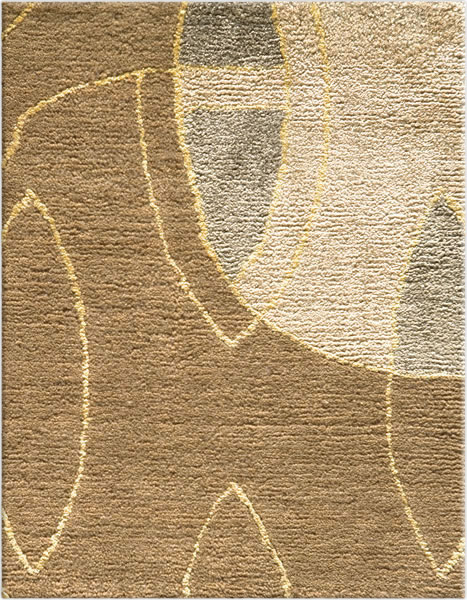
In this article, we forecast how minimalist principles merge seamlessly with bespoke custom rugs to craft serene, purposeful interiors. By examining texture, color restraint, and precise sizing, we outline a contemporary design approach that maintains visual calm while injecting warmth and depth. You’ll discover how low-pile designs and neutral palettes can redefine scale, elevate living areas, and anticipate emerging trends that shape tomorrow’s minimalist landscapes.
Principles of minimalist design
The foundation of minimalist interiors rests on intentionality: every element must serve a purpose and contribute to overall harmony. Removing superfluous objects and focusing on scale, proportion, and balance designs a space that breathes. Furniture silhouettes are pared back to their essential forms, with negative space elevated to an active design component. Architectural details take center stage, allowing clean lines and unadorned surfaces to create a soothing backdrop. In this context, custom rugs reinforce spatial organization, delineating seating areas and corridors without adding visual clutter. Quality materials and exacting craftsmanship become focal points, underscoring a commitment to simplicity over excess. This disciplined approach invites a sense of calm and underscores the value of considered living.
Minimalist custom rugs crystallize these principles by delivering a singular design vision in underfoot form. Through a controlled palette and refined textures, rugs can subtly anchor conversations and dining zones while preserving an uncluttered aesthetic. By partnering with specialist studios like our Doris Leslie Blau rug collections, designers tap into a library of neutral palettes and low-pile designs crafted for minimalist schemes. Each piece can be tailored in dimensions and composition to integrate seamlessly with architectural lines and furniture legs, ensuring that the rug enhances rather than competes. The meticulous selection of natural fibers—khadi wool, bamboo silk, or organic cotton—further reinforces the ethos of clarity and integrity. When executed with precision, these rugs become silent partners in space-making, accentuating minimalism through purposeful materiality.
Selecting subtle textures
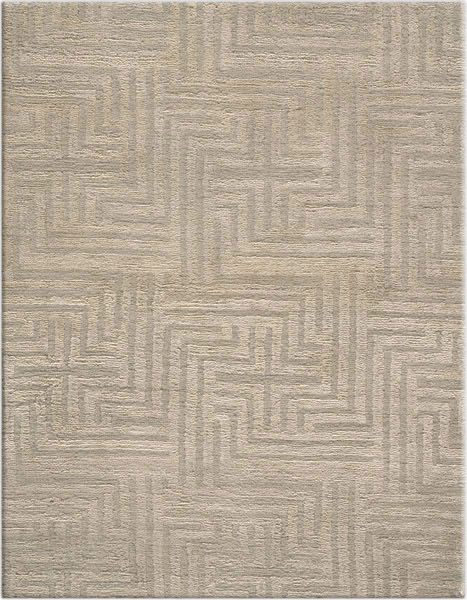
In a minimalist interior, texture substitutes for pattern, providing visual interest without ornamentation. Low-pile designs, featuring unobtrusive loop heights or gently brushed surfaces, offer a quiet tactile narrative underfoot. Opting for matte finishes in wool or silk blends avoids reflective surfaces that can disrupt the serene ambiance. Weaving techniques such as flatweave or hand-tufted strands create linear or grid-like textures that echo architectural geometry. Integrating subtle pile variations—ranging from 2 to 6 millimeters—adds dimension and depth while maintaining the minimalist directive against excess. Thoughtful juxtaposition of smooth and nubby areas can demarcate separate functional zones without resorting to decorative patterning. By prioritizing texture over busyness, the design retains muscular simplicity and invites touch, reinforcing the connection between sight and feel.
Beyond textile choice, the method of custom execution elevates texture curation to an art. Engaging designers in the custom rug design process ensures that fiber composition, knot density, and pile direction align with project-specific performance requirements. For high-traffic areas, a dense, low-pile weave offers durability and ease of maintenance, while more relaxed spaces might warrant a soft, sheared finish that embraces footfall. Subtle sculptural effects—like gentle wave motifs or thin ribbing—can be embedded directly in the rug’s structure, offering an understated signature. By calibrating these variables precisely, each bespoke rug becomes a deliberate textural canvas, reinforcing minimalist tenets without introducing visual noise. The result is a space that feels coherent, tactile, and intentionally crafted from floor to ceiling.
Color restraint and impact
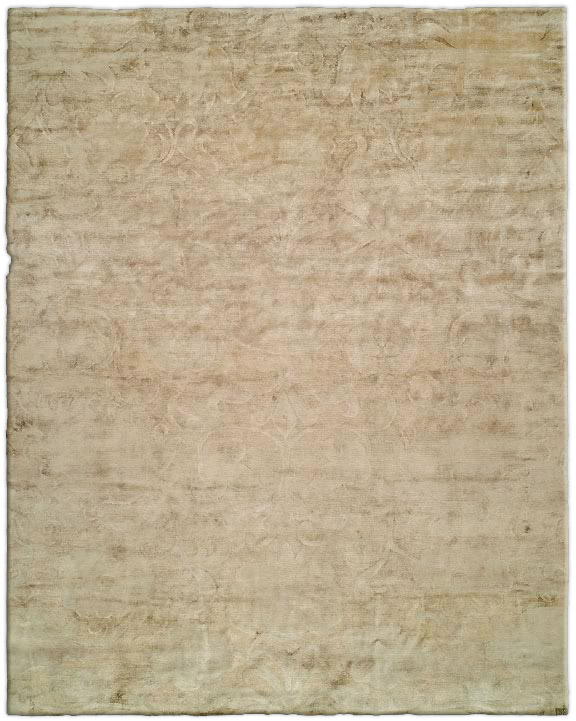
Minimalist interiors thrive on a disciplined approach to color, often subscribing to neutral palettes to achieve cohesion and tranquility. Whites, beiges, greys, and muted earth tones form the primary vocabulary, acting as a backdrop for architectural forms and curated objects. Custom rugs in such environments must balance subtlety and presence—too pale and they vanish; too dark and they dominate. Achieving equilibrium involves selecting mid-tone neutrals that resonate with wall finishes, upholstery leathers, or raw concrete floors. A precisely matched ink-grey rug can ground a seating area with refined authority, while a soft taupe foundation radiates warmth against cool steel or glass accents. Introducing a single accent strand in blush or slate within the weave can add dimensional intrigue without fracturing the minimalist palette. Each color choice is a strategic intervention that amplifies the serenity of the overall scheme.
Advanced dyeing techniques enable precision beyond standard off-the-shelf options, ensuring fibers take color uniformly and maintain their integrity over time. Expert dyers blend pigments to create custom shades calibrated to client specifications, whether that’s a silvery ecru that picks up natural light or a deep charcoal that anchors urban loft settings. Low-pile designs display color with subtlety—minimizing shadows and glare—while hand-spun wool variations offer tonal modulation that shifts delicately throughout the day. When combined with a minimalist furniture palette, these custom rugs become the linchpin that ties disparate materials together, delivering a sense of cohesion that’s as understated as it is sophisticated. This meticulous approach to color restraint maximizes visual calm and elevates the space’s architectural purity.
Custom sizing for clean lines
One of the most powerful ways to maintain minimalism is through precise rug sizing that respects the room’s proportions and circulation paths. Oversized rugs can overwhelm small rooms, while undersized pieces risk looking disconnected from furniture groupings. Engaging in custom measurement ensures that each rug extends just enough beyond sofa legs or dining chair feet to define the zone without encroaching on walkways. Designers often specify clearance distances of 8 to 12 inches around furniture edges to reinforce negative space and enhance visual balance. Rectangular or square layouts complement linear architecture, while custom-shaped runners align with narrow corridors or architectural alcoves. This level of specificity elevates a rug from a decorative layer to an integral spatial component that orchestrates movement and sightlines with surgical precision.
Beyond standard formats, bespoke rugs can incorporate inset borders or beveled edges to mirror architectural elements like baseboards or recessed panels. This technique offers a subtle framing effect that further clarifies spatial boundaries under each furnishing cluster. Precise corner-to-corner alignment with tile joints or wood plank directions underscores the design logic, reinforcing a mantra of clean, uninterrupted lines. The result is a foundation that whispers consistency, guiding the eye fluidly across each defined zone without abrupt transitions. When paired with low-pile constructions, these custom dimensions preserve a streamlined profile that never competes for attention. The rigor of measured proportion in rug design becomes a hallmark of minimalist discipline, ensuring every element is calibrated for cohesion.
Future trends in minimalism
Looking ahead, minimalist interiors will continue to evolve toward even more integrated, multi-sensory experiences that prioritize craftsmanship and sustainability. The demand for modern made-to-order rugs will escalate as homeowners seek to minimize waste and maximize personalized expression within a restrained framework. Innovations in eco-friendly fibers—such as recycled cashmere blends and bio-based yarns—will allow custom rugs to meet rigorous environmental standards while maintaining the aesthetic purity of low-pile designs. Digital weaving technologies are also on the rise, promising heightened precision in pattern execution and seamless color transitions that further reduce resource consumption and lead times. These developments will reinforce the notion that minimalism is not just a visual style but an ethical commitment to intentional, responsible design.
Augmented reality (AR) tools are poised to transform how designers and clients collaborate on custom rug projects, enabling real-time visualization of scale, texture, and color within actual interiors. This digital synergy will eliminate guesswork, ensuring that each bespoke rug fulfills its spatial purpose with absolute accuracy. As the boundaries between digital planning and artisanal production blur, the potential for innovative textures and pigment applications will expand dramatically. We will witness the emergence of rugs that can subtly shift hue under different lighting scenarios or adjust pile density in response to foot traffic patterns. These advanced capabilities will redefine what it means to craft minimalist custom rugs, propelling the discipline into a new era of responsive, evolutionary design.
FAQ
Can a rug be both minimalist and luxurious?
Yes. By choosing high-quality natural fibers, meticulous low-pile construction, and a refined neutral palette, a rug can embody minimalism while delivering the tactile richness and durability of luxury. The craftsmanship behind each custom piece—whether it’s hand-tufted bamboo silk or flatwoven organic wool—ensures an understated elegance that enhances any minimalist interior.
What colors work best in minimalist rooms?
Optimal colors for minimalist environments include mid-tone neutrals such as warm greys, taupe, cream, and soft sand. These hues maintain visual calm and integrate seamlessly with architectural finishes. Introducing a single accent strand in a muted pastel or deep charcoal can add depth without disrupting the overall serene palette.
How to choose texture without clutter?
Focus on subtle textural contrasts rather than bold patterns. Low-pile designs with gentle ribbing, loop variations, or hand-tufted nuances provide tactile interest without visual noise. Engaging in the custom rug design process allows you to specify fiber blends, pile heights, and weave densities that align precisely with minimalist principles.
For a tailored consultation on how bespoke custom rugs can transform your minimalist interior, contact our specialists today.