

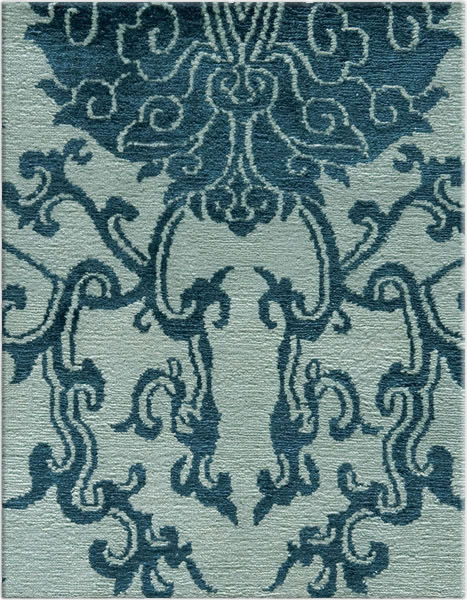
This exploration delves into the enduring legacy of custom rugs as shaped by millennia of craftsmanship in Persia and Anatolia. From early nomadic weavers to royal workshops, regional artisans developed a vocabulary of knot structures, dyes, and symbols that defined cultural identity. Over successive generations, these practices evolved in response to social, economic, and technical currents, resulting in the rich hand-knotted heritage we celebrate today. By tracing pivotal moments in design and execution, we reveal how ancient techniques continue to influence modern bespoke floor art. Ultimately, this narrative underscores the unbroken lineage that informs every stage of our custom rug design process.
Early rug-making origins
In the vast tapestry of human history, the genesis of rug-making can be traced to the Neolithic era, where simple weave structures first appeared along the Silk Road corridors. Archaeological finds from Central Asia suggest that nomadic tribes began experimenting with wool fibers stripped from wild sheep, twisting them into rudimentary yarns. These early artisans employed naturally occurring dyes from plants, insects, and minerals to impart color, creating a palette of ochre, indigo, and russet that resonated with their environment. As migration routes expanded, so too did the cross-pollination of techniques, embedding unique regional motifs that would become hallmarks of local identity. Without formalized workshops or guilds, weaving remained a communal necessity, evolving organically under the constraints of climate, resource availability, and cultural exchange.
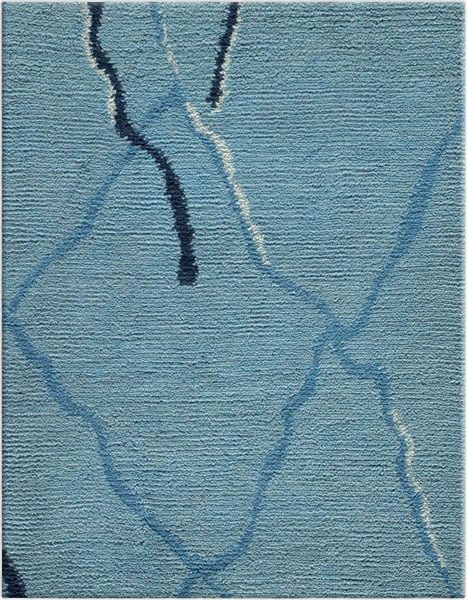
By the first millennium BCE, sophisticated looms emerged in the Fertile Crescent, enabling vertical weaving methods that permitted higher knot densities and more intricate designs. Persian plateau communities, in particular, adapted these looms to accommodate asymmetrical knots and elaborate border treatments, while Anatolian artisans refined double-knot structures for enhanced durability. These technical advances overlapped with burgeoning trade networks, elevating rugs from practical floor coverings to valuable commodities. Distinct palettes began to define geographic centers: deep madder reds in Persia, vibrant cobalt blues near the Caspian shores, and earthy browns across the Zagros foothills. These early practices laid the groundwork for a visual language of symbols—stylized ram’s horns, boteh elements, and geometric grid frames—that would persist for centuries as defining components of custom rugs’s narrative.
Distinctive Persian techniques
The sophistication of Persian weaving resides in its embrace of the asymmetrical Senneh knot, allowing finer detail and an astonishingly high knot count per square inch. Master weavers in cities such as Tabriz, Kashan, and Isfahan elevated the craft by sourcing the finest vegetal-dyed silk and merino wool, organizing their looms to produce curvilinear botanical patterns that swirl across fields of plush pile. Drawing from historical manuscripts and court records, workshops adapted designs to reflect royal patronage, ensuring that each piece conveyed an intricate interplay of symmetry and organic growth. Central to this evolution was the cultivation of a hand-knotted heritage, where multi-generational studios passed down dye recipes, knotting techniques, and pattern archives in handwritten volumes—a tradition that endures in select ateliers to this day.
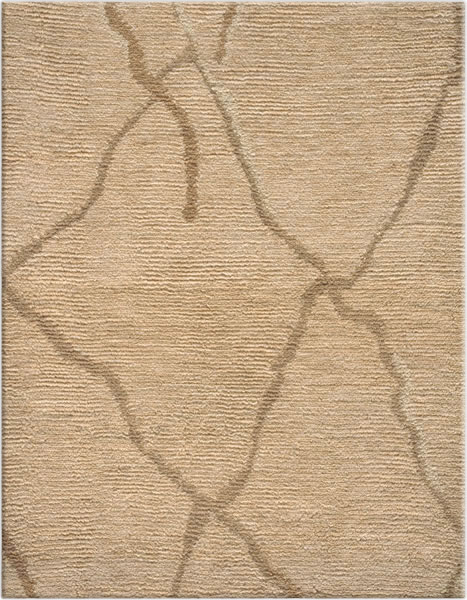
Color theory in Persian weaving also demonstrates unparalleled innovation; master dyers mixed indigo with iron mordants to achieve deep blacks, while cochineal extracts combined with local soil compounds produced vivid crimsons resistant to fading. Each regional center developed its own lexicon of regional motifs, from the floral sprays of the Ardabil series to the medallion-centric layouts of Qom pieces. By calibrating loom tension and yarn twist, artisans sculpted intricate narratives into every square meter, seamlessly integrating borders, spandrels, and guard bands. This level of detail not only required exceptional dexterity and vision but also continuous exchange between nomadic tent weavers and urban guild members, sustaining a workflow that balanced innovation with reverence for established forms.
Unique Turkish weaving styles
In Anatolia, the symmetrical Ghiordes knot emerged as a defining feature of Turkish weaving, fostering a dense, robust pile that endures under heavy use. From the Central Anatolian plateau to the lush valleys of the Aegean, local dyers cultivated madder root and whey-based mordants to yield a spectrum of warm reds and soft yellows unique to each topographical pocket. Regional motifs such as the octagonal star, kilim-like lozenge patterns, and stylized palmettes reflect a visual dialogue between Turkic nomadic tribes and Byzantine influences. Workshops in Konya, Antalya, and Bursa specialized in combining geometric fields with elaborate corner spandrels, leveraging the symmetrical knot to articulate crisp outlines and a uniform surface that became synonymous with Turkish bespoke rugs traditions.
Distinct from Persian workshops, Turkish weaving villages favored a modular design approach, segmenting large compositions into repeatable units that allowed weavers to synchronize pattern transitions across multiple looms. This methodology not only accelerated production but also reinforced communal knowledge sharing, as siblings and neighbors collaborated on expansive carpet orders destined for palace halls and caravanserai inns. The emphasis on modularity facilitated the preservation of ancient designs for generations, embedding regional motifs in a standardized grid. Today, these motifs continue to inform contemporary works, seamlessly integrated into our custom rug design process at Doris Leslie Blau, where clients may specify historic Anatolian patterns reinterpreted in modern palettes and materials.
Influence on modern custom designs
The crosscurrent of Persian and Turkish traditions finds new expression in today’s bespoke interior schemes, where custom rugs serve as focal points that marry ancient craftsmanship with contemporary aesthetics. Designers collaborate closely with our in-house specialists to select knot types, pile densities, and dye recipes that echo historic prototypes without sacrificing modern performance standards. Whether interpreting a Safavid-inspired scrolling arabesque in a muted apartment lounge or adapting a bold Anatolian kilim motif as an underfoot centerpiece in a luxury chalet, these projects draw directly from the wellspring of traditional methods. By understanding the functional virtues of each knot structure and fiber composition, clients achieve not only a statement piece but also a tactile testament to the hand-knotted heritage that defines every masterpiece.
Our commitment to authenticity extends beyond surface design, manifesting in the rigorous sample approval process that guides color calibration and material selection. Clients may reference pieces from our Doris Leslie Blau rug collections or commission entirely novel designs, supported by detailed schematics and 3-D renderings. This bespoke methodology honors the lineage of master weavers while empowering modern interior visions. Every stage—from initial pitch to final weaving—benefits from transparent project management underpinned by decades of archival research. As a result, each custom rugs commission emerges as a living bridge between the storied past of Persian and Turkish workshops and the exacting demands of 21st-century design.
Preserving traditional craft
To ensure that ancient rug-making techniques do not vanish in the face of mechanization, dedicated preservation initiatives have been established across both Iran and Turkey. UNESCO-designated heritage programs, private guild alliances, and non-profit foundations collaborate to provide apprenticeships that immerse new generations in the full spectrum of artisanal skills. These programs cover every facet of production: from hand-carding and spinning threads according to centuries-old tension standards to formulating mordants that sustain historic dye reproducibility. Workshops often operate in remote villages, maintaining the same environmental conditions that shaped early fiber processing. By embedding trainees in a living ecosystem of masters and elders, these initiatives secure the continuity of a hand-knotted heritage integral to global cultural patrimony.
Beyond academic preservation, restoration laboratories in Shiraz and Istanbul partner with institutions to conserve endangered carpets, meticulously documenting original pigment compounds and weaving patterns. These archives serve as invaluable references for contemporary commissions, enabling our specialists to integrate authentic regional motifs with pinpoint accuracy. Sustainable sourcing commitments ensure that wool and silk imports adhere to ethical standards, while low-impact dye rites respect environmental protocols. Through active engagement with artisan communities, we facilitate direct economic support that underscores each custom rugs order as a partnership rather than a transaction. This holistic approach binds heritage preservation to modern luxury, guaranteeing that the ancestral spirit of Persian and Turkish weaving will endure for centuries to come.
FAQ
How did Persian rug designs evolve?
Persian rug designs evolved through a combination of tribal, courtly, and commercial influences. Nomadic weavers introduced foundational geometric and floral patterns, which were later refined by royal workshops under the Safavids and Qajars. The emergence of city-based ateliers allowed for higher knot densities and more elaborate color palettes, leading to the asymmetrical Senneh knot and medallion-centric layouts. International trade further diversified motifs, incorporating Chinese, Indian, and Ottoman elements over time. This layered evolution reflects the hand-knotted heritage that remains central to contemporary custom rugs.
What differentiates Turkish knots?
Turkish knots, commonly known as Ghiordes or symmetrical knots, wrap yarn simultaneously around two warp strands, creating a durable and evenly raised pile. This contrasts with the Persian Senneh knot, which loops around one warp before passing under the next. The symmetrical structure offers greater resilience in high-traffic areas and yields a textured field that highlights geometric designs. Turkish knotting historically supported modular, repeatable regional motifs that could be executed across multiple looms, ensuring consistency and efficiency without compromising artisanal quality.
Are traditional methods used in custom orders?
Yes, traditional methods are integral to our custom orders. From the initial selection of region-specific dye formulas to the choice between asymmetrical or symmetrical knots, each decision aligns with historic practices. Our in-house specialists guide clients through a meticulous approval process that honors time-tested techniques while accommodating contemporary performance standards. By leveraging documented archives and direct artisan partnerships, our custom rug design process ensures that every commission embodies the authenticity and craftsmanship of its Persian and Turkish predecessors.
For a personalized consultation and deeper insights into historical techniques, speak with our rug specialists to begin crafting a truly unique heirloom.