

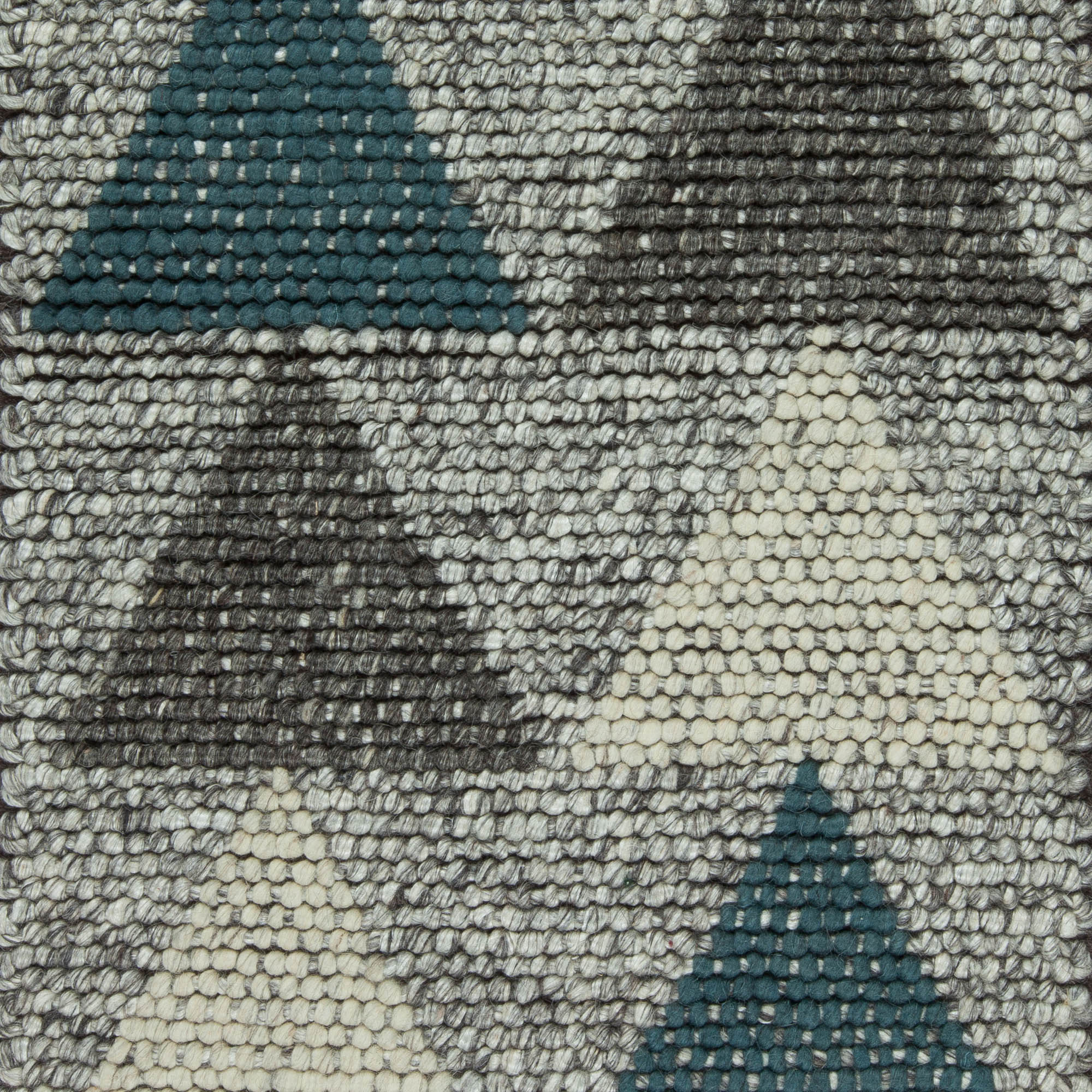
Antique rugs in modern rooms can look remarkably composed when the rest of the interior is edited with discipline. The goal is not to make the rug disappear into the architecture or to let it dominate every surface, but to give the pattern enough breathing room that its age reads as intention. In practice, that means thinking about scale, furniture placement, palette, and finish level at the same time. When those elements work together, a historic rug can sharpen a contemporary room rather than soften it into nostalgia.
Many homeowners are drawn to antique rugs because they bring depth that newer furnishings often lack: worn edges, nuanced dye variation, and the visual complexity of a hand-knotted field that has settled into itself over decades. The challenge is that modern rooms tend to favor cleaner lines, fewer objects, and stronger negative space. If the rug is too busy for the architecture, or if the room contains too many competing textures, the eye loses its point of rest. A successful composition respects both eras. It allows the rug’s patina to read clearly while keeping the surrounding room restrained enough to frame it.
Balance patina with cleaner architectural elements
Antique rugs perform best when they are paired with architecture that feels edited rather than ornate. Think plaster walls, low-profile millwork, flat-panel cabinetry, large uninterrupted windows, or a fireplace surround with simple geometry. These elements create a calm perimeter that lets the rug’s age and detail come forward without visual clutter. If the room already contains crown moldings, carved furniture, and layered drapery, the antique piece can still work, but it needs more visual space around it and a more disciplined palette above and beside it. Otherwise, the room begins to read as historically referential in every direction, which can make the rug feel inherited rather than curated.
One useful rule is to let only one surface carry the strongest pattern language. If the rug is richly figured, keep the walls, curtains, and major upholstery quieter. This does not mean the room should feel sparse. It means the architectural vocabulary should be simplified so the rug’s worn medallion, border, or allover design has a place to land. In transitional interiors, that kind of restraint is especially effective because the space is neither rigidly contemporary nor obviously traditional. The antique rug becomes the bridge between the two.
Use finish contrast, not decorative competition
Modern rooms often rely on lacquer, polished metal, glass, or honed stone. Antique rugs bring the opposite quality: matte wool, softened dyes, and tactile irregularity. That contrast is helpful because it creates clarity through difference. A room with a very smooth envelope benefits from a rug that has age and hand; a room with too many glossy or reflective surfaces benefits from a floor covering that grounds the composition. The mistake is to add more visual shine near the rug, such as mirrored furnishings or high-contrast accessories, which can flatten the subtle shifts in the weave.
Choose furniture and art that support the rug rather than crowd it
Furniture should help define the rug’s perimeter and give the pattern a readable scale. On a large antique piece, a sectional with a low back can allow more of the field to remain visible than several bulky lounge chairs scattered at random. In a smaller room, a pair of armchairs with open legs may be better than a dense sofa that blocks the border and makes the room feel compressed. The key is not simply size, but clearance. A rug needs enough visible edge to register as a deliberate anchor, and modern furniture usually works best when it respects that boundary instead of sitting heavily on top of it.
Art placement matters just as much. If the rug has strong medallion structure or directional motifs, art with equally assertive geometry can become too much. Abstracts, restrained photographs, or quieter works with similar tonal depth often harmonize better because they hold the eye without repeating the rug’s pattern language. In rooms where the rug is the most expressive object, art can stay understated and still feel expensive. This is one of the reasons designers often rely on negative space: it keeps the composition legible from the threshold as well as up close.
Consider a living room with a faded Heriz under a clean-lined linen sofa and two walnut lounge chairs. The rug carries the color and movement, while the furniture provides structure and pause. A large-scale abstract above the mantle can work if its palette is pulled from the rug’s quieter tones, but a busy gallery wall would make the floor compete with the wall plane. That kind of editing is especially important in open-plan interiors, where every zone is visible at once and the rug must establish order from a distance.
Use color repetition to unify old and new
Color is often the fastest way to make antique rugs in modern rooms feel deliberate. You do not need to match the rug exactly, but one or two repeated tones should appear elsewhere in the room so the floor covering feels connected to the whole composition. A faded rust or tobacco note can be echoed in a leather chair, a walnut finish, or a ceramic lamp base. A soft indigo fragment can reappear in a cushion, artwork, or upholstered bench. Repetition at this scale is enough to create coherence without turning the room into a theme.
Temperature also matters. Many antique rugs carry colors that read warm because of natural aging, even when the original palette included cooler blues or greens. In a room lit by cool daylight and outfitted with gray stone or pale oak, those warmer undertones can prevent the space from feeling sterile. Conversely, if the room is already saturated with honeyed woods and brass, a rug with cooler distressing can keep the palette from becoming heavy. Designers who work on transitional interiors often use this kind of temperature balancing to make antique and contemporary elements sit comfortably together.
It helps to look beyond the obvious dominant color and identify the rug’s quieter notes: a dusted olive in the border, a faded rose in the medallion, a blue-gray shadow in the field. Those secondary tones are often the best bridge to modern furnishings because they are less literal and more adaptable. If the room uses a neutral base, even a subtle echo of one of those tones can make the rug feel integrated rather than placed on top as an afterthought.
Read the room before choosing pile, scale, and placement
Pattern density should be judged in relation to the room’s architecture and traffic. A formal sitting room with little circulation can support a more elaborate antique design because the rug is seen, not constantly crossed. By contrast, a family room or open kitchen-living space benefits from a composition that is visually rich but not overly delicate. If the rug’s field is already worn thin, high-traffic placement can accelerate loss in the most exposed areas. In that case, the design may still be beautiful, but the practical life of the piece should be part of the decision.
Pile height also affects clarity. Low-pile antique rugs can read crisp and graphic, especially when their motifs have been flattened by age, while thicker pieces offer a more cushioned, atmospheric presence. Modern furniture tends to look best with a lower visual horizon, which means a very plush or shaggy floor covering can feel out of sync unless the rest of the room has similar softness. The interplay between pile and furniture leg height is worth watching: open-legged pieces allow the rug to remain visible and the room to feel lighter, while skirted upholstery can make the floor plane disappear.
Placement should be intentional enough that the rug appears aligned with the room’s primary axis. In a dining room, that means the border should remain visible beyond the table and chairs, not be pinched tight beneath the legs. In a living area, the front legs of the seating can sit on the rug, but the composition should not be so cramped that the antique pattern is reduced to a trim line. Good rug proportion is not about filling every inch; it is about allowing the eye to understand where the floor covering begins and ends.
When a custom piece may be a better fit than a fragile antique
There are rooms where an antique rug is the right idea but not the right object. If the plan calls for an exact dimension, a highly specific palette, or a pattern density that would be too fragile to support daily use, custom rugs can solve the problem more effectively. This is especially true when the room has unusual proportions, when the furniture layout is still evolving, or when the desired effect is historic in spirit rather than literal in age. A made-to-order piece can take cues from antique weaving traditions while being calibrated for the actual room, which is often a better design outcome than forcing an old rug to serve a new function.
Custom work can also be the better choice when the original antique would require too much compromise. If a room needs a very large format for an open-plan plan, a true antique may be too small to create visual balance. If the color story demands a specific level of softness, distressing, or contrast, vintage-inspired custom rugs can deliver that vocabulary without relying on a fragile textile that may be unsuitable for the space. For homes with pets, children, strong sunlight, or frequent entertaining, the durability conversation becomes just as important as the visual one. A custom rug can be specified with the right construction, fiber blend, and pile profile for the way the room is actually used.
This is also where scale and proportion become designer tools rather than abstract concepts. A rug that is two inches too narrow can make a seating group feel detached from the architecture. A rug that is too visually dense can overpower low-slung modern furniture. When a room needs precise alignment, custom carpet solutions give you the ability to resolve those tensions cleanly instead of adapting the entire room to the limitations of a found piece. That kind of control is often what separates a room that merely contains an antique from one that feels composed around it.
Practical styling checks before you commit
- Confirm that the rug’s border remains visible on all sides or at least along the primary approach to the room.
- Compare the rug’s warm and cool undertones to the wall color, upholstery, and flooring under daylight and evening light.
- Check whether the furniture legs allow enough negative space for the pattern to read, especially in smaller rooms.
- Assess whether the rug’s wear is aesthetic patina or a structural concern in areas that will receive frequent traffic.
- Decide whether the room needs a historically authentic antique or a custom-made interpretation with more durability and exact sizing.
FAQ
How do I keep an antique rug from feeling dated?
Keep the surrounding room visually quiet and let the rug carry the pattern. Simple architecture, edited upholstery, and a restrained palette help the rug read as a considered focal point rather than a period relic. Repeating one or two tones from the rug in the furniture or art also makes the composition feel current.
Can modern furniture work with ornate pattern?
Yes, and the contrast is often what makes the room feel fresh. The important part is proportion: low-profile seating, open legs, and clean silhouettes allow the rug to remain visible. If the furniture is too bulky or too decorative, the room can lose clarity and the rug may feel crowded.
When should I commission a custom rug instead?
Commission a custom piece when the room needs a precise size, a more durable construction, or a palette that an antique cannot offer. It is also the better solution when you want the feel of a historic rug but need the performance and scale to suit contemporary living. For many projects, that path produces the most controlled and livable result.
Are vintage-inspired custom rugs a good alternative to true antiques?
They can be excellent alternatives when you want antique character without the fragility or sizing limitations of an older textile. A well-specified custom rug can reference traditional motifs, soften the palette, and support the room’s proportions while still being tailored to the way the space is used.
When antique rugs and modern rooms are balanced carefully, the result is not a stylistic compromise but a more legible interior with depth where it counts. Doris Leslie Blau can help you evaluate whether a historic textile, a tailored reproduction, or another made-to-order direction will serve the room best. If you are refining a space and want expert guidance on pattern, scale, and construction, a specialist consultation can turn the design decision into a confident one.