

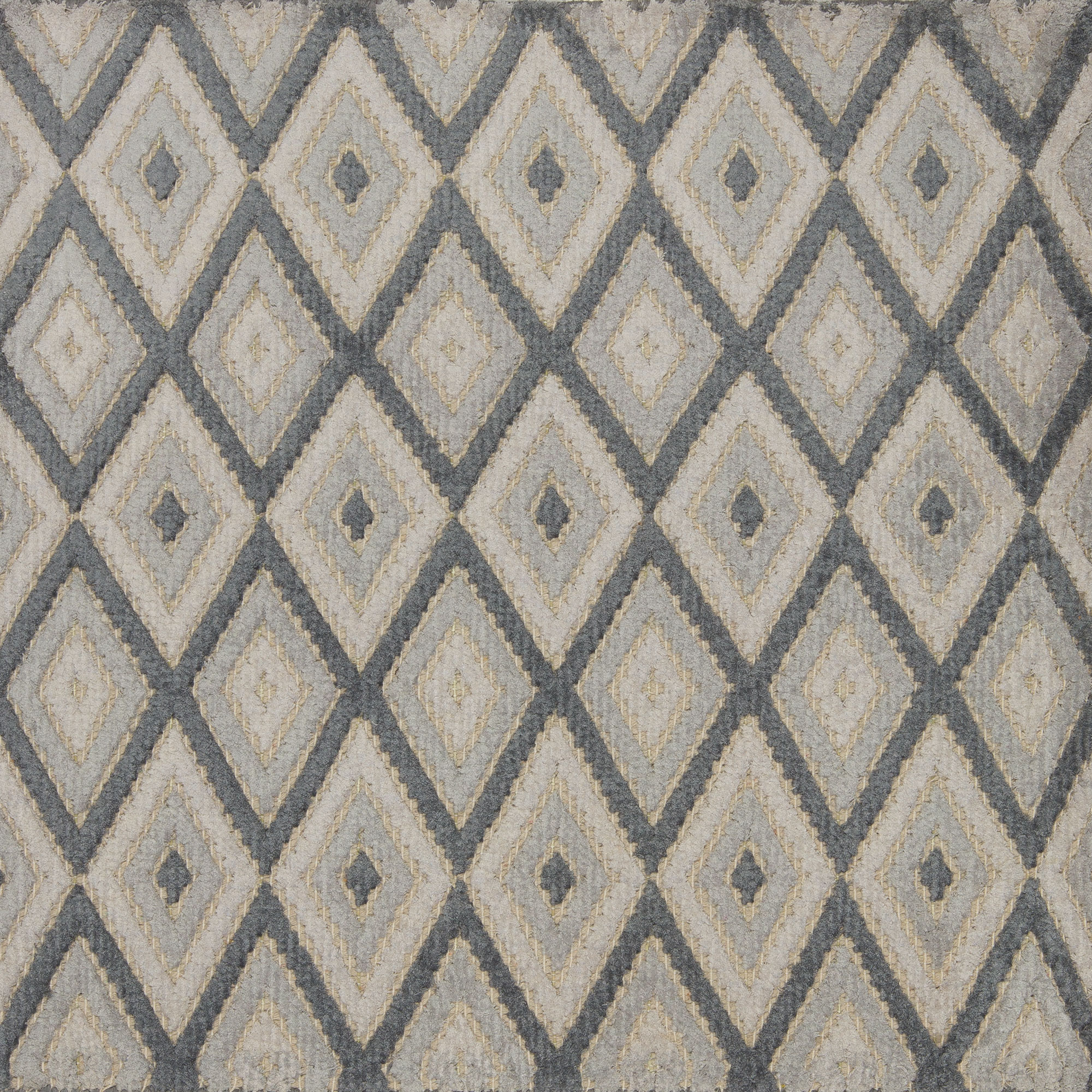
The right home office rug does more than soften a floor. In a room where concentration, camera presence, and daily movement all compete for attention, a well-chosen rug can quiet echo, define the work zone, and lend the background a more disciplined finish. For many clients, that makes custom rugs the most efficient design tool in the room: they solve proportion, comfort, and visual order at once.
Home offices rarely behave like traditional offices. They are often carved out of bedrooms, loft corners, libraries, or transitional spaces that must remain polished when the laptop is closed and practical when the workday is underway. A rug can give that multipurpose room a clear identity, but only if its size, material, and pattern are chosen with the furniture layout and the way the space is used. A small decorative rug under a desk may look finished in a photograph, yet still fail to address chair movement, foot traffic, or sound reflection. A better approach is to treat the rug as part of the room’s architecture, not as an accessory added at the end.
Use the rug to separate work from circulation
In a home office, zoning is often the first challenge. If the desk sits in a room that also serves as a passageway, the rug should create a clear boundary between the work area and the path people take to enter, exit, or move around furniture. That boundary can be subtle: a properly scaled rug may stop short of the doorway yet still ground the desk, chair, and side table as one composed arrangement. The goal is not to isolate the office visually, but to give the eye a logical place to land so the room feels intentional rather than improvised.
Scale is critical here. A rug that extends beyond the desk and chair with enough margin on all sides helps the office zone read as complete, especially in rooms where furniture floats away from the walls. For many home office rugs, that means thinking less about the desk alone and more about the entire movement pattern around it. If the chair rolls backward, the rug must accommodate that motion without creating a trapped or awkward edge. In a narrow room, a custom rug may be the cleanest solution because it can be tailored to the exact footprint needed between millwork, doors, or built-ins.
Select pile and construction with sound in mind
Rug acoustics matter more than many homeowners expect. Hard surfaces amplify keyboard taps, chair movement, and the slightly hollow quality of voices in a room with bare floors. A rug with enough density can absorb some of that reflection and make the office feel calmer, especially if the room also contains glass, lacquered cabinetry, or painted walls that bounce sound back into the space. This is not only a comfort issue; it also affects how a room feels on calls, where a quieter acoustic environment tends to read as more composed and less distracting.
Construction should follow the room’s use. Hand-knotted rugs with a denser weave and a resilient wool ground often perform well in offices because they balance texture with structure. Wool has natural give, which is helpful under a chair, and it tends to wear more gracefully than overly delicate fibers in a room used every day. Higher pile can feel luxurious, but it may interfere with casters or make chair movement less precise; a lower to medium pile is often the more disciplined choice for a working room. If the design calls for a more refined sheen, silk can be introduced in controlled amounts through pattern detail rather than across the entire field, keeping the surface elegant without making it impractical.
For designers specifying custom rugs, this is where construction becomes a technical decision rather than a decorative one. The best choice depends on how often the chair moves, whether the floor beneath is wood, stone, or concrete, and how much acoustic softening the room actually needs. A rug that is beautiful but too fragile for daily use will become a maintenance problem; a rug that is sturdy but visually blunt may solve comfort without improving the room. The strongest specification usually sits between those extremes, with material and pile selected to support both work and atmosphere.
Match the rug to desk placement and camera view
The home office background now matters as much as the workstation itself. If the desk faces a wall, the rug is primarily experienced in the room’s reflection and at the edges of the frame; if the desk faces into the room, the rug may appear behind the chair in video calls or in the view when the camera is turned aside. Either way, the pattern should be considered in relation to what will actually be seen. A rug with a calm border and a controlled central field can help stabilize the visual composition, while a highly active allover design may become too competitive when placed behind a person on screen.
One useful test is to stand at the camera position and look not only at the floor, but at the lines the rug creates with desk legs, chair base, and nearby cabinetry. Strong geometry can be helpful if the room already feels soft or unfocused, yet too many competing lines can produce visual noise. In a classic study, a restrained medallion or a subtle ordered repeat may reinforce the architecture. In a contemporary office, a rug with broader fields, washed tones, or quiet striations can support concentration without flattening the room. The best choice depends less on trend than on the composition of what is already there.
It also helps to think about lighting. Natural light from a side window can make light-colored rugs look airy during the day but slightly washed on camera, while darker rugs may anchor the room but can visually absorb too much in low light. A nuanced middle tone often works best in a room that serves both work and presentation. If the office contains books, art, or built-ins, the rug should relate to those fixed elements rather than competing with them. That kind of alignment is one reason many interior designers specify made-to-order pieces when a room must work across multiple functions and viewing angles.
Choose color that supports concentration
Color has a measurable effect on how a room feels to work in. High-chroma hues can be energizing, but if they are too intense they may keep the eye moving when it should settle. In a home office, the most effective palettes are often the ones that feel deliberate rather than loud: mineral blues, softened greens, tobacco browns, chalky neutrals, warm grays, and muted reds can all support focus when handled with restraint. The right palette should complement the emotional temperature of the room and the amount of daylight it receives.
Pattern deserves the same level of discipline. A fine, rhythmic design can provide texture without visual chatter, while a large-scale motif may work best in a spacious office with minimal furniture and generous wall surface. The most practical question is whether the rug calms the room from six feet away, since that is often the distance from desk to camera or desk to adjacent seating. If the floor covering becomes too active at that distance, it can undermine the very sense of order the office is meant to create. For that reason, many designers use pattern to create depth, not distraction.
There is also a material way to think about color. Wool often softens pigment, making a tone look slightly warmer and more grounded, while silk can sharpen contrast and bring out subtle shifts in hue. That means two rugs in the same color family may feel quite different in a finished office. A pale rug in a dense wool weave may feel serene and tailored; the same color in a more lustrous construction may read more formal and reflective. This is where the specification process becomes valuable, especially when the rug needs to coordinate with cabinetry, leather seating, or a stone desktop that already has a strong visual presence.
A practical example: the desk corner that needed to work as a room
Consider a compact office set into a long room with a desk near one end, a reading chair at the other, and a circulation path running between them. Without a rug, the desk area and seating area feel unrelated, and every hard surface adds to the sense of noise. A tailored rug placed under the desk and extending toward the reading chair can unify the layout, but only if its dimensions account for chair movement and the actual walking path. In that setting, a border design or quiet field pattern can create just enough separation to suggest a destination without making the room feel smaller.
If the same room is used for video calls, the rug should also support the background. That might mean avoiding a motif that visually climbs too high behind the chair, or choosing a coloration that works with the wall paint and the tone of the shelving. A calm wool rug in a muted earth tone can reduce glare and make the room feel more stable on screen, while a slightly more tactile surface can add depth without demanding attention. These are small decisions individually, but together they determine whether the office feels composed every time the door closes.
Why custom dimensions often solve the hardest office problems
Standard sizes work well when the room is standard, but home offices often are not. Built-ins, alcoves, unusual ceiling heights, architectural molding, and asymmetrical furniture placement all complicate rug selection. In those cases, the best answer may not be compromising on a too-small or too-large piece, but commissioning a shape and size that fit the room precisely. That approach is especially useful when the rug must coordinate with a desk that is centered on one wall but the chair or side seating sits off-axis, since proportion matters more than symmetry in rooms that are used every day.
This is also where custom rugs for interior designers become a strategic tool. A designer can align color, construction, and edge finish with the rest of the specification rather than treating the rug as an isolated purchase. In a home office, that might mean selecting a weave that feels quietly formal, a border width that echoes nearby millwork, or a palette that bridges the gap between client-facing professionalism and domestic comfort. For homeowners, the benefit is the same: a rug that looks as though it belongs to the architecture, not one that was added because the floor needed something.
At Doris Leslie Blau, that level of attention is central to the way rugs are considered. From antique reference points to hand-knotted contemporary work, the right solution is rarely generic. It is shaped by the room, the furniture, the light, and the way the space must function hour after hour. When those details are taken seriously, a home office rug becomes a working part of the interior, not just a finishing touch.
FAQ
Are rugs helpful in a home office acoustically?
Yes. A well-constructed rug can reduce the hard reflections that make a room feel echoey, especially on wood or stone floors. In practical terms, this helps soften keyboard noise, chair movement, and voice bounce. The effect is strongest when the rug has density, good fiber body, and enough surface area to cover the primary work zone.
What size works under a desk and chair?
The rug should be large enough for the chair to roll back without dropping off the edge, and wide enough to ground the desk as part of a complete composition. In most offices, thinking beyond the desk alone is the right move: the rug should also accommodate side furniture or the immediate circulation path if the room is tight. When the layout is unusual, a custom size is often the cleanest solution.
Can a patterned rug distract on video calls?
It can, if the pattern is too busy or high-contrast at camera distance. Quieter repeats, broader fields, and more controlled borders tend to work better in rooms used for calls. The most reliable test is to view the rug from the camera position and see whether it supports the background or competes with it.
Which materials are best for a work-from-home setting?
Wool is often the most practical starting point because it is resilient, comfortable underfoot, and visually versatile. Hand-knotted construction is especially appealing when the office needs longevity and a refined finish. If sheen or finer detail is desired, silk can be used selectively, but durability should always match the room’s daily use.
If you are planning a home office and want the rug to do more than simply fill space, a specialist review of size, material, and pattern can make the room work harder and look better. Doris Leslie Blau can help you think through those decisions with gallery-level design guidance and a clear eye for proportion, acoustics, and finish.