

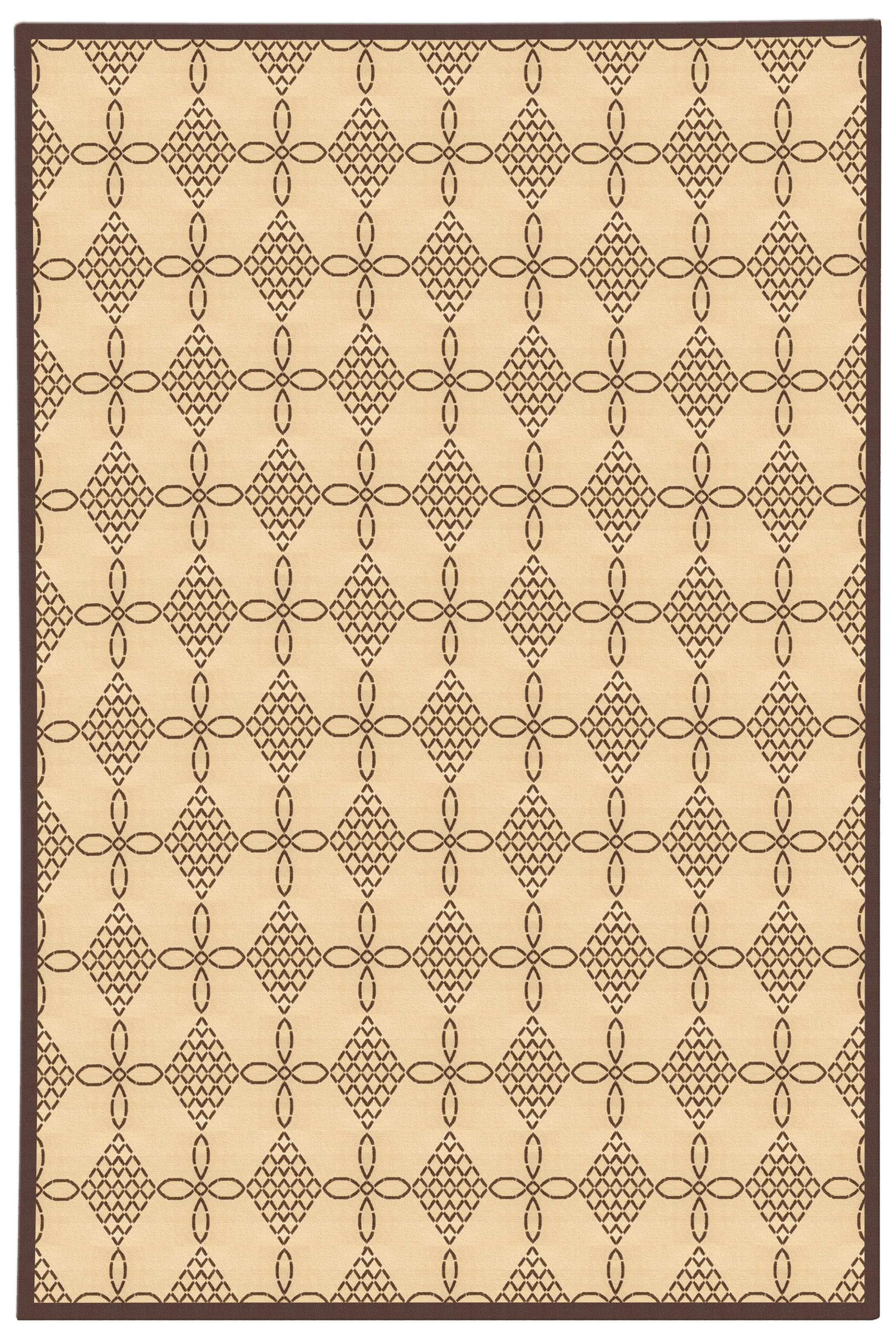
The best home office rugs do more than soften a room visually. They can help define a work zone, reduce echo in a hard-surfaced interior, and create a background that feels composed on camera without becoming distracting. In a room where a desk, chair, shelving, and circulation all have to coexist, the rug becomes a planning tool as much as a decorative layer.
A home office has a different set of priorities than a living room or bedroom. The rug needs to work around chair movement, desk placement, storage, and the way you enter and exit the room throughout the day. It also has to hold up in a space where concentration matters, which means the wrong scale, sheen, or pattern can feel visually noisy even if the room is otherwise orderly. For that reason, many designers approach custom rugs not as an accessory, but as a way to solve layout, sound, and proportion at once.
That approach is especially useful in smaller rooms, converted guest bedrooms, and work corners carved out of open-plan apartments. In those spaces, the rug can either anchor the desk area or make it feel like a temporary setup that never quite settled in. The goal is not softness for its own sake. It is a rug that helps the room function better, look more intentional, and support the kind of focus that long workdays demand.
Use the rug to separate work from circulation
The first decision is spatial, not decorative: where does the work zone end, and where does the room still need to move freely? In a dedicated office, a rug can establish the footprint of the desk, chair, and side chair or credenza so the furniture grouping reads as one complete composition. In a multipurpose room, it can also signal “work here” without requiring walls or built-ins. That distinction matters because the eye tends to calm down when a room has clear borders, especially if the rest of the home is open plan.
Scale is critical here. A rug that is too small under a desk can make the furniture look stranded, while an oversized rug that crowds a door swing or baseboards can make the room feel compromised. As a rule, the rug should extend beyond the desk area enough to accommodate chair movement and ideally include at least the front legs of nearby seating or a console if they are part of the office composition. In a narrow room, a runner-style layout may work better than forcing a square or broad rectangular rug into a tight footprint.
For designers specifying custom rugs for interior designers, the advantage is precision. A made-to-order dimension can align with millwork, window bays, or architectural offsets that standard sizes ignore. That is particularly useful when the office sits inside an older apartment with irregular walls, radiators, or asymmetrical openings, where a few inches can determine whether the room feels tailored or improvised.
Select pile and construction with sound in mind
Rug acoustics are not a luxury detail in a home office; they are part of the room’s performance. Hard flooring, glass, plaster, and built-ins tend to bounce sound around, which can make a small office feel sharper and more fatiguing than it looks. A rug helps absorb some of that reflection, reducing the sense of echo and making speech feel less brittle during calls. The effect is especially noticeable in rooms with high ceilings, minimal upholstery, or polished stone floors.
Construction and pile height both influence how well a rug performs. A denser wool rug generally offers better sound absorption than a flat, sparse weave, while a looped or low-to-medium pile surface often balances acoustic benefit with practical chair movement. Very thick pile can feel luxurious, but under a rolling chair it may create drag or show compression over time. If the office sees constant chair use, a design with a stable foundation and a carefully considered pile height will usually outperform something overly plush.
Material also affects the sensory experience of the room. Wool remains one of the most reliable choices because it is resilient, visually refined, and naturally suited to busy interiors. Hand-knotted rugs can be especially valuable in a home office because their density and craftsmanship often translate into better structure and longevity. For clients who want a quieter, more grounded atmosphere, these are the kinds of material decisions that matter more than a trend-driven pattern.
When acoustics are the priority
If the office is used for video meetings, podcast recording, or long calls, think about the rug as part of the room’s sound strategy rather than as a decorative finish. A rug under the desk, combined with curtains, upholstered seating, and bookshelves, can help create a more controlled acoustic environment. It will not replace proper sound treatment, but it can reduce the hard-edge quality that makes a room feel unfinished on the microphone and in person.
Match the rug to desk placement and camera view
Camera background matters now in a way it did not for earlier generations of home offices. The rug may not be directly visible in a head-and-shoulders frame, but it influences the entire visual field behind and around you. A rug with well-balanced pattern and proportion helps the room read as intentional without competing with artwork, shelving, or the sitter’s face. The most successful home office rugs support the composition rather than announcing themselves first.
Desk orientation should guide the choice. If the desk faces a window, the rug can introduce stability and visual warmth behind you, keeping the room from feeling stark in daylight. If the desk faces a wall with art or shelving, the rug should be quieter so the backdrop does not become crowded. In either case, the best result usually comes from a rug whose geometry mirrors the room’s main lines rather than fighting them. A striped or highly directional pattern can be useful when the room needs movement, but it should be placed with care so it does not visually pull the eye off center in a video frame.
There is also the matter of chair movement and leg placement. A desk chair should roll or glide comfortably without catching the rug’s edge. If a side chair or occasional chair is part of the office, the rug should support that arrangement as well, so the seating area feels coherent when a client or colleague enters the room. This is one reason many designers favor custom rugs in workspaces: they can be proportioned to the actual furniture layout instead of forcing the furniture to adapt to a pre-set size.
Consider a realistic example: a 12-by-14-foot room used as both office and reading space, with a medium wood desk centered on one wall, a leather task chair, and a small lounge chair near the window. A standard 8-by-10 rug might leave too much floor exposed and make the desk group feel detached. A slightly larger made-to-order piece, sized to carry under the desk and into the seating area, would create a more settled frame for the room and improve how the furniture reads on screen.
Choose color that supports concentration
Color has a direct effect on how a room feels during sustained work. In a home office, the most useful rug palettes are often restrained rather than pale or overly saturated. Soft neutrals, muted earth tones, smoky blues, and grounded greens tend to support concentration because they offer visual depth without constant interruption. If the room gets a lot of daylight, slightly warmer tones can prevent the space from feeling clinical; if the room is naturally dim, a cooler or lighter foundation may help the office feel less heavy.
Pattern deserves similar discipline. A busy motif can be beautiful, but in a room where you read, write, and spend time looking at screens, too much contrast can become fatiguing. The right amount of pattern depends on what else is happening in the room. If shelving, art, and upholstery are already active, the rug should probably be quieter. If the architecture is plain and the furniture is minimal, a more expressive rug can provide rhythm without making the office restless.
Texture is equally important. A subtle abrash, tonal variation, or hand-knotted surface can add depth that is felt more than immediately noticed. That kind of visual complexity works well in a workroom because it gives the floor character while keeping the overall reading calm. For clients drawn to quiet luxury and restraint, this is often the sweet spot: a rug that feels tailored, tactile, and composed rather than overtly decorative.
Material choices that work harder in a home office
Not every beautiful rug belongs under a desk. Silk-heavy constructions can look stunning, but they may be less forgiving where rolling chairs, repeated foot traffic, and occasional spills are part of the daily routine. Wool is usually the most practical starting point because it balances resilience with warmth and offers a refined surface that still feels appropriate in a polished study. Blends can be useful too, depending on the room’s light exposure and the level of use.
If the office is part of a larger open-plan area, durability becomes even more important. The rug may need to anchor the desk one hour and serve as a visual bridge to the rest of the interior the next. In that context, hand-knotted rugs are often a smart specification because they tend to have a substantial, finished presence that holds up well within a sophisticated scheme. For a more architectural look, a fine texture with minimal pile can keep the room crisp while still helping with acoustics and underfoot comfort.
Maintenance should also be considered before the purchase, not after. Coffee, printer traffic, pet movement, and wheeled chairs all influence the best construction choice. A rug in a home office should be beautiful, but it should also be realistic. That practicality is one reason interior designers rely on custom rug sizing guide principles when planning a workspace, because the right dimensions and materials can prevent both visual and functional compromise from the start.
How designers think through a home office rug
Designer specification usually starts with the room’s use pattern rather than the rug itself. Is this a primary office used all day, or a guest room that occasionally serves as a work zone? Will the chair stay in place most of the time, or will the furniture shift between work and non-work use? Are there strong architectural lines, like paneled walls or a fireplace, that the rug should echo? These questions determine whether the rug should be centered, offset, expansive, or intentionally compressed to support the room’s proportions.
From there, the designer considers visual weight. A dark rug can ground a bright office and make a tall room feel more contained. A lighter rug can open a smaller room and reflect daylight more evenly. Pattern scale should track with furniture scale: a large desk and substantial storage can handle a broader motif, while slender contemporary furniture often pairs better with a quieter field or finer repeat. This is the kind of calibration that custom rugs allow, because the piece can be planned around the exact architecture and furnishings rather than the other way around.
Doris Leslie Blau approaches these kinds of rooms with an eye toward both craftsmanship and proportion. In a home office, that balance is often the difference between a room that feels merely decorated and one that works beautifully through the day. The rug should not just sit there looking expensive; it should help the room perform.
FAQ
Are rugs helpful in a home office acoustically?
Yes. A rug can reduce echo by softening sound reflections from hard floors and other rigid surfaces. In a room with glass, plaster, wood, or minimal upholstery, the effect is often noticeable during calls because speech sounds less sharp and the room feels less hollow. The best results usually come from a denser rug with enough surface area to cover the main work zone.
What size works under a desk and chair?
The rug should be large enough that the desk chair can move without constantly hitting the edge and, ideally, the desk and nearby seating feel visually connected. Small rugs can make the office layout look fragmented, while a properly scaled rug creates a more settled footprint. In many rooms, custom sizing is the best way to match the actual furniture layout and circulation path.
Can a patterned rug distract on video calls?
It can, if the pattern is high-contrast, overly busy, or fighting with other elements in the room. A more restrained motif, lower contrast palette, or tonal texture usually reads better on camera because it supports the background without pulling focus. If the room already has strong art, shelving, or architectural detail, a quieter rug is often the safer choice.
What is the best rug construction for a busy office?
A dense wool rug, especially a hand-knotted construction, is often a strong choice for a home office because it offers durability, visual depth, and a more substantial feel underfoot. Low-to-medium pile is typically easier for chair movement than a very thick surface. If the office sees heavy daily use, stability and resilience should guide the selection as much as style.
For a home office to feel truly resolved, the rug has to do several jobs at once: define the zone, temper the acoustics, support the layout, and give the camera view a composed foundation. That is why thoughtful specification matters so much in this room. If you are planning one for your own interior, Doris Leslie Blau can help with design guidance that aligns scale, material, and craftsmanship with the way you actually work.