

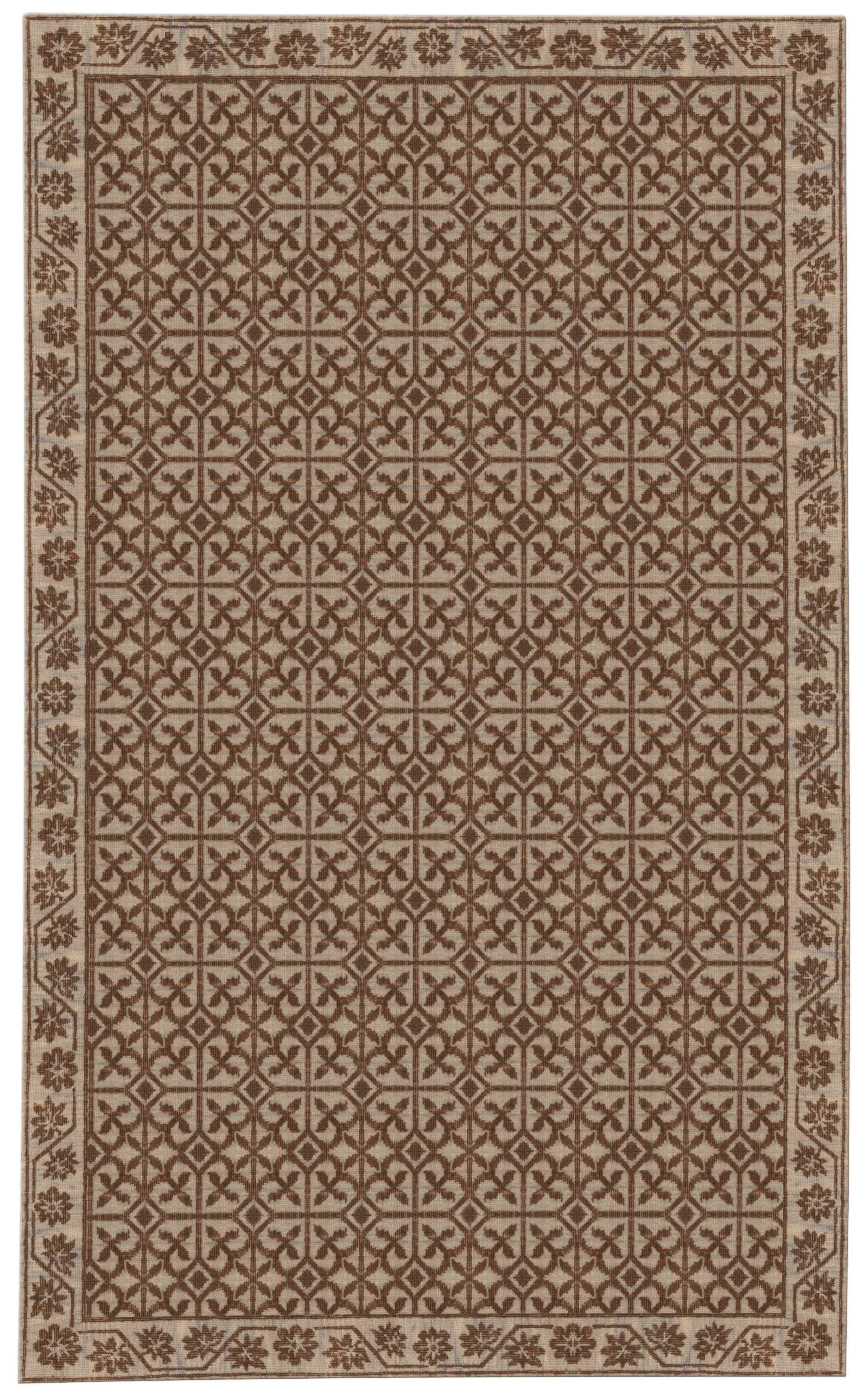
Hand-tufted rugs occupy a very practical middle ground in the custom rugs conversation: they offer flexibility in size, color, and texture without the longer production cycle of hand-knotting. For designers and homeowners working through a room plan, that can be the difference between waiting for the ideal solution and getting a tailored floor covering in time to complete the scheme. They are especially useful when the brief calls for softness underfoot, a controlled palette, and enough design latitude to respond to furniture placement or unusual architecture.
To understand where hand-tufted rugs fit, it helps to separate construction from appearance. A tufted rug is typically made by pushing yarn through a backing with a tufting tool, then locking the structure at the back and applying finishing layers that stabilize the piece. By contrast, a hand-knotted rug is built knot by knot on a loom, which creates a denser and more labor-intensive textile, while weaving interlaces warp and weft threads into a flatter structure. Each method has its place, but tufting is often selected when the project needs a faster path to a custom result and the design calls for a particular rug texture rather than the long-term density of knotting.
The distinction matters because it changes how the rug behaves in a room. Hand-tufted construction can support thick plush surfaces, sculpted cut-and-loop effects, and clean graphic edges, but it will not replicate the structural depth of a hand-knotted carpet. That is not a flaw; it is a specification choice. In practice, the decision often depends on how much wear the rug will receive, how much tactile interest the room needs, and whether the client is prioritizing a decorative layer, acoustic softness, or a more permanent textile investment.
How hand-tufting differs from knotting and weaving
For trade clients, the most useful way to compare rug construction is by asking what the room needs the rug to do. A hand-knotted rug is typically the first choice when longevity, collectible value, and intricate detail are central to the brief. A woven rug is often selected for flatter profiles, crisp geometry, and ease of placement beneath low-clearance doors or dining chairs. Hand-tufted rugs sit between those poles: they can deliver a bespoke scale, a tailored color story, and a more layered surface than many woven products, while avoiding the lengthy production timeline of knotting.
Construction also influences visual reading at a distance. Tufting can produce broad color fields, softened motifs, and a slightly more immediate graphic impact because the yarn sits in a pile rather than being translated through a knot grid. That makes it useful in rooms where the rug must hold the composition together without becoming visually busy. In a quiet living room, for example, a tufted rug with a restrained border can anchor a sofa group without competing with upholstery or art. In a more expressive scheme, it can carry a pattern with enough surface depth to prevent the floor from feeling flat.
Where hand-tufted rugs perform best
Hand-tufted rugs are especially effective in bedrooms, sitting rooms, family lounges, dressing areas, and secondary living spaces where comfort and design control matter more than extreme traffic resistance. They also work well in hospitality and commercial interiors that value speed of installation, a specific palette, and visual consistency across multiple rooms. When a project calls for a large rug that must define a seating area or soften a hard architectural shell, tufting can offer a practical route to a made-to-order result without overcommitting to a heavier construction.
Bedrooms are a particularly strong use case because the conditions are forgiving and the tactile experience is central. A tufted wool rug under a bed provides a warm landing and can be sized to extend beyond the sides and foot of the frame, which helps the room feel proportioned rather than underscaled. In a primary suite with pale millwork and filtered daylight, a low-contrast wool surface can quiet the room; in a guest room, a slightly more expressive pattern can make the space feel considered without requiring additional furniture. If the room’s architecture is unusual, a custom rug also helps resolve odd clearances and bring order to the layout.
Family rooms deserve a more cautious reading, but tufting can still be a smart choice when the plan is realistic. If pets, children, or frequent rearrangement are part of daily life, the rug should be specified with an honest view of traffic and maintenance rather than aspiration alone. A dense tufted wool construction can tolerate moderate use if it is protected from heavy abrasion, though it will usually be less resilient than a tightly hand-knotted piece. For a designer, the question is not simply “Is it durable?” but “Is it durable enough for this exact room, given how the furniture sits, how the light falls, and how the household actually moves through the space?”
Texture, pile height, and the room’s visual temperature
Rug texture is where hand-tufting becomes especially interesting. Because the yarn is inserted into a backing rather than tied into a knot structure, tufted rugs can be made with varied pile heights, cut and loop surfaces, or carved motifs that create depth under changing light. That is useful in interiors where the material palette is restrained and the floor needs to carry some of the sensory weight. A matte wool surface can feel calm and architectural, while a higher pile can make a room read softer and more intimate. The right choice depends on whether the space needs clarity, warmth, or a more layered tactile field.
Texture also changes how color is perceived. In a room with cool northern light, a plush tufted rug in a warm neutral can keep the palette from feeling severe. Under stronger sun, the same rug may read flatter if the pile is too short and the color too pale, so designers often adjust both tone and structure together. Pattern density matters as well: a heavily textured rug can support a simpler motif, while a smooth cut pile may need more pattern to avoid looking blank from across the room. This is why custom rugs are often specified not just by color sample, but by room orientation, wall finish, upholstery texture, and the visual distance from entry to seating area.
Edge treatment, backing, and rug finishing
Good rug finishing is as important as the pile itself. The edge treatment on a tufted rug helps determine how cleanly it sits in the room and how well it withstands use. Common finishes may include binding, serging, or other tailored edge solutions that support the design language of the piece. The right choice depends on whether the rug should disappear into a quiet interior or stand out as a distinctly crafted object. For a tailored, gallery-like room, a restrained border treatment often works best; for a more casual scheme, a softer edge can feel less formal and more forgiving.
Backing is another consideration that trade professionals should not overlook. A tufted rug relies on its backing and finishing layers for stability, which means the underside is part of the product’s performance. The backing must work with the intended placement, especially if the rug is being designed for large dimensions or for a room where it will sit beneath major furniture groupings. It is also worth thinking through how the rug will be installed, whether pad selection is appropriate, and whether the finished thickness will interfere with door swing or transitions between surfaces. These details rarely appear in mood boards, but they shape whether a design feels resolved once it is actually in the space.
Choosing materials for performance and feel
Material selection shapes both the hand-feel and the maintenance profile of a tufted rug. Wool remains a reliable choice because it offers resilience, natural softness, and a surface that tends to read well in both formal and relaxed interiors. It also supports a broad range of color work, from heathered neutrals to more saturated shades. In some custom rugs, silk or silk-like accents may be introduced to create sheen or emphasize motif, but those fibers are usually better suited to lower-traffic settings where light and texture are meant to be seen more than touched.
Blends can be useful when the design brief calls for balance. A wool ground with selective lustrous detailing can provide visual contrast without making the rug precious in a way that limits use. For a bedroom, that might mean a plush wool field with slightly raised pattern lines; for a formal sitting room, a tighter pile and subtler contrast may be more appropriate. Material choice should be made alongside the maintenance plan, because the best rug is the one that can actually be lived with in the intended room.
When tufting is preferable to knotting
Tufting is often preferable when the project needs a custom dimension quickly, when the budget must be directed toward scale or material rather than labor intensity, or when the rug design depends on a softer, more plush surface. It can also be the right route when the room is likely to change over time and the rug should be adaptable rather than treated as a long-term collector’s object. For a designer working through multiple spaces at once, tufting may be the practical solution that keeps the overall scheme coherent while freeing resources for a statement piece elsewhere.
A realistic example would be a long apartment living room with an off-center fireplace, low furniture, and a desire for a quiet wool ground that visually expands the seating zone. A hand-tufted rug can be specified to fit the seating footprint precisely, with enough border breathing room to prevent the furniture from feeling cramped. If the same project also includes a formal library or entrance hall, those spaces might call for hand-knotted rugs instead, because the circulation, prestige, and wear profile are different. That kind of room-by-room thinking is where custom rugs earn their value: each textile is chosen for the job it has to do, not just for its label.
Tufting is also preferable when the design calls for a very specific texture that would be laborious to achieve in another structure. High-low surfaces, sculpted outlines, and broad tonal shifts can be executed with more ease than in some hand-knotted formats. In interiors where pattern is being used architecturally rather than ornamentally, that matters. A rug can define the seating area, pull together an open-plan layout, and improve acoustics without insisting on attention every time someone walks into the room.
What trade clients should evaluate before specifying
Before choosing hand-tufted construction, designers should look at the room’s use pattern, furniture arrangement, light exposure, and desired lifespan. A rug under a dining table faces different demands than one beside a bed, and a piece near a sunlit wall will age differently from one in a shaded interior. It is also worth checking how the rug’s scale interacts with door openings, baseboards, and the visual anchors in the room. A good specification is not only about aesthetics; it is about whether the rug supports circulation, proportion, and the architecture around it.
For projects that need a broader point of departure, a conversation about custom rugs can help align construction, size, and finish before the design gets too far down the road. That is especially useful when several rooms must coordinate without becoming repetitive. A subtle change in pile height or edge finishing can make one room feel more formal while keeping the overall palette connected. For this reason, experienced designers often treat rug selection as part of the room’s structural planning rather than a final decorative layer.
Maintenance, wear, and realistic expectations
Maintenance for tufted rugs should be straightforward, but it should not be underestimated. Regular vacuuming, prompt attention to spills, and rotation where possible all help preserve the appearance of the pile and the clarity of the design. Because tufted construction relies on backing and finishing, the rug should be handled with care when moved, lifted, or cleaned. A thoughtful maintenance routine is part of the specification, not an afterthought, and it should be discussed alongside rug texture and material selection from the beginning.
It is also wise to consider how the rug will look as it ages. Some surfaces soften gracefully, while others may show traffic patterns more quickly, especially if the pile is very high or the fiber is delicate. In a bedroom or formal sitting area, that gradual change may be acceptable and even desirable; in a family room, it may not be. The best outcome comes from matching the construction to the room’s actual pace of life, which is why hand-tufted rugs are so often a smart choice for interiors that need comfort, precision, and a manageable level of care.
FAQ
Are hand-tufted rugs durable enough for bedrooms?
Yes, bedrooms are one of the best settings for hand-tufted rugs because foot traffic is usually moderate and the emphasis is on comfort, scale, and visual calm. A wool tufted rug can perform well in this context if the pile height and finish are chosen responsibly. For master suites and guest rooms alike, the key is to specify a construction that suits the room’s actual use rather than assuming every rug needs the same level of abrasion resistance.
How does hand-tufting affect texture?
Hand-tufting allows for a wide range of rug texture, from dense plush pile to carved, cut-and-loop surfaces with more visible dimensionality. Because the yarn is inserted into a backing rather than knotted individually, the finish can feel softer and more immediate underfoot. That makes tufting useful when a room needs tactile richness, clear color fields, or a surface that reads as tailored without being overly rigid.
When is tufting preferable to knotting?
Tufting is preferable when the project needs flexibility in size and design, a softer pile, or a faster production path than hand-knotted construction typically allows. It is also a strong choice when the rug is being specified for a room with moderate traffic, or when the budget is better directed toward scale, custom dimensions, and material quality. If the priority is long-term density, fine detailing, or collectible craftsmanship, knotting may be the more appropriate route.
Can hand-tufted rugs work in open-plan interiors?
Yes, provided the rug is sized to support zoning and the edges are finished with enough clarity to read as a deliberate boundary. In open-plan interiors, a tufted rug can help define a seating group, a conversation area, or a reading corner without adding visual weight. Good proportion matters here: the rug should be large enough to connect the furniture, not so small that it floats without purpose.
For projects where the floor covering has to solve a design problem as much as a decorative one, hand-tufted rugs deserve serious consideration. Doris Leslie Blau approaches them with the same attention to proportion, texture, and finish that governs all refined rug selection. If you need guidance on construction, scale, or material direction, a specialist conversation can help narrow the field to the right custom solution for the room.