

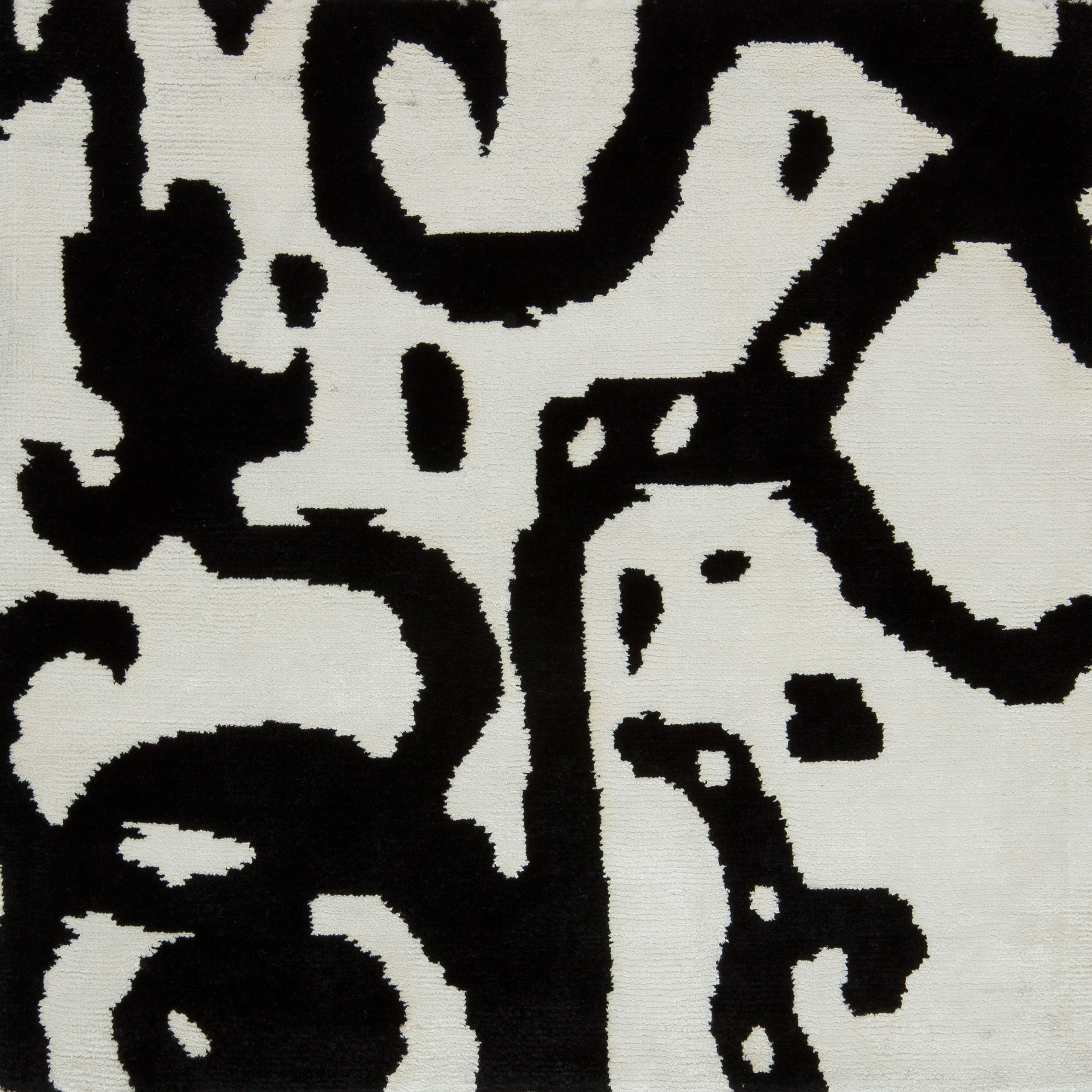
When architects specify custom rugs, the best outcomes usually come from a disciplined brief rather than a loose conversation about color and style. A good rug brief does more than name a preferred palette; it documents scale, thresholds, furniture placement, pile height, and the conditions the rug must solve inside the room. For custom rugs for architects, that level of clarity reduces revisions and helps the final piece support the plan instead of competing with it.
In practice, the rug becomes part of the architecture of the room. It can define a seating zone, soften a long circulation path, frame a dining table, or bridge materials that otherwise feel abrupt together. The challenge is that rugs are often commissioned late, after joinery, lighting, and furniture layouts are already fixed, which means the brief has to anticipate the details that affect fit and finish. A structured approach also helps client, designer, and manufacturer stay aligned when the room has unusual proportions or a difficult transition at a doorway, hearth, or built-in element.
What follows is a working briefing template for projects that need precision. It is designed to function like a rug specification checklist, with enough detail to guide a design review without turning the process into paperwork for its own sake. The goal is not to overcomplicate the commission, but to make sure the rug supports the room’s intended use, visual rhythm, and material palette from the start.
Collect plan drawings, elevations, and threshold information
The most efficient rug briefs begin with drawings, not adjectives. Floor plans at the correct scale allow the rug maker to assess clearance around furniture, while elevations reveal how the rug will relate to nearby millwork, built-ins, fireplace surrounds, or paneling. If the room includes changes in level, open door swings, vents, grilles, or a transition from stone to wood, those details should be noted clearly because they can affect edge placement and durability. A rug that looks ideal in isolation may fail once it meets an oblique threshold or a tight circulation path.
Architects should send dimensions that reflect the actual finished room, not only the structural shell. That means accounting for baseboards, radiator covers, flush thresholds, and any permanent furniture that will remain in place. In a dining room, for example, the rug must extend far enough for chairs to slide back without leaving the floor plane, while in a gallery-like corridor, the width may need to be adjusted to preserve clean margins on both sides. These are not small decisions; they determine whether the rug reads as integral to the architecture or as an afterthought.
It also helps to identify the site conditions that shape construction. Strong sun exposure can call for fibers and dyes that are more forgiving over time, while a high-traffic family room may require a denser weave and a finish that can tolerate regular use. If the project includes pets, children, or hospitality-level circulation, the brief should say so plainly. A manufacturer can specify appropriately only when the environmental realities are stated clearly.
Define the rug’s role in zoning or circulation
Before pattern or fiber is discussed, the brief should state what the rug is supposed to do in the room. That purpose may be to anchor a seating group, establish a quiet border around a bed, guide movement through an open-plan plan, or connect a series of visually separate elements into one composition. This is where the question of how rugs support furniture plans becomes central, because the rug is often the device that makes a furniture arrangement feel intentional rather than floating. When the role is clear, decisions about proportion and surface treatment become much easier to justify.
In open-plan interiors, rugs often act as zoning tools. A large living area may need one rug to define the conversation zone and another, visually quieter one to distinguish a reading corner or adjacent dining area. The brief should state whether the rug is meant to create contrast or continuity, because those are very different design aims. For continuity, the rug may echo a dominant material or tone already present in the room; for contrast, it can introduce a shift in texture or pattern density that helps the eye separate functions without adding partitions.
One useful way to write this part of the brief is to describe the desired visual tempo. A room with substantial stone, deep millwork, or sculptural furniture may benefit from a rug with restrained movement and a soft field, while a simpler room may welcome more active pattern or a stronger border. If the room already has multiple focal points, the rug should usually quiet the composition rather than intensify it. The specification should say this directly so that color sampling and motif proposals are evaluated against the room’s actual hierarchy.
Specify construction, edge treatment, and durability needs
Material and construction choices should follow use, not the other way around. A hand-knotted wool rug may be ideal for one project because it balances resilience, hand, and visual depth, while a wool-and-silk combination may suit a more formal room where sheen and fine pattern detail matter. The brief should note whether the room needs a low pile for ease of chair movement, a more tactile surface for a quieter seating area, or a construction that can support a broad color field without visual distortion. The right material is the one that serves both the room and the expected pattern of use.
Edge treatment deserves the same level of attention as fiber. A border that appears elegant in a sketch may be vulnerable if the rug sits beneath dining chairs, near a corridor turn, or adjacent to heavy built-ins. The brief should confirm whether the client prefers a bound edge, a finished border woven into the design, or another treatment appropriate to the construction. It should also indicate whether the rug will sit under a sofa front, fully under all major furniture legs, or float with visible floor on every side, because edge visibility changes the visual weight of the piece.
Durability questions should be specific. Instead of saying only that the rug must be “practical,” the brief should explain what practical means in context: frequent vacuuming, occasional spill risk, limited sunlight exposure, or movement caused by rolling chairs. A refined wool rug for a private study has different requirements from a bespoke carpet solution in a hospitality lounge. When those expectations are stated early, the final piece can be designed with the right weave density, fiber blend, and finish from the outset.
Sample specification points to confirm
- Room function and expected traffic level
- Exact finished dimensions, including margins and thresholds
- Furniture footprint and leg placement
- Preferred pile height and tactile character
- Material priorities such as wool, silk, or blended construction
- Edge treatment and border preference
- Sun exposure, pets, and maintenance considerations
- Any need to coordinate with stone, wood, upholstery, or drapery tones
Prepare a review sheet for client and consultant approvals
Once the essential dimensions and construction decisions are in place, the review stage should be organized around readable evidence rather than long email threads. A review sheet can include plan excerpts, annotated furniture layouts, material references, strike-off images, and notes about any constraints that arose during design coordination. This is particularly helpful on projects where the rug must align with lighting, millwork, acoustic goals, or preservation requirements. The clearer the documentation, the less likely the project is to drift after approval.
The review sheet should also separate aesthetic decisions from technical confirmations. For example, the client may approve a tonal direction, but the consultant still needs to sign off on edge width, pattern scale, and the relationship between the rug’s outer border and nearby furnishings. In practice, these are the details that determine whether the rug feels calibrated to the room or merely placed inside it. A disciplined review process reduces the risk of a final piece being rejected for a problem that could have been resolved on paper.
For larger or more complex interiors, it is wise to annotate where the rug stops and why. A long room with multiple seating events may need its rug boundaries to align with axes created by lighting or architectural reveals, not just with furniture legs. When several consultants are involved, the review sheet becomes a shared reference point that protects the design intent. This is especially valuable in custom rug commissions, where small shifts in proportion can alter the entire reading of the room.
If the project requires a closer study of texture, weave, or material behavior, the team can consult custom carpets as part of a broader made-to-order process that balances specification with design intent. That kind of resource is useful when the brief calls for a rug that must perform as carefully as any other custom-built interior element. It also helps when the desired effect depends on subtle differences in hand, sheen, or pattern depth that are difficult to judge from a single sample alone.
A practical briefing template architects can adapt
To keep the process efficient, the brief can be organized into a few clear headings: project context, room function, plan dimensions, furniture layout, threshold notes, material direction, durability requirements, and review approvals. Under each heading, the architect can record only what will materially affect the rug’s design and performance. This keeps the document focused and makes it easier for a manufacturer to respond with meaningful recommendations rather than generic options. A strong brief should read like an instruction set for a room, not like a mood board with measurements attached.
For a simple living room, the brief might note that the rug must sit beneath the front legs of all major seating, keep a consistent margin from the fireplace, and remain visually calm because the room already includes patterned drapery. For a more layered project, such as a library with built-ins and a central table, the rug might need a tighter border, a denser weave, and a slightly subdued palette to prevent the floor from competing with the millwork. These examples show how custom rugs solve different design problems without relying on oversized gestures. The right commission is specific to the room, the furniture plan, and the way the space is expected to be used.
When the brief is complete, it becomes a design tool in its own right. It supports conversations with the client, clarifies the relationship between rug and architecture, and helps everyone involved evaluate sample options against the actual room rather than a vague idea of luxury. That is the advantage of a well-prepared specification: it turns a decorative decision into an integrated part of the interior design process. For architects who want that level of precision, Doris Leslie Blau can provide specialist guidance shaped by material expertise, craftsmanship, and scale awareness.
FAQ
What drawings should architects send with a rug brief?
At minimum, send a scaled floor plan, relevant elevations, and any detail drawings that show thresholds, built-ins, radiators, fireplaces, or other fixed elements. If the room has unusual geometry, include a dimensioned sketch that clarifies angles or offsets. The goal is to show not only the room’s size, but also the conditions that affect how the rug will sit, read, and wear.
How do rugs interact with joinery and built-ins?
Rugs should be specified in relation to built-ins, not after them. Their edges, margins, and pattern placement often need to respect the visual weight of paneling, casework, or hearth surrounds so the floor plane feels coordinated. In some rooms, the rug should mirror the symmetry of the joinery; in others, it should soften rigid architecture with a quieter field or more organic texture.
What should be confirmed before production begins?
Before production begins, confirm the final dimensions, layout orientation, material choice, border and edge treatment, pile height, and any site-specific concerns such as traffic, sunlight, or maintenance. It is also wise to verify furniture placement one last time, because even small changes can alter the needed margins. Once those points are approved, the rug can move forward with much less risk of costly adjustment.
How early should a rug be specified in the design process?
Ideally, the rug should be considered while the furniture plan is still developing, not after all other finishes are fixed. Early specification allows the architect and interior designer to coordinate scale, circulation, and visual hierarchy before competing elements are finalized. That timing usually produces a cleaner result and makes the rug feel embedded in the architecture rather than added at the end.
For projects that require a measured, gallery-informed approach to custom rugs, Doris Leslie Blau can help translate drawings into a specification that respects proportion, material performance, and the character of the room. A thoughtful consultation is often the easiest way to move from a plan set to a rug that fits the architecture with confidence.