

The most useful 2026 rug trends are not about novelty for its own sake. They are about how a floor covering can solve real interior problems: clarifying layout, softening acoustics, warming a room with difficult light, and giving a space a stronger point of view. For homeowners and designers considering custom rugs, the best trends are the ones that improve proportion, texture, and daily use without trapping a room in a short-lived look.
That practical lens matters because rugs do more than sit under furniture. They organize a seating plan, define circulation, and alter the visual weight of a room, especially in open-plan homes where walls no longer do the zoning for you. In 2026, the strongest rug direction is less about “what is new” and more about what is legible from across the room and comfortable up close. A floor can be a focal point, but it has to earn that role through scale, material, and restraint as much as through pattern.
Identify the shifts with practical value for interiors
The biggest shift is a move away from rugs that depend on loud contrast to get noticed. Designers are choosing pieces that shape a room through structure rather than interruption: broader borders, softened repeats, deeper fields, and compositions that support furniture instead of competing with it. This is especially useful in living rooms where the sofa, coffee table, and lounge chairs already create a visual cluster and the rug needs to clarify, not clutter, that arrangement.
Another practical change is the return of rugs as architectural tools. A well-considered custom rug can make a long room feel more intentional, separate a dining area from a conversation zone, or pull a bed into balance when the headboard wall is visually busy. In these cases, trend is secondary to function: the best-looking rug is often the one that quietly corrects the room’s proportions. That is why designers are paying close attention to edge treatment, border width, and the relationship between rug size and furniture footprint.
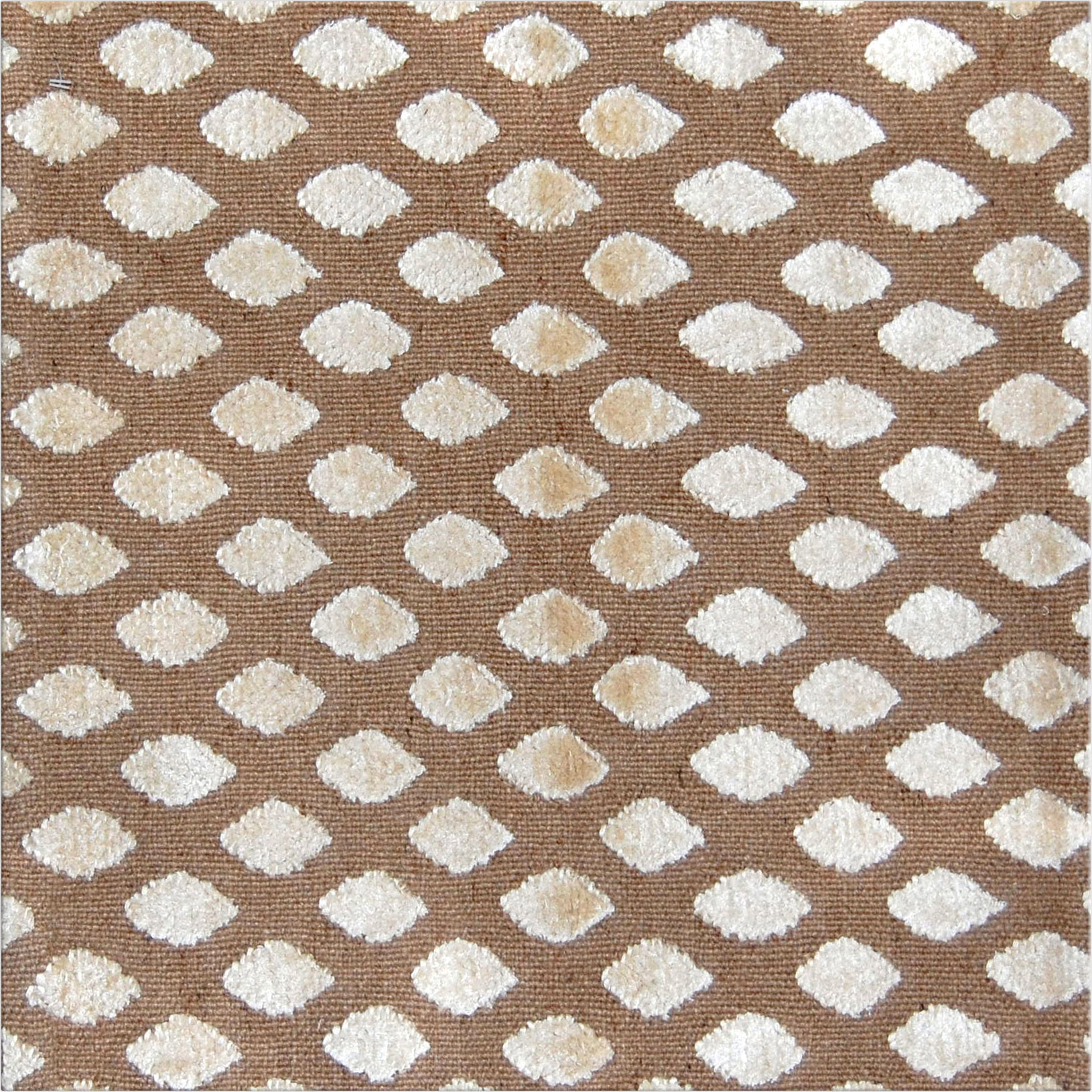
There is also a noticeable preference for pieces that feel collected rather than prescribed. Instead of a single dominant motif, many interiors are using rugs with layered reference points: a softened geometric, an antique-inspired medallion reduced to essentials, or a field that reads like a wash of color until you are near enough to see variation in knotting or pile. This approach supports tactile interiors without overwhelming the rest of the scheme, which is particularly valuable in rooms already full of stone, wood, metal, or sculptural upholstery.
Explain the rise of texture and softer tonal contrast
Texture is one of the most meaningful 2026 rug trends because it works on both the eye and the body. A dense hand-knotted wool rug, for example, gives a room a different acoustic character than a flatter weave, and a silk highlight changes how light moves across the floor through the day. In practice, this means designers are selecting rugs not only for pattern but for touch, pile direction, and surface variation, especially where a room needs softness without visual heaviness.
Softer tonal contrast is rising for the same reason. Interiors are moving toward combinations that feel deliberate but not abrupt: sand with stone, taupe with tobacco, moss with olive, ink softened by charcoal. These palettes do not disappear; they hold a room together while allowing furniture, art, and lighting to do more of the expressive work. In homes with strong daylight, muted contrast is especially effective because it avoids the harshness that can make a rug look overdesigned at noon and flat in the evening.
That said, texture should not be confused with indiscriminate softness. A rug with too many competing pile levels or an overly fuzzy finish can make a polished room feel vague, particularly when paired with tailored seating and clean-lined casegoods. The better approach is controlled variation: a high-low surface, a subtle abrash effect, or a woven field that reveals its complexity gradually. These details reward close inspection while keeping the room readable from the doorway, which is often where first impressions are formed.
For buyers who want rugs that feel grounded and enduring, material choice is central. Wool remains the most versatile foundation because it balances resilience with comfort, while silk or silk-blend accents can sharpen a pattern without overwhelming the room. In bedrooms and quieter living spaces, this combination can support a more tactile experience underfoot, but it still needs to be scaled to the use of the room. For high-traffic areas, a beautiful texture only matters if the construction can handle daily movement, chair legs, and routine maintenance.
Discuss irregular shapes and grounded color stories
Irregular shapes are no longer a novelty reserved for experimental interiors. They are becoming a useful design tool because so many rooms are irregular themselves. A curved sofa, a bay window, an angled fireplace, or a furniture grouping that refuses to fit a conventional rectangle can all benefit from a rug with softened geometry or a custom outline that better matches the architecture. In these situations, shape is not a gimmick; it is a way to reduce dead space and make the plan feel coherent.
Still, unusual shapes require discipline. A rug that is too sculptural for the room can split attention and make placement feel accidental. The best version of this trend uses asymmetry with a clear logic: a rounded end that echoes a dining table, an oblong field that supports a conversation pit, or a subtly pinched silhouette that follows circulation rather than blocking it. When executed well, the rug becomes a quiet organizer of the room, not a competing object.
Color stories in 2026 are similarly grounded. Rather than high-chroma statements, many interiors are leaning into colors that have depth and environmental logic: clay, peat, rusted copper, faded blue, warm gray, and green that reads almost mineral. These tones are especially effective in rooms where the floor needs to support artwork or upholstery in richer hues without producing visual noise. They also age better because they do not lock a space into a highly specific seasonal palette.
For example, imagine a large apartment living room with pale plaster walls, dark walnut shelving, and a linen sectional facing a low fireplace. A saturated abstract rug might dominate the room and make the furniture feel lightweight by comparison. A custom-made rug in a grounded olive-brown with a softened perimeter and a low, dense pile would do more useful work: it would anchor the seating, bridge warm and cool materials, and preserve the calm, layered mood of the interior. The room still has personality, but it does not depend on urgency.
How designers are using the floor as focal point without overcomplicating the room
The phrase floor as focal point sounds dramatic, but in practice it often means giving the rug one distinct role and letting everything else settle around it. In a restrained living room, that might mean a rug with a beautifully nuanced border, a rare weave effect, or a large-scale pattern that reads almost as architecture from a distance. In a more expressive room, it could mean a bolder motif, but one that still respects the size of the furniture and the sightlines from adjacent spaces.
What makes a rug focal rather than chaotic is usually proportion. If the rug is too small, even a beautiful design looks tentative. If the pattern is too dense, the furniture loses definition and the room becomes visually compressed. Designers solving this problem often start with the edges: they allow enough breathing room around the seating arrangement, keep key furniture legs anchored consistently, and consider how the rug will appear from hallways, adjacent rooms, and entry points. This is where custom rugs excel, because size and composition can be adjusted to the room instead of forcing the room to adapt to a stock dimension.
Hospitality and commercial interiors offer a useful lesson here. Lobbies, libraries, and private clubs often rely on one strong floor treatment to establish identity while still accommodating movement and durability. The best residential applications borrow that clarity without the scale becoming theatrical. A rug can absolutely be a focal point, but it should do so by supporting circulation, defining zones, and strengthening the relationship between architecture and furnishing.
Show how to filter trends through long-term use
The easiest way to evaluate a trend is to ask whether it improves the room after the novelty fades. Start with how the rug will be used: Is it under a dining table, where chair movement matters? In a primary bedroom, where softness and quiet are more important than abrasion resistance? In a family room, where pets and foot traffic will test the surface every day? Once use is clear, the trend can be filtered through material, construction, and pile height instead of treated as a purely visual decision.
Durability is not the enemy of beauty; it is what allows beauty to remain visible. Low- to medium-pile rugs are often better for seating areas because they keep furniture stable and show pattern more clearly. Higher pile can be useful in bedrooms or low-traffic corners, but it needs to be balanced against maintenance and the room’s lighting, since deep pile absorbs light differently and can flatten intricate color changes. The right choice depends less on fashion than on how the room is lived in.
Long-term value also comes from making trends work with the house, not against it. In a historic interior, an antique-meets-modern composition can feel authentic if the palette is disciplined and the scale is respectful. In a newer build with strong lines and minimal trim, a rug with subtle surface movement may do more to warm the room than a heavily ornate pattern. If the goal is a floor treatment that remains relevant, the smartest path is often to prioritize craftsmanship, material honesty, and proportion over a trend that looks interesting only from a photograph.
This is where the made-to-order process becomes useful. If a room has a difficult layout, distinctive millwork, or a color scheme that needs a very specific temperature, a tailored approach lets you control the variables that matter most. For clients who want guidance on scale, weave, and palette, Doris Leslie Blau’s custom rugs offering can help translate a trend into a piece that fits the room’s architecture and daily use, rather than simply following a passing visual cue.
Practical ways to use 2026 rug trends without dating the room
- Choose trend details that affect function, such as border treatment, pile height, and rug size, before considering novelty motifs.
- Favor tonal variation over hard contrast when the room already contains strong furniture lines or artwork.
- Use irregular shapes where they solve a layout problem, not where they only create visual surprise.
- Keep the rug aligned with the room’s traffic patterns so it supports circulation instead of interrupting it.
- Match texture to use: denser weaves for active rooms, softer surfaces for quieter settings.
What to look for when specifying a rug in 2026
If you are specifying a rug now, begin with the room’s most stubborn problem. Is the seating area floating? Does the dining space feel cold? Is the bedroom too echoey? Those are the kinds of questions that lead to useful design decisions. A rug should improve the room’s behavior first, then its appearance, because a beautiful but impractical piece will disappoint quickly once the furniture is moved back in and daily life resumes.
It also helps to think in layers. Color sets the temperature, texture sets the mood, and form controls the room’s geometry. When those three elements support one another, a rug feels inevitable rather than trendy. That is the real test for 2026: whether a rug can be current without becoming dependent on a single visual moment. The strongest pieces will be the ones that look considered under daylight, candlelight, and ordinary daily use alike.
FAQ
Which rug trends are most practical to adopt?
The most practical trends are the ones that improve function as well as appearance: softer tonal contrast, richer texture, and shapes that better fit the room layout. These choices help with zoning, acoustics, and scale, which makes them easier to live with than purely decorative statements.
How do I avoid a trendy rug that dates quickly?
Focus on craftsmanship, proportion, and a restrained palette. If the rug still works when the furniture changes, the trend is probably anchored in something durable. Avoid designs that depend entirely on a single high-contrast motif or a color that feels tied to one fleeting season.
Are unusual shapes a passing fad or a real design tool?
They are a real design tool when they solve an actual room problem, such as an awkward plan, a curved furnishing arrangement, or a circulation issue. If a shape is only unusual for its own sake, it will date faster and may make placement more difficult than a well-judged rectangle.
What matters more in a trend-forward rug: color or texture?
Texture often matters more because it affects how the rug reads in changing light and how comfortable the room feels underfoot. Color is still important, but a nuanced weave or pile can keep a rug interesting long after a trend-driven hue loses momentum.
For anyone weighing 2026 rug trends against real design needs, the safest and most satisfying answer is to treat the floor as part of the architecture. The best rugs do not simply decorate a room; they clarify it. If you want expert help refining scale, material, and pattern into something that works beautifully over time, a specialist consultation can turn a trend into a well-resolved design decision.