

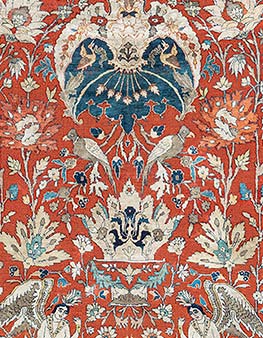
Antique Tabriz Persian Allover Ivory Hand-Knotted Silk Carpet – Circa 1880 BB6781
Size: 4'7" × 6'0" (139 × 182 cm)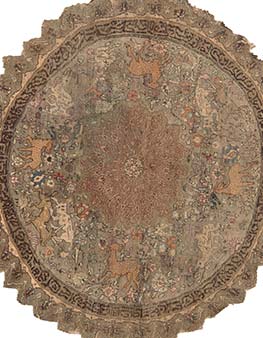
Antique Turkish Allover Cream Beige Silk Rug – Circa 1880 & Metal Thread BB6632
Size: 4'8" × 5'0" (142 × 152 cm)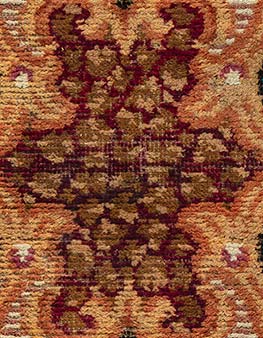
Antique Allover Floral Cream Hand-Knotted Wool Carpet – Circa 1900 (Fragment) BB5495
Size: 2'4" × 5'2" (71 × 157 cm)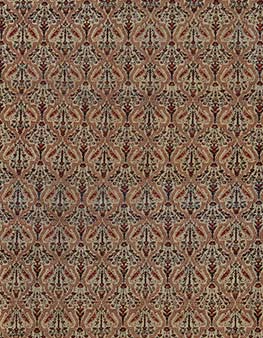
Kirman Persian Antique Allover Warm Tan Hand-Knotted Wool Rug – Circa 1880 BB5422
Size: 4'0" × 6'3" (121 × 190 cm)
Small Rugs FAQ
What qualifies as an antique small rug?
Antique rugs are typically considered 100+ years old. A small antique rug is usually a more compact or intermediate-format carpet suited to entries, bedrooms, libraries, dressing areas, seating corners or layered interiors. Buyers should evaluate not only size, but also origin, weave, materials, condition, palette and pattern scale.
Where can small antique rugs work best?
Small antique rugs are effective in foyers, beside beds, beneath writing desks, in powder rooms, libraries, dressing rooms and smaller sitting areas. They can also be layered over a larger neutral rug or placed where a rare textile will be seen up close without competing with major furniture pieces.
Are small Persian rugs different from European small rugs?
Yes. Antique Persian small rugs often emphasize hand-knotted structure, floral or geometric fields, refined borders and regional weaving character. European examples, such as Aubusson, Savonnerie or Axminster rugs, may feel more architectural, tapestry-like or formal. The right choice depends on room style, color palette and desired level of pattern.
How should I evaluate condition in a small antique rug?
Review the pile, foundation, edges, ends, restoration, color stability and overall surface wear. Some patina is expected and often desirable in antique rugs, but condition should match the intended use. A rug for a quiet bedroom corner can have different practical requirements than one placed in a busy entry.
Can a small antique rug inspire a custom size?
Yes. If an antique small rug has the right palette or design language but not the exact dimensions for a project, a made-to-order rug may be considered as a complementary option. Custom work is useful for specific room plans, while authentic antique rugs remain one-of-a-kind pieces selected for age, origin and character.