





Antique Indian Rugs
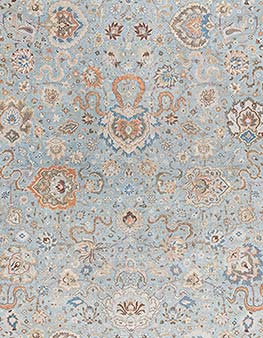
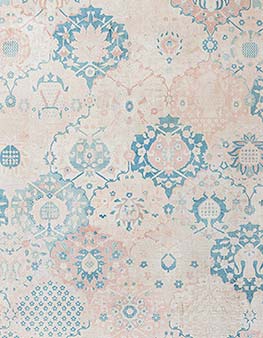
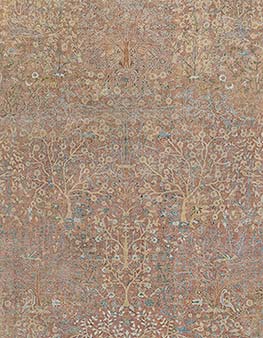
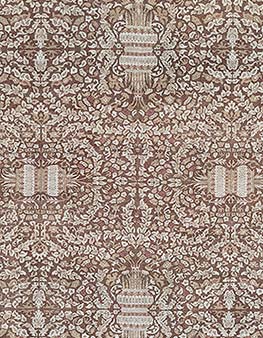
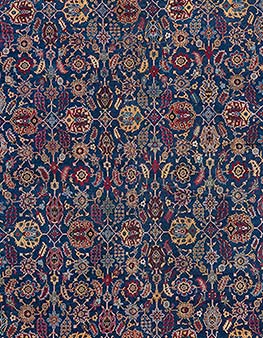
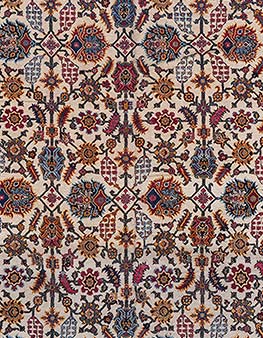
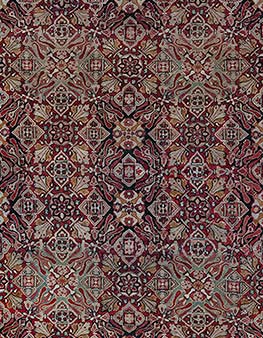
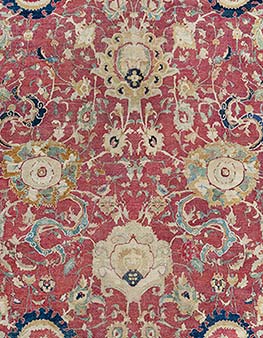
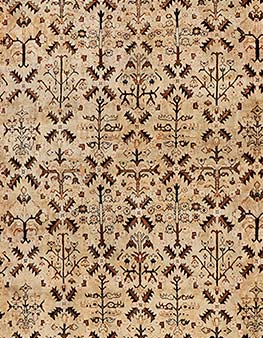
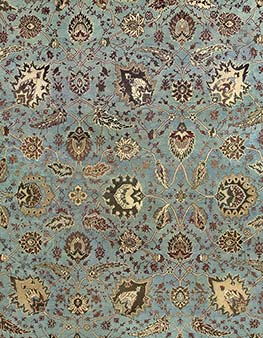
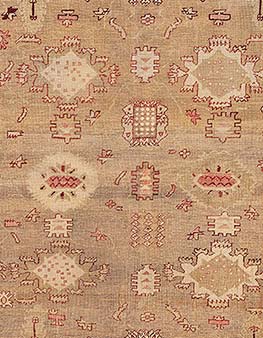
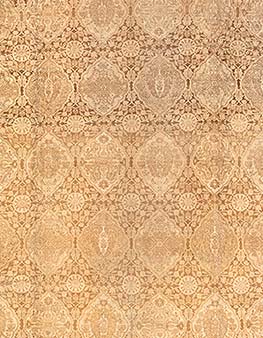
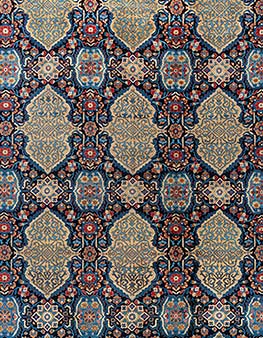
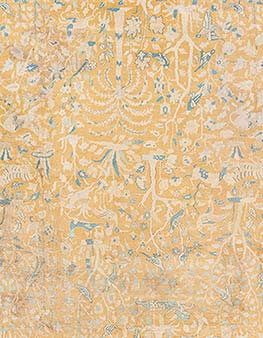
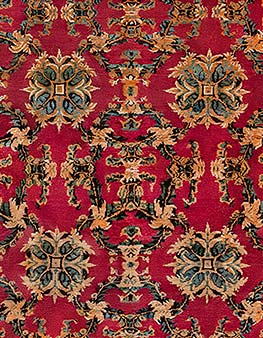
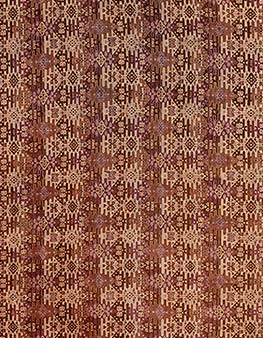
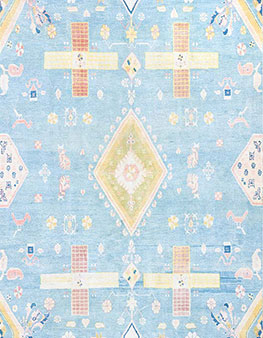
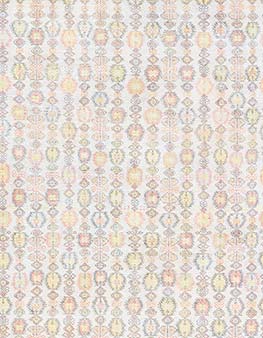
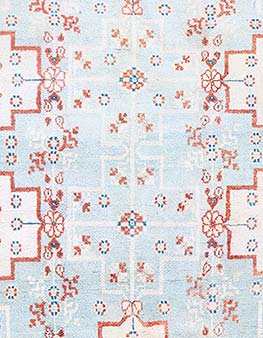
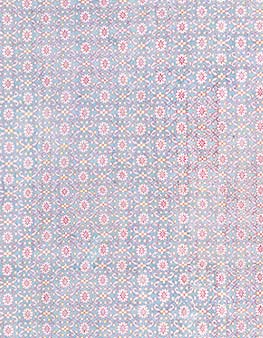
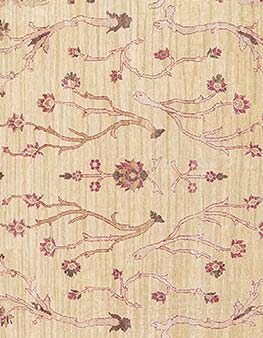
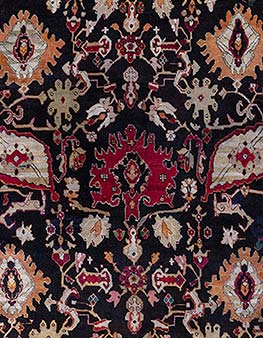
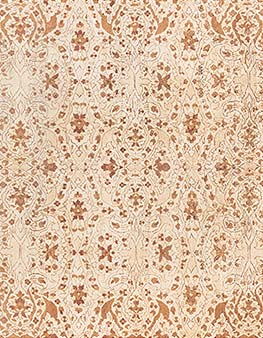
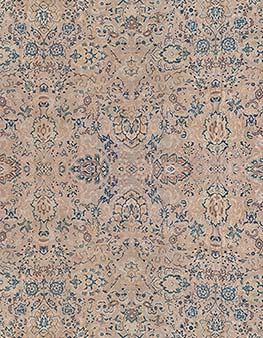
Antique Indian rugs occupy a distinctive place within Oriental carpets: refined enough for formal architecture, yet often softer in palette than many Persian rugs of comparable scale. The Doris Leslie Blau collection focuses on hand-knotted Indian carpets from respected weaving centers such as Agra, Amritsar and North India, with examples ranging from botanical allover compositions and Tree of Life motifs to geometric fields, medallions and grand decorative carpets. Many antique rugs are typically 100+ years old, while select vintage Indian rugs offer similar design value for interiors that need earlier-20th-century character, generous proportions and a less saturated color story.
Agra, Amritsar and North Indian Carpet Traditions
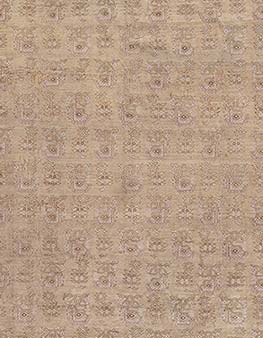
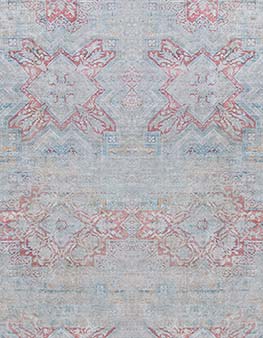
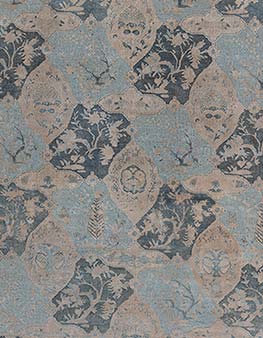
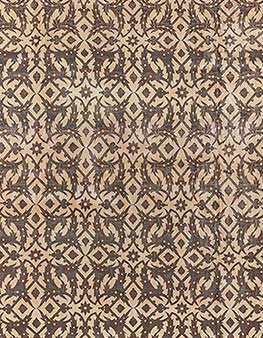
Indian carpet weaving developed through courtly, workshop and regional traditions, often absorbing Persian design vocabulary while producing a visual language of its own. Agra rugs are prized for graceful drawing, spacious botanical patterns and elegant cotton or wool foundations. Amritsar rugs are especially valued by decorators for their large formats, supple wool pile and atmospheric palettes of ivory, beige, tan, camel, peach, blue and soft gray. North Indian rugs can bring a more relaxed decorative presence, often with finely scaled floral or garden-inspired motifs that suit both traditional and modern rooms.
Design Value for Luxury Interiors
The strength of antique Indian carpets lies in their ability to anchor a room without overwhelming it. Their patterns are intricate, but the aged dyes and worn-in surfaces often read as composed rather than busy. For interior designers, this makes them highly useful in living rooms, libraries, dining rooms, bedrooms, galleries and large open-plan spaces where a Persian rug might feel too assertive. Oversized Indian rugs are particularly important because they can unify seating plans and architectural scale while preserving a quiet, collected atmosphere.
- Review the exact dimensions against furniture plans and traffic paths.
- Compare wool, cotton and silk content for texture and sheen.
- Study condition, repairs, patina and whether a rug is size adjusted.
- Choose allover patterns for flexibility under tables and seating groups.
- Use runners or narrower carpets for hallways, entries and transitional spaces.
How to Choose an Indian Rug
When evaluating an Indian area rug, begin with origin and period, then move to weave, material, condition and design compatibility. A finely drawn floral Agra carpet may complement antiques, plaster walls and classical millwork, while a pale Amritsar rug can soften contemporary upholstery, stone, bronze and glass. Hand-knotted rugs in wool tend to bring warmth and resilience; cotton foundations can contribute a lighter handle and crisp pattern definition. Visible pricing on the product listings allows buyers to compare scale, age and rarity before making a serious design decision.
Doris Leslie Blau selects Indian rugs for decorative quality as well as historical interest, which is essential for collectors, architects and luxury homeowners seeking more than a floor covering. Some pieces offer rare oversized dimensions; others are suited to intimate rooms, long corridors or layered interiors. For projects requiring a related look in a precise size, made-to-order and custom rug options may also be considered separately, allowing a designer to echo the spirit of an antique Indian carpet without misrepresenting it as an antique.