

-
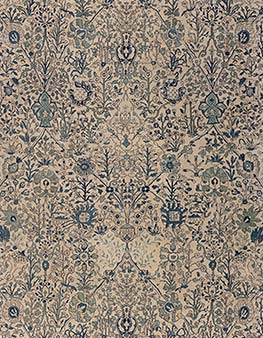
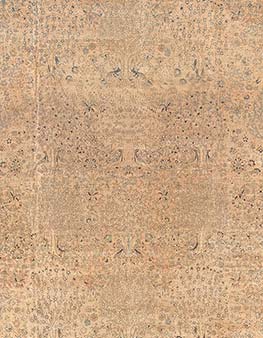
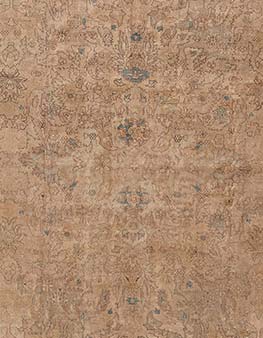
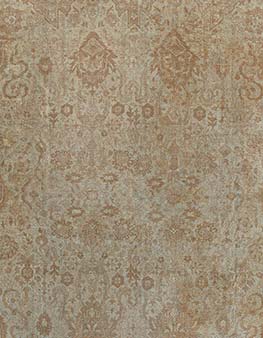
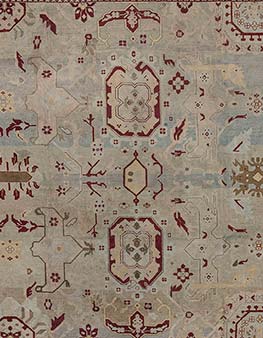
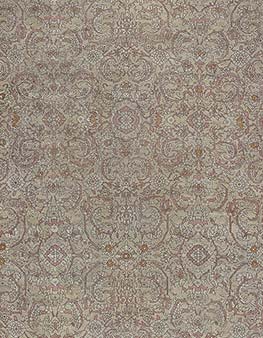
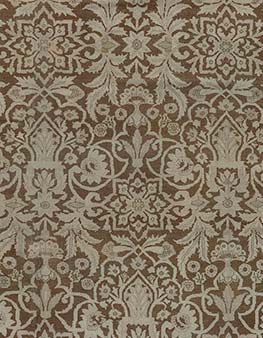
Antique Indian Allover Floral Light Beige Hand-Knotted Wool Carpet – Circa 1920 BB8267
Size: 12'10" × 15'5" (391 × 469 cm) -
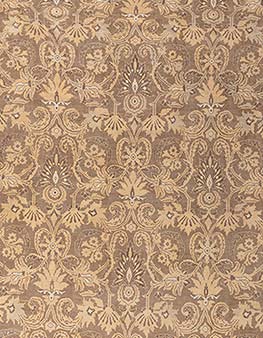
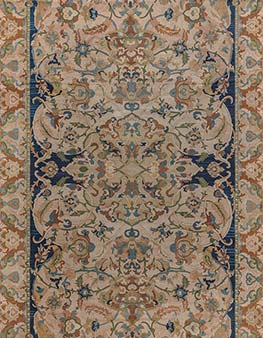
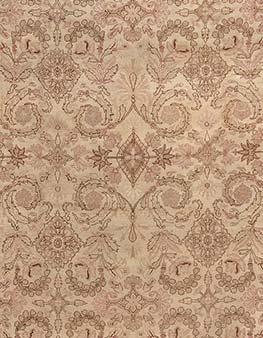
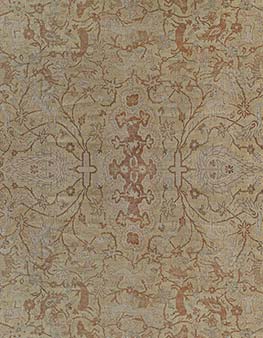
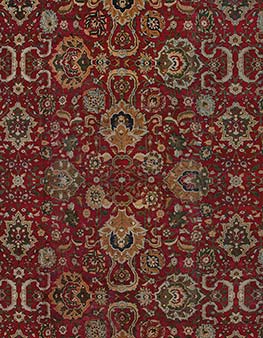
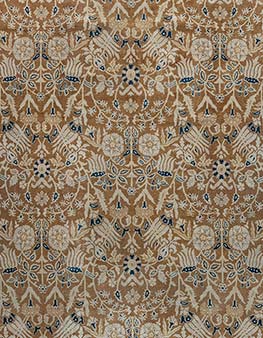
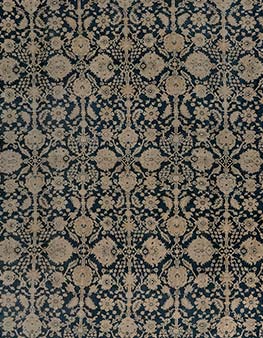
Amritsar Indian Antique Allover Warm Tan Hand-Knotted Wool Rug – Circa 1920 BB8217
Size: 14'0" × 17'3" (426 × 525 cm) -
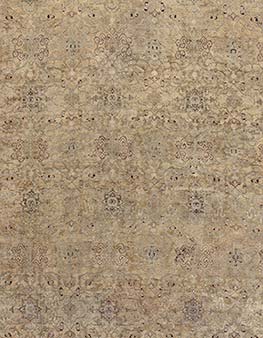
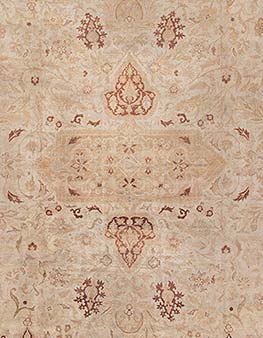
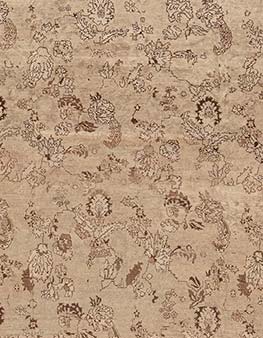
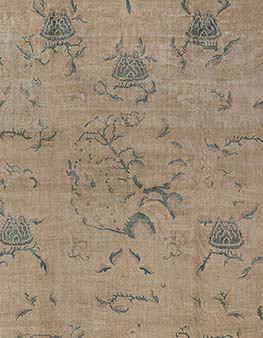
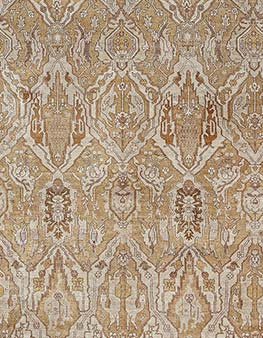
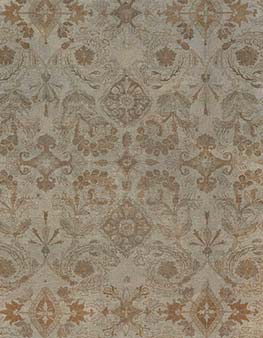
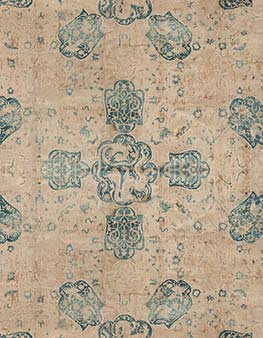
Antique Agra Indian Allover Warm Tan Hand-Knotted Wool Rug – Circa 1900 (Size Adjusted) BB8170
Size: 12'10" × 13'3" (391 × 403 cm) -
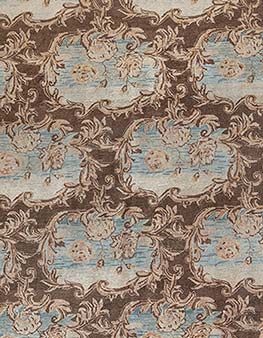
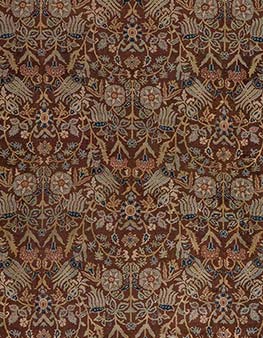
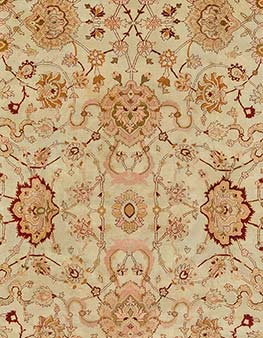
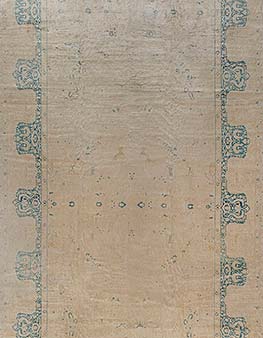
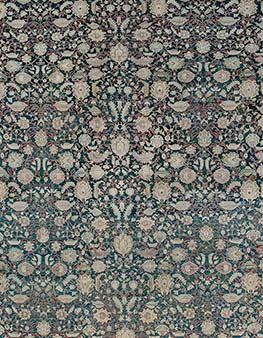
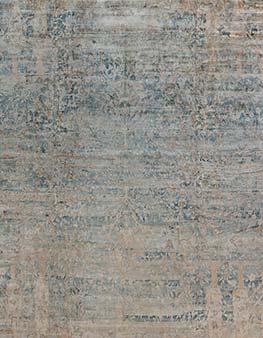
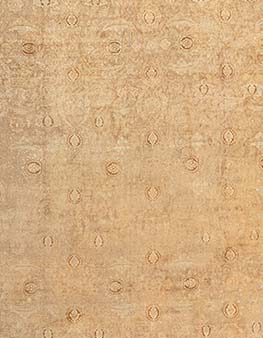
Indian Antique Allover Floral Warm Tan Hand-Knotted Wool Rug – Circa 1920 BB8136
Size: 10'0" × 12'0" (304 × 365 cm) -
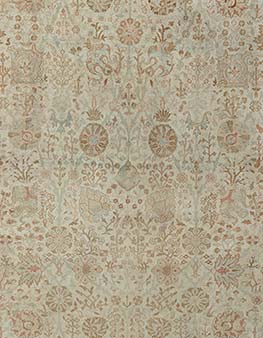
Antique Indian Allover Hand-Knotted Wool Rug In Pale Sand – Circa 1920 BB8027
Size: 11'9" × 21'5" (358 × 652 cm) -
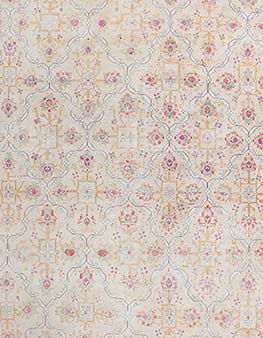
Agra Indian Antique Allover Floral Soft Beige Hand-Knotted Cotton Rug – Circa 1920 BB8018
Size: 12'3" × 18'6" (373 × 563 cm) -
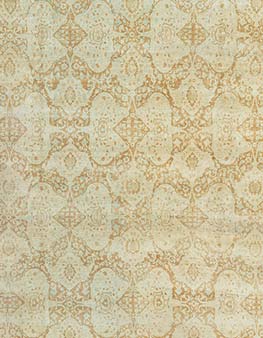
Indian Antique Floral Allover Light Beige Hand-Knotted Wool Rug – Circa 1920 BB7882
Size: 10'10" × 19'0" (330 × 579 cm) -
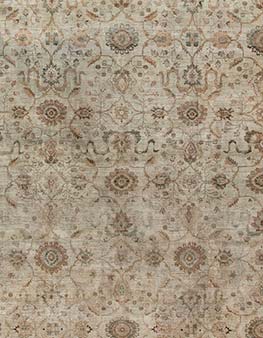
Antique Indian Allover Floral Soft Beige Hand-Knotted Wool Rug – Circa 1920 BB6862
Size: 11'2" × 17'8" (340 × 538 cm) -

Indian Antique Allover Oversized Soft Beige Hand-Knotted Wool Rug – Circa 1920 BB7749
Size: 16'5" × 27'0" (500 × 822 cm) -
Antique Indian Medallion Warm Tan Hand-Knotted Wool Rug – Circa 1880 BB7747
Size: 13'0" × 23'8" (396 × 721 cm) -
Amritsar Indian Antique Floral Allover Light Beige With Warm Tan Hand-Knotted Wool Carpet – Circa 1880 BB7742
Size: 13'8" × 17'8" (416 × 538 cm) -
Indian Antique Floral Allover Soft Beige Hand-Knotted Wool Rug – Circa 1920 BB7730
Size: 11'8" × 14'8" (355 × 447 cm) -
Antique Indian Allover Warm Tan Hand-Knotted Wool Rug – Circa 1920 BB7729
Size: 11'9" × 14'3" (358 × 434 cm) -
Antique Amritsar Indian Allover Floral Soft Beige Hand-Knotted Wool Rug – Circa 1900 (Size Adjusted) BB7728
Size: 11'9" × 16'3" (358 × 495 cm) -
Antique Amritsar Indian Allover Floral Warm Tan Hand-Knotted Wool Carpet – Circa 1900 BB7727
Size: 12'0" × 14'7" (365 × 444 cm) -
Amritsar Indian Antique Allover Soft Beige Hand-Knotted Wool Rug – Circa 1900 (Size Adjusted) BB7237
Size: 11'10" × 17'6" (360 × 533 cm) -
Antique Amritsar Indian Floral Allover Soft Beige Hand-Knotted Wool Rug – Circa 1880 (Size Adjusted) BB7564
Size: 11'6" × 20'0" (350 × 609 cm) -
Antique Amritsar Indian Allover Floral Oversized Warm Tan Hand-Knotted Wool Carpet – Circa 1880 (Size Adjusted) BB7562
Size: 15'10" × 24'5" (482 × 744 cm) -
Indian Antique Allover Warm Tan Hand-Knotted Wool Carpet – Circa 1930 BB7559
Size: 11'6" × 17'10" (350 × 543 cm) -
Indian Antique Allover Soft Beige Hand-Knotted Wool Rug – Circa 1900 BB7467
Size: 10'4" × 19'9" (314 × 601 cm) -
Antique Agra Indian Allover Geometric Light Gray Hand-Knotted Wool Rug – Circa 1900 BB7480
Size: 10'10" × 11'7" (330 × 353 cm) -
Antique Indian Floral Allover Ivory Hand-Knotted Wool Rug – Circa 1880 Agra BB7421
Size: 13'0" × 23'4" (396 × 711 cm) -
Antique Amritsar Indian Allover Geometric Warm Tan Hand-Knotted Wool Rug – Circa 1920 (Size Adjusted) BB7374
Size: 9'8" × 10'2" (294 × 309 cm) -
Antique Agra Indian Allover Floral Teal Hand-Knotted Wool Rug – Circa 1880 BB6700
Size: 14'3" × 17'7" (434 × 535 cm) -
Antique Amritsar Indian Allover Floral Warm Tan Hand-Knotted Wool Rug – Circa 1900 (Size Adjusted) BB7305
Size: 11'7" × 19'7" (353 × 596 cm) -
Indian Antique Floral Allover Ivory Hand-Knotted Wool Carpet – Circa 1920 BB7298
Size: 9'9" × 13'0" (297 × 396 cm) -
Amritsar Indian Antique Allover Floral Classic Taupe Hand-Knotted Wool Carpet – Circa 1900 (Size Adjusted) BB7279
Size: 9'7" × 11'1" (292 × 337 cm) -
Indian Antique Allover Oversized Light Gray Hand-Knotted Wool Rug – Circa 1920 BB7218
Size: 15'7" × 23'2" (474 × 706 cm) -
Antique Amritsar Indian Floral Allover Ivory Beige Hand-Knotted Wool Carpet – Circa 1880 BB7201
Size: 11'5" × 16'10" (347 × 513 cm) -
Antique Agra Indian Allover Floral Warm Tan Hand-Knotted Wool Rug – Circa 1880 BB7173
Size: 13'5" × 15'0" (408 × 457 cm) -
Antique Agra Indian Allover Floral Warm Tan With Teal Hand-Knotted Wool Rug – Circa 1920 BB7136
Size: 13'9" × 23'0" (419 × 701 cm) -
Antique Amritsar Indian Floral Allover Warm Tan With Light Beige Hand-Knotted Wool Rug – Circa 1900 BB7129
Size: 12'5" × 14'5" (378 × 439 cm)
Indian Rugs FAQ
What makes antique Indian rugs desirable for interiors?
Antique Indian rugs are valued for refined drawing, soft aged palettes, hand-knotted construction and decorative versatility. Agra and Amritsar carpets often combine Persian-influenced florals with Indian color sensitivity, making them suitable for formal rooms, modern interiors, large seating areas and collected spaces that need character without visual heaviness.
Are Indian rugs different from Persian rugs?
Yes. Indian rugs often share design influences with Persian rugs, especially floral, garden and medallion patterns, but they developed through Indian weaving centers such as Agra, Amritsar and North India. Many have softer palettes, spacious layouts and decorative proportions that make them especially useful for interior designers working with large rooms.
How old are antique Indian rugs usually?
In the rug market, antique rugs are typically considered 100 years old or older. This category may also include vintage Indian rugs from the early or mid 20th century, so buyers should review each listing for its stated period, origin, materials, condition notes and dimensions before comparing pieces.
Which rooms work best for Indian carpets?
Indian carpets work well in living rooms, dining rooms, libraries, bedrooms, galleries, entries and large open-plan interiors. Oversized Amritsar and Agra rugs are especially useful where furniture needs to sit comfortably on the rug. Runners and smaller Indian rugs can define hallways, bedside areas or layered seating arrangements.
What should designers check before buying an Indian rug?
Designers should check exact size, age, origin, weave, materials, pile condition, repairs, color balance and whether the rug has been size adjusted. Pattern scale matters too: allover florals are practical under dining tables, while medallions need careful placement. Visible pricing helps compare rarity, condition and design value.