

Allover Antique Rugs
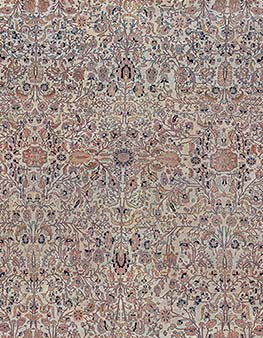
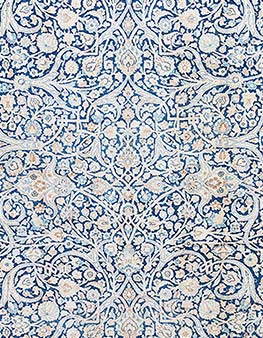
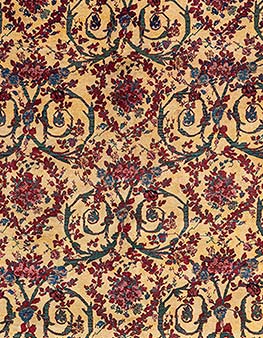
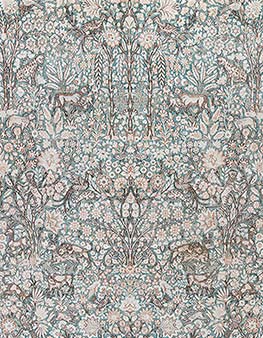
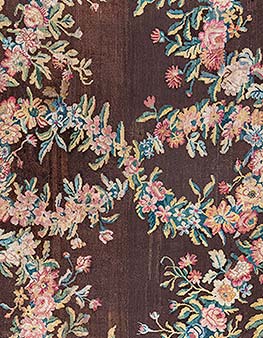
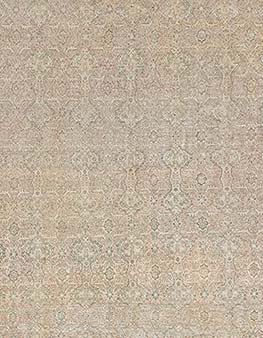
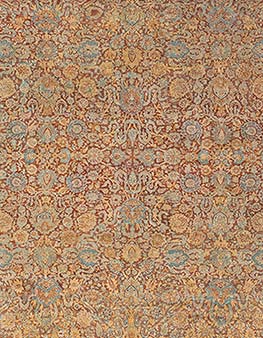
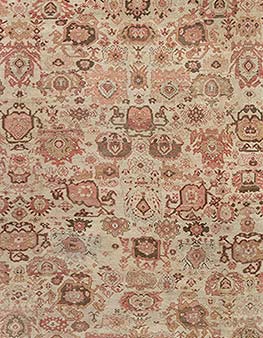
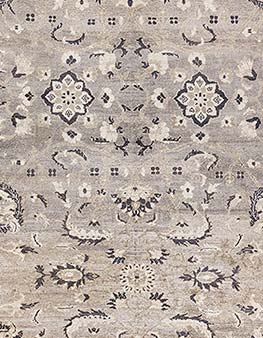
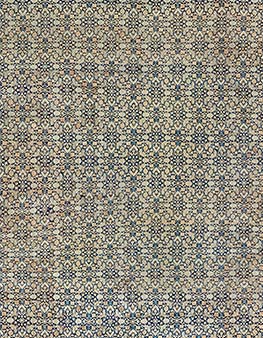
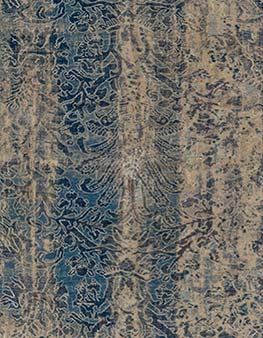
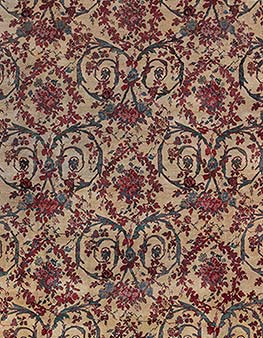
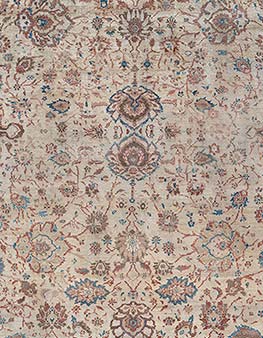
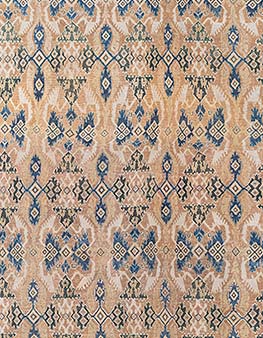
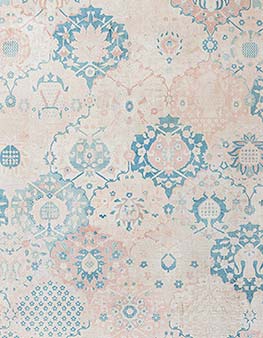
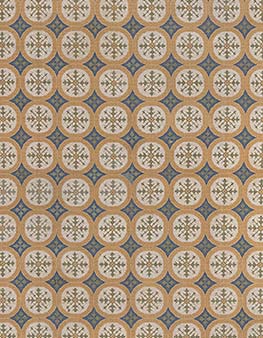
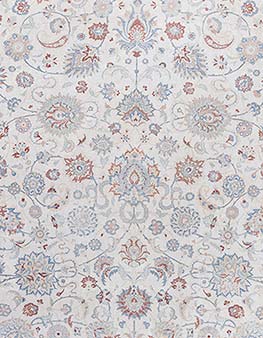
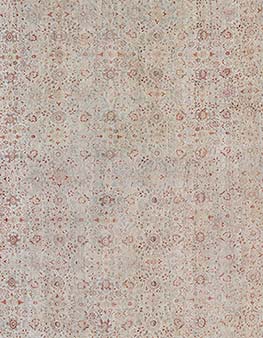
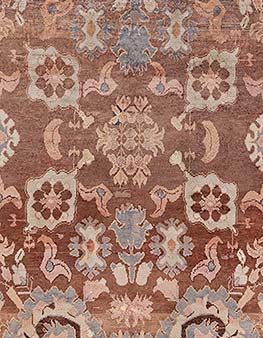
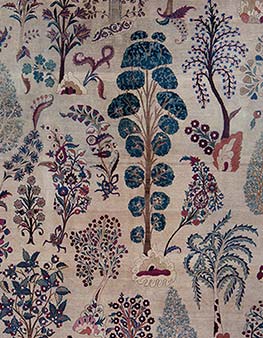
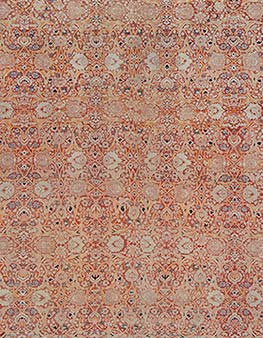
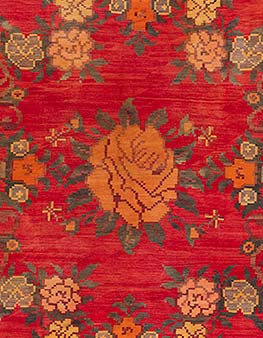
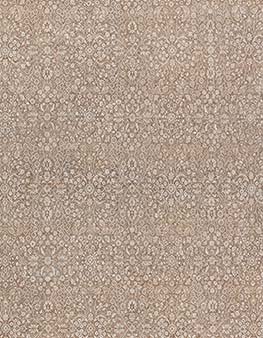
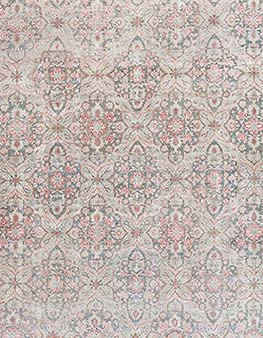
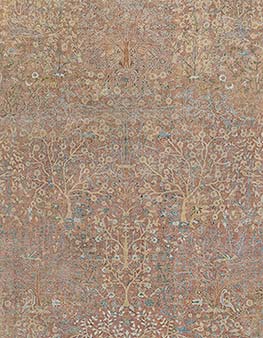
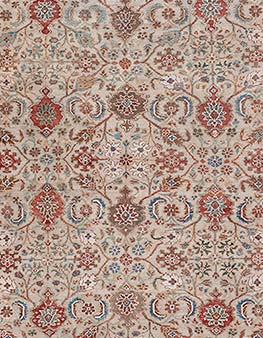
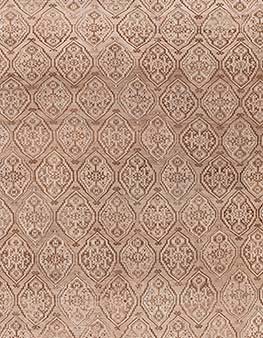
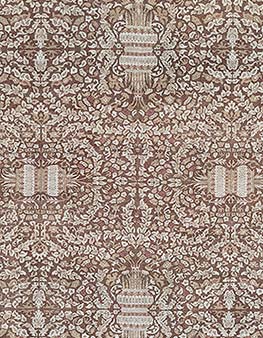
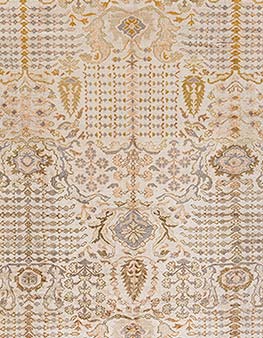
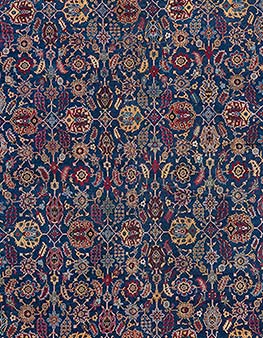
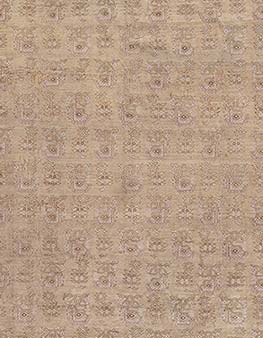
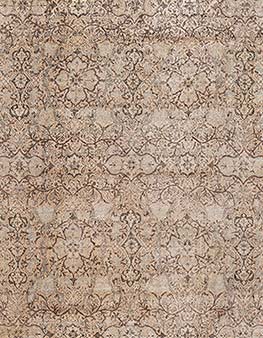
Allover antique rugs are prized for their continuous patterns: floral vines, palmettes, latticework, boteh, arabesques, trellis designs, and repeating geometric motifs that extend across the field without relying on a dominant central medallion. This makes them especially useful in luxury interiors where furniture placement, room symmetry, or architectural sightlines call for a rug that remains visually balanced from every angle. In this collection, buyers will find antique Persian rugs, Oriental carpets, Indian workshop pieces, Turkish Oushaks, Bessarabian flatweaves, Spanish carpets, and European decorative rugs selected for design strength, scale, condition, and interior relevance.
Why Choose an Allover Design?
An allover pattern gives designers greater freedom than a formal medallion layout. Sofas, dining tables, beds, and consoles can sit naturally on the rug without obscuring the composition, while the repeated motif creates rhythm across the room. A pale Kirman or Tabriz can soften a formal salon; a Sultanabad or Oushak with open drawing can bring ease to a contemporary living room; a Bidjar, Meshad, or Indian Amritsar may add depth, structure, and color to a library, gallery, or dining space. The effect is decorative without feeling static.
Because antique rugs are typically understood in the market as pieces around 100 years old or older, buyers often evaluate more than appearance. Age, origin, weave density, wool quality, dye character, foundation, repairs, and patina all influence how a carpet reads in a room and how it should be used. Doris Leslie Blau has sourced rugs from estates, auctions, dealers, and private collections since 1965, and this long view matters when comparing rare rugs, oversized carpets, runners, and room-size antique area rugs for important interiors.
How to Evaluate Allover Antique Carpets
Each rug should be considered as both a work of craftsmanship and a design object. Hand-knotted wool rugs often bring resilience and warmth; silk details can introduce refinement and luminosity; flatweave and needlework pieces may suit lighter-use rooms or decorative layering. Look closely at the palette as well: soft beige, taupe, sand, ivory, faded rose, navy, teal, crimson, and muted gold can completely change how an allover antique carpet interacts with upholstery, stone, wood, plaster, and art.
- Measure the room and furniture plan before choosing size.
- Compare Persian, Turkish, Indian, European, and tribal origins.
- Review material, weave, condition, age, and restoration notes.
- Choose softer palettes for quiet rooms and stronger contrast for definition.
- Use oversized allover rugs to unify open-plan luxury interiors.
For Interior Designers, Collectors, and Luxury Homes
Allover antique rugs are particularly valuable when a room needs refinement without a single visual focal point on the floor. They can support layered interiors, bridge traditional and modern furnishings, and add depth to minimalist architecture. Collectors may focus on rare weaving centers, unusual palettes, early examples, or exceptional condition, while decorators often prioritize scale, color, and how gracefully the pattern sits beneath furniture. Visible pricing and detailed product information help buyers compare options with greater confidence.
For projects where an antique rug sets the design direction, a one-of-a-kind allover carpet can anchor the entire palette of a residence. When a room requires a related look in a different scale, color, or format, Doris Leslie Blau can also support custom made and made-to-order rug discussions where appropriate, while preserving the distinction between newly commissioned work and genuine antique carpets. The result is a more precise way to source decorative rugs for formal rooms, relaxed living spaces, collectors’ interiors, and high-end design projects.