





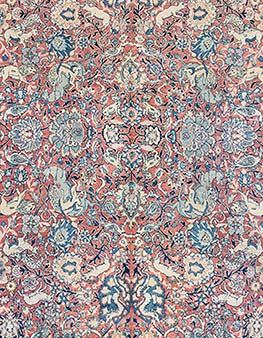
Antique Tabriz Rugs and Persian Carpets
Tabriz rugs occupy a distinguished place in Persian carpet history, combining technical precision with a remarkably adaptable decorative language. Woven in and around Tabriz in northwestern Iran, these carpets are known for crisp drawing, refined palettes, and sophisticated compositions that work in formal rooms, layered contemporary interiors, libraries, dining rooms, galleries, and grand entry spaces. The Doris Leslie Blau collection focuses on antique Tabriz rugs and decorative Persian carpets selected for scale, artistry, material quality, and interior design relevance.
What Defines a Tabriz Rug?
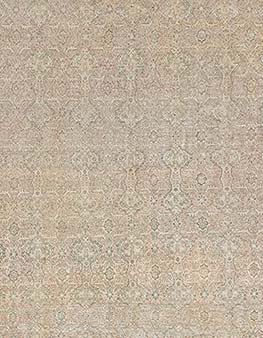
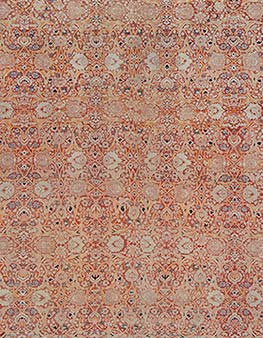
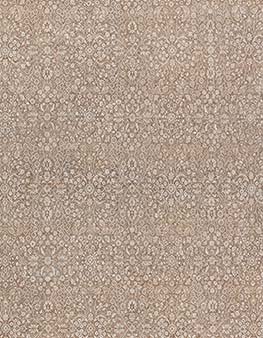
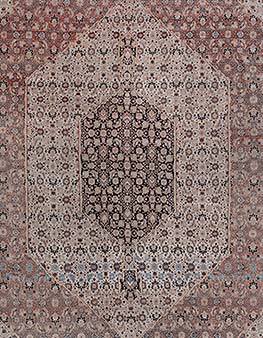
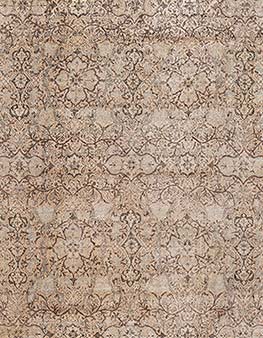
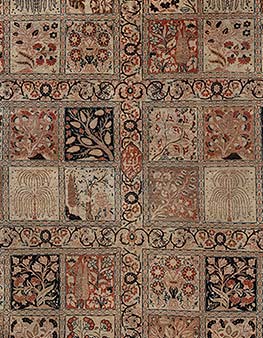
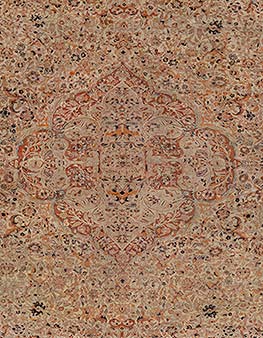
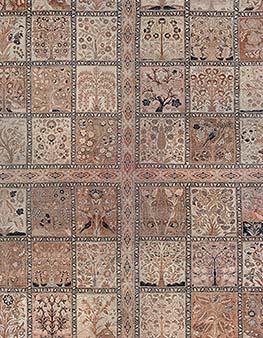
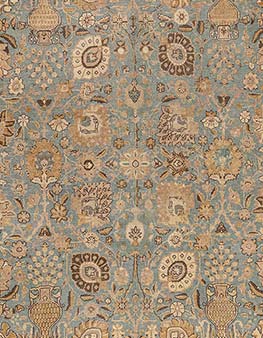
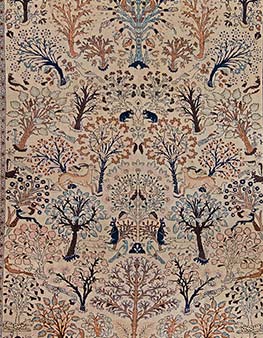
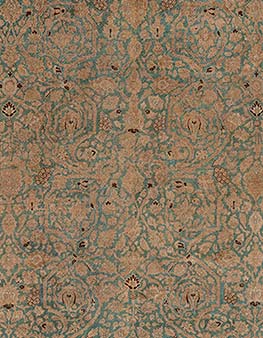
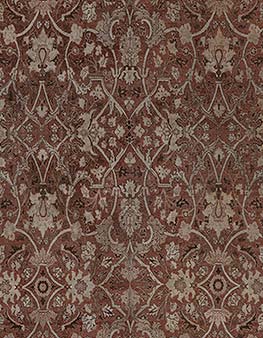
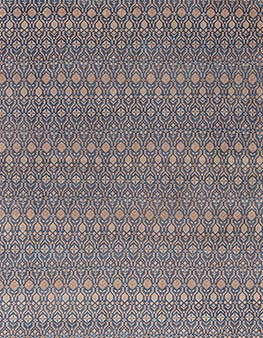
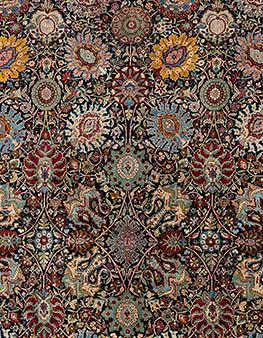
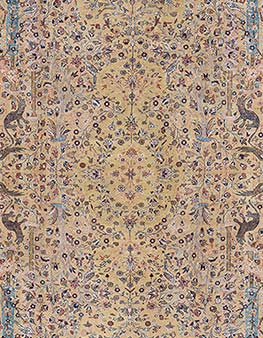
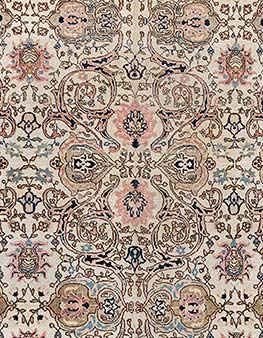
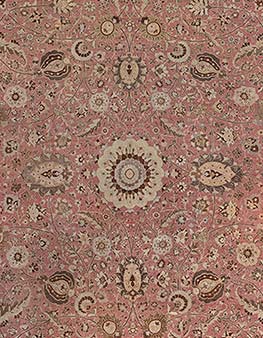
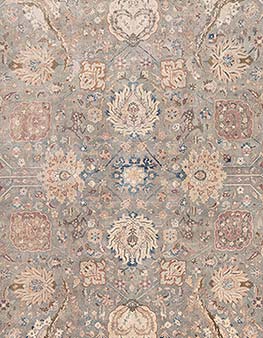
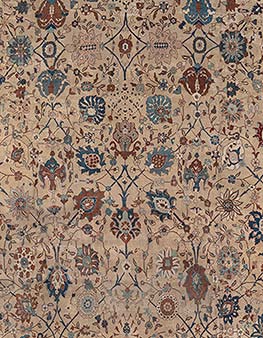
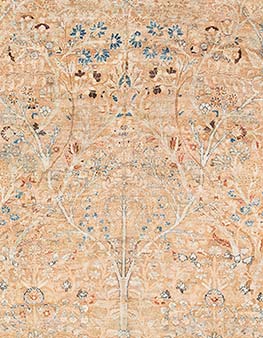
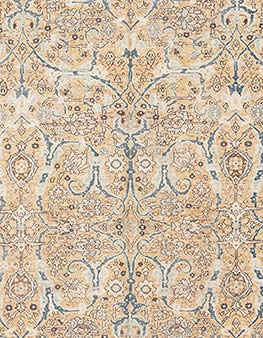
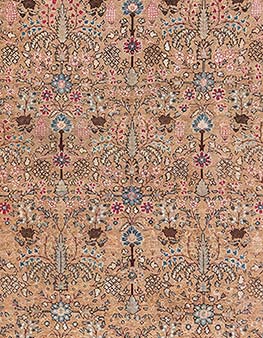
A fine Tabriz carpet is often recognized by its disciplined structure and detailed ornamentation. Many examples use the asymmetric Persian knot on a cotton foundation, with pile woven in fine wool and, in more luxurious pieces, silk highlights or silk construction. Designs may include central medallions, allover botanical fields, Herati patterns, arabesques, cartouches, architectural borders, or pictorial elements. Unlike more rustic tribal rugs, Tabriz carpets frequently reflect workshop discipline: the drawing is exact, the borders are carefully scaled, and the relationship between field and frame feels deliberate.
Antique rugs are typically defined in the market as pieces 100 years old or more, and many Tabriz carpets from the late nineteenth and early twentieth centuries are especially sought after by collectors and decorators. Haji Jalili Tabriz rugs, for example, are valued for restrained color, delicate line, and exceptional refinement. Patina, abrash, age-softened wool, and subtle variations in tone are part of what makes an antique Persian Tabriz carpet distinct from a modern reproduction. Condition, restoration, weave quality, and originality should all be reviewed alongside beauty.
Choosing a Tabriz Carpet for a Luxury Interior
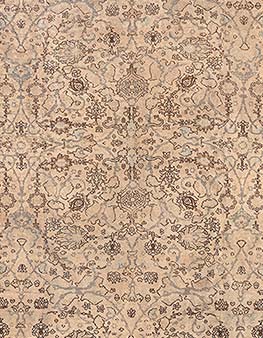
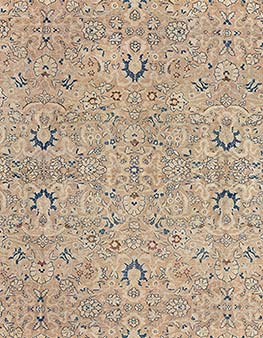
The right Tabriz rug can set the architecture of a room without overwhelming it. Allover floral Tabriz carpets are often useful beneath dining tables or seating groups because the pattern remains balanced when partially covered by furniture. Medallion Tabriz rugs create a strong visual center and are especially effective in living rooms, libraries, and formal salons where symmetry matters. Light beige, ivory, taupe, warm tan, soft blue, copper, and muted terracotta palettes can bridge antiques, modern upholstery, and contemporary art with unusual ease.
- Measure the room and furniture plan before choosing a room-size, large, or oversized rug.
- Review age, origin, weave, material, condition, and any noted restoration.
- Compare medallion layouts with allover patterns for furniture placement.
- Consider wool for durability and silk or silk highlights for refinement.
- Use palette and border scale to connect architecture, textiles, and art.
Doris Leslie Blau Tabriz Rugs for Designers and Collectors
Doris Leslie Blau has sourced rugs from estates, auctions, dealers, and private collections since 1965, giving the gallery a long perspective on rarity, decorative quality, and market expectations. Each Tabriz rug is presented with practical buying details such as size, material, approximate age, and visible pricing, making it easier for interior designers, architects, collectors, and homeowners to compare pieces for specific projects. The category includes antique area rugs, large Persian carpets, and oversized Tabriz rugs suited to substantial rooms where proportion is as important as pattern.
For buyers who love the elegance of Tabriz design but need a nonstandard size, a different palette, or a project-specific format, made-to-order options may also be considered separately from antique inventory. A custom Tabriz-inspired rug cannot replace the age and patina of an antique carpet, but it can solve scale and color requirements for hospitality, residential, or architectural interiors. Whether selecting a rare antique, a decorative Persian rug, or a custom alternative, the goal is the same: a carpet with lasting visual intelligence, craftsmanship, and presence.