

-
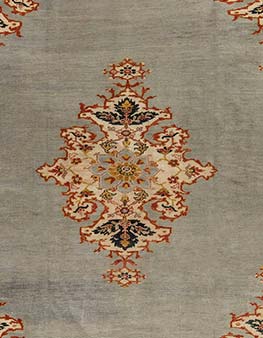
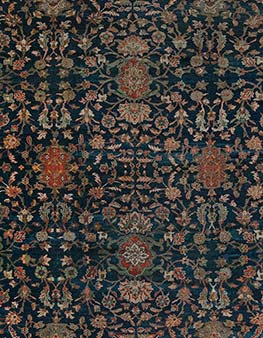
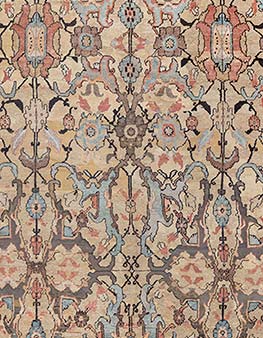
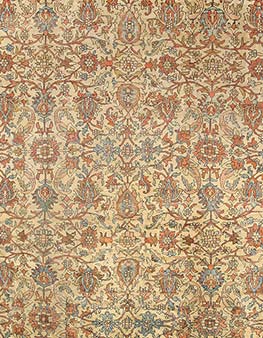
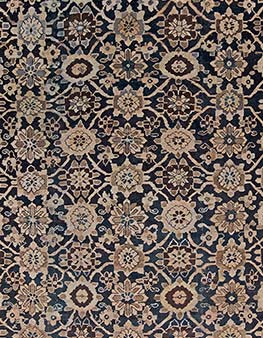
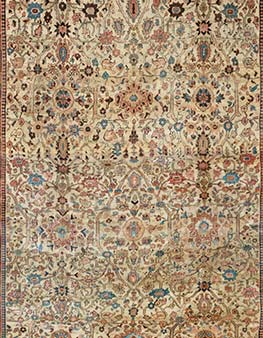
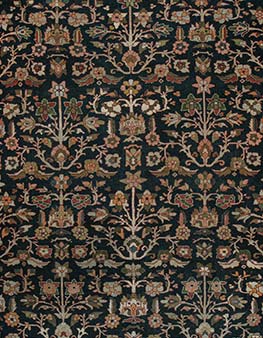
Antique Sultanabad Persian Floral Allover Gray Hand-Knotted Wool Rug – Circa 1920 BB6484
Size: 9'4" × 12'0" (284 × 365 cm) -
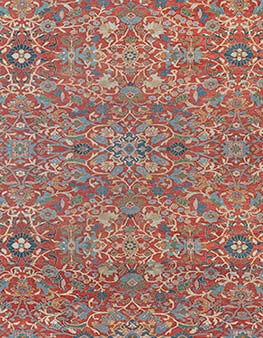
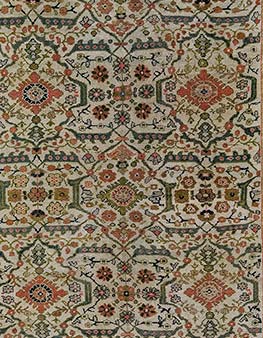
Antique Sultanabad Persian Allover Oversized Light Beige Hand-Knotted Wool Carpet – Circa 1900 (Size Adjusted) BB7055
Size: 17'6" × 28'2" (533 × 858 cm) -
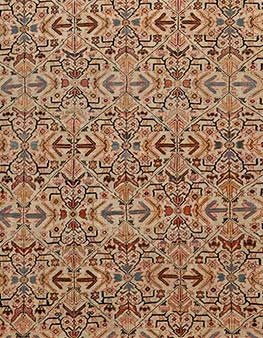
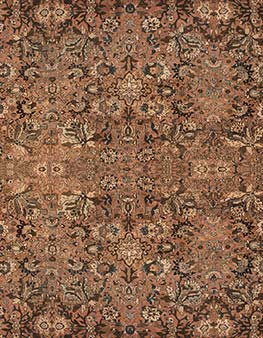
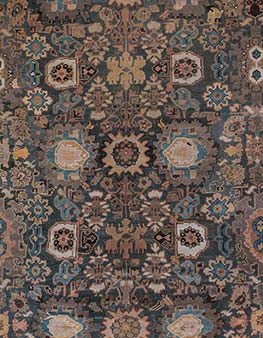
Sultanabad Persian Antique Allover Geometric Warm Tan Hand-Knotted Wool Rug – Circa 1910 BB7028
Size: 10'10" × 11'10" (330 × 360 cm) -
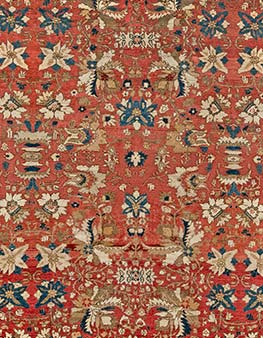
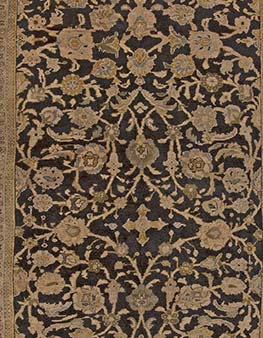
Sultanabad Persian Antique Floral Allover Warm Tan Hand-Knotted Wool Rug – Circa 1910 BB7026
Size: 10'3" × 13'9" (312 × 419 cm) @NB -
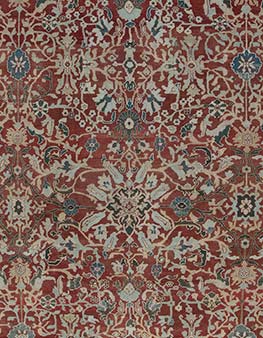
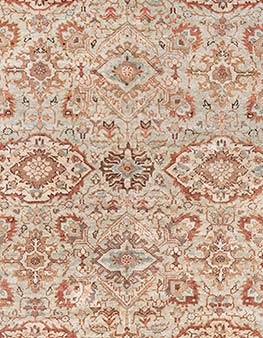
Antique Sultanabad Persian Allover Floral Light Beige Hand-Knotted Wool Rug – Circa 1920 BB6899
Size: 13'3" × 20'10" (403 × 635 cm) -
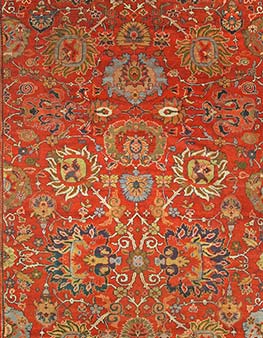
Antique Sultanabad Persian Allover Floral Cream Hand-Knotted Wool Rug – Circa 1880 BB6711
Size: 12'0" × 17'2" (365 × 523 cm) -
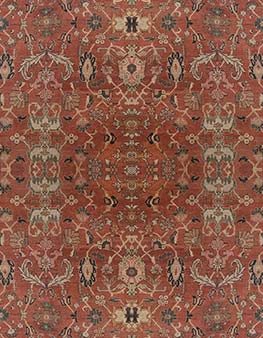
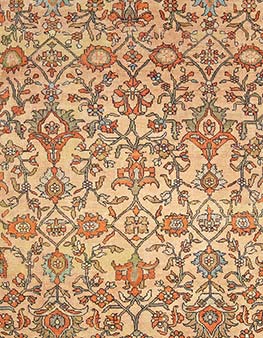
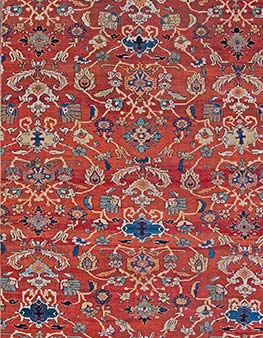
Antique Sultanabad Persian Allover Rust Hand-Knotted Wool Rug – Circa 1900 BB6597
Size: 12'8" × 19'0" (386 × 579 cm) -
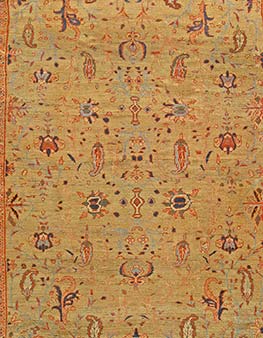
Exquisite Sultanabad Persian Antique Floral Allover Warm Tan Hand-Knotted Wool Rug – Circa 1920 BB6134
Size: 9'6" × 12'6" (289 × 381 cm) -

Antique Sultanabad Persian Floral Allover Classic Taupe Hand-Knotted Wool Carpet – Circa 1880 BB7275
Size: 12'6" × 17'9" (381 × 541 cm) -
Antique Sultanabad Persian Floral Allover Warm Tan Hand-Knotted Wool Rug – Circa 1900 BB6598
Size: 12'2" × 19'10" (370 × 604 cm) -
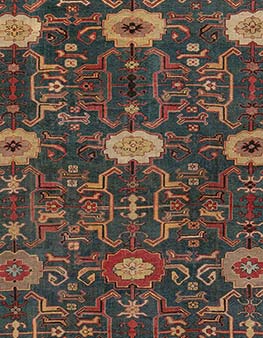
Antique Sultanabad Persian Allover Geometric Warm Tan Hand-Knotted Wool Rug – Circa 1935 BB6390
Size: 7'4" × 10'0" (223 × 304 cm) -
Sultanabad Persian Antique Allover Floral Warm Tan Hand-Knotted Wool Rug – Circa 1920 BB5671
Size: 11'0" × 19'0" (335 × 579 cm) -
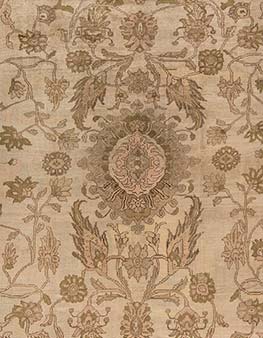
Antique Sultanabad Persian Medallion Floral Soft Beige Hand-Knotted Wool Rug – Circa 1900 BB4925
Size: 10'6" × 13'6" (320 × 411 cm) -
Antique Sultanabad Persian Allover Floral Pale Sand Hand-Knotted Wool Carpet – Circa 1880 BB4642
Size: 12'2" × 18'0" (370 × 548 cm) -
Antique Sultanabad Persian Floral Allover Warm Tan Hand-Knotted Wool Rug – Circa 1880 BB4331
Size: 11'2" × 18'4" (340 × 558 cm) -
Antique Sultanabad Persian Floral Allover Warm Tan Hand-Knotted Wool Carpet – Circa 1900 BB4322
Size: 8'5" × 11'2" (256 × 340 cm) -
Antique Sultanabad Persian Floral Allover Soft Beige Hand-Knotted Wool Rug – Circa 1900 BB3442
Size: 12'0" × 18'1" (365 × 551 cm) -
Antique Sultanabad Persian Allover Floral Soft Beige Hand-Knotted Wool Rug – Circa 1900 BB3336
Size: 10'9" × 14'3" (327 × 434 cm) -
Antique Sultanabad Persian Allover Floral Warm Tan Hand-Knotted Wool Rug – Circa 1900 BB1196
Size: 11'8" × 15'7" (355 × 474 cm) -
Antique Sultanabad Persian Allover Floral Oversized Soft Beige Hand-Knotted Wool Rug – Circa 1880 BB0472
Size: 14'7" × 27'7" (444 × 840 cm) @ZAK+FOX -
Antique Sultanabad Persian Floral Allover Classic Taupe Hand-Knotted Wool Rug – Circa 1900 BB7448
Size: 13'0" × 20'3" (396 × 617 cm) -
Sultanabad Persian Antique Allover Geometric Ivory Hand-Knotted Wool Rug – Circa 1880 (Size Adjusted) BB7381
Size: 10'0" × 16'1" (304 × 490 cm) -
Antique Sultanabad Persian Allover Floral Cream Hand-Knotted Wool Rug – Circa 1900 BB1354
Size: 11'2" × 21'8" (340 × 660 cm)
Sultanabad Rugs FAQ
What makes Sultanabad rugs different from other Persian rugs?
Sultanabad rugs are known for large-scale botanical patterns, spacious allover designs, and softer decorative palettes than many formal Persian carpets. They often feel more relaxed and architectural than finely curvilinear city rugs, making them especially useful in luxury interiors that need pattern, scale, and warmth without excessive visual density.
Are Sultanabad rugs usually antique?
Many desirable Sultanabad rugs date from the late 19th and early 20th centuries, and antique rugs are typically defined as 100 years old or more. Not every Sultanabad-style rug is antique, so buyers should review the listed age, origin, materials, weave, and condition for each individual carpet.
Where do Sultanabad rugs work best in a home?
Sultanabad carpets work especially well in living rooms, dining rooms, bedrooms, libraries, and large entry spaces. Their broad motifs and muted wool palettes can connect antiques, modern upholstery, wood, stone, and plaster finishes. Oversized Sultanabad rugs are particularly useful when a room needs one substantial decorative foundation.
How should I choose the right Sultanabad rug size?
Start with the room plan, not just the floor area. In a living room, the rug should relate to the seating group; in a dining room, it should allow chairs to move comfortably. Sultanabad rugs often look strongest when the pattern has enough space to be read clearly beneath the furniture.
Can Sultanabad-style rugs be custom made?
Yes, a Sultanabad-inspired rug can be made to order when a project requires a specific size, palette, or layout. Custom work is different from buying an antique Sultanabad, which offers age, patina, and historic character. The best option depends on whether the priority is provenance or exact design control.