

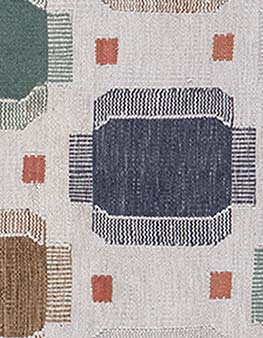
Modern Flatweave Geometric Soft White Handmade Wool Runner “polar Prism” N13047
Size: 2'9" × 11'10" (83 × 360 cm)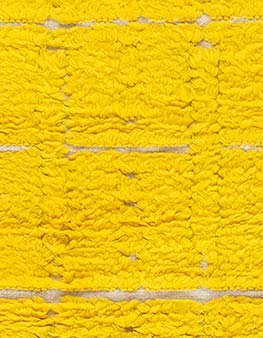
Flatweave Modern Geometric Yellow Rug “Radiant Tulu” N12994
Size: 3'6" × 6'6" (106 × 198 cm)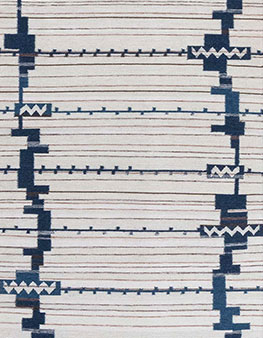
Abstract Modern Geometric Cream Handmade Wool Runner “luminous Labyrinth” N12980
Size: 4'1" × 18'0" (124 × 548 cm)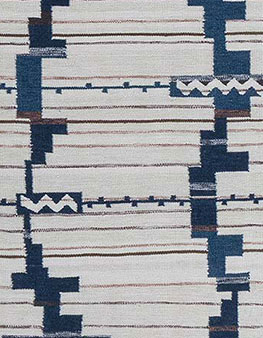
Modern Abstract Geometric Cream With Navy Blue Flatweave Wool Runner “Skystep” N12976
Size: 2'0" × 26'2" (60 × 797 cm)
Geometric Runner In Mint: Handmade Contemporary Elegance “Cultivar” N12902
Size: 3'7" × 13'10" (109 × 421 cm)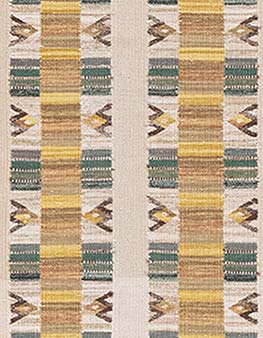
Modern Flatweave Geometric Light Beige Handmade Wool Runner “Gildcrest” N12874
Size: 3'2" × 12'1" (96 × 368 cm)
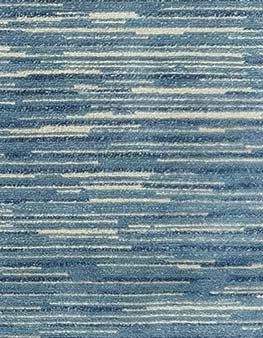
Serene Scandinavian Abstract Flatweave Runner In Light Blue And Navy “Nordic Diamond” N12813
Size: 2'3" × 16'9" (68 × 510 cm)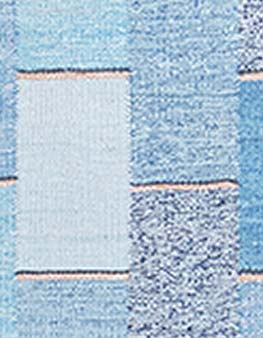
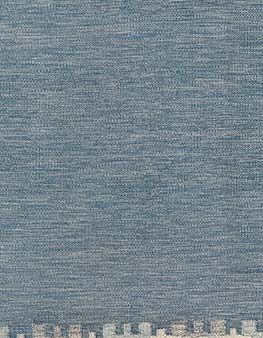
Modern Flatweave Geometric Light Blue Hand-Knotted Runner “Firmament” N12800
Size: 3'1" × 24'4" (93 × 741 cm)
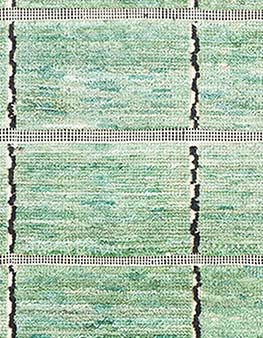
Geometric Modern Mint Lace-Grid Handmade Runner “Verdelace” N12784
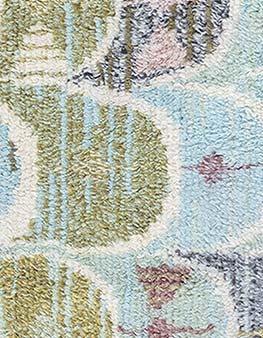
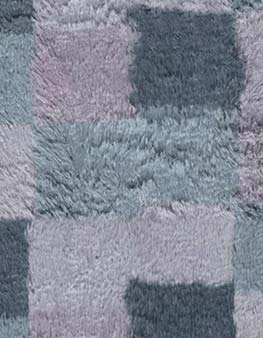
Size: 3'8" × 10'3" (111 × 312 cm)Modern Scandinavian Geometric Slate Gray Handmade Runner “Fanlight” N12767
Size: 2'9" × 9'0" (83 × 274 cm)“Semilune” Modern Scandinavian Geometric Slate Gray Handmade Wool Runner N12762
Size: 3'7" × 17'1" (109 × 520 cm)Contemporary Flatweave Geometric Light Gray Hand-Knotted Wool Runner “Carrelage” N12680
Size: 3'1" × 12'1" (93 × 368 cm)Abstract Modern Geometric Slate Gray Handmade Wool Runner “Trilune” N12630
Size: 1'10" × 10'0" (55 × 304 cm)Contemporary Flatweave Geometric Ivory Handmade Wool Carpet “Cumulus” N12590
Size: 4'7" × 5'7" (139 × 170 cm)Modern Flatweave Striped Runner In Light Gray Handmade Wool “Pluie” N12412
Size: 1'10" × 18'4" (55 × 558 cm)Modern Solid Ivory Flatweave Wool Rug “Citadel” N12109
Size: 5'9" × 5'10" (175 × 177 cm) @WorkshopContemporary Geometric Grid Slate Gray Handmade Wool Carpet “Duskfall” N11821
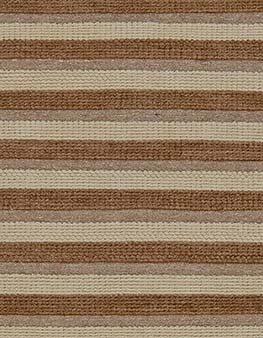
Size: 2'10" × 7'3" (86 × 220 cm)Luxurious Flatweave Modern Striped Runner In Warm Tan Hand-Knotted Wool “Cannel” N10807
Size: 3'2" × 12'3" (96 × 373 cm)
Scandinavian FAQ
What defines a Scandinavian rug?
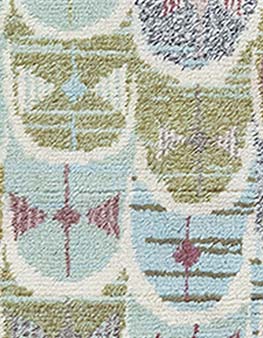
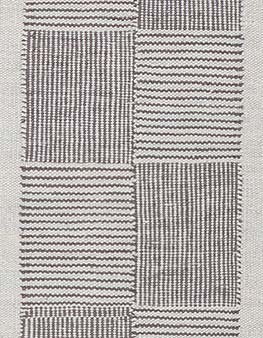
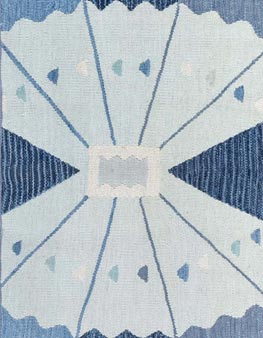
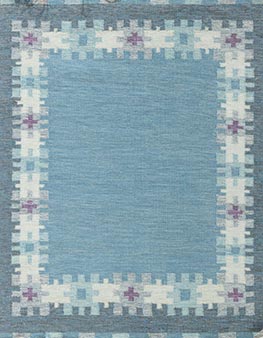
A Scandinavian rug is typically defined by clean geometry, balanced color, practical materials, and a strong relationship to Nordic interior design. Many examples draw from Swedish flatweave traditions, Rya-inspired pile, and mid-century pattern language. In new rugs, the style often appears in handmade wool, soft neutrals, graphic repeats, and restrained palettes suited to modern interiors.
Are Scandinavian rugs good for modern interiors?
Yes. Scandinavian rugs work especially well in modern interiors because they add pattern and warmth without visual heaviness. Their geometric structure suits contemporary furniture, Mid-Century Modern rooms, minimalist architecture, and transitional spaces. Pale gray, ivory, taupe, slate, sage, and muted blue designs can define a room while allowing art, lighting, and furniture to remain prominent.
What is the difference between flatweave and pile Scandinavian rugs?
Flatweave Scandinavian rugs have a thinner, more tapestry-like structure and are often chosen for crisp pattern, easy furniture placement, and a lighter floor profile. Pile or hand-knotted Scandinavian rugs have more surface depth and a softer feel underfoot. The right choice depends on room use, desired texture, furniture weight, and whether the design should feel graphic or more tactile.
Can Scandinavian rugs be made in custom sizes?
New Scandinavian rugs are often appropriate for custom made or made-to-order projects. Custom sizing is useful when a room requires unusual proportions, an oversized carpet, a long runner, or a specific fit beneath furniture. Palette and pattern adjustments may also be possible depending on the design, making Scandinavian rugs practical for interior designers managing precise project requirements.
Which colors are common in Scandinavian rugs?
Common Scandinavian rug colors include ivory, cream, pale sand, light gray, slate, taupe, muted blue, sage, golden tan, and warm brown. These palettes reflect Nordic design preferences for clarity, calm, and natural materials. Stronger accents may appear in red, black, or deep blue, but the overall effect is usually balanced rather than highly ornate.
How should I choose the right Scandinavian area rug?
Start with the room’s scale, furniture plan, and desired mood. A large geometric rug can organize an open seating area, while a quieter flatweave may suit a dining room or bedroom. Compare weave, wool quality, pattern size, color temperature, and dimensions. For luxury interiors, the best Scandinavian rug should feel intentional, not merely neutral.