

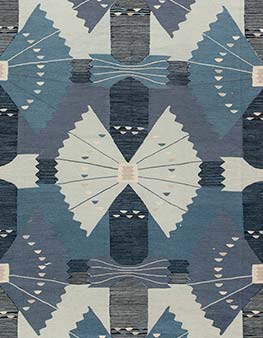
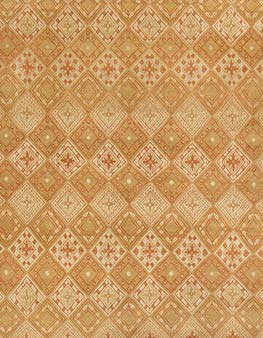
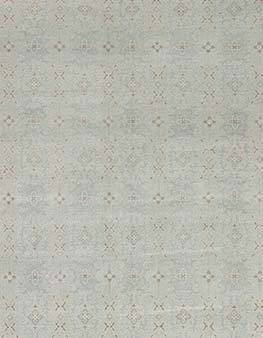
Modern Geometric Fan Motif Light Gray Handmade Wool Oversized Rug “Abanico” N11692
Size: 10'0" × 14'2" (304 × 431 cm)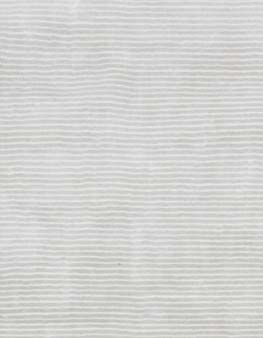
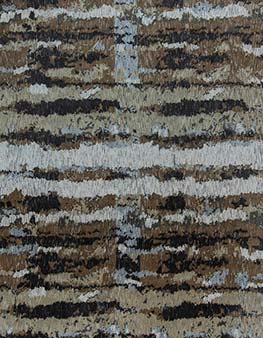
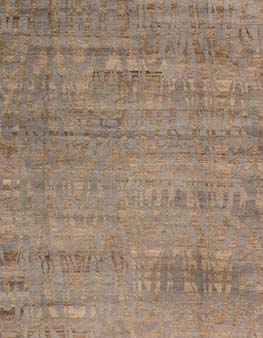
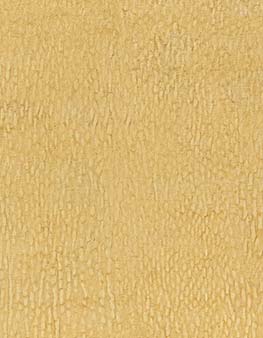
Contemporary Striped Light Gray Hand-Knotted Wool & Silk Carpet “Plisse” N11689
Size: 10'2" × 13'0" (309 × 396 cm)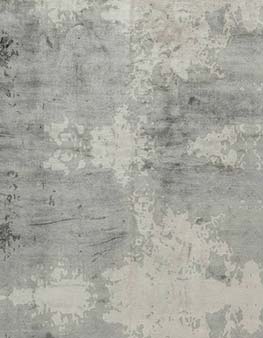
Modern Abstract Ink-Blot Light Gray Hand-Knotted Silk Rug “Rorschach” Designed By Eskayel N11678
Size: 7'9" × 17'3" (236 × 525 cm)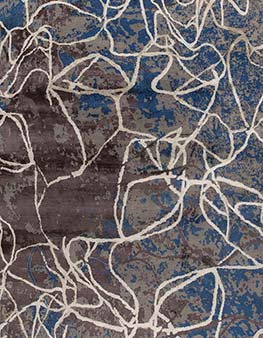
Modern Abstract Interwoven Slate Gray Hand-Knotted Wool & Silk Oversized Rug “Confluence” N11660
Size: 13'0" × 17'0" (396 × 518 cm)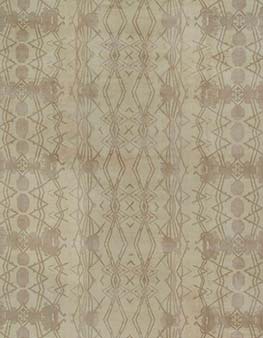
Drifting Dune Abstract Modern Handmade Light Beige With Classic Taupe Rug “Sandrift” N11630
Size: 13'5" × 20'2" (408 × 614 cm)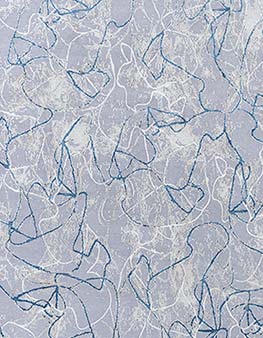
“Cirrus” Contemporary Abstract Lavender Handmade Wool & Silk Carpet N11609
Size: 13'0" × 17'2" (396 × 523 cm)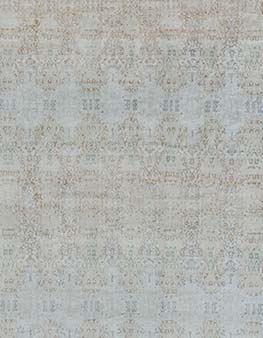
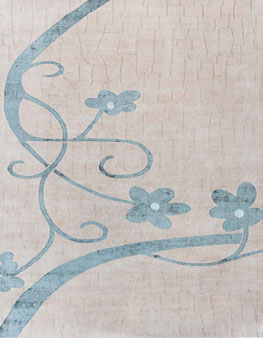
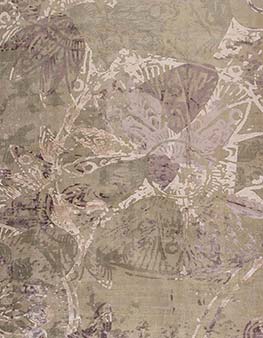
Art Nouveau Modern Rug With Abstract Organic Motif In Light Beige Silk, Handmade “Reflection” Designed By Eskayel N11582
Size: 12'0" × 17'3" (365 × 525 cm)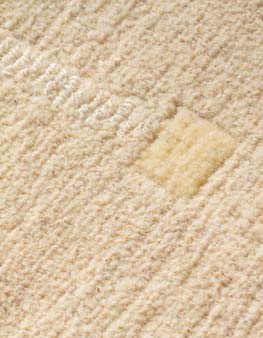
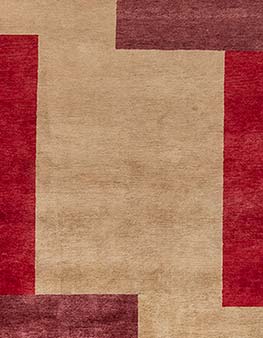
Modern Art Deco Solid Light Gray Handmade Wool Rug “Solitude” N11577
Size: 12'0" × 18'0" (365 × 548 cm)
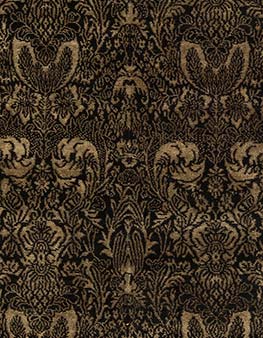
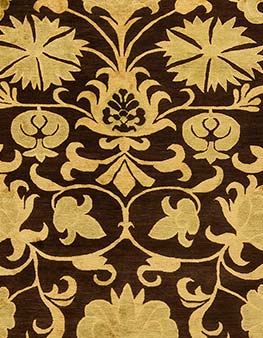
Damask Modern Brown And Charcoal Handmade Wool & Silk Rug “Auriflore” N11568
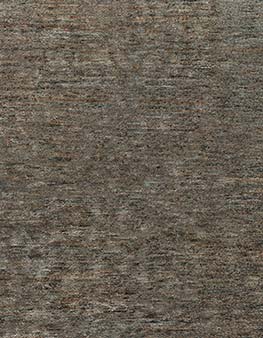
Size: 5'0" × 7'8" (152 × 233 cm)Modern Abstract Solid Brown Hand-Knotted Hemp Rug “Petrichor” N11559
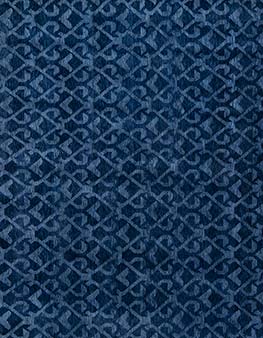
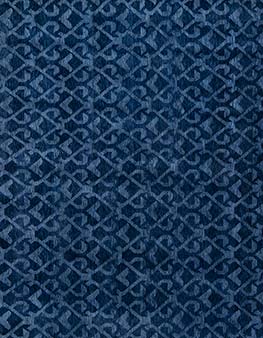
Size: 11'8" × 12'8" (355 × 386 cm)Abstract-Inspired Traditional Navy Blue Handmade Rug “Zellige” N11558
Size: 12'8" × 15'0" (386 × 457 cm)Geometric Modern Navy Blue Hand-Knotted Pashmina Rug “Jali” N11557
Size: 10'0" × 13'9" (304 × 419 cm)“Floralia” Modern Damask Botanical Warm Tan And Brown Handmade Wool & Silk Rug N11555
Size: 8'1" × 9'8" (246 × 294 cm)“Rosace” Modern Art Deco Floral Medallion Warm Tan Hand-Knotted Wool Rug N11554
Size: 8'0" × 10'0" (243 × 304 cm)Damask Modern Pale Sand With Dusty Blue Hand-Knotted Wool & Silk Rug “Florresco” N11543
Size: 9'0" × 12'0" (274 × 365 cm)Abstract Modern Slate Gray Hand-Knotted Rug “Betula” N11537
Size: 12'5" × 14'2" (378 × 431 cm)Modern Solid Dark Gray With Blue Hand-Knotted Banana Silk Rug “Reflet” N11534
Size: 6'2" × 8'9" (187 × 266 cm)“Brume” Modern Solid Light Gray Hand-Knotted Silk Rug N11533
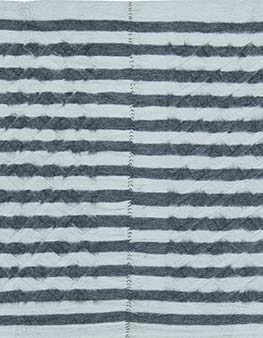
Size: 6'3" × 12'0" (190 × 365 cm)“Gibbous” Modern Striped Light Gray And Charcoal Hand-Knotted Goat Hair Rug N11519
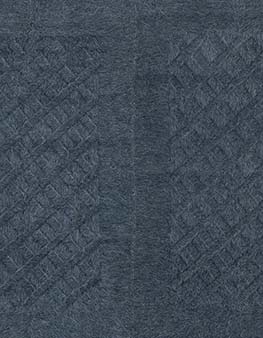
Size: 6'2" × 7'10" (187 × 238 cm)Modern Geometric Lattice Slate Gray Hand-Knotted Wool Rug abyssal “Abyssal Lattice” N11518
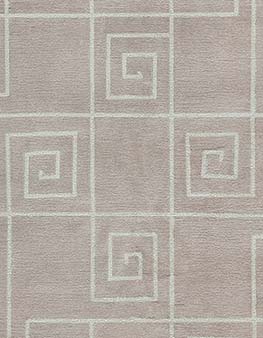
Size: 6'3" × 8'0" (190 × 243 cm)Contemporary Geometric Greek Key Design Dusty Pink Handmade Carpet “Spira” N11512
Size: 6'0" × 9'4" (182 × 284 cm)Modern Abstract Medallion Pale Sand Handmade Wool & Silk Rug “Circadia” N11499
Size: 17'9" × 25'5" (543 × 774 cm)Contemporary Abstract Classic Taupe With Tan Hand-Knotted Silk Rug “Shadows Mauve” N11442
Size: 12'0" × 18'0" (365 × 548 cm)“Plateau” Contemporary Art Deco Inspired By Ivan Da Silva Bruhns Geometric Warm Tan Handmade Wool Carpet N11429
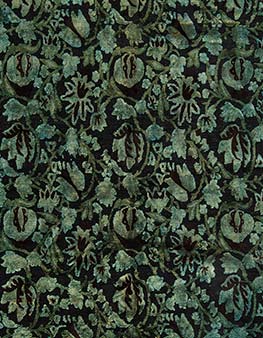
Size: 11'0" × 16'6" (335 × 502 cm)Contemporary Damask Vine & Pod Teal Handmade Wool & Silk Carpet “Viridion” N11425
Size: 7'10" × 9'7" (238 × 292 cm)“Opal Medallion” Modern Floral Warm Tan Handmade Wool Rug N11420
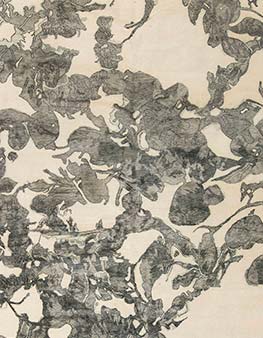
Size: 9'0" × 12'9" (274 × 388 cm)Modern Abstract Floral Pale Sand And Charcoal Hand-Knotted Wool & Silk Oversized Rug “Shadowleaf” Designed By Eskayel N11417
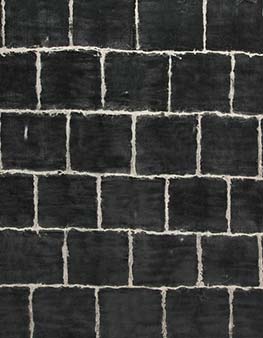
Size: 12'0" × 15'2" (365 × 462 cm)Modern Geometric Grid Pattern Charcoal Handmade Wool Rug “Noir Pav” N11416
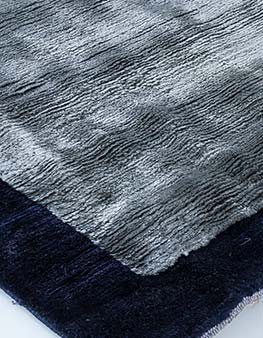
Size: 14'0" × 24'0" (426 × 731 cm)“Sand Dunes” Modern Abstract Light Gray Hand-Knotted Silk Rug N11415
Size: 8'2" × 10'3" (248 × 312 cm)Contemporary Abstract Golden Tan Hand-Knotted Silk Carpet “Liquid Gold” N11414
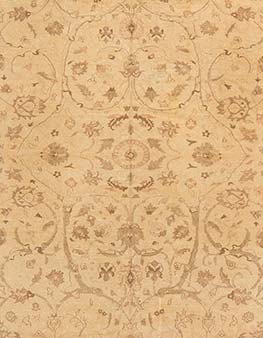
Size: 8'3" × 10'1" (251 × 307 cm)Traditional Hand-Knotted-Inspired Medallion Light Gray Handmade Wool Rug “Mistflower” N11394
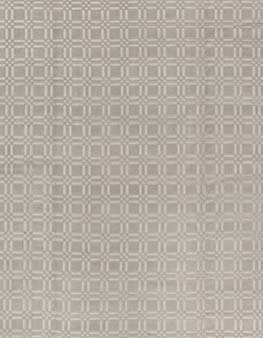
Size: 13'3" × 17'0" (403 × 518 cm)Modern Geometric Windowpane Light Gray Handmade Wool & Silk Rug “Fenetre” N11375
Size: 12'2" × 18'1" (370 × 551 cm)

Hand-Knotted FAQ
What makes a rug hand-knotted?
A hand-knotted rug is made by tying individual knots onto a foundation of warp and weft threads. The knots form the pile, pattern, and surface texture. This process differs from machine-made, printed, or tufted rugs and is valued for durability, design definition, and the visible craftsmanship that appears in the weave.
Are hand-knotted rugs better than hand-tufted rugs?
Hand-knotted rugs are generally considered the finer construction because the pattern is built into the rug knot by knot. Hand-tufted rugs use a different process with yarn inserted into a backing. A hand-knotted rug usually offers greater longevity, more structural integrity, and a more collectible level of craftsmanship.
Which materials are best for hand-knotted rugs?
Wool is prized for resilience, softness, and practical performance in living areas. Silk can create sharper detail and a subtle sheen, making it effective in refined or lower-traffic spaces. Wool-and-silk rugs combine durability with luminous accents. The best material depends on room use, desired texture, maintenance expectations, and design intent.
Can hand-knotted rugs be made in custom sizes?
Yes, many new hand-knotted rugs can be made to order when a project requires a specific size, palette, or design adjustment. Custom made rugs are especially useful for oversized rooms, long runners, square layouts, and interiors where standard dimensions do not align with the furniture plan or architectural proportions.
How do I choose a hand-knotted rug for a room?
Start with the room’s measurements, furniture layout, traffic level, and color scheme. Then evaluate material, pile, pattern scale, and border placement. A calm abstract or solid rug can support contemporary interiors, while medallion, floral, geometric, or antique-inspired designs can add structure and decorative richness to formal rooms.
Do hand-knotted rugs work in modern interiors?
Hand-knotted rugs work very well in modern interiors because the construction adds texture and depth without requiring a traditional look. Contemporary abstract, Scandinavian, Moroccan, geometric, solid, and Art Deco-inspired designs can soften clean architecture, define seating areas, and bring a crafted surface into rooms with stone, glass, metal, or minimal upholstery.
How are antique and new hand-knotted rugs different?
Antique rugs are typically 100+ years old and are evaluated for age, origin, weave, condition, patina, and provenance. New hand-knotted rugs can offer similar design language with project-ready sizes, custom color options, and cleaner condition. The right choice depends on whether the priority is historical character, decorative flexibility, or custom specification.