

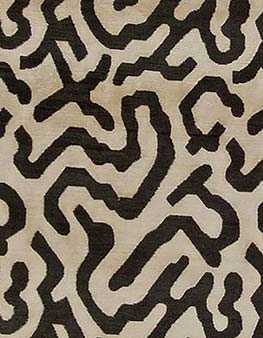
Abstract Contemporary Light Beige With Brown Hand-Knotted Silk Runner “Pulse” N10783
Size: 4'9" × 19'3" (144 × 586 cm)
Abstract FAQ
What defines an abstract rug?
An abstract rug uses non-literal pattern, color movement, texture or geometry instead of a traditional floral, medallion or pictorial design. In luxury interiors, abstract rugs are often chosen for their ability to connect furniture, art and architecture without looking overly formal or period-specific.
Are abstract rugs suitable for formal interiors?
Yes. A refined abstract rug can work beautifully in formal living rooms, dining rooms, libraries and primary bedrooms when the palette, scale and construction are carefully chosen. Subtle wool, silk or wool-silk designs can add depth and modernity while still respecting antique furniture, architectural detailing and fine art.
Which materials are best for abstract rugs?
Wool is valued for resilience, comfort and a softly matte surface. Silk and wool-silk blends add luminosity, sharper detail and a more luxurious hand. Flatweave constructions can be useful where a lower profile is preferred. The best material depends on traffic, room function, desired sheen and the design effect.
How do I choose an abstract rug size?
Start with the furniture plan rather than the empty floor. In a living room, the rug should usually relate to the seating group and allow the main pieces to sit comfortably on or around it. Oversized abstract rugs work well in open spaces, while runners and smaller rugs can define halls or intimate seating areas.
Can abstract rugs be custom made?
Many abstract rug designs are good candidates for custom made or made-to-order production because the pattern can often be adapted to specific dimensions, colors and materials. This is especially useful for large rooms, unusual layouts, hospitality projects or interiors requiring a precise palette.
Do abstract rugs work with antique furniture?
Abstract rugs can create a sophisticated contrast with antique furniture when the colors and scale are balanced. A restrained modern wool or wool-silk rug can make historic pieces feel current, while still allowing the craftsmanship, patina and silhouettes of antiques to remain the focus.
What should designers evaluate before buying an abstract rug?
Designers should review dimensions, weave, material, palette, pile height, pattern scale and how the rug will interact with upholstery, flooring, art and lighting. For silk or wool-silk rugs, light reflection is especially important. Visible pricing and detailed product information also help compare options efficiently.