

-
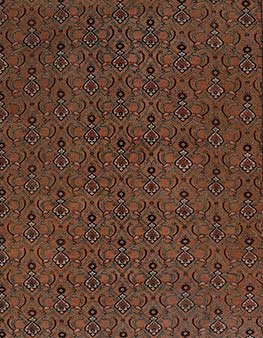
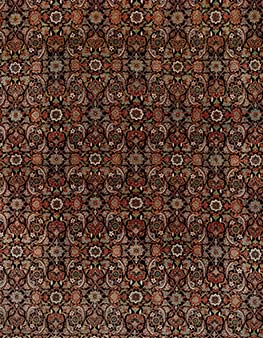
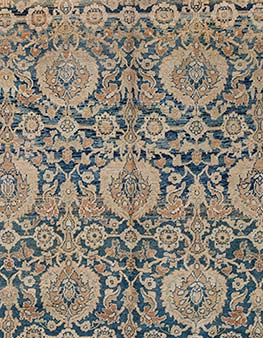
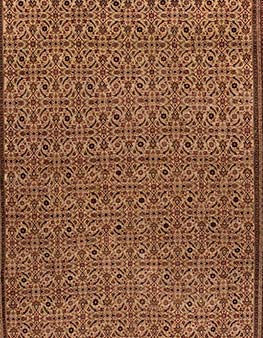
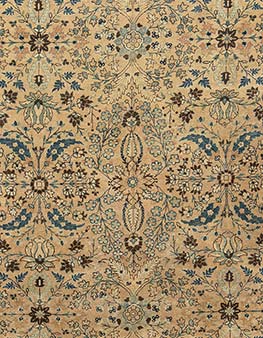
Antique Meshad Persian Allover Geometric Warm Tan Hand-Knotted Wool Rug – Circa 1930 BB7171
Size: 15'0" × 19'6" (457 × 594 cm) -
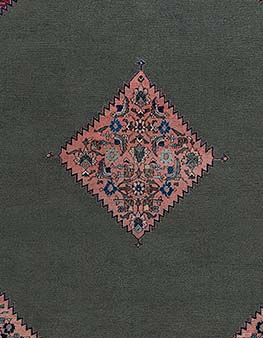
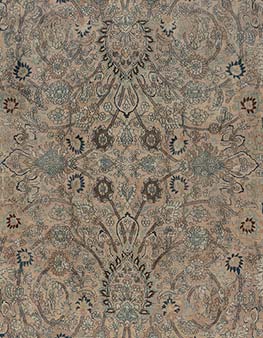
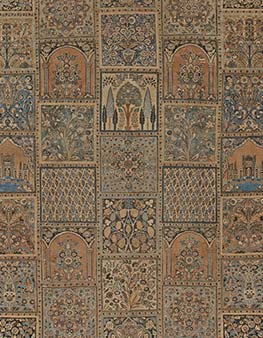
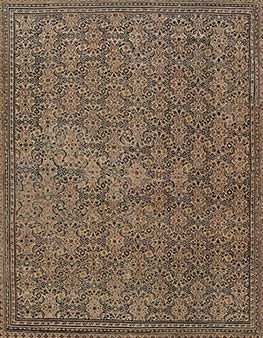
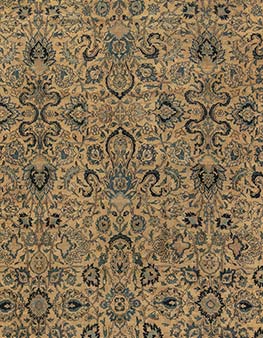
Antique Meshad Persian Medallion Geometric Ivory Hand-Knotted Wool Rug – Circa 1900 BB9022
Size: 10'8" × 13'9" (325 × 419 cm) -
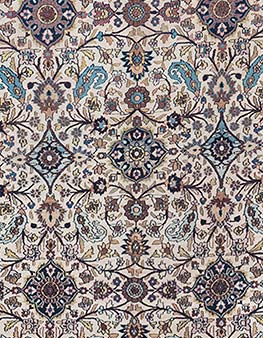
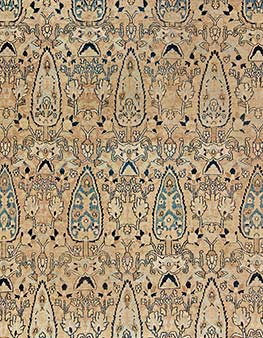
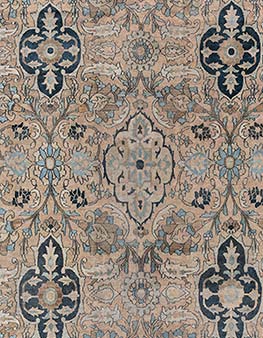
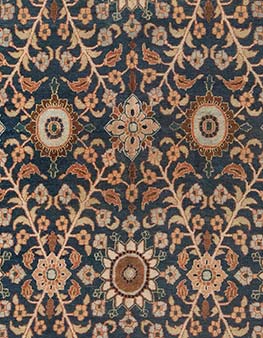
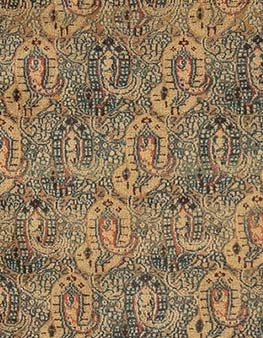
Antique Meshad Persian Floral Allover Ivory Hand-Knotted Wool Rug – Circa 1900 BB8765
Size: 8'0" × 11'6" (243 × 350 cm) -
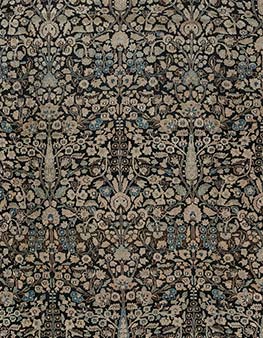
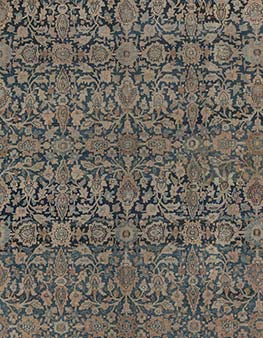
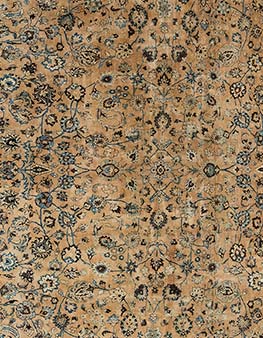
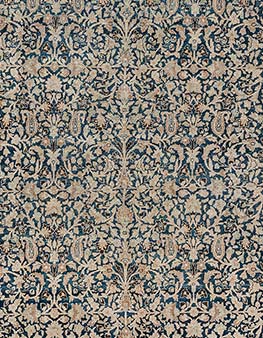
Meshad Persian Antique Allover Ivory Beige Hand-Knotted Wool Rug – Circa 1880 BB7510
Size: 12'5" × 15'7" (378 × 474 cm) -
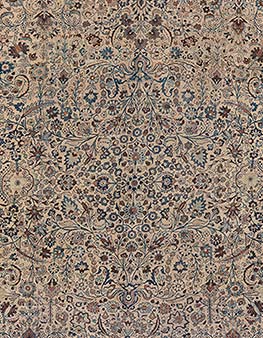
Antique Meshad Persian Allover Floral Oversized Soft Beige Hand-Knotted Wool Rug – Circa 1880 BB7326
Size: 15'10" × 30'3" (482 × 922 cm) -
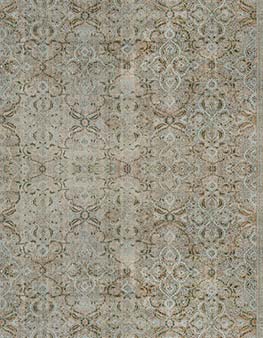
Antique Meshad Persian Floral Allover Soft Beige Hand-Knotted Wool Rug – Circa 1920 BB7323
Size: 12'10" × 24'2" (391 × 736 cm) -
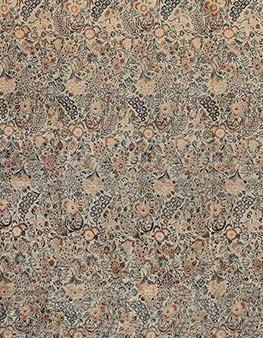
Meshad Persian Antique Allover Floral Soft Beige Hand-Knotted Wool Rug – Circa 1900 BB7310
Size: 11'6" × 15'5" (350 × 469 cm) -
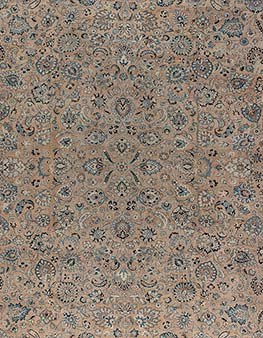
Antique Meshad Persian Floral Allover Warm Tan Hand-Knotted Wool Carpet – Circa 1900 BB7304
Size: 13'9" × 17'8" (419 × 538 cm) -

Antique Meshad Persian Allover Warm Tan Hand-Knotted Wool Rug – Circa 1920 BB7253
Size: 11'8" × 16'4" (355 × 497 cm) -
Antique Meshad Persian Allover Soft Beige Hand-Knotted Wool Rug – Circa 1880 BB7163
Size: 11'9" × 16'2" (358 × 492 cm) -
Antique Meshad Persian Floral Allover Light Beige Hand-Knotted Wool Carpet – Circa 1920 BB6501
Size: 9'8" × 16'0" (294 × 487 cm) -
Meshad Persian Antique Allover Warm Tan Hand-Knotted Wool Rug – Circa 1920 BB6264
Size: 8'9" × 12'6" (266 × 381 cm) -
Antique Meshad Persian Floral Allover Sand Hand-Knotted Wool Rug – Circa 1920 BB5753
Size: 6'6" × 9'1" (198 × 276 cm) -
Antique Meshad Persian Allover Warm Tan Hand-Knotted Wool Rug – Circa 1920 BB5586
Size: 13'0" × 15'1" (396 × 459 cm) -
Antique Meshad Persian Floral Allover Warm Tan Hand-Knotted Wool Carpet – Circa 1900 BB5111
Size: 9'6" × 12'6" (289 × 381 cm) -
Antique Meshad Persian Allover Floral Cream Beige Hand-Knotted Wool Carpet – Circa 1880 BB4657
Size: 10'2" × 16'0" (309 × 487 cm) -
Meshad Persian Antique Allover Warm Tan Hand-Knotted Wool Carpet – Circa 1900 BB4652
Size: 15'3" × 19'3" (464 × 586 cm) -
Antique Meshad Persian Allover Warm Tan Hand-Knotted Wool Rug – Circa 1880 BB4543
Size: 14'0" × 15'9" (426 × 480 cm) -
Meshad Persian Antique Allover Floral Soft Beige Hand-Knotted Wool Rug – Circa 1880 BB4486
Size: 6'2" × 7'0" (187 × 213 cm) -
Antique Meshad Persian Allover Floral Warm Tan Hand-Knotted Wool Carpet – Circa 1900 BB4000
Size: 12'4" × 14'4" (375 × 436 cm) -
Antique Meshad Persian Floral Allover Warm Tan Hand-Knotted Wool Rug – Circa 1900 BB3761
Size: 9'5" × 12'6" (287 × 381 cm) -
Antique Meshad Persian Allover Floral Soft Beige Hand-Knotted Wool Rug – Circa 1900 BB3360
Size: 13'3" × 17'2" (403 × 523 cm) -
Antique Meshad Persian Allover Golden Tan Hand-Knotted Wool Rug – Circa 1900 BB3127
Size: 10'10" × 15'6" (330 × 472 cm) -
Antique Meshad Persian Allover Floral Light Beige Hand-Knotted Wool Rug – Circa 1920 BB7376
Size: 9'1" × 12'8" (276 × 386 cm) -
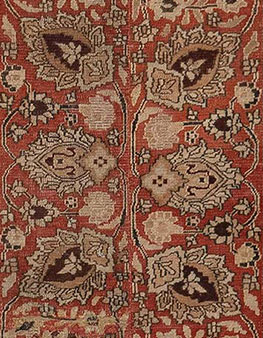
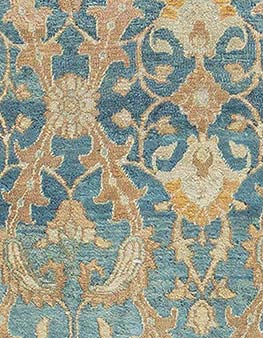
Meshad Persian Antique Floral Allover Warm Tan Hand-Knotted Wool Runner – Circa 1920 (Size Adjusted) BB9056
Size: 3'6" × 19'0" (106 × 579 cm) -
Antique Meshad Persian Allover Light Beige Hand-Knotted Wool Runner – Circa 1920 Mashad (Fragment) BB8033
Size: 2'4" × 14'0" (71 × 426 cm) -
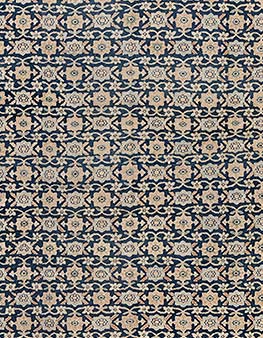
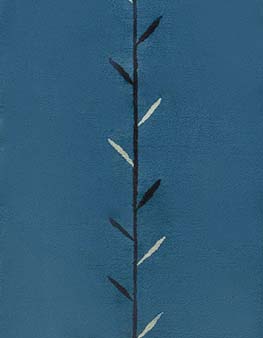
Meshad Persian Antique Allover Navy Blue Hand-Knotted Wool Runner – Circa 1940 BB7674
Size: 4'9" × 29'10" (144 × 909 cm) -
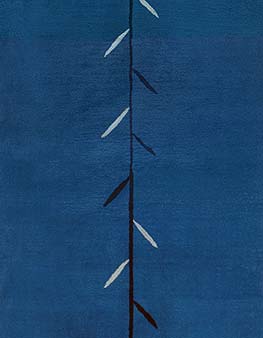
Meshad Persian Antique Allover Navy Blue Hand-Knotted Wool Runner – Circa 1960 Rare Mashad By Master Amoghli BB7646
Size: 4'10" × 29'9" (147 × 906 cm)
Meshad Rugs FAQ
What is a Meshad rug?
A Meshad rug, also spelled Mashad, is a Persian carpet associated with Mashad in the Khorassan region of Iran. These rugs are often hand-knotted in wool and known for floral patterns, medallion compositions, formal borders, and large room-size formats suited to refined interiors.
Are Meshad rugs considered antique Persian rugs?
Many Meshad rugs on the antique market are considered antique Persian rugs when they are typically 100+ years old. Later Mashad carpets may be vintage or semi-antique depending on age. Buyers should review each rug’s stated period, materials, construction, condition, and provenance details rather than relying on the regional name alone.
How do Meshad rugs differ from Tabriz or Kirman rugs?
Meshad rugs share Persian workshop refinement with Tabriz and Kirman carpets, but they often have a strong Khorassan character: generous scale, formal floral drawing, layered borders, and distinctive medallion or allover layouts. Tabriz can be more architectural and finely drafted, while Kirman is often associated with curvilinear floral elegance and varied color effects.
Where do Meshad rugs work best in interiors?
Meshad rugs work well in living rooms, dining rooms, bedrooms, libraries, galleries, and formal entry spaces. Large and oversized examples can organize expansive rooms, while runners suit long halls. Softer beige, tan, ivory, and pale blue palettes are especially useful in contemporary interiors that need an antique Persian foundation without heavy color.
What should buyers evaluate before purchasing a Meshad rug?
Important factors include size, age, weave quality, wool, foundation, pile condition, restoration, palette, design type, and how the rug will be used. A collector may prioritize rarity, workshop attribution, or signature, while an interior designer may focus on scale, color harmony, durability, and whether the pattern works beneath furniture.