







Kirman Rugs and Kerman Persian Carpets
Kirman rugs, often written Kerman, belong to one of the most admired traditions of Persian carpet weaving. Produced in and around Kerman in southeastern Iran, these hand-knotted carpets are known for refined floral design, elegant medallions, balanced color, and unusually supple decorative character. The Doris Leslie Blau collection focuses on antique and vintage Kirman Persian rugs suited to serious interiors: gracious living rooms, formal dining rooms, libraries, galleries, and large-scale architectural spaces where pattern, age, and proportion matter as much as color.
What Defines an Antique Kirman Rug?
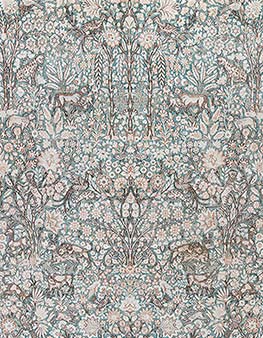
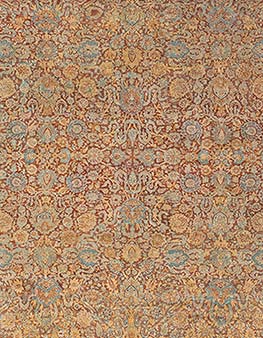
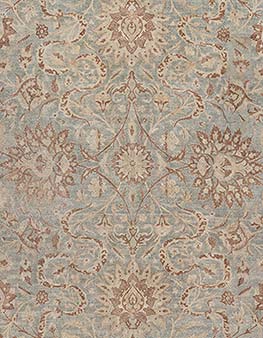
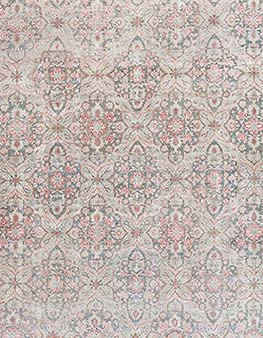
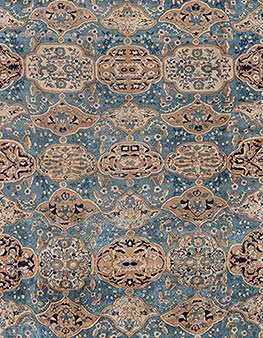
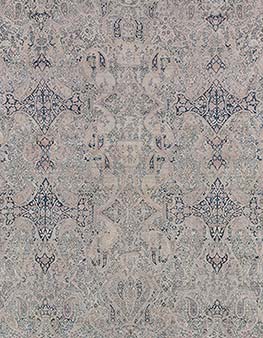
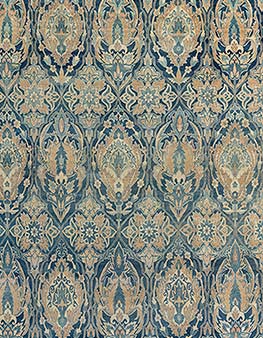
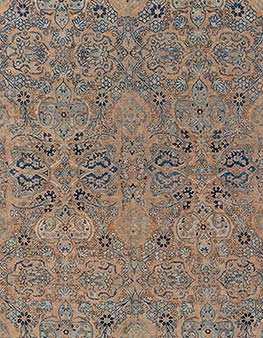
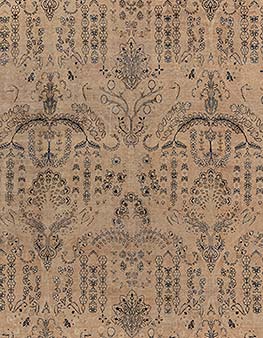
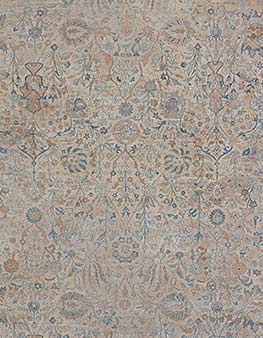
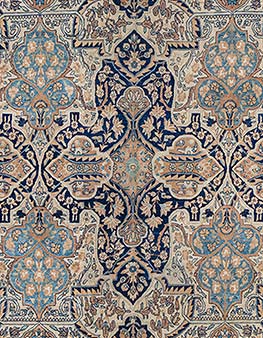
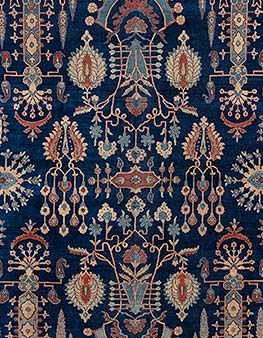
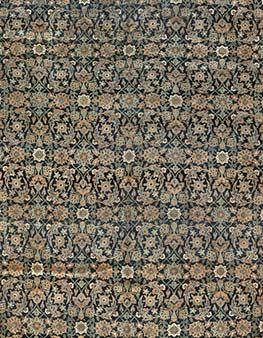
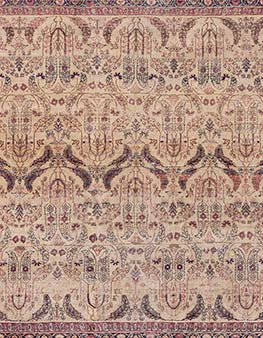
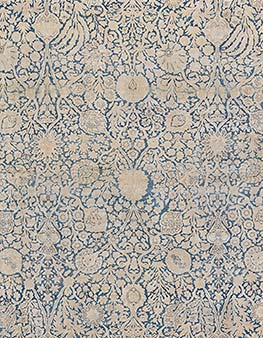
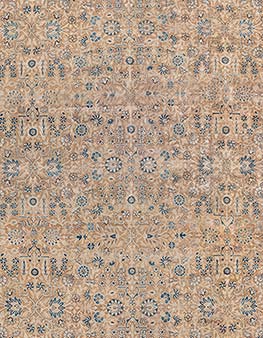
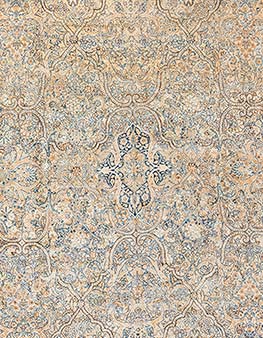
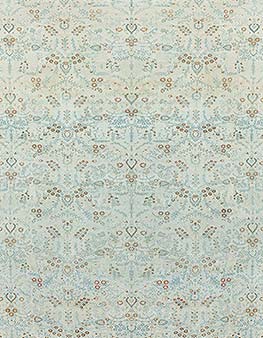
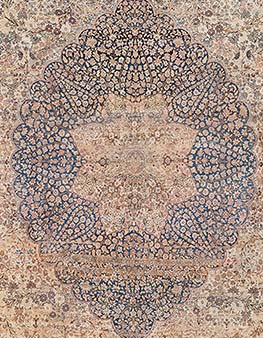
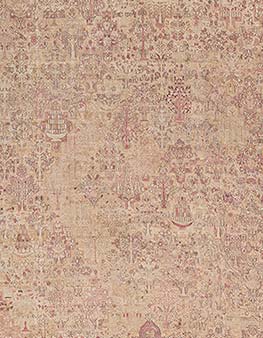
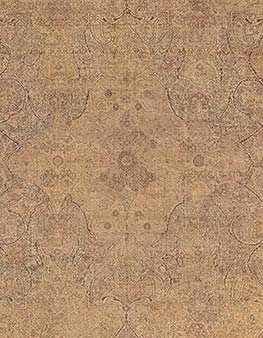
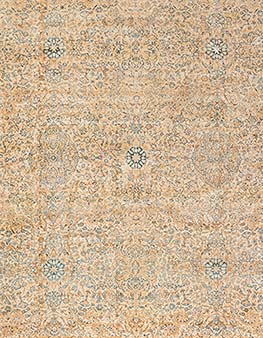
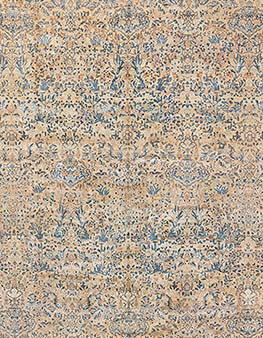
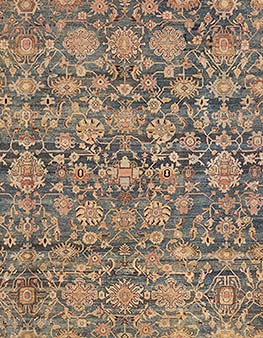
Antique rugs are typically 100+ years old, and many Kirman carpets from the late nineteenth and early twentieth centuries show the qualities collectors and interior designers look for: fine wool pile, cotton foundations, precise drawing, mellowed dyes, and a surface softened by time rather than manufactured distressing. Kirman weavers produced both allover floral carpets and central medallion compositions, often with palmettes, scrolling vines, cartouches, vase motifs, and garden-inspired borders. Lavar or Ravar Kerman examples are especially associated with delicate design and finely articulated weaving.
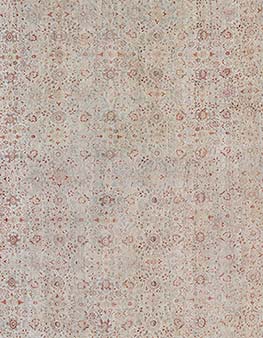
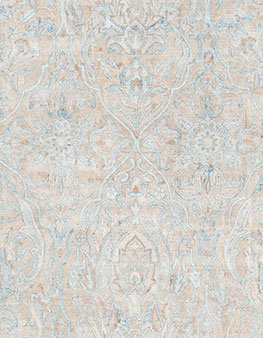
For luxury interiors, the appeal of a Kirman rug is its ability to feel formal without being heavy. Ivory, sand, warm tan, pale blue, light gray, saffron, and rose-toned palettes can integrate with antiques, contemporary upholstery, plaster walls, stone floors, and layered art collections. Large and oversized Kirman carpets are particularly valuable for designers because their ornament can organize a room without overwhelming it. A room-size antique Kirman area rug can anchor seating, while an oversized palace-scale carpet can unify open living and dining plans.
How to Choose a Kirman Persian Rug
Buying a Kirman carpet is not only a matter of choosing a pretty floral pattern. The best decision comes from comparing age, origin, weave, size, palette, condition, and how the composition will sit under furniture. Doris Leslie Blau has sourced rare rugs from estates, auctions, dealers, and private collections since 1965, and each listing is presented to help buyers evaluate the object as both a decorative furnishing and a piece of textile history.
- Check the stated period, especially circa 1880, 1900, 1910, or 1920 examples.
- Compare allover designs with medallion layouts for furniture placement.
- Review dimensions carefully for room-size, large, and oversized interiors.
- Look at wool quality, knotting, pile, border balance, and visible condition.
- Choose palettes that support the architecture, fabrics, art, and lighting.
Kirman Rugs in Luxury Interiors
Antique Kirman carpets are especially useful where a room needs refinement, scale, and quiet complexity. A pale sand or beige Kirman can soften a formal living room; a light blue example can cool a sunlit bedroom or library; a warm tan floral carpet can add structure to traditional or transitional interiors. Because many Kirman designs are curvilinear and finely drawn, they often pair well with French, English, Persian, Art Deco, and contemporary furniture rather than locking a room into a single historical style.
Collectors may focus on rarity, age, provenance indicators, and weave quality, while decorators often prioritize color, scale, condition, and compatibility with a complete scheme. Both perspectives matter. If an antique Kirman rug is close but not exact in size, designers may also consider separate custom made rug or made-to-order options for projects requiring precise dimensions, while preserving the antique Kirman category for one-of-a-kind Persian carpets with age, patina, and authentic hand-knotted character.