

-
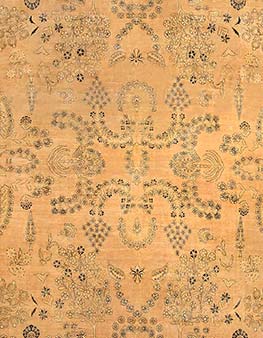
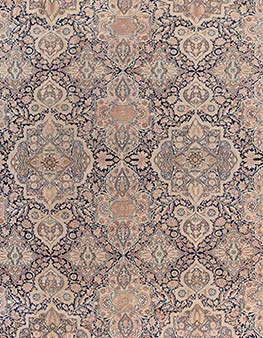
Antique Kirman Persian Medallion Warm Tan Hand-Knotted Wool Carpet – Circa 1900 BB4100
Size: 13'0" × 19'1" (396 × 581 cm) -
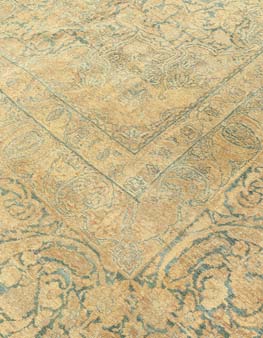
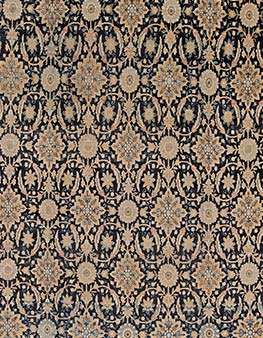
Antique Kirman Persian Floral Allover, Warm Tan, Hand-Knotted Wool Rug – Circa 1880 BB3437
Size: 13'8" × 20'8" (416 × 629 cm) -
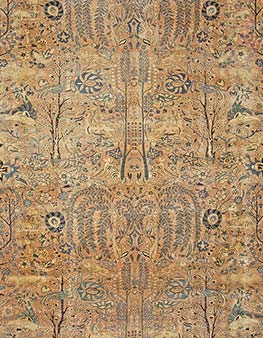
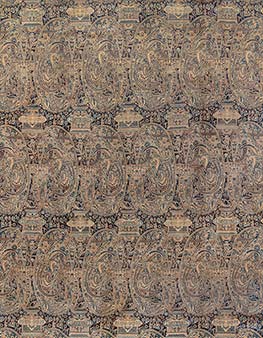
Kirman Persian Antique Allover Warm Tan Hand-Knotted Wool Rug – Circa 1900 BB3197
Size: 12'8" × 15'8" (386 × 477 cm) -
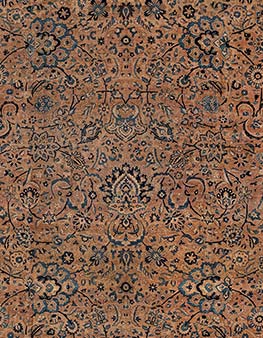
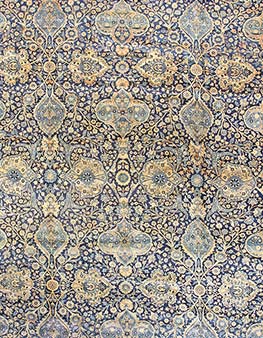
Oversized Kirman Persian Antique Allover Floral Rug In Warm Tan Hand-Knotted Wool – Circa 1900 BB2962
Size: 14'7" × 26'0" (444 × 792 cm) -
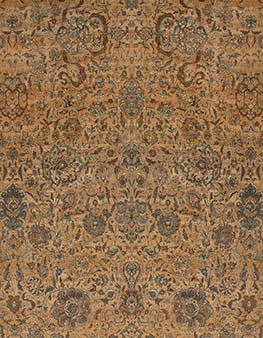
Antique Kirman Persian Allover Floral Warm Tan Hand-Knotted Wool Carpet – Circa 1880 BB2841
Size: 13'6" × 23'0" (411 × 701 cm) -
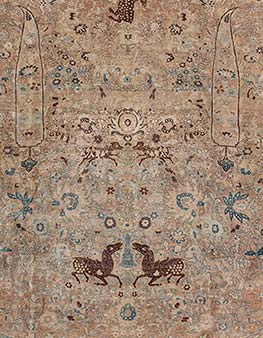
Antique Kirman Persian Allover Warm Tan Hand-Knotted Wool Rug – Circa 1900 BB2724
Size: 10'3" × 15'7" (312 × 474 cm) -
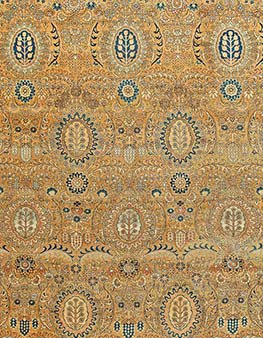
Kirman Persian Antique Allover Floral Golden Tan Hand-Knotted Wool Carpet – Circa 1880 BB2675
Size: 11'7" × 16'8" (353 × 508 cm) -
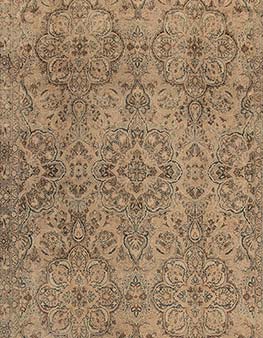
Antique Kirman Persian Floral Allover In Warm Tan Hand-Knotted Wool Carpet – Circa 1900 BB2659
Size: 13'0" × 21'3" (396 × 647 cm) -

Antique Kirman Persian Allover Floral Soft Beige Hand-Knotted Wool Rug – Circa 1880 BB1790
Size: 13'8" × 17'7" (416 × 535 cm) -
Antique Kirman Persian Floral Allover Light Beige Hand-Knotted Wool Rug – Circa 1880 BB1687
Size: 11'0" × 16'5" (335 × 500 cm) -
Antique Kirman Persian Allover Floral Soft Beige Hand-Knotted Wool Rug – Circa 1900 BB0772
Size: 11'9" × 18'5" (358 × 561 cm) -
Antique Kirman Persian Floral Allover Light Beige Hand-Knotted Wool Rug – Circa 1900 (Size Adjusted) BB0631
Size: 12'8" × 25'5" (386 × 774 cm) -
Antique Kirman Persian Allover Floral Rug In Warm Tan Hand-Knotted Wool – Circa 1870 BB7463
Size: 6'7" × 12'10" (200 × 391 cm) -
Antique Kirman Persian Allover Floral Pale Sand Hand-Knotted Wool Rug – Circa 1900 BB7380
Size: 11'2" × 17'6" (340 × 533 cm) -
Antique Kirman Persian Allover Floral Soft Beige Hand-Knotted Wool Rug – Circa 1900 BB5299
Size: 4'9" × 7'0" (144 × 213 cm) -
Kirman Persian Antique Allover Floral Warm Tan Hand-Knotted Wool Runner – Circa 1920 BB6915
Size: 3'1" × 16'0" (93 × 487 cm) -
Kirman Persian Antique Allover Warm Tan Hand-Knotted Wool Rug – Circa 1880 BB5422
Size: 4'0" × 6'3" (121 × 190 cm) -
Antique Kirman Persian Allover Floral Warm Tan Hand-Knotted Wool Runner – Circa 1900 (Fragment) BB8449
Size: 4'2" × 16'0" (127 × 487 cm)
Kirman / Kerman Rugs FAQ
What is a Kirman or Kerman rug?
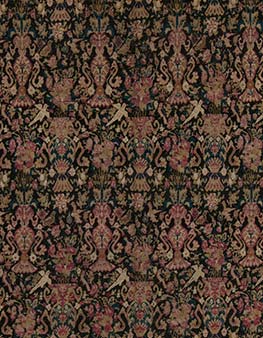
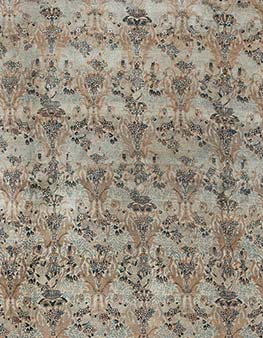
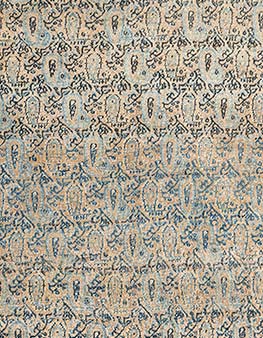
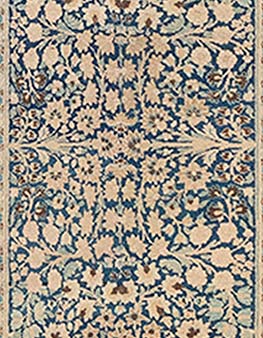
A Kirman or Kerman rug is a Persian carpet woven in the Kerman region of southeastern Iran. These rugs are known for fine hand-knotting, graceful floral drawing, medallions, vase motifs, and sophisticated color. Antique examples are often valued by collectors and interior designers for their craftsmanship, decorative versatility, and ability to furnish formal rooms with softness and detail.
Are antique Kirman rugs good for luxury interiors?
Yes. Antique Kirman rugs work especially well in luxury interiors because their patterns are refined rather than visually harsh. Pale neutrals, warm tans, blues, and floral compositions can support traditional, transitional, and contemporary rooms. Large and oversized Kirman carpets are also useful for unifying seating areas, dining rooms, libraries, and open architectural spaces.
How old are antique Kirman Persian rugs?
In the rug market, antique rugs are typically 100+ years old. Many desirable Kirman Persian rugs date from the late nineteenth or early twentieth century, although each piece should be evaluated individually. Age, condition, weave, materials, color, and provenance indicators all affect how a Kirman carpet is understood and selected.
What patterns are common in Kirman carpets?
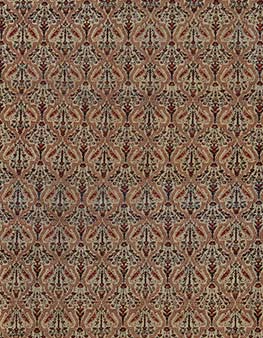
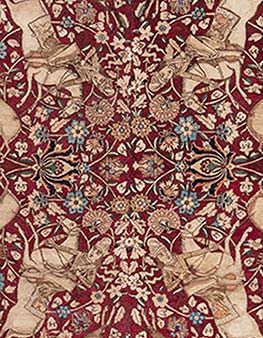
Kirman carpets are best known for floral and botanical patterns, central medallions, allover vine work, palmettes, garden motifs, cartouches, and historic vase designs. Some examples feel highly formal, while others are softer and more decorative. The right choice depends on the room layout, furniture placement, palette, and desired level of ornament.
How should I choose the right Kirman rug size?
Start with the room plan and furniture arrangement. A room-size Kirman rug can define a seating group, while an oversized carpet can connect several areas in a large interior. Review exact dimensions, border placement, medallion position, and how much floor should remain visible. For exact project dimensions, made-to-order rugs may be considered separately.