
French Savonnerie Rugs
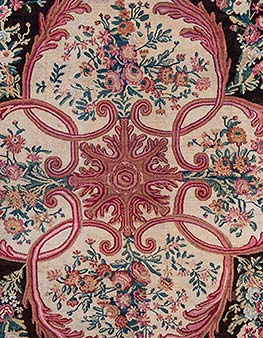
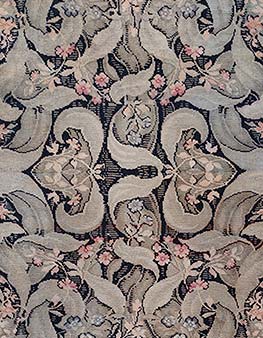
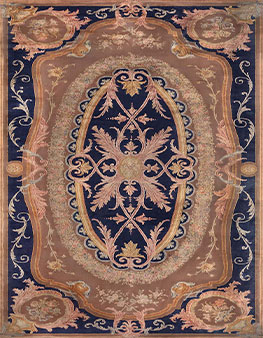
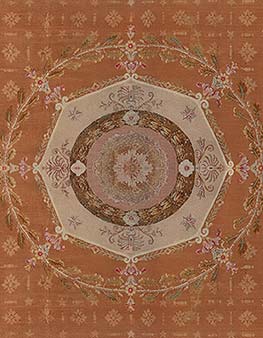
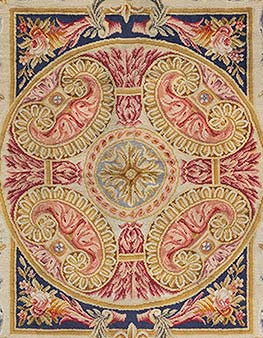
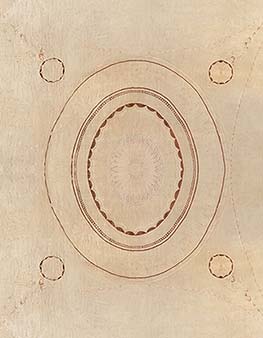
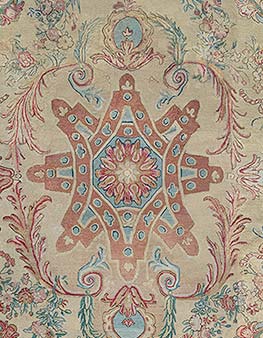
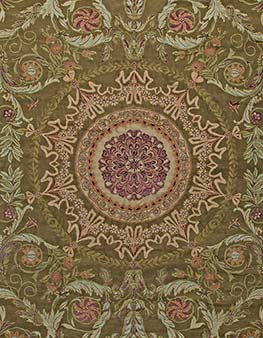
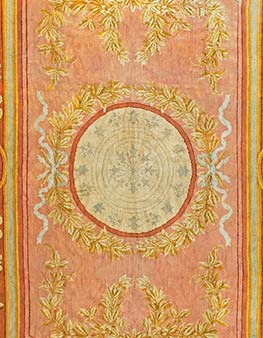
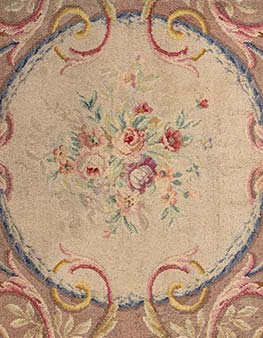
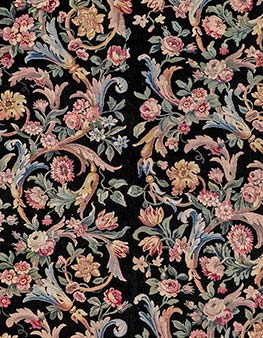
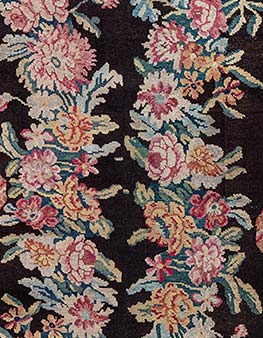
French Savonnerie rugs are among the most recognizable European carpets, prized for their hand-knotted pile, architectural scale, and disciplined ornament. Developed from the French court tradition, the Savonnerie style is associated with shaped medallions, floral garlands, acanthus leaves, cartouches, urns, scrollwork, and soft yet commanding palettes. In luxury interiors, these antique carpets serve a different role from Persian rugs or Oriental rugs: they are overtly European, formal without being severe, and especially compatible with French, neoclassical, Georgian, traditional, and transitional rooms.
What Defines an Antique Savonnerie Carpet
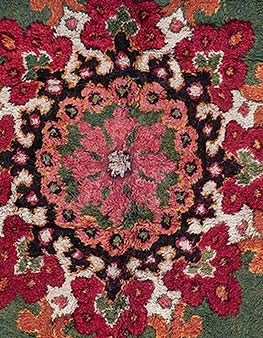
Unlike Aubusson rugs, which are typically flatwoven, Savonnerie carpets are pile rugs, often made in wool with a dense, tactile surface. Antique rugs are typically 100+ years old, and many Savonnerie pieces on this page are identified by approximate dates from the nineteenth and early twentieth centuries, with some designs recalling earlier royal and workshop models. Serious buyers should look beyond pattern alone. Age, weave, materials, border drawing, field balance, color harmony, restoration, and condition all influence how a Savonnerie rug performs visually and commercially.
- Check whether the rug is hand-knotted wool pile or a later flatweave or machine-made interpretation.
- Compare medallion, allover, floral, and geometric layouts for room symmetry and furniture placement.
- Review size carefully, especially for oversized rooms, dining tables, salons, galleries, and runners.
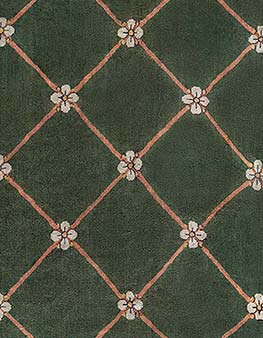
- Consider palette in natural light; cream, beige, tan, rose, gray, green, and black fields read very differently.
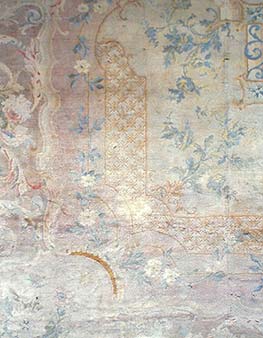
- Evaluate condition, repairs, reduced size, and fragments as part of the rug’s design value.
Scale, Palette, and Interior Design Use
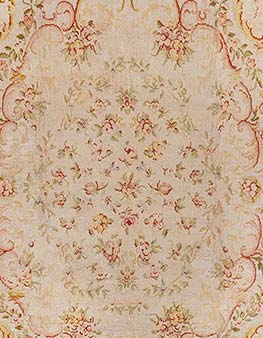
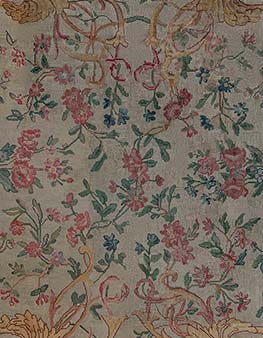
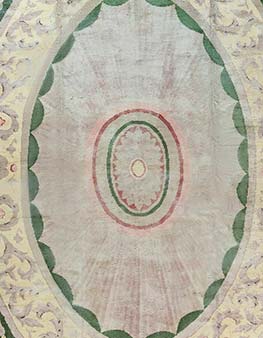
Savonnerie rugs are particularly useful when a room needs structure. A central medallion can anchor a seating plan, while an allover floral design may work better under a dining table or in a large salon where furniture interrupts the field. Oversized Savonnerie carpets are sought after by interior designers because the format can balance high ceilings, paneled walls, antiques, plasterwork, and substantial upholstery. Smaller pieces and runners can introduce the same French decorative vocabulary in libraries, entries, bedrooms, and corridors without overwhelming the architecture.
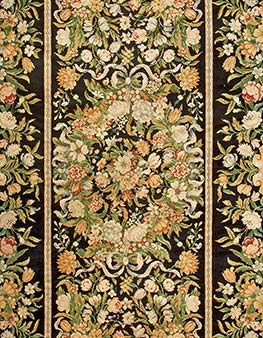
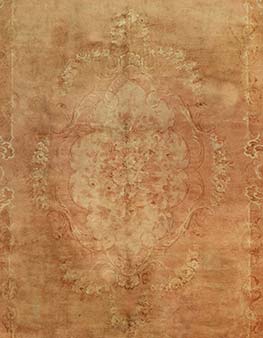
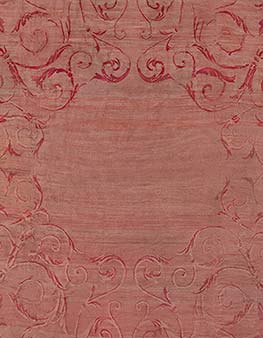
The palette is often the deciding factor. Cream and soft beige Savonnerie rugs bring light to formal rooms; warm tan and dusty rose pieces add historic depth; gray, green, brown, or midnight black examples can feel more architectural and unexpected. Because these are decorative rugs as well as collectible textiles, the best choice is rarely just the oldest piece. It is the rug whose scale, color, drawing, and surface character resolve the room.
Buying French Savonnerie Rugs at Doris Leslie Blau
Doris Leslie Blau has sourced antique rugs, vintage rugs, and rare carpets from estates, auctions, dealers, and private collections since 1965. This experience matters with French Savonnerie rugs because small distinctions in period, weave, condition, and design quality can separate a refined antique carpet from a decorative reproduction. Product listings provide practical buying information, including visible pricing, dimensions, materials, approximate date, and whether a rug has been size adjusted or preserved as a fragment.
For projects that require a Savonnerie-inspired look in a size, color, or layout not available as an antique, custom made rugs and made-to-order options can be considered as a separate solution. Antique Savonnerie carpets remain individual historic works, but a custom rug can translate related French medallion, floral, or neoclassical design language for contemporary rooms, unusual dimensions, or coordinated multi-room interiors.