

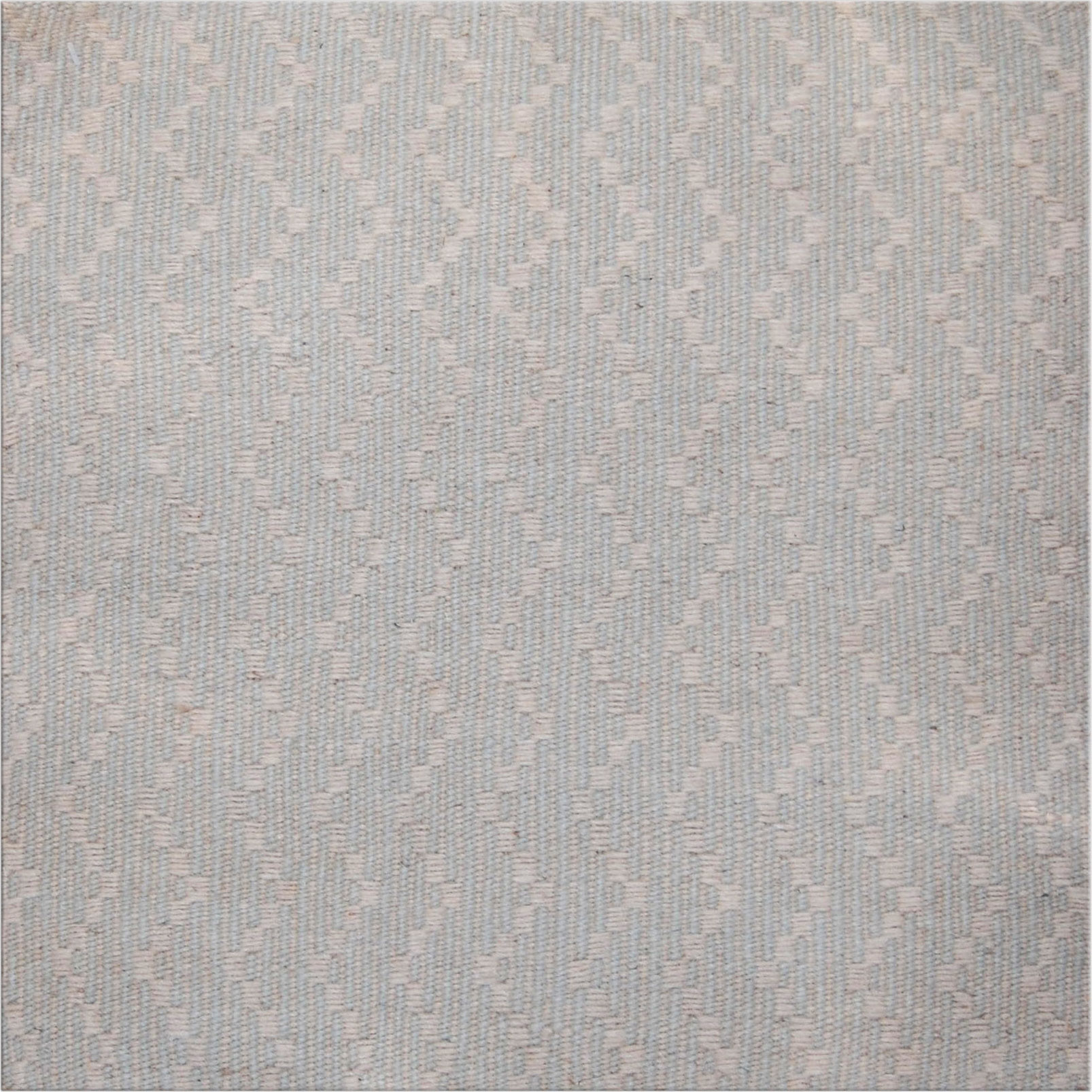
Radiant floor heating systems are increasingly popular for their uniform warmth and energy efficiency in contemporary living spaces. Selecting the right area rug to complement underfloor heating demands a precise balance between thermal conductivity, pile height, and material breathability. In this article, we examine how custom rugs can be engineered for optimal heat transfer without compromising comfort or design integrity. We explore material choices, the advantages of low-pile configurations, and the performance of natural versus synthetic fibers under sustained heat. Detailed installation best practices will guide designers and homeowners in preserving system efficiency and long-term durability. Integrating tailored carpet solutions with subfloor heating elevates both functionality and aesthetic cohesion. Dive into the technical nuances that ensure your bespoke floor covering works harmoniously with radiant heat technology.
How Underfloor Heating Affects Material Choice
Underfloor heating introduces a unique thermal dynamic that places stringent demands on rug materials to ensure consistent heat distribution without excessive insulation losses. The key variable in material selection is thermal resistance, often expressed as R-value, which quantifies how readily heat traverses a fabric layer. Lower R-values indicate minimal obstruction to heat flow, translating to faster system responsiveness and reduced energy consumption. In practice, dense backings or thick, plush fibers elevate a rug’s R-value, impeding efficient heat transfer and causing uneven surface warmth. Conversely, thinner constructions with open weaves offer minimal resistance, permitting radiant heat to permeate and reach the room environment swiftly. When considering custom design options, precise measurement of pile density and backing thickness is essential to maintain the delicate balance between insulation and heat conductance. Ultimately, accurate material profiling ensures your bespoke floor covering performs in harmony with the radiant heating system over its operational lifecycle.
In tailored configurations such as made-to-measure underfloor heat rugs, designers often specify natural fibers like wool for their favorable wool thermal conductivity and resilience under sustained warmth. Wool exhibits a thermal conductivity coefficient around 0.04 W/m·K, striking a compromise between effective heat diffusion and tactile softness. More advanced custom rugs employ blended yarns, combining wool with polypropylene or polyamide strands to reinforce pile stability and stain resistance without elevating thermal resistance significantly. For optimal performance, the combined pile height should not exceed 8 millimeters, as thicker constructions can insulate the heating element and increase energy demand. Additionally, selecting permeable backing materials—such as cotton scrims or jute—weaves reduces the risk of trapping moisture while permitting heat flow. Customized underfloor heat rugs also leverage precise tufting techniques, ensuring pile rows align for even heat distribution across the entire surface. These designer-grade specifics illustrate how thoughtful material engineering underpins effective radiant heating integration in our custom rugs portfolio.
Benefits of Low-Pile Designs
Low-pile carpets excel in underfloor heating applications by offering minimal pile thickness that facilitates swift warmth transmission and uniform temperature rise across the room surface. These carpet constructions typically feature pile heights under 8 millimeters and a tight density, reducing thermal impedance while preserving a refined aesthetic. The low-pile profile avoids the insulation pitfalls of high-pile designs, ensuring that the energy cost of heating remains efficient and predictable. Moreover, low-pile carpets maintain structural integrity under foot traffic and resist matting, enabling a consistently smooth and stable walking surface over your radiant heating array. In tailored interiors, such designs can be integrated seamlessly with larger area rugs or smaller accent pieces without creating thermal “cold spots” around thicker borders. This performance advantage makes low-pile configurations the go-to choice for architects and interior designers who require both function and form. By specifying bespoke low-pile carpets, one ensures that the heating system’s output is utilized to its fullest potential.
Beyond thermal efficiency, low-pile designs contribute to ease of maintenance and cleaning, critical considerations for high-traffic zones in residential and commercial settings. The shallow fiber height prevents deep soil accumulation and simplifies routine vacuuming, all while preserving the carpet’s surface appearance. When paired with precise edge binding techniques, these carpets maintain crisp, designer-grade finishes that complement contemporary underfloor heat rugs installations. Because the fibers do not collapse as readily as thicker piles, low-pile carpets retain their original texture and color saturation over extended periods, reducing the need for early replacement. Furthermore, the low nap reduces friction on cleaning tools, which can otherwise degrade fiber composition and hasten wear. Specifying custom area rugs also allows for precise fitting around architectural features such as warming vents or recessed heat manifolds. These nuanced advantages underscore why bespoke custom area rugs with low-pile profiles are ideally suited for underfloor heating contexts.
Material Performance Under Heat
When evaluating underfloor heat rugs, fiber composition dramatically influences both heat conduction and long-term durability. Natural fibers such as wool and cotton benefit from favorable thermal conductivity profiles; wool thermal conductivity hovers around 0.04 W/m·K, facilitating adequate heat transfer while retaining insulation properties that cushion foot comfort. Cotton, with a slightly higher conductivity of 0.05 W/m·K, provides a cooler surface feel but can be prone to moisture retention without proper backing ventilation. Synthetic fibers like polypropylene and nylon exhibit marginally different thermal characteristics, with conductivity ratings near 0.2 W/m·K, which can create localized heat retention if pile density is excessive. However, engineered synthetics boast enhanced dimensional stability and superior stain resistance, essential for commercial environments with stringent performance demands. Combining synthetic and natural yarns in a custom weave allows designers to tailor a carpet’s heat response profile, balancing warmth delivery and tactile quality. In practice, testing small material samples under controlled heat loads helps refine final specifications for bespoke underfloor heat rugs installations.
Some state-of-the-art custom-made rugs incorporate advanced fibers such as thermally conductive carbon-infused yarns or nonwoven backings designed to dissipate heat uniformly across the carpet plane. These technical innovations capitalize on the unique properties of metalized yarns, which can enhance radiant heat reflectivity back into the room by up to 15 percent compared to traditional fabric backings. In addition, anti-microbial treatments applied to fiber surfaces ensure that humidity generated by underfloor heating does not encourage mold or mildew growth over time. When specifying these specialist fabric constructions, designers must verify compatibility with both dry and wet heating systems, particularly in bathroom or kitchen zones where water-based radiant heat sources are common. It is equally important to collaborate closely with fiber manufacturers to meet stringent safety and performance benchmarks under heat exposure. Detailed manufacturer test data, including thermal resistance values and moisture vapor transmission rates (MVTR), guide the selection process toward the optimal custom-made rugs solution. By integrating these advanced materials into bespoke designs, interior professionals achieve an exacting balance of thermal performance, aesthetic precision, and hygiene standards for underfloor heating contexts.
Installation Best Practices
Pre-installation subfloor preparation plays a pivotal role in guaranteeing that underfloor heat rugs deliver consistent performance and longevity. The surface must be uniformly flat, clean, and free from moisture concentrations that could compromise both adhesive bonds and thermal conductivity. Employing specialized heat-permeable underlays rated for use with radiant floor systems minimizes thermal resistance buildup and protects the heating elements from mechanical damage. Prior to laying the final carpet, contractors should conduct an insulation resistance test and measure surface temperatures under maximum operational load to confirm even heat distribution. When adhesive application is required, opting for thin-set or low-R-value adhesive compounds further reduces heat impediments between the heating pipes or wires and the rug’s backing. In high-humidity areas, silicone-based sealants can be used around perimeters to inhibit moisture ingress without obstructing thermal flow. Strict adherence to these site-specific protocols ensures your bespoke carpet installation upholds optimal heat transfer efficiency and system safety standards.
Professional installation of custom rugs on heated floors also involves precise edge fastening and allowance for thermal expansion to prevent buckling or edge curling over time. Carpet fitters typically leave a small expansion gap—around 3–5 millimeters—along the room perimeter, which is then concealed by matching skirting or profile trims to maintain a seamless aesthetic. For particularly large format or heavy-weight rugs, using bespoke perimeter gripper bars instead of traditional tack strips distributes weight more evenly and facilitates safe release if future maintenance is needed. It is essential to avoid anchoring methods that restrict carpet movement, as trapped thermal expansion can create stress points that degrade both the flooring substrate and the rug backing. It is equally important to review manufacturer recommendations for compatibility with in-floor heating sensors to prevent system malfunctions. Post-installation, a system warm-up schedule should be followed, gradually elevating floor temperatures from ambient to its operational setpoint over 24–48 hours to acclimatize the material and adhesive. These installation best practices form the cornerstone of a durable, high-performing integration between your radiant heating system and your custom-made rugs choice.
FAQ
Which rug materials are best for underfloor heating?
The most effective materials for underfloor heating are those with low thermal resistance, such as wool, cotton, or carefully engineered synthetic blends. Wool strikes an optimal balance with a thermal conductivity near 0.04 W/m·K, ensuring efficient heat transfer and soft comfort. Cotton offers a slightly higher conductivity but requires breathable backing to manage moisture. Advanced synthetic fibers can be blended to enhance durability and stain resistance without significantly increasing the R-value. Always consult manufacturer data on thermal resistance and conduct small-scale tests to confirm performance before finalizing your selection.
Can a thick rug damage heating systems?
A thick rug will not physically damage a properly installed underfloor heating system, but it can impede heat transfer and cause the thermostat to work harder, reducing energy efficiency and potentially shortening the system’s lifespan. Excess insulation from dense backing materials or high-pile fibers elevates surface R-value, leading to uneven heat distribution and increased operating temperatures within the heating elements. To avoid inefficiencies, choose low-pile designs under 8 millimeters and follow manufacturer guidelines for maximum permissible thermal resistance.
How to maintain rugs on heated floors?
Maintenance for rugs on heated floors requires regular vacuuming with an adjustable-height head to protect fiber integrity and prevent dust buildup, which can act as an insulator. Avoid steam cleaning or excess moisture, as elevated temperatures can prolong drying times and encourage mold growth. Rotate rugs periodically to ensure even wear and maintain consistent heat exposure. For deep cleaning, shut down the heating system and allow the floor to cool before proceeding. Use low-moisture or dry-cleaning methods recommended by the rug manufacturer to preserve both the fibers and the backing materials.
For tailored guidance on designing and installing the perfect underfloor heating compatible rug, our technical design team is here to assist. Contact us for a specialist consultation to explore precise material specifications, custom color palettes, and structural options that ensure seamless integration with your radiant heating system.