
Marrying centuries-old Berber artistry with contemporary design sensibilities, Moroccan weaving traditions lend an incomparable depth and texture to luxury interiors. From the highlands of the Atlas Mountains to the sun-baked plains of the Sahara, each hand-knotted piece channels tribal rug patterns and authentic craftsmanship, elevated further through carefully curated natural dye techniques. This exploration delves into the rich history of Moroccan weaving, the defining characteristics of Berber carpets, and the ethical sourcing practices that ensure both cultural integrity and sustainability. We then outline sophisticated strategies for integrating these storied textiles into modern homes, specifying custom rugs to achieve perfect proportions, color resonance, and a seamless blend of tradition and innovation.
The History of Moroccan Weaving
Morocco’s weaving heritage extends back millennia, shaped through the intersection of indigenous Amazigh (Berber) communities, trans-Saharan trade routes, and Mediterranean cultural exchanges. In its earliest form, wool spun from locally reared sheep and goats was processed into coarse threads for shelter and basic garments; over time, the Berber tribes elevated weaving into a defining art form, imparting symbolic motifs and clan identities onto each structure of loops and knots. These foundational techniques traveled across desert caravans and coastal ports, absorbing influences from Andalusian weavers and Ottoman dyers, before crystallizing into the regional dialects of rug-making we recognize today. Studying this evolution not only underscores the resilience of tribal rug patterns in harsh landscapes but also highlights how each generation of artisans has preserved and refined their methods across less accessible mountain villages and bustling souks alike.
By the 19th century, Moroccan carpets had gained international acclaim for their robust textures, geometric motifs, and seemingly spontaneous weave. European diplomats and collectors flocked to Marrakech and Rabat, fueling demand for these hand-woven treasures and exposing Moroccan techniques to Western design houses. As market interest expanded, weavers in Fez and Beni Ourain began experimenting with more elaborate tribal rug patterns, blending traditional diamond grids, chevrons, and stylized flora into their compositions. Meanwhile, the High Atlas region became synonymous with the plush, ivory-white wool rugs that now define the archetypal Berber carpet aesthetic. This historic cross-pollination between local artisans and global audiences set the stage for today’s bespoke collaborations, where refined skill meets personalized design briefs for truly one-off pieces.
Despite the pressures of industrialization and tourist-driven trends, Moroccan weaving endures through tightly knit cooperatives and family legacies. Younger generations receive informal apprenticeships in courtyards and village workshops, absorbing not only the manual dexterity required to tie the double knot but also the oral histories embedded within each tribal motif. This perpetuation of knowledge upholds a continuum from ancestral looms to contemporary interiors, allowing designers to specify custom rugs that bear the unmistakable soul of Berber heritage. As we examine the keys to authenticity and design fidelity, recognizing this deep cultural context becomes essential for any interior curator seeking to infuse their spaces with genuine Moroccan charm.
Key Characteristics of Berber Rugs
Berber carpets are defined by their raw, tactile qualities and geometric simplicity, each sourced from hand-spun wool harvested in the high plateaus. Unlike industrial textiles, where uniformity often eclipses character, these rugs embrace natural irregularities—slightly varying pile heights, subtle color gradations, and occasional knot variance—that celebrate the organic process. At the heart of each piece is a commitment to structure: the tight Ghiordes knot or Senneh knot provides extraordinary resilience underfoot, while the weighty wool pile offers both insulation and a soft visual heft. As a result, Berber carpets lend themselves to open-plan living rooms or basement lounges alike, bridging minimalism and rustic luxury without sacrificing tactile engagement. Their adaptability also makes them an ideal candidate for those pursuing custom area rugs tailored to precise dimensions and color palettes, ensuring a flawless dialogue with surrounding furnishings.
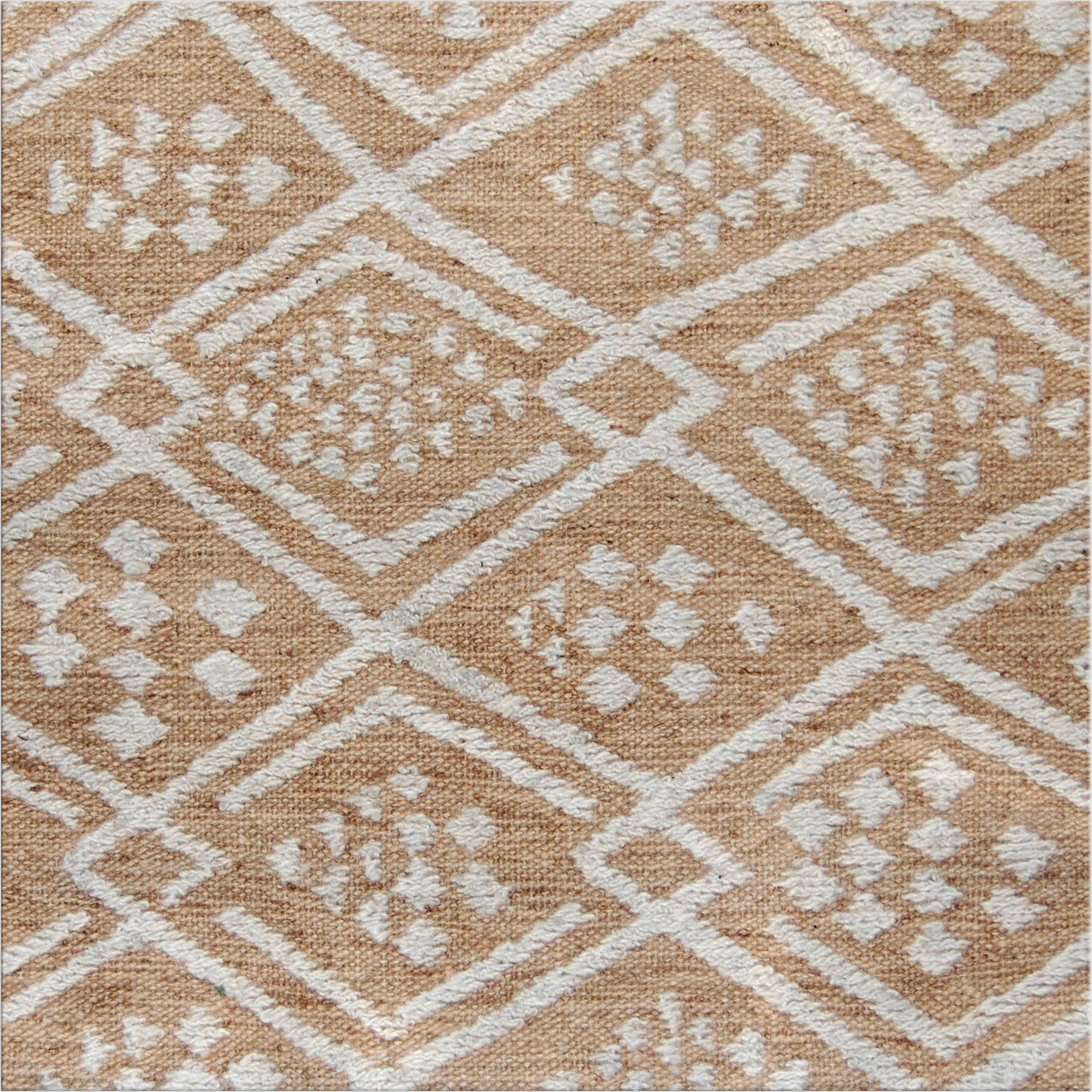
Beyond structure, tribal rug patterns distinguish each regional variant, conveying narratives that range from fertility symbols to protective talismans. The ubiquitous diamond motif of Beni Ourain rugs, for example, can be read as a feminized portrayal of maternity huts—a coded emblem of home and abundance. In contrast, the bold linear chevrons of Boucherouite carpets employ recycled textiles to produce vibrant stripes that reverberate with modernist energy. These distinct lexicons offer designers a versatile vocabulary, enabling the creation of conversation-starting focal pieces or harmonious layering effects. For luxury interiors, selecting specific motif densities or reinterpreting classic symbols through subtle color shifts transforms a traditionally vernacular rug into a bespoke statement of refined taste.
Natural dye techniques bring an additional layer of depth and sustainability to the palette. Local artisans harness plant-based extracts—madder root for warm reds, indigo leaves for deep blues, safflower petals for soft pinks, and pomegranate hulls for earthy yellows—ensuring each hue responds to ambient light with gentle transitions rather than stark contrasts. These methods require exacting water temperatures, precise mordant ratios, and careful timing to fix pigments without compromising fiber integrity. The result is a mellow patina that evolves gracefully over time, resisting the flat uniformity of synthetic dyes. When commissioning custom-made rugs, clients can specify dye families that resonate with existing decor or align with seasonal shifts, achieving a living art piece that matures alongside the interior environment.
Ethical Sourcing and Artisanship
In an age where authenticity and sustainability guide purchasing decisions, ethical sourcing has become a cornerstone of luxury interior practices. Collaborating directly with Moroccan cooperatives or certified fair-trade initiatives ensures that weavers receive equitable compensation for their labor-intensive craft. Such partnerships often involve multi-year commitments, workshops for skill enhancement, and reinvestment in community resources—from improved water management to educational programs. This dedication fosters a stable livelihood for families whose ancestral knowledge might otherwise face obsolescence, while granting designers and homeowners the peace of mind that their custom rugs reflect responsible stewardship rather than exploitative appropriation.
Sustainability in Berber rug production extends beyond labor practices to the sourcing of raw materials and dye components. By maintaining regenerative grazing cycles and rotational pasture access, shepherds help preserve local ecosystems, preventing overgrazing that could lead to soil erosion. Simultaneously, artisans ensure that dye baths do not contaminate waterways by recycling or repurposing rinse water and safely discarding residual plant matter. For design professionals seeking to align a project with eco-certified standards, these processes demonstrate a full-circle commitment to environmental integrity. When specifying materials for a high-end residential or hospitality space, the provenance story of each rug—from sheep to dye vat to final finish—plays a critical role in conveying the holistic values underpinning the design narrative.
Custom collaborations also enable designers to shape both aesthetic and ethical parameters from the project’s outset. During the initial consultation, clients can articulate their preferences for dye colors, pile density, edge finishing, and even the choice between hand-spun or machine-tensioned warp threads. Artisans then translate these specifications into detailed sketches and color samples, ensuring that the final piece seamlessly integrates with upholstery selections, wall pigments, and lighting plans. This iterative dialogue not only guarantees a polished end result but also reinforces the human connection at the heart of each bespoke rug. By structuring these communications through an established process—often outlined in our custom area rugs guide—both parties achieve transparency and creative synergy from concept through completion.
Styling Moroccan Rugs in Modern Interiors
Integrating Moroccan rugs into contemporary living spaces demands both sensitivity to tradition and an eye for modern proportion. Oversized plains with minimalist furniture create a calming canvas, allowing the rustic texture and tribal rug patterns to become sculptural elements within an otherwise subdued layout. Conversely, in a maximalist setting, smaller accent rugs can be layered atop broad-stroke carpets or marble floors, injecting color punctuations and textural contrast. Whether placed beneath a low-profile sofa grouping or framing an intimate reading nook, the choice of scale and positioning determines how each Berber carpet animates spatial flows. For optimal impact, designers often develop mood boards linking fabric swatches, paint chips, and custom rug mock-ups in tandem, ensuring that every piece coalesces into a cohesive visual story.
Color coordination is equally pivotal: the earthen tones of natural dye techniques lend themselves to neutrally hued schemes, allowing vivid accents—cobalt blue pillows or a citrine glass pendant—to pop against the rug’s understated backdrop. Alternatively, specifying a custom piece in complementary or analogous color families can tie disparate design elements together. At our studio, we facilitate on-site consultations where light studies inform dye adjustments, ensuring that the finished rug reflects true-to-life pigments rather than studio approximations. This level of precision is particularly important when carpets occupy sunlit areas or spaces with artificial lighting changes throughout the day, preserving visual harmony and enhancing overall ambiance.
Finally, maintenance and longevity play significant roles in ensuring Moroccan rugs remain heritage-quality assets. Regular gentle vacuuming, immediate spot treatment with pH-neutral solutions, and professional deep-cleaning cycles preserve both vibrancy and fiber integrity. For broader longevity, rotating rugs seasonally or repositioning them under low-traffic furnishings reduces uneven wear patterns. When commissioning custom-made rugs, consider treatment options such as soil-resistant finishing or protective backings that maintain breathability while enhancing durability. By blending meticulous care routines with the enduring craftsmanship of Berber artisans, homeowners and designers alike can enjoy the unique interplay of history, artistry, and contemporary comfort that only a true Moroccan rug can provide.
FAQ
How are Moroccan rugs traditionally made?
Traditional Moroccan rugs are hand-knotted or flat-woven by Berber artisans using locally sourced wool. The process begins with shearing and washing the fleece, followed by hand-spinning into yarn. Weavers then prepare a sturdy warp frame and meticulously tie individual knots—often the Ghiordes or Senneh technique—to form the pile, with each row tensioned by hand. Once the desired pattern and dimensions are achieved, the rug is cut, edged, and washed to reveal its final texture and depth.
What makes Berber patterns unique?
Berber patterns are rooted in Amazigh iconography, with each symbol conveying cultural narratives such as fertility, protection, and community bonds. Unlike mass-produced motifs, these geometric arrangements—diamonds, zigzags, crosses—are imbued with personal and tribal significance, passed down through oral tradition. The resulting designs exhibit a captivating blend of simplicity and meaning, lending both visual interest and storytelling depth to any modern interior.
Are natural dyes safe for homes?
Yes, natural dyes derived from plants such as madder, indigo, and pomegranate are nontoxic and free from harsh chemicals commonly found in synthetic alternatives. When properly fixed during the dyeing process, they resist fading without emitting volatile organic compounds (VOCs). Additionally, many artisans implement eco-friendly wastewater practices, making natural-dyed Moroccan rugs a safe and sustainable choice for residential and commercial environments alike.
For a personalized approach to sourcing, designing, and specifying your own handcrafted Moroccan piece, schedule a specialist consultation with our in-house team of weaving experts. Discover how expert guidance ensures your custom rugs not only complement but elevate your interior vision.