

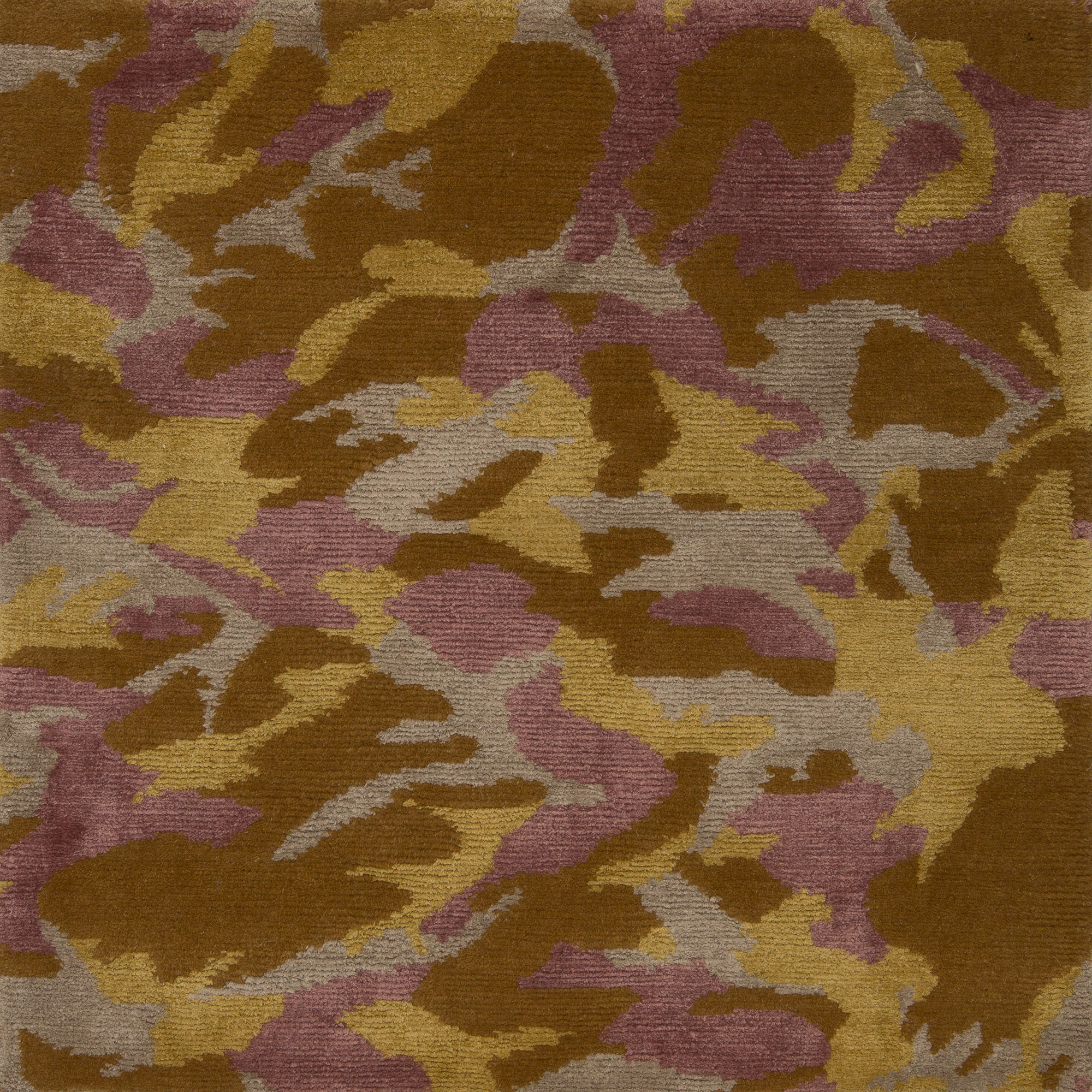
A strong rug specification does more than name a size and a color. For custom rugs, it becomes the document that keeps design intent, construction choices, and site realities aligned from concept to installation. When that checklist is clear, the rug is sized correctly, the materials suit the room, and the finished piece supports the architecture instead of fighting it.
Designers rely on specification sheets because even a beautiful rug can fail if the practical details are vague. A dining room needs different pile behavior than a bedroom; a lobby needs different edging and density than a private sitting room; a sunlit space may call for a fiber strategy that handles fading and glare. The point of a rug specification checklist is not to make the process bureaucratic. It is to translate visual ideas into measurable decisions that a workshop can execute accurately.
This matters most in projects where scale, furniture layout, and texture all carry equal weight. A room can have the right palette and still feel unsettled if the rug sits too tightly under the seating group or disappears under oversized furniture. Likewise, a handsome pattern can lose clarity if the weave, pile, or border treatment is not considered in relation to the room’s use. Good custom rug design starts with the room’s purpose, then moves methodically through the details that determine how the rug will live once installed.
Set project goals, use case, and room constraints
The first part of a rug specification checklist should answer a simple question: what job is the rug expected to do? In one room it may be zoning an open-plan layout, in another it may be softening acoustics, and in another it may be acting as a visual anchor beneath a large furniture arrangement. Designers often note whether the rug is intended to feel quiet or expressive, grounded or light, transitional or architectural, because those decisions affect everything from pattern scale to border width.
Room constraints are just as important as aesthetic goals. Ceiling height, natural light, wall color, millwork, fireplaces, built-ins, and traffic patterns all influence the final specification. A rug under strong sunlight may need a material and color plan that avoids premature fading or visual glare, while a room with dark wood paneling may benefit from a warmer ground tone or a lighter contrast at the border. In open-plan spaces, the rug is often responsible for defining a zone without adding a physical barrier, so its proportions must work in relation to adjacent furniture and sightlines.
It helps to document the intended mood in practical language rather than vague style words. Instead of writing “elegant” or “cozy,” specify whether the room should feel low contrast, high contrast, formal, relaxed, graphic, or textural. That makes custom rug design decisions easier to review later, especially when multiple stakeholders are involved. When a project includes designers, architects, clients, and workroom partners, a precise brief reduces second-guessing and protects the original concept.
Confirm dimensions, placement, and furniture relationships
Size is not just a number on a line item; it is the foundation of proportion. Designers typically record the room dimensions, the clearances around walls or circulation routes, and the exact placement of primary furniture pieces before finalizing a rug. In a living room, for example, the front legs of sofas and chairs may sit on the rug to visually connect the seating group, while in a dining room the rug must extend far enough that chairs remain fully supported when pulled out.
For custom rugs, placement notes should be more detailed than “centered in the room.” Include where the rug begins relative to a fireplace, whether it aligns with a window bay, how it relates to a coffee table, and whether there is asymmetry created by an off-center architectural feature. In a long gallery-like room, the rug may need to reinforce the direction of travel; in a square room, it may need to hold the center of gravity. These distinctions matter because proportion changes how a room feels, even when every other design decision is carefully considered.
A useful checklist also includes furniture dimensions, not just room dimensions. The footprint of a sectional, the depth of an armchair, and the clearance needed for dining chairs can change a rug specification by several inches or even several feet. For designer custom rugs, this step prevents the common mistake of specifying a beautiful size that looks correct on paper but feels undersized once the room is furnished. If a project includes built-in seating, unusual architecture, or an oversized layout, it can be helpful to sketch the rug relative to each major object rather than treating the floor as a blank rectangle.
One practical method is to note the intended border of negative space around the rug. That margin affects how the piece reads in the room and how it interacts with baseboards, drapery hems, doors, and nearby millwork. A broad expanse of visible floor can create calm in a formal interior, while a tighter fit may be more appropriate in a compact room where the rug must do visual work efficiently. Designers often use these measurements to keep custom carpets from looking too precious, too small, or too dominant once installed.
Record fiber, pile, border, and finishing preferences
Material is where the specification becomes tactile. A wool rug may offer resilience, softness, and broad compatibility with living spaces, while silk adds sheen, detail, and a more reflective surface that can make pattern feel sharper and more formal. Some projects call for mixed fibers because the design needs both durability and nuance, especially when the brief asks for designer custom rugs that read quietly during the day but reveal depth in changing light. Fiber choice should be written down with the room’s use in mind, not just the visual preference.
Pile height is another detail that often gets overlooked until it causes a problem. A lower pile may work better under dining chairs, rolling office seating, or rooms where crisp pattern definition is important, while a taller pile can add softness in a bedroom or sitting room. The checklist should also note whether the design calls for cut pile, loop pile, flatweave, or a combination, because each construction changes how the rug handles texture and light. In a room with strong architectural lines, the wrong pile can either blur the design or make it feel too sharp.
Border treatment deserves its own line in the spec because it affects both scale and finish. A narrow border can help a pattern feel contained, while a wider one can frame the field and create a more tailored presence. Finishing notes should include edge binding, fringe if applicable, and any preference for the way the rug should transition at thresholds or under furniture. When a project demands restraint, these seemingly small decisions often determine whether the final piece feels resolved.
Color and surface behavior should also be recorded with precision. A room that receives cool daylight may make blues, grays, and greens appear more pronounced, while incandescent lighting can warm neutrals and soften contrast. That means the same rug can read differently from one room to another, even if the palette is identical on the page. Designers often specify whether the surface should have matte depth, subtle sheen, or a more dimensional hand-knotted finish, because those qualities influence how the room photographs, how it feels underfoot, and how it interacts with nearby upholstery and drapery.
For projects that require long-term durability, it helps to note traffic level, pet exposure, and maintenance expectations directly on the checklist. A family room rug may need a denser construction and a more forgiving texture than a formal salon rug. In practice, this is where the distinction between decorative preference and real-world performance becomes most important. Hand-knotted rugs can support a wide range of outcomes, but only if the construction and fiber choices are aligned with how the room is actually used.
Organize approvals and production notes
A specification sheet is only useful if it records what has been approved and by whom. Designers typically track the approved dimensions, material selection, color direction, border treatment, and any custom drawing or strike-off notes that were reviewed before production. This prevents confusion later when a workshop, client, or project manager revisits an earlier version and assumes it is still current. The most effective checklist functions like a controlled record of decisions, not a loose folder of inspirations.
Production notes should include any special alignment requirements, such as centering a motif beneath a chandelier, matching a pattern line to a door axis, or adjusting the field so it reads correctly from a primary seating view. If the rug will be installed in a space with unusual trim, columns, or curved walls, those conditions should be documented clearly. The same is true for shipping and installation concerns, especially when the rug must fit into an elevator, navigate a narrow stair, or work around preexisting built-ins. These are not secondary details; they are part of the success of the piece.
Good workflow also includes a review step before release to production. Designers often compare the final specification against the room plan one last time, checking that the rug size still suits the layout, that the selected pile works under the intended furniture, and that the palette matches the room’s light conditions. When the checklist is thorough, it becomes easier to coordinate with a specialist who can refine the technical side of custom rug design without diluting the original idea. That is where expertise matters most: not in replacing the designer’s vision, but in making it buildable.
If the project includes multiple rooms, it can be useful to create a separate line for each rug rather than merging all the decisions into one master note. Public spaces, private rooms, and circulation areas often require different material priorities and visual weights. A bedroom rug can support softness and quietness, while a hallway runner may need a more resilient weave and a sharper plan for wear. Clear production notes make those distinctions visible and prevent a one-size-fits-all solution from creeping into a carefully layered interior.
A simple real-world example of how the checklist works
Consider a long living room with one sofa, two lounge chairs, a low table, and a pair of tall windows on the far wall. The client wants the room to feel calm, but not plain, and the architecture includes strong trim lines that could overpower a weak floor covering. In this case, the specification might call for a rug that extends beyond the front legs of the seating, uses a restrained field with a measured border, and chooses a fiber blend that softens the light without becoming glossy. The checklist keeps the room from drifting toward either too much pattern or too little presence.
Now imagine that same room in a household with children and a dog. The design logic changes even if the visual goal remains refined. The pile may need to be shorter, the texture less delicate, and the color variation slightly more forgiving so daily use does not make the rug feel fragile. This is why a rug specification checklist is not just paperwork; it is a translation tool that connects aesthetics with use. The best specifications are specific enough to guide production, but flexible enough to preserve the integrity of the interior.
What designers should verify before final release
- Room dimensions and clearances are measured and rechecked from more than one point.
- Furniture placement is confirmed, including any pieces that overlap the rug edge.
- Rug size supports the intended seating, dining, or circulation pattern.
- Fiber, pile height, and construction are appropriate for traffic and light exposure.
- Border, binding, and finishing details have been approved in writing.
- Color and pattern have been reviewed under the room’s actual lighting conditions.
- Any special installation, alignment, or shipping constraints are documented.
This is also where a broader project resource can help. If dimensions are still uncertain, many teams pair a specification sheet with a custom rug sizing guide so the layout can be checked against furniture and architecture before anything is ordered. That combination is especially useful in larger homes, hospitality settings, and open-plan interiors where small proportion mistakes become expensive to correct. Designers who build the checklist this way tend to spend less time revising and more time refining.
FAQ
What should a strong spec sheet include?
A strong rug spec sheet should include the room name, final dimensions, placement notes, furniture relationships, fiber choice, pile height, border treatment, finishing details, and any production or installation constraints. It should also record the intended use of the space so the rug’s construction aligns with traffic, light, and maintenance needs. For custom rugs, the best spec sheets are specific enough that a workshop can execute them without guesswork.
How do I avoid missing a critical measurement?
Measure the room from multiple points, not just wall to wall, and always check the rug against the actual furniture plan. Mark clearances for doors, circulation paths, and chair pullback before confirming the final size. Designers often avoid errors by pairing a written checklist with a scaled floor plan so the rug can be tested visually and numerically before production begins.
What should be confirmed before ordering?
Before ordering, confirm the final size, material, construction, color direction, border details, and any special finishing requirements. It is also wise to verify the lighting conditions, furniture layout, and installation constraints one last time. If the project is complex, a final review with a specialist in custom rugs can help catch proportion or performance issues before they become costly corrections.
For designers and homeowners alike, the right checklist turns rug selection into a disciplined part of the interior rather than a last-minute finish. Doris Leslie Blau approaches that process with the same attention to proportion, material, and craftsmanship that serious projects require, whether the brief calls for restraint, texture, or a more expressive floor plan. If your next project needs guidance on specification, construction, or scale, a specialist conversation can save time and sharpen the result before the rug is made.